
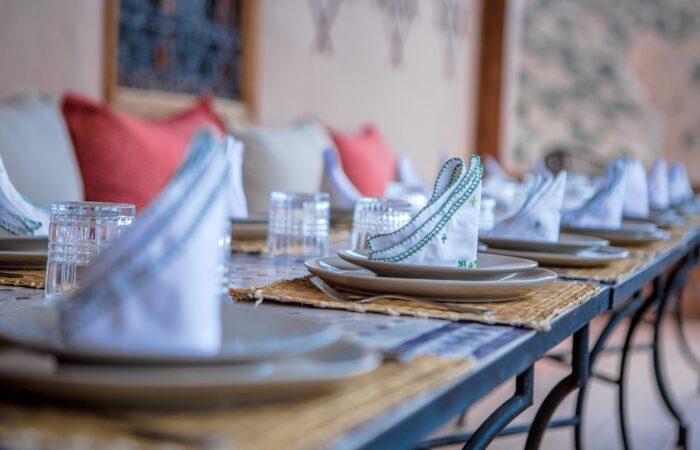
The High Atlas Mountains of Morocco are home to Amazigh communities whose traditions have developed through centuries of adaptation to mountain landscapes. Known historically in many sources as Berbers, the Amazigh people maintain a rich cultural identity expressed through language, architecture, agriculture, craftsmanship, music, and strong community values.
The Amazigh Heritage of the High Atlas Mountains
The Amazigh are among North Africa’s oldest cultural communities, with a history connected to the landscapes of Morocco and the wider Maghreb. In the High Atlas, communities have developed ways of life shaped by mountains, valleys, forests, and limited water resources.
Amazigh identity is preserved through family traditions, oral history, local languages, and relationships with ancestral territories. Different regions have their own customs and dialects, creating a diverse cultural landscape while maintaining shared heritage.
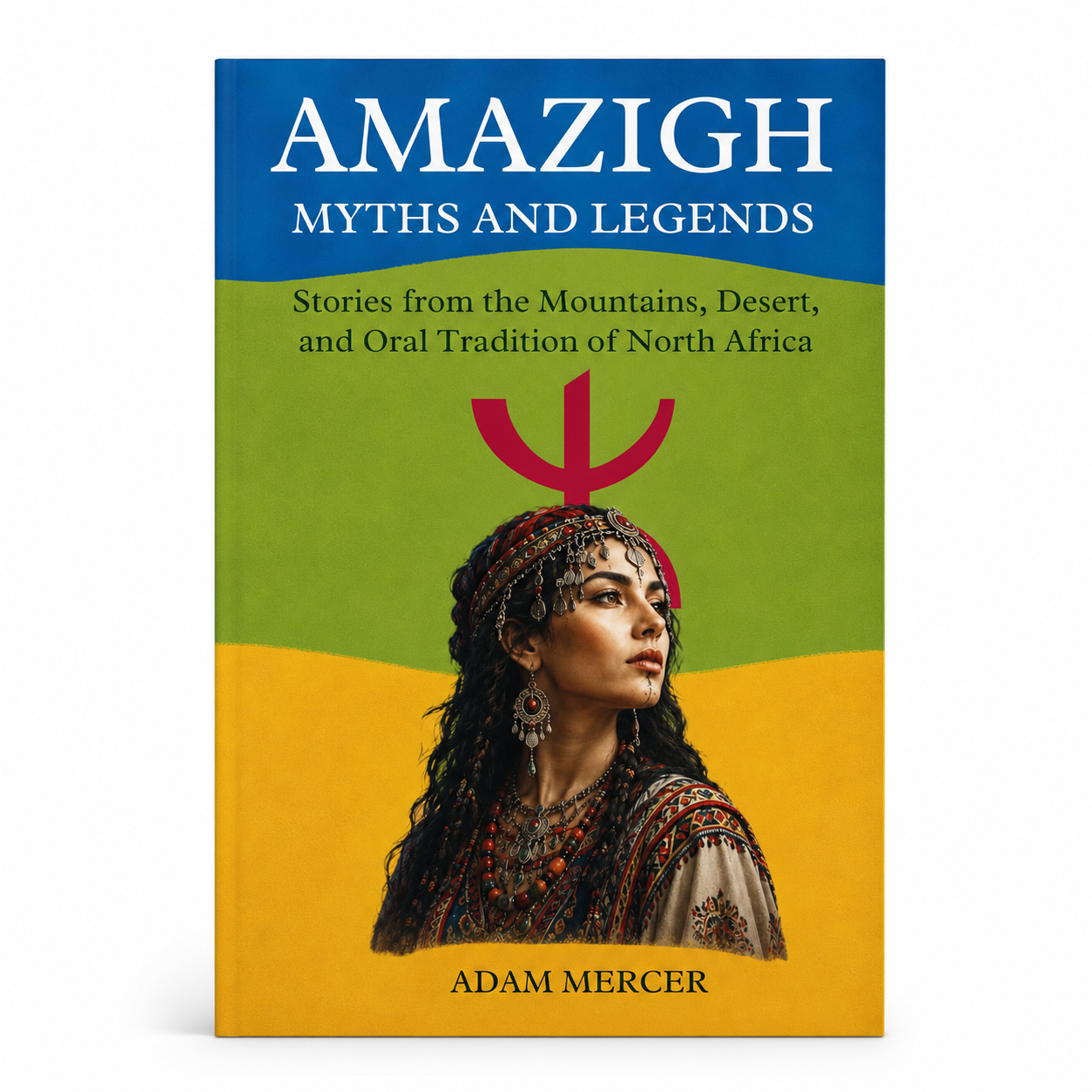
Tamazight languages remain an important part of cultural continuity. In Morocco, several varieties are spoken, including Central Atlas Tamazight in many mountain areas. The Tifinagh writing system has also become an important symbol of Amazigh identity and cultural recognition.
Traditional Amazigh Villages and Mountain Architecture
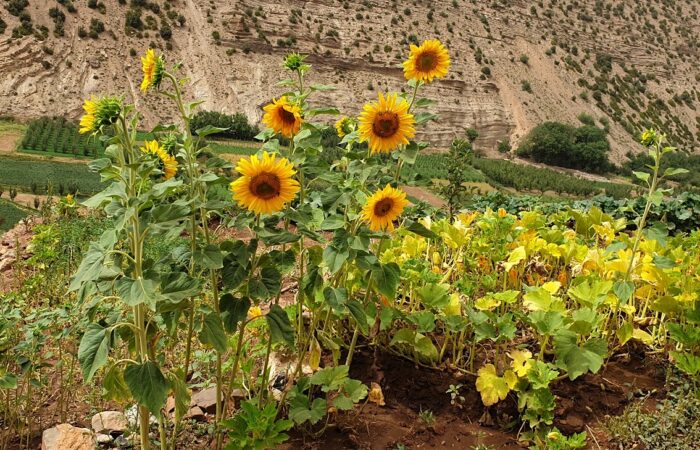
Amazigh villages in the High Atlas reflect a close relationship between architecture and environment. Buildings are often constructed using local materials such as rammed earth, stone, and wood, providing protection from cold winters and hot summers.
Traditional houses are designed around family needs and community life. Flat roofs may provide additional space for storage or daily activities, while village layouts encourage interaction between neighbors through shared paths and gathering areas.
Some settlements include fortified structures known as kasbahs or ighrem, which historically provided protection and served as important community spaces. These buildings demonstrate both practical engineering and artistic knowledge developed over generations.
Water management has always been essential in mountain villages. Traditional irrigation channels, often known as seguias, distribute water from springs and rivers to agricultural fields, allowing communities to cultivate land in challenging environments.
Agriculture, Pastoral Life, and Respect for the Land
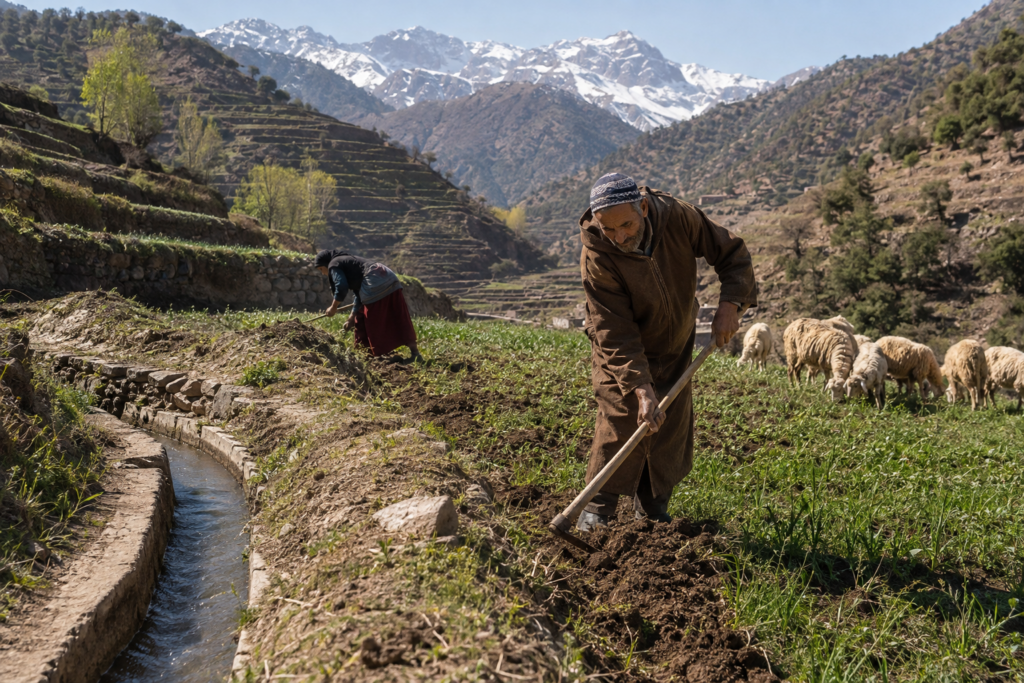
Mountain agriculture has shaped Amazigh life for centuries. Farmers developed techniques suited to steep landscapes, including terracing, which helps reduce erosion and makes cultivation possible on mountain slopes.
Common crops in High Atlas regions include barley, wheat, almonds, walnuts, and various vegetables. Agricultural activities follow seasonal cycles, with planting and harvesting often requiring cooperation between families and neighbors.
Livestock also remains important in many communities. Sheep, goats, and cattle provide food, materials, and economic support. Traditional pastoral practices include seasonal movement between different grazing areas, allowing animals to access suitable pastures throughout the year.
This relationship with the land reflects generations of environmental knowledge. Amazigh communities have traditionally understood local climates, water sources, and natural resources, creating practices based on adaptation and careful use of available resources.
Amazigh Crafts: Weaving, Jewelry, and Artistic Expression
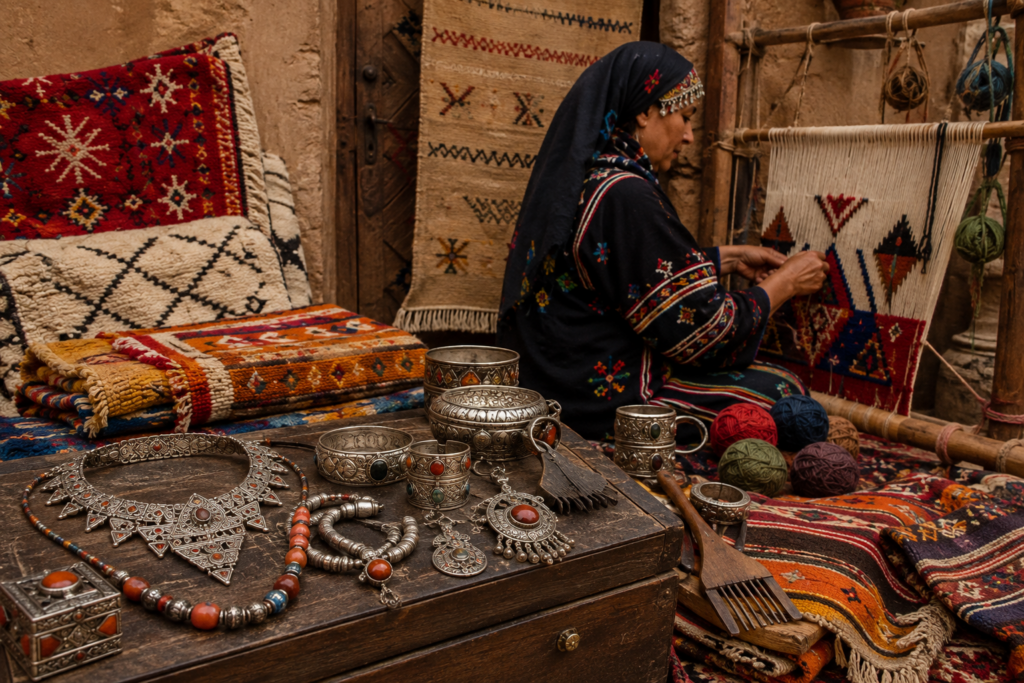
Amazigh craftsmanship represents one of Morocco’s most recognized cultural expressions. Handmade objects often combine practical purposes with artistic designs that communicate identity, history, and regional traditions.
Carpet weaving is especially important in many Amazigh communities. Traditionally created by women, carpets often feature geometric patterns, colors, and symbols connected to local artistic traditions. Each region has developed distinctive styles reflecting different cultural influences.
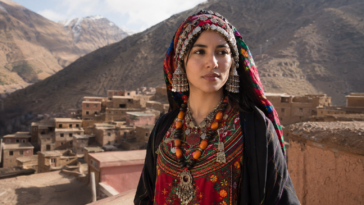
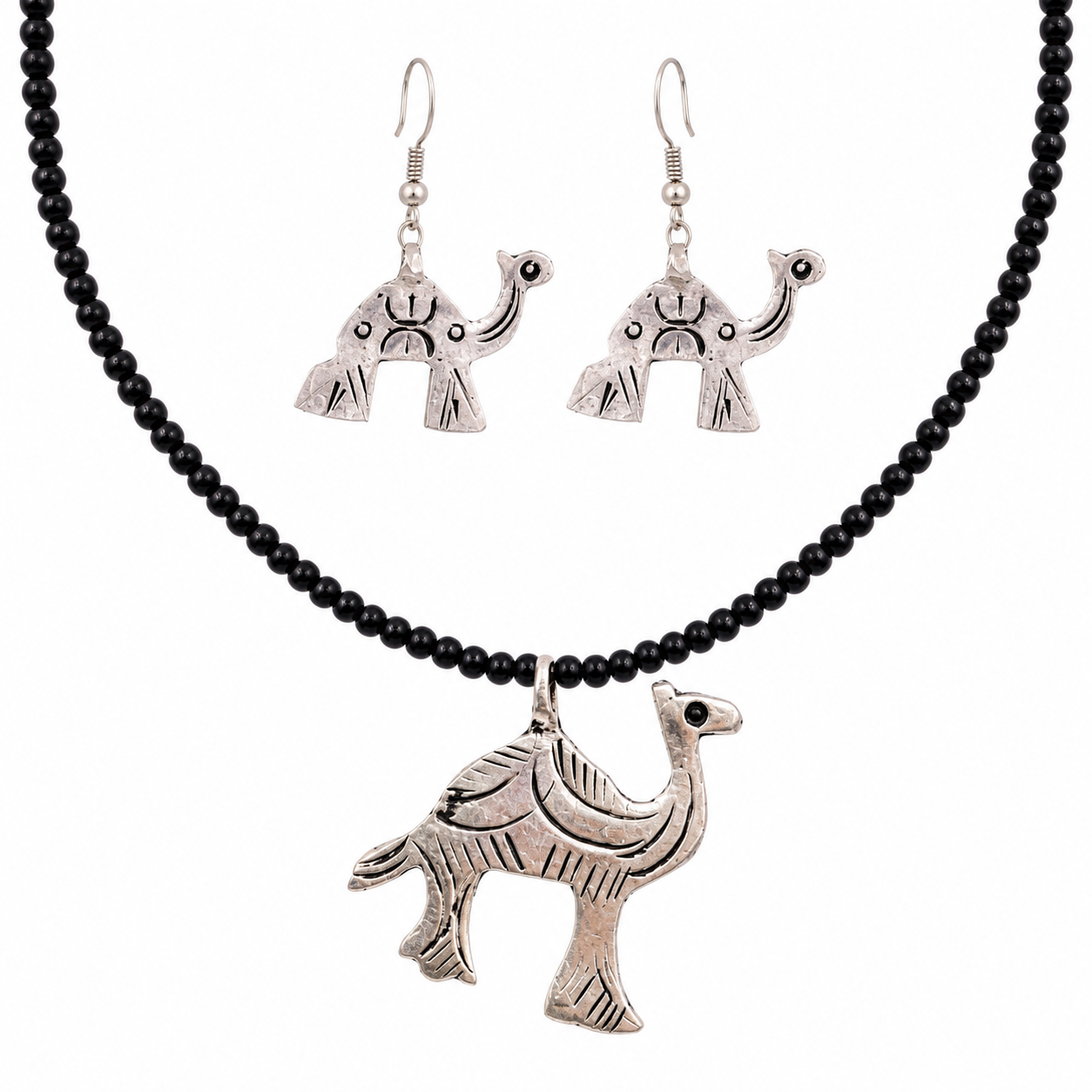
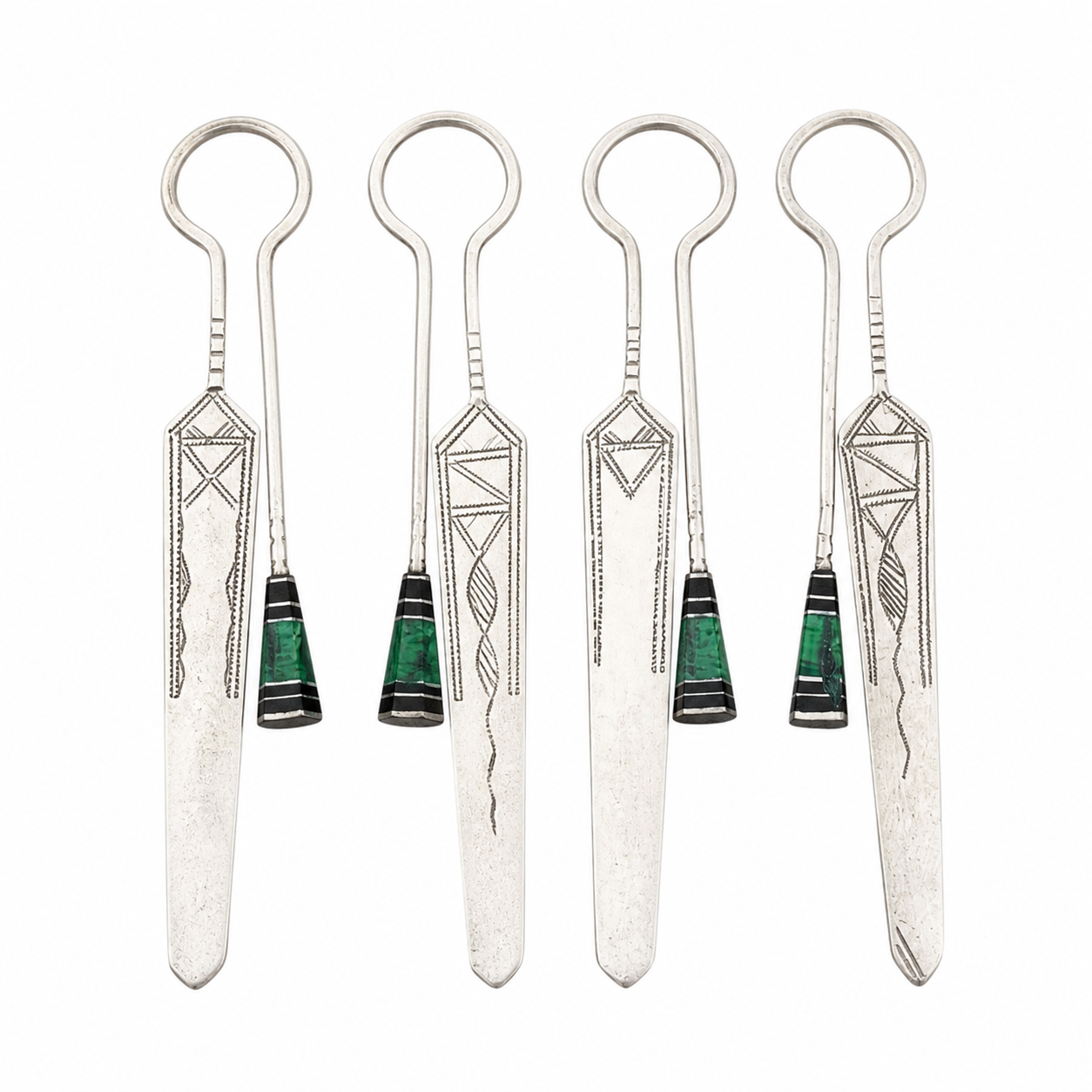
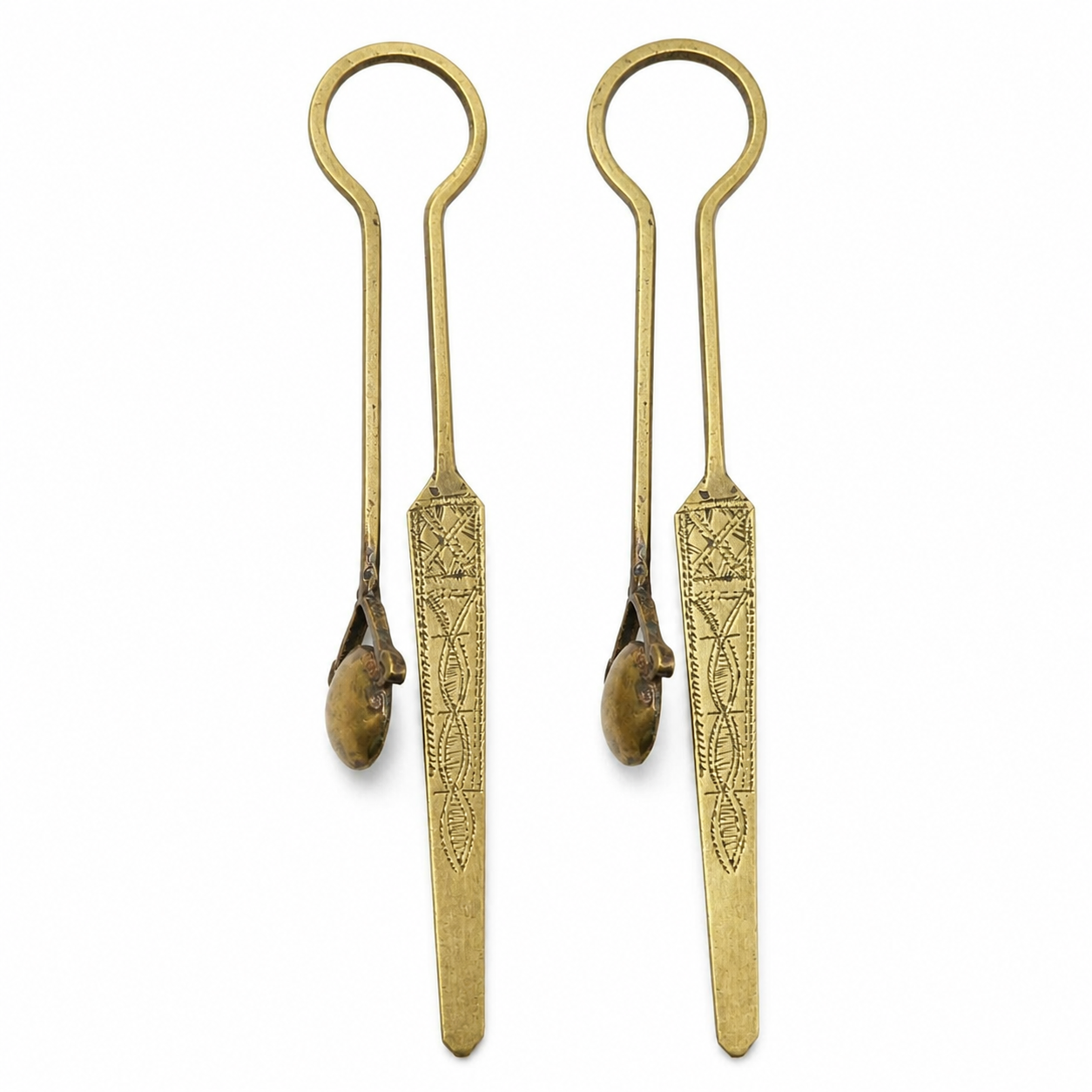
Silver jewelry is another important craft. Traditional necklaces, bracelets, and fibula brooches may include geometric shapes and decorative elements that represent regional identity and personal meaning.
Other crafts include pottery, leatherwork, wood carving, and textile production. These skills are not only economic activities but also methods of preserving knowledge passed between generations.
Music, Festivals, and Community Celebrations
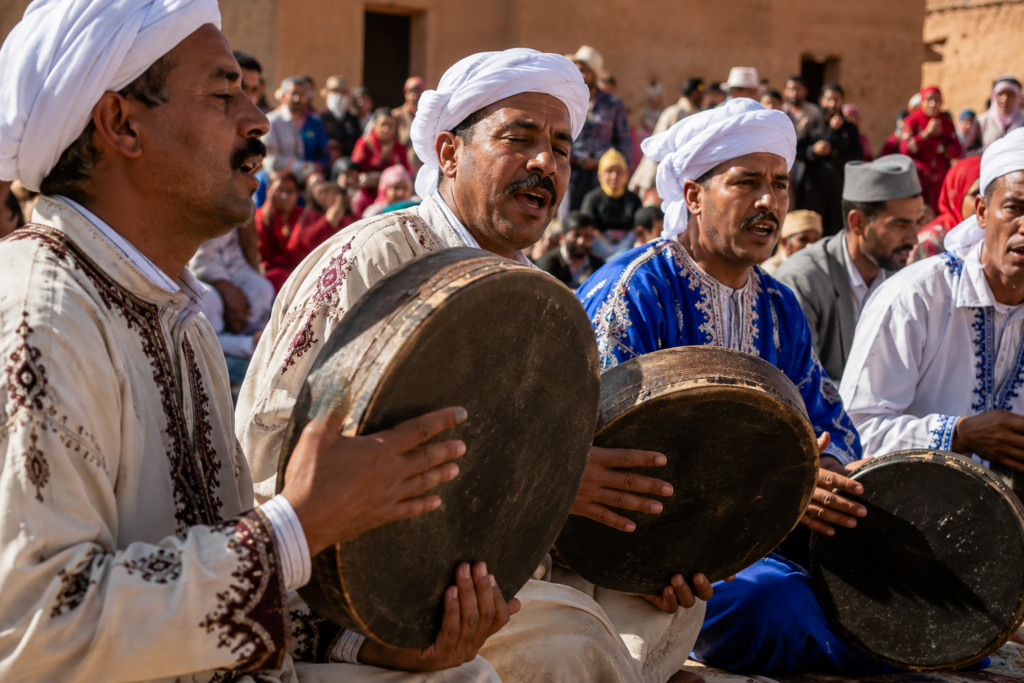
Music and dance play a central role in Amazigh social life. Performances are often connected with celebrations, weddings, seasonal events, and community gatherings where stories and traditions are shared.
Ahwash and Ahidous are among the best-known Amazigh group performances. These traditions combine rhythmic movement, singing, and instruments such as drums to create collective expressions of identity and unity.
Traditional instruments, including the bendir frame drum and ribab, accompany songs that may explore themes of history, emotions, community values, and everyday experiences.
Festivals such as Yennayer, the Amazigh New Year, provide opportunities for communities to celebrate heritage through food, music, and gatherings. Seasonal celebrations connected with agriculture also reflect the importance of nature and changing cycles.
Hospitality and Social Values in Amazigh Communities
Hospitality is one of the most recognized values associated with Amazigh communities. Welcoming guests, sharing meals, and offering mint tea are important expressions of friendship and respect.
Family and community relationships remain central to social life. Elders often play an important role in preserving knowledge, traditions, and oral histories that connect younger generations with their heritage.
Storytelling continues to be an important cultural practice. Through stories, songs, and conversations, communities preserve memories, values, and lessons about life in the mountains.
Modern Life and the Future of High Atlas Heritage
Amazigh communities in the High Atlas continue to experience social and economic changes. Education, technology, migration, and tourism have transformed many aspects of daily life, but cultural traditions remain important sources of identity.
Responsible tourism can support local communities by creating opportunities for artisans, guides, and small businesses while encouraging respect for cultural practices. Visiting mountain villages offers travelers a chance to understand Amazigh heritage as a living culture rather than only a historical subject.
Today, Amazigh traditions continue to evolve. New generations combine ancestral knowledge with contemporary experiences, ensuring that the languages, crafts, and values of the High Atlas remain meaningful in modern Morocco.
The Role of Women in High Atlas Cultural Preservation
Amazigh women have played a central role in maintaining and transmitting cultural knowledge throughout generations. Their contributions extend beyond household responsibilities and include craftsmanship, agricultural activities, food preparation, and the preservation of oral traditions.
Textile production is one of the most visible examples of this cultural role. Through weaving carpets, blankets, and clothing, women preserve regional patterns and techniques that reflect the history of their communities. The designs created in textiles often carry artistic meanings connected to identity, nature, and local traditions.
Women also contribute to the preservation of language and storytelling. Family gatherings have traditionally provided spaces where songs, tales, and cultural teachings are shared with younger generations, helping maintain connections between the past and present.
Food Traditions and Mountain Cuisine
Local Ingredients and Seasonal Knowledge
Amazigh cuisine in the High Atlas is closely connected to the environment. Mountain communities have traditionally relied on locally available ingredients, including grains, vegetables, herbs, dairy products, nuts, and seasonal fruits.
Traditional meals reflect adaptation to mountain conditions. Barley, wheat, olives, almonds, and walnuts are important agricultural products in many areas, while livestock provides milk, butter, meat, and other essential resources.
Shared Meals as Community Expressions
Food is also an important social activity. Preparing and sharing meals strengthens relationships between families and guests. Dishes such as couscous and tagine are often associated with gatherings, celebrations, and moments of hospitality.
The preparation of food carries knowledge about farming, preservation methods, and seasonal cycles. Recipes are often passed through families, allowing culinary traditions to remain connected to local history.
Traditional Knowledge and Environmental Adaptation
Life in the High Atlas requires a detailed understanding of the natural environment. Amazigh communities have developed knowledge about mountain ecosystems, including weather patterns, plant uses, water sources, and agricultural timing.
Traditional practices demonstrate how communities adapted to limited resources. The construction of irrigation systems, the use of local building materials, and careful management of farmland helped people maintain settlements in challenging landscapes.
This knowledge continues to influence modern approaches to sustainability. Preserving traditional environmental practices can provide valuable lessons about living in harmony with fragile mountain ecosystems.
Heritage Tourism and Cultural Exchange
The High Atlas has become an important destination for visitors interested in Morocco’s cultural diversity. Mountain villages, trekking routes, local markets, and community experiences provide opportunities to learn about Amazigh traditions.
Cultural tourism can create benefits when it supports local communities and respects their customs. Buying handmade products directly from artisans, using local guides, and learning about traditions with respect can contribute to preserving heritage.
However, Amazigh culture is not only a tourism attraction. It remains a living identity shaped by families, communities, and individuals who continue to practice and adapt their traditions in everyday life.
Protecting Amazigh Heritage for Future Generations
The preservation of High Atlas heritage involves maintaining languages, supporting traditional crafts, documenting oral histories, and creating opportunities for younger generations to engage with their culture.
Modern education and cultural initiatives have helped increase awareness of Amazigh history and traditions. At the same time, communities continue to find their own balance between preserving inherited knowledge and embracing new opportunities.
The future of Amazigh heritage depends on recognizing it as a dynamic culture. Its strength comes not only from ancient traditions but also from the ability of communities to continue creating, adapting, and sharing their identity in a changing world.
Conclusion
The Amazigh heritage of Morocco’s High Atlas Mountains reflects a deep connection between people, culture, and landscape. Through architecture, agriculture, crafts, music, and community traditions, Amazigh societies continue to preserve a remarkable cultural legacy shaped by centuries of adaptation.




 No products in the cart.
Comments (21)