
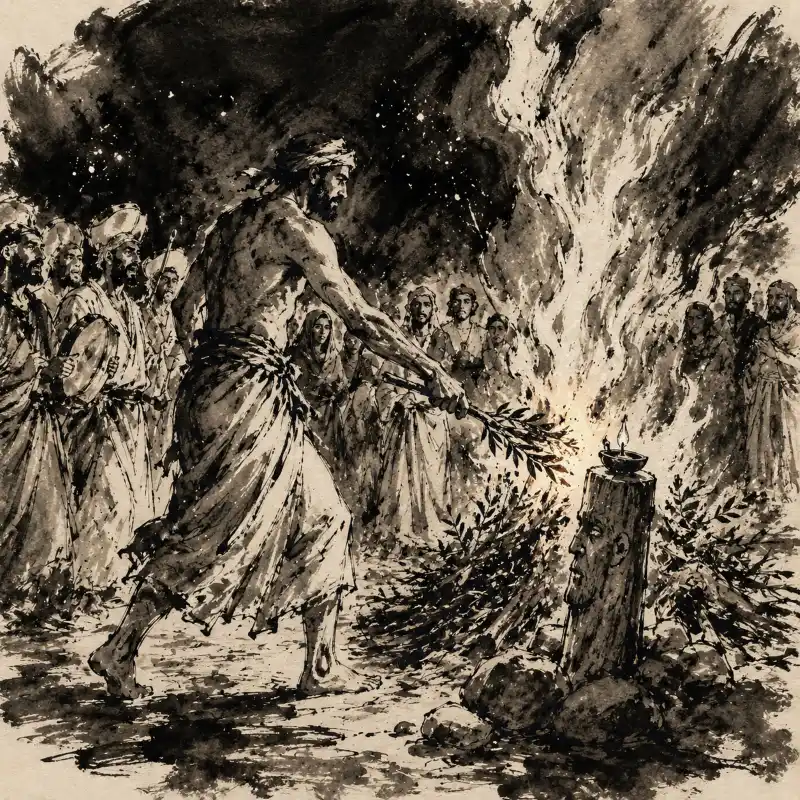
Among the many traditions recorded from Amazigh communities in Morocco, the ritual of Taliza stands out as a fascinating example of how ancient symbols, seasonal celebrations, and local beliefs became woven together. Described in early twentieth-century ethnographic records, the ceremony involved two wooden figures brought out only during Ashura, a period already important in many Muslim communities.
Taliza and the Hidden World of Amazigh Ritual Traditions
Taliza’s ceremony reflects a historical moment when local customs preserved memories of older relationships between humans, nature, and agricultural cycles. The ritual was not simply a celebration but a complex sequence involving sacrifice, fire, water, processions, songs, and symbolic objects.
The wooden idols remained hidden for most of the year and appeared only during the annual event. Their limited public presence increased their importance and connected them with a special time of renewal and communal gathering.
Historical descriptions of Taliza also demonstrate the difficulty of interpreting old rituals. Some meanings were already unclear to the people who practiced them, showing how traditions can survive even when parts of their original explanations have changed.
Ashura, Community, and the Ritual of Fire
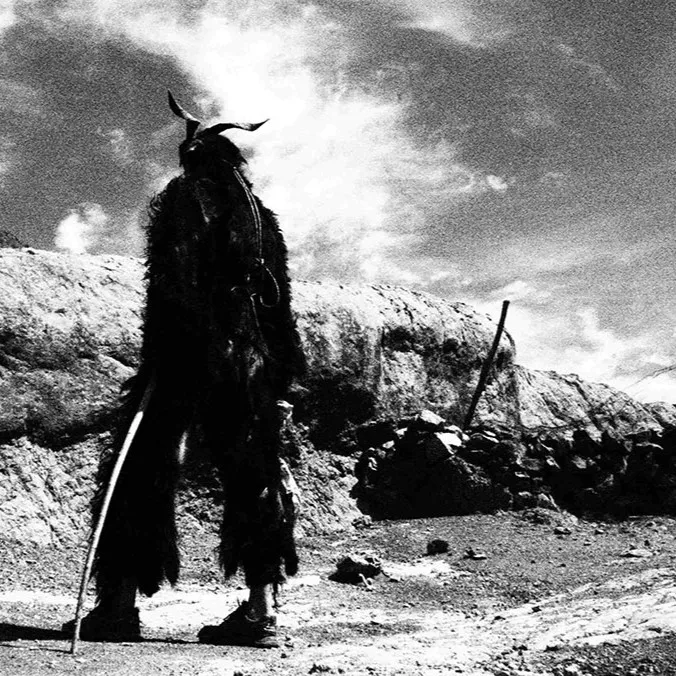
The ceremony began with preparations connected to sacrifice and communal sharing. A cow was sacrificed, and the meat was distributed among households, reinforcing social bonds and collective participation.
The use of a large fire was one of the most visible parts of the celebration. Fire has often carried symbolic importance in seasonal traditions, representing transformation, purification, warmth, and renewal.
The ritual fire also created a shared public moment where different members of the community participated. Songs, movement, and gatherings around flames transformed the event into a collective expression of identity.
The First Idol and the Symbolism of Fire

The first wooden figure described in Taliza was a simple object associated with the fire ceremony. Although its exact historical meaning remains uncertain, its role connected it with symbolic actions performed around the flames.
The figure was treated carefully before being brought into the public space. Traditional practices involving green plants and lamps suggest possible connections with fertility, renewal, and the agricultural importance of seasonal cycles.
Researchers studying such traditions have often noted that symbols can preserve multiple layers of meaning. A single object may represent religious ideas, agricultural hopes, community memory, and local interpretations at the same time.
The Bride of Water and the Importance of Rivers
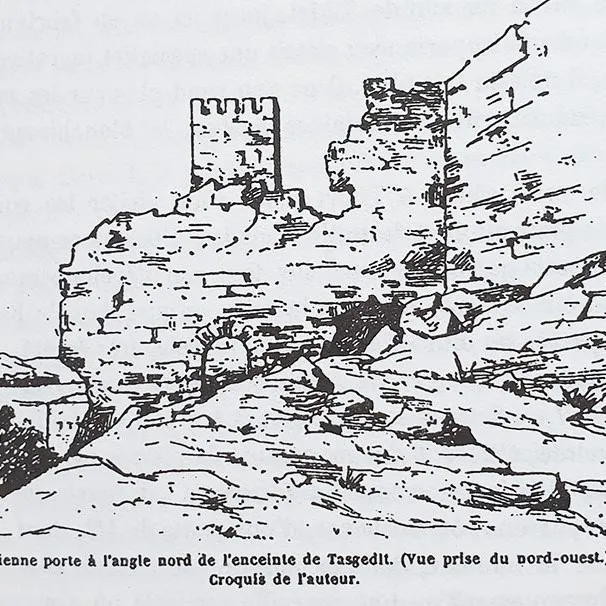
The second figure of Taliza, known as Taslit or “the Bride,” was associated with water. Unlike the simpler first idol, this figure had a more human-like appearance and participated in rituals connected with washing and public celebrations.
The movement from fire to water created a symbolic contrast. Fire represented one stage of the ceremony, while water introduced another element connected with life, fertility, and renewal.
The relationship between communities and water has always been significant in many Amazigh regions. Rivers, springs, and irrigation systems were essential for agriculture, making water an important element in cultural imagination.
Agricultural Meanings Behind the Ceremony
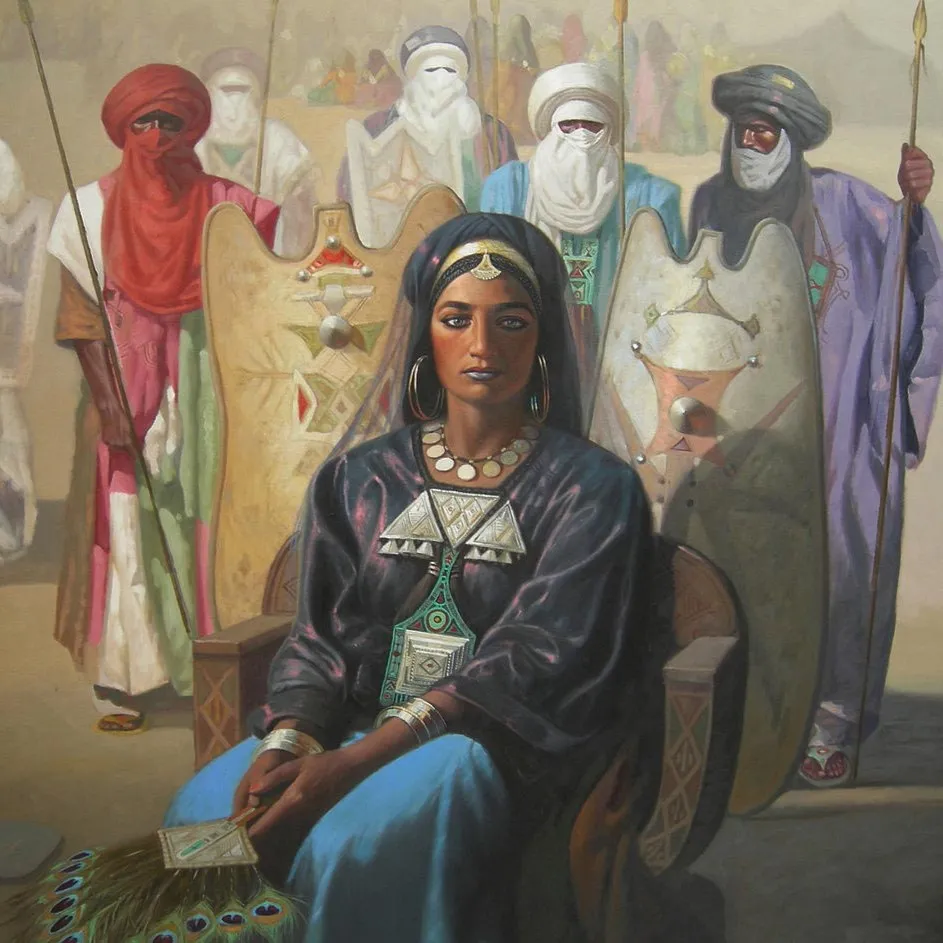
Several elements of the Taliza ritual suggest connections with agricultural concerns. The sacrifice, plants, fire, and water all relate to themes of fertility and hopes for a successful year.
Traditional societies dependent on farming often developed ceremonies connected with seasons, rainfall, harvests, and the renewal of nature. These practices helped communities express their relationship with the environment.
Rather than viewing such rituals as isolated customs, they can be understood as part of a wider cultural system where agriculture, spirituality, and social organization were closely connected.
The Challenge of Understanding Ancient Traditions
The interpretation of Taliza requires caution. Historical observers recorded what they saw, but the meanings of rituals are not always fully accessible from outside descriptions.
Symbols can change over time, and communities may continue performing traditions while adapting their explanations. This does not make them less meaningful; instead, it shows how cultural practices survive through transformation.
The Taliza idols provide an example of how material objects can preserve memories of beliefs, even when their original context becomes partially forgotten.
Taliza as a Window into Amazigh Cultural Memory
The importance of Taliza lies not only in the unusual presence of wooden idols but also in what the ceremony reveals about relationships between people and their surroundings.
It reflects themes found throughout Amazigh heritage: respect for natural forces, importance of community participation, connection with agricultural cycles, and preservation of inherited traditions.
Although many historical rituals have disappeared or changed, records of ceremonies such as Taliza allow researchers and communities to explore the diversity and depth of Amazigh cultural history.
The Role of Oral Memory in Preserving Taliza’s Story
Many traditional ceremonies were preserved not through written records but through the memories of community members. Songs, stories, repeated actions, and family explanations allowed important cultural practices to continue across generations.
For rituals such as Taliza, oral transmission was especially important because the meaning of symbols could change gradually. Each generation inherited the ceremony while adding its own understanding based on the social and environmental conditions of the time.
This relationship between memory and practice is a key feature of Amazigh heritage. Cultural knowledge was often carried through everyday life rather than stored only in formal institutions.
Fire and Water as Opposite but Connected Forces
Two elements shaping human life
The presence of both fire and water in Taliza creates a symbolic balance. These elements appear opposite: fire transforms and consumes, while water nourishes and sustains. Yet both are essential forces in agricultural societies.
Communities living in rural Morocco have historically depended on understanding natural cycles. Fire could represent warmth, preparation, and renewal, while water represented fertility, crops, and continuity of life.
The combination of these themes helps explain why ceremonies involving natural elements appear in many traditional societies. They express human dependence on forces that cannot be fully controlled.
Community Participation and Social Organization
The Taliza ceremony was not only about the idols themselves. Its structure involved different members of the community taking specific roles, from preparing offerings to carrying out symbolic actions.
Such rituals helped strengthen relationships between families and neighbors. Shared ceremonies created moments where collective identity was renewed and social connections were reinforced.
In many traditional communities, festivals and rituals also provided opportunities for younger generations to learn customs from older members. Participation became a form of cultural education.
The Importance of Studying Forgotten Rituals
Historical ceremonies like Taliza provide valuable information about the diversity of Amazigh traditions. They show that cultural heritage includes not only architecture, language, and crafts but also beliefs, performances, and seasonal practices.
Studying these traditions requires attention to historical context. Researchers must consider when descriptions were recorded, who observed the practices, and how communities themselves understood their customs.
Careful study helps avoid reducing complex traditions to simple symbols. A ritual may contain religious, agricultural, social, and artistic dimensions at the same time.
Taliza and the Wider Heritage of Amazigh Morocco
The Taliza ceremony belongs to a broader landscape of Amazigh cultural expressions found across Morocco. Different regions developed their own festivals, stories, symbols, and relationships with nature.
Although local traditions varied, many shared common themes: respect for ancestors, cooperation between community members, and awareness of seasonal changes.
From mountain villages to oasis regions, Amazigh heritage demonstrates how communities created cultural systems adapted to their environments while maintaining strong social bonds.
Remembering Intangible Cultural Heritage
Unlike buildings or objects that can remain visible for centuries, rituals depend on people continuing to perform and explain them. When practices disappear, valuable knowledge about history and identity can also be lost.
The study of Taliza highlights the importance of documenting intangible heritage. Recording traditions, languages, songs, and oral histories helps future generations understand the richness of Morocco’s cultural past.
Forgotten rituals are not only memories of the past. They provide insight into how earlier communities understood nature, society, and their place within the world.
Conclusion
The idols of Taliza represent a remarkable fragment of Amazigh ritual memory. Through fire, water, agricultural symbolism, and communal participation, the ceremony reveals a world where nature and society were deeply connected. Its mystery remains part of its cultural value, reminding us that traditions can carry meanings across generations even when some parts of their origins are lost.


 No products in the cart.
Comments (23)