


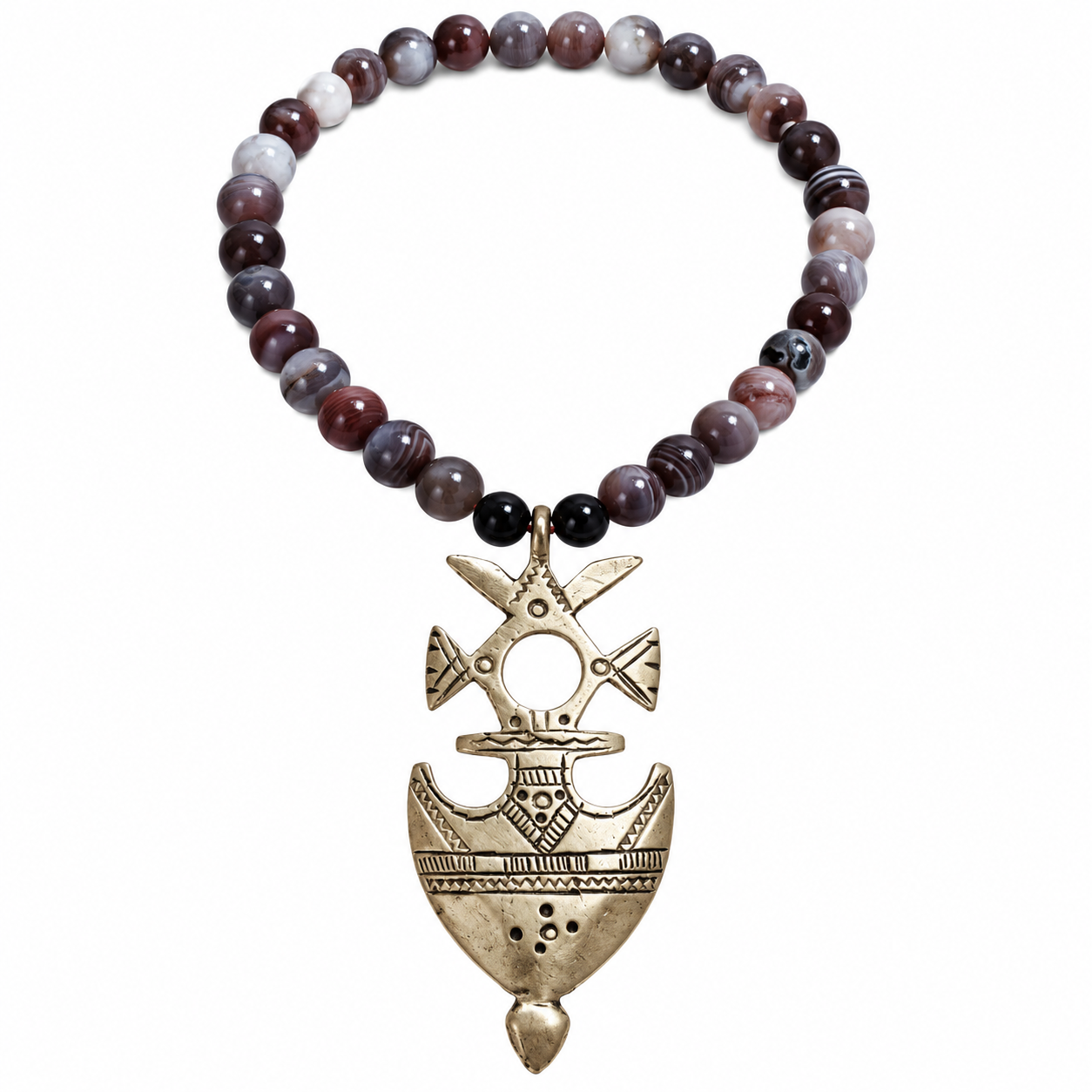

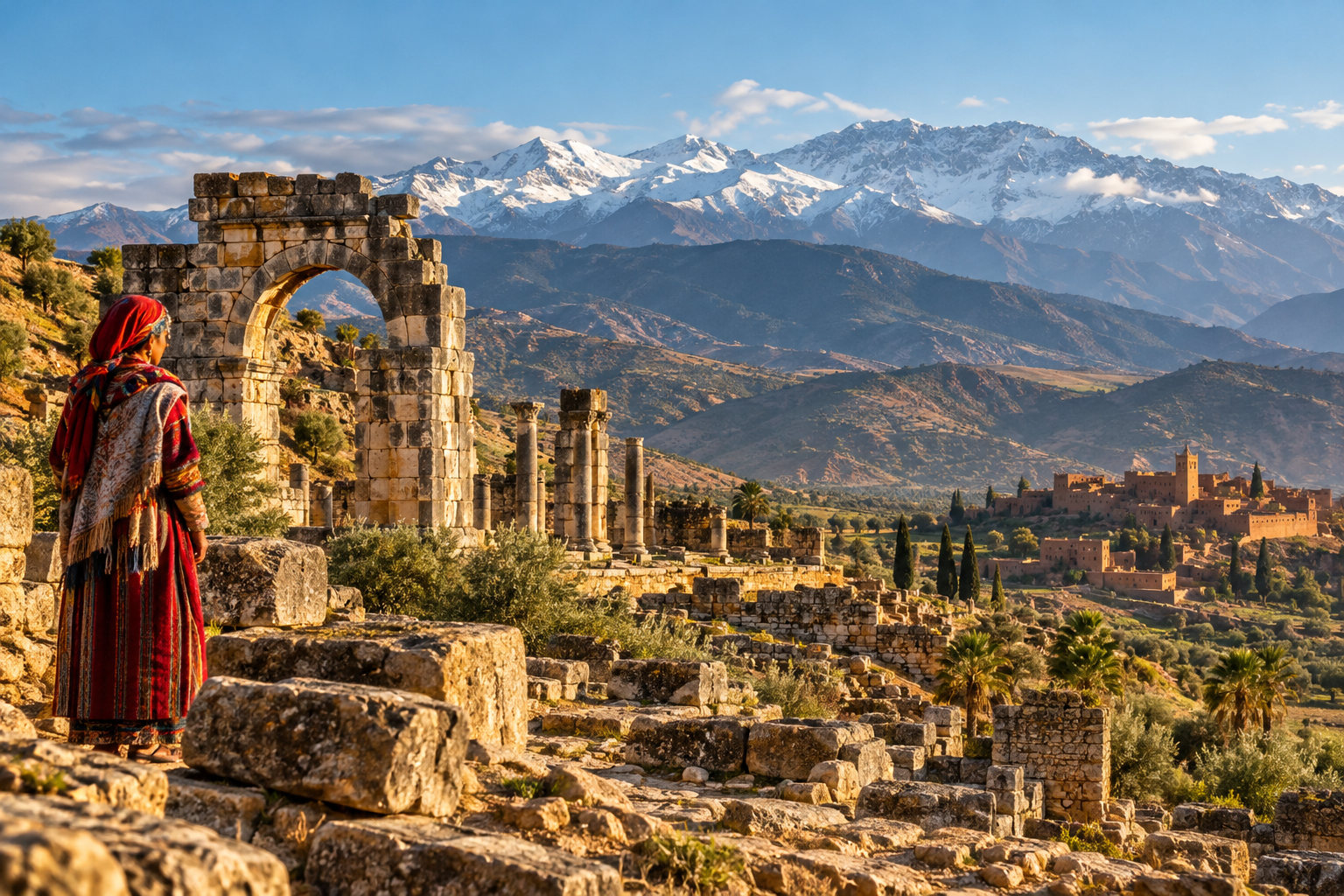
Amazigh history is the story of one of North Africa’s oldest cultural traditions, shaped by thousands of years of migration, adaptation, political change, and cultural continuity. Amazigh communities have lived across regions that include modern Morocco, Algeria, Tunisia, Libya, Egypt, and the Sahara. Their history includes ancient kingdoms, interactions with Mediterranean civilizations, Islamic dynasties, colonial transformations, and modern movements to preserve language and heritage.
Understanding Amazigh History Through Time
Studying Amazigh history requires understanding that ancient names and modern identities do not always perfectly match. Ancient writers used different terms for North African populations, and the modern word Amazigh describes a broad range of communities with diverse languages and traditions.
Historical evidence comes from archaeology, inscriptions, written records from neighboring civilizations, oral traditions, and modern research. Because sources were often created by outside observers, historians continue to examine different interpretations of North Africa’s past.
Ancient North Africa Before Roman Rule
North Africa has been inhabited for thousands of years by populations whose descendants include Amazigh communities. Archaeological discoveries reveal long histories of agriculture, trade, settlement, and cultural exchange across the region.
Ancient North Africa was connected to the wider Mediterranean world. Coastal areas interacted with civilizations including the Phoenicians, whose settlement of Carthage in the first millennium BCE created a major political and commercial power in present-day Tunisia.
Inland communities maintained their own social structures and traditions while participating in regional trade networks. The relationship between coastal powers and local populations changed over centuries, creating a complex history of cooperation and conflict.
Numidia and Ancient Amazigh Kingdoms
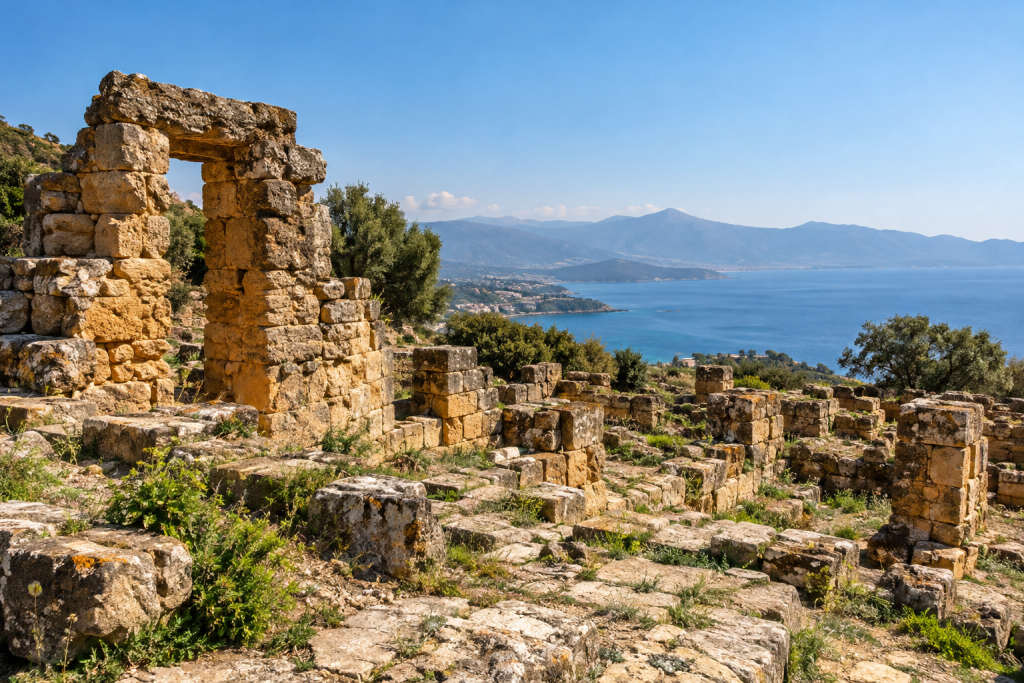
One of the most important ancient states connected with Amazigh history was Numidia. Located mainly in parts of modern Algeria and Tunisia, Numidia became a significant kingdom in the ancient Mediterranean world.
Numidian rulers interacted with Carthage and Rome, and Numidia became involved in wider Mediterranean political struggles. During the Second Punic War between Rome and Carthage (218–201 BCE), Numidian groups played important roles in regional alliances.
The ancient kingdom of Numidia demonstrates that North African societies were not isolated communities but active participants in Mediterranean history. However, historians avoid treating Numidia as identical to all modern Amazigh identities because ancient political categories and present-day cultural identities developed in different historical contexts.
Roman North Africa and Cultural Interaction
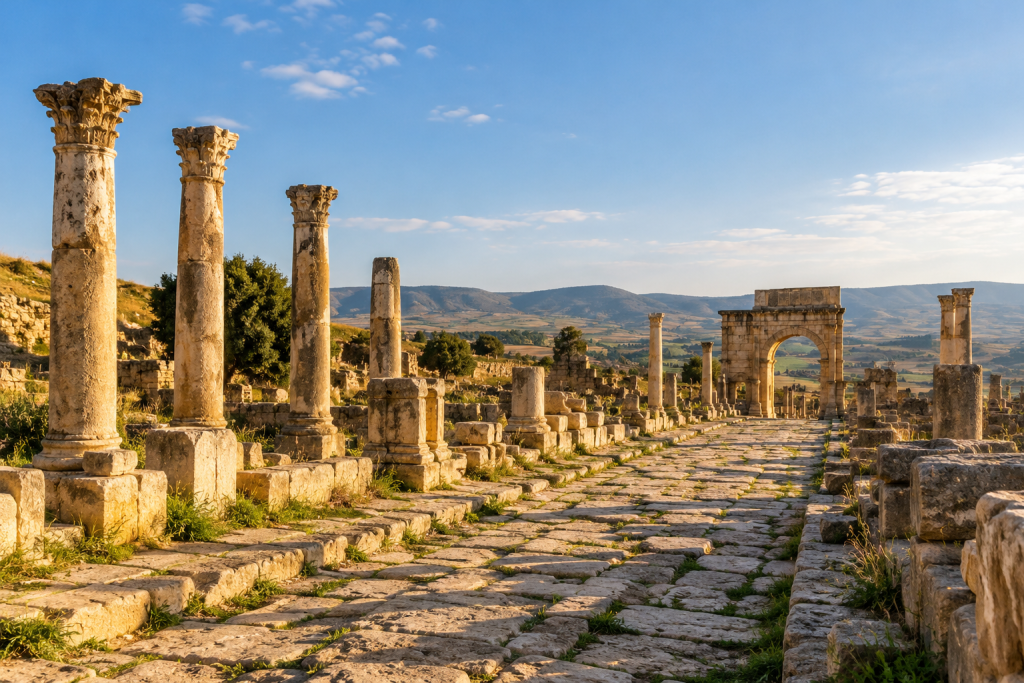
Rome expanded into North Africa after defeating Carthage in 146 BCE. Roman rule gradually spread across parts of the region, creating provinces with cities, roads, agricultural estates, and military centers.
Roman North Africa became one of the empire’s important regions. Some local elites adopted Roman languages and customs, while many communities maintained local traditions. Cultural exchange occurred in architecture, religion, trade, and administration.
During this period, North Africa produced influential figures in Roman history and Christianity. The region was not culturally uniform; urban centers and rural communities often experienced Roman influence differently.
Christianity, Late Antiquity, and Changing Societies
Before the spread of Islam, Christianity became an important religion in parts of Roman and post-Roman North Africa. Cities such as Carthage became major centers of Christian scholarship and religious life.
The centuries after Roman political control weakened were marked by changes involving the Vandals, Byzantines, and local powers. These transitions created a diverse landscape where different languages, religions, and political systems existed together.
The Arrival of Islam and New Political Landscapes
From the 7th century onward, Arab Muslim armies entered North Africa. The process of Islamization developed over centuries and was not a single event. Local communities gradually adopted Islam in different ways, while Arabic became increasingly important in administration, scholarship, and daily life in many areas.
Amazigh communities played significant roles in the political and cultural history of Islamic North Africa. Some Amazigh groups supported, opposed, or negotiated with different ruling powers depending on regional circumstances.
Amazigh Dynasties of the Medieval Period
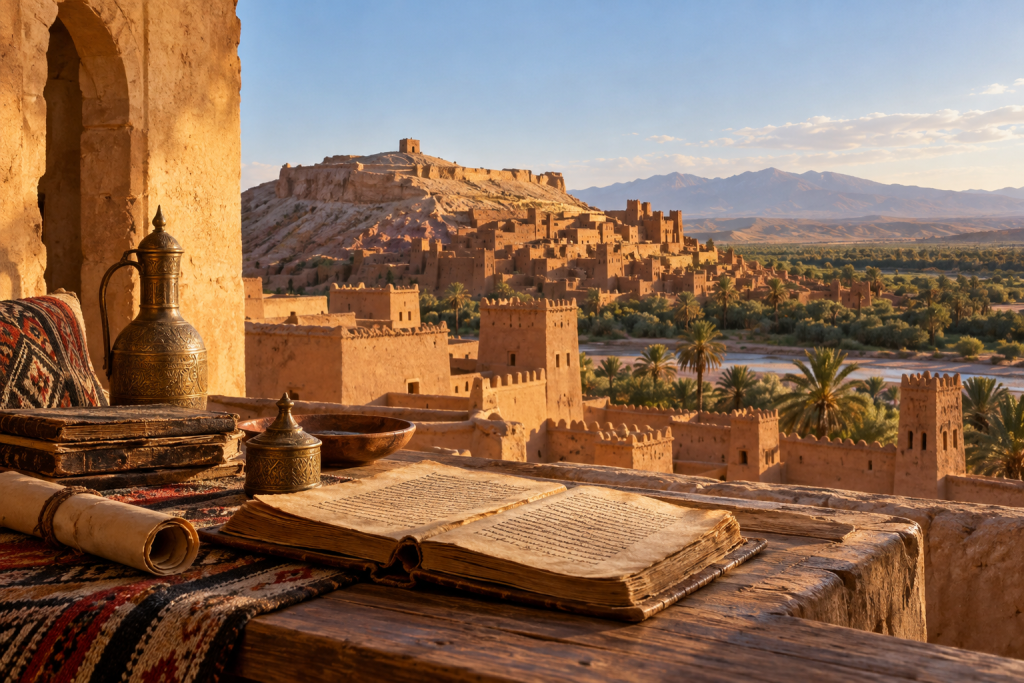
Several important medieval dynasties that ruled parts of North Africa and the Iberian Peninsula had Amazigh origins. These included the Almoravids and Almohads, who created powerful states between the 11th and 13th centuries.
The Almoravid movement emerged in the western Sahara and expanded across Morocco and parts of the Iberian Peninsula. The Almohads later established another major empire centered in North Africa and influenced political and intellectual life across the western Mediterranean.
Amazigh Societies Under Different Rulers
Throughout history, Amazigh communities lived under many political systems, including local kingdoms, Islamic dynasties, Ottoman influence in some regions, and European colonial administrations.
Political control changed frequently, but cultural practices such as language, oral literature, agricultural knowledge, crafts, and local customs continued in many communities.
The Colonial Period and Its Impact
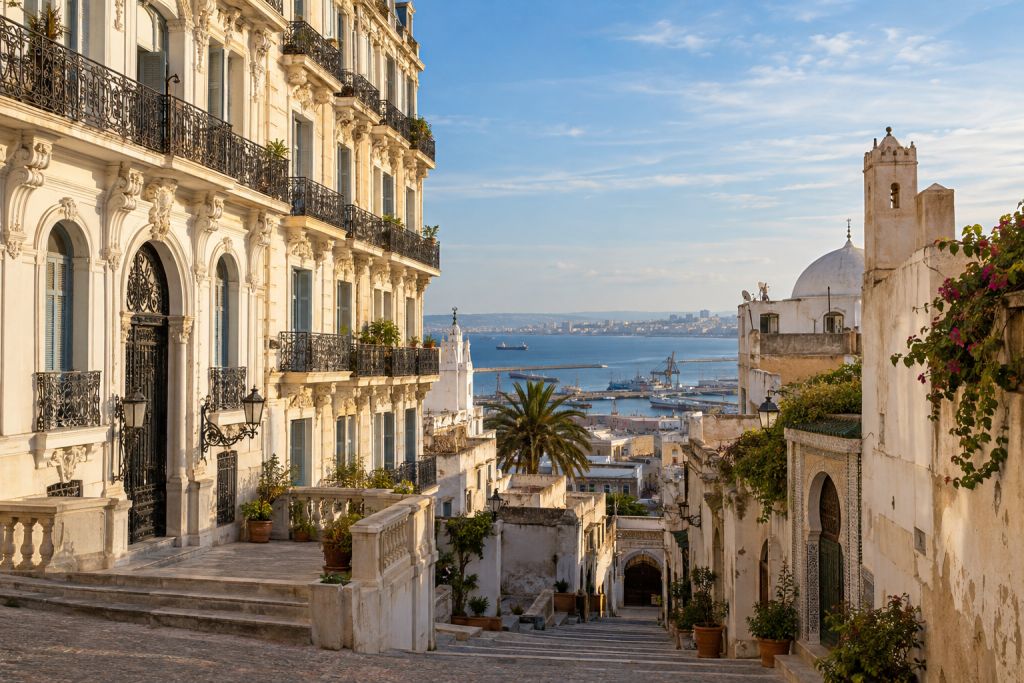
During the 19th and 20th centuries, European colonial powers established control over much of North Africa. France controlled Algeria, Morocco, and Tunisia at different periods, while Italy colonized Libya and Spain controlled certain territories.
Colonial governments often studied and categorized local communities according to their own administrative systems. These classifications sometimes influenced later discussions about identity and history.
The colonial period also brought changes in education, law, language use, and economic structures. Amazigh communities experienced these transformations differently depending on their location.
Modern Amazigh Cultural Movements
In the 20th and 21st centuries, Amazigh cultural movements have focused on preserving languages, promoting cultural expression, and increasing recognition of Amazigh heritage.
These movements have supported language education, literature, music, festivals, academic research, and the use of Tifinagh in modern contexts. The goals and approaches of Amazigh organizations vary by country and community.
Language, Identity, and Cultural Continuity
Language remains one of the strongest connections between past and present Amazigh identity. Tamazight languages preserve oral traditions, poetry, historical memory, and regional knowledge.
Modern Amazigh identity combines inherited traditions with contemporary experiences. Many Amazigh people are multilingual and participate in national, regional, and global cultures while maintaining connections to their heritage.
What Changed and What Continued?
- Political power changed: Amazigh communities experienced many forms of government, from ancient kingdoms to modern states.
- Languages evolved: Amazigh languages changed over time while continuing to be spoken across generations.
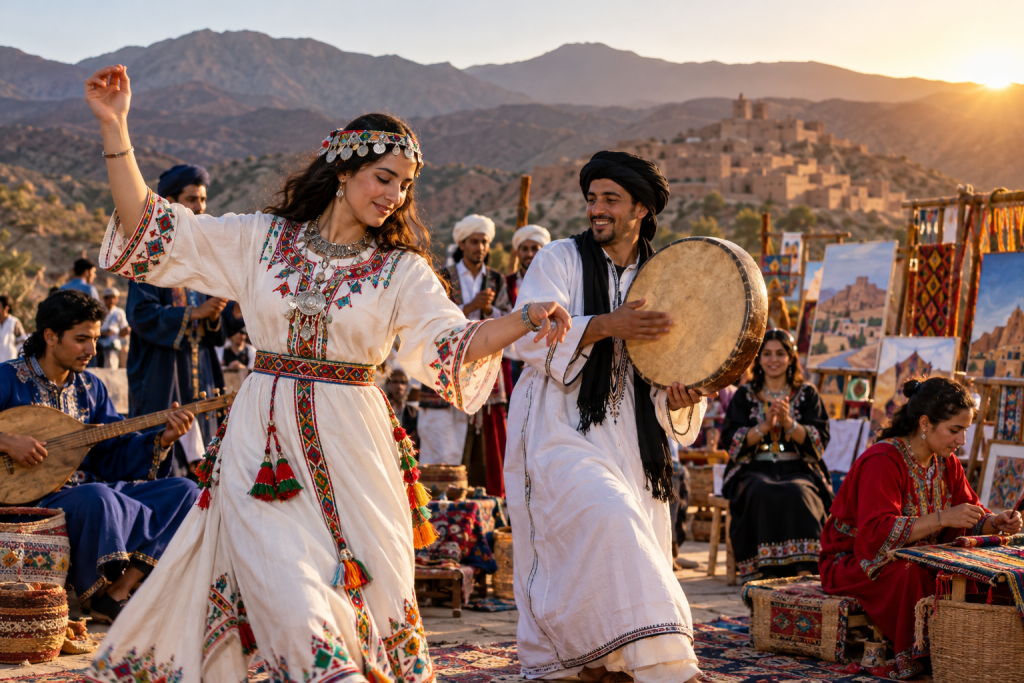
- Cultural expression continued: Music, crafts, storytelling, symbols, and community traditions remained important forms of identity.
- Societies adapted: Amazigh communities responded to religious, economic, and political changes while preserving elements of their heritage.
Why Amazigh History Matters Today
Amazigh history is not only a story of the distant past. It is a living history connected to language, identity, art, food, music, and communities around the world.
Learning about Amazigh history provides a more complete understanding of North Africa. It shows a region shaped by many civilizations and communities, with Amazigh peoples playing important roles throughout centuries of change.
Amazigh Women and Historical Continuity
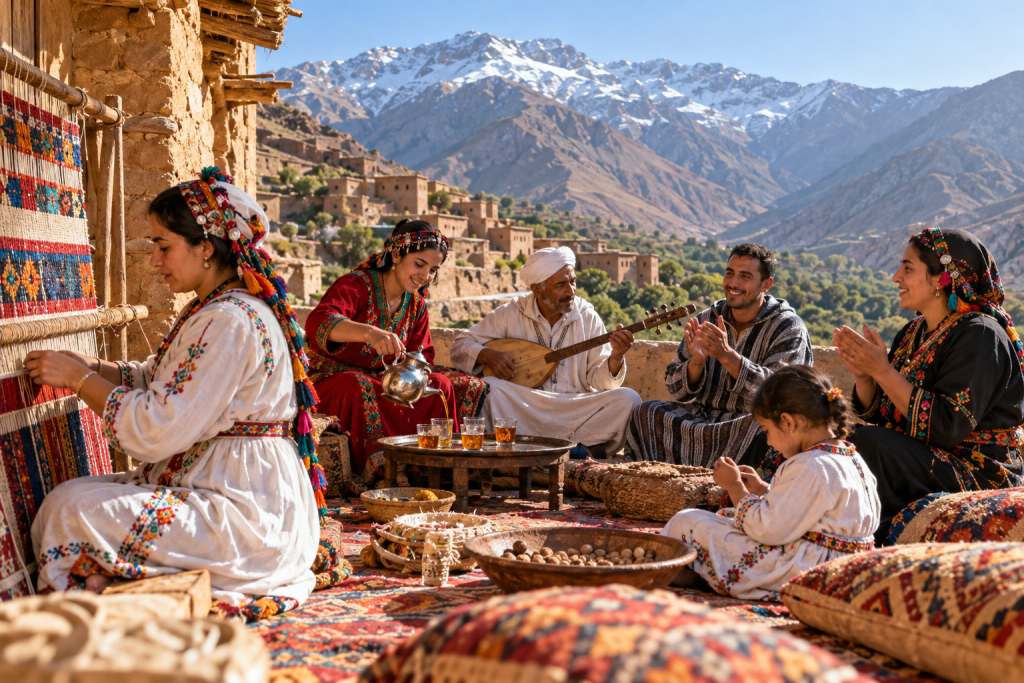
Women have played important roles in preserving and transmitting Amazigh culture throughout history. While experiences differed between communities and historical periods, women often contributed to maintaining language, oral traditions, textile arts, family knowledge, and community practices.
Traditional skills such as weaving, embroidery, food preparation, and storytelling were not only practical activities but also ways of preserving cultural memory. Through these practices, knowledge was passed between generations and adapted to changing circumstances.
Women in Amazigh Social and Cultural Life
Amazigh women have also contributed to literature, music, education, and contemporary cultural movements. Modern researchers increasingly examine women’s experiences to provide a fuller understanding of Amazigh history beyond political events and rulers.
Trade, Agriculture, and Economic Life
Economic activities have shaped Amazigh communities across different landscapes. Mountain farming, oasis agriculture, pastoral activities, craft production, and regional trade all played important roles in local economies.
Communities adapted their practices to their environments. Farmers developed knowledge of local crops and water management, while pastoral groups developed strategies connected with seasonal movement and animal care.
Trade routes crossing North Africa connected Amazigh regions with Mediterranean, Saharan, and sub-Saharan networks. These exchanges influenced languages, materials, artistic styles, and cultural interactions.
The Importance of Oral History
Written records do not capture every aspect of Amazigh history. Oral traditions have preserved family histories, poetry, legends, songs, and accounts of local events.
Oral history requires careful interpretation because stories may change as they are transmitted across generations. However, it remains an essential source for understanding how communities remember their past and define their identity.
Amazigh History as a Living Heritage
Today, Amazigh history continues to develop through education, research, artistic expression, and cultural exchange. Historical knowledge is not only preserved in books and archives but also in languages, crafts, celebrations, and everyday practices.
Understanding Amazigh history means recognizing both continuity and change. Communities have experienced many political and cultural transformations while maintaining connections to earlier generations through shared heritage.
 No products in the cart.
Comments (26)