
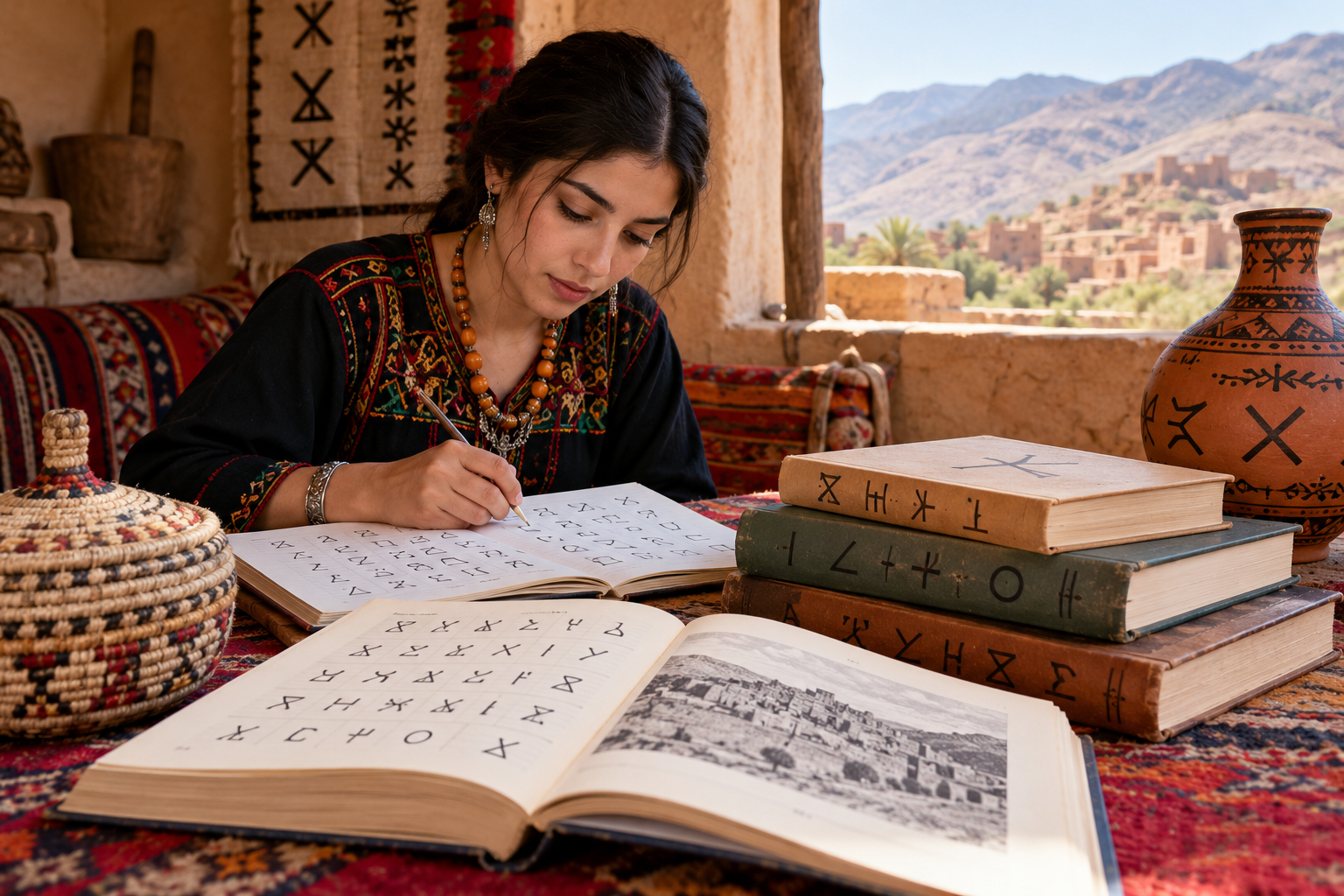
The Tifinagh alphabet is one of the most recognizable symbols of Amazigh identity and language. Used today in cultural, educational, and public contexts, Tifinagh connects modern Amazigh communities with ancient North African writing traditions. However, Tifinagh is not a single unchanged alphabet that has remained identical for thousands of years. Its history includes ancient Libyco-Berber inscriptions, traditional Tuareg writing practices, and modern standardized forms.
What Is the Tifinagh Alphabet?
Tifinagh is a writing system associated with Amazigh languages, which are spoken across North Africa and parts of the Sahara. The name is commonly connected with Amazigh communities, especially Tuareg communities where traditional forms of the script continued to be used.
Today, the term Tifinagh often refers to Neo-Tifinagh, a modern standardized alphabet developed for contemporary Amazigh language use. It is used in education, publishing, cultural projects, and digital communication in some regions.
Because Amazigh languages include many varieties, writing practices can differ. Some communities have historically used Latin or Arabic scripts, while others have used Tifinagh traditions.
The History of Amazigh Writing
The history of Amazigh writing extends back to ancient North Africa. Archaeological evidence includes Libyco-Berber inscriptions found in regions of North Africa, showing that related writing traditions existed before and during periods of contact with Mediterranean civilizations.
These ancient inscriptions provide important evidence of historical languages and communities, but researchers do not assume that every modern Amazigh writing practice directly represents ancient usage without change.
Libyco-Berber Inscriptions and Ancient Forms
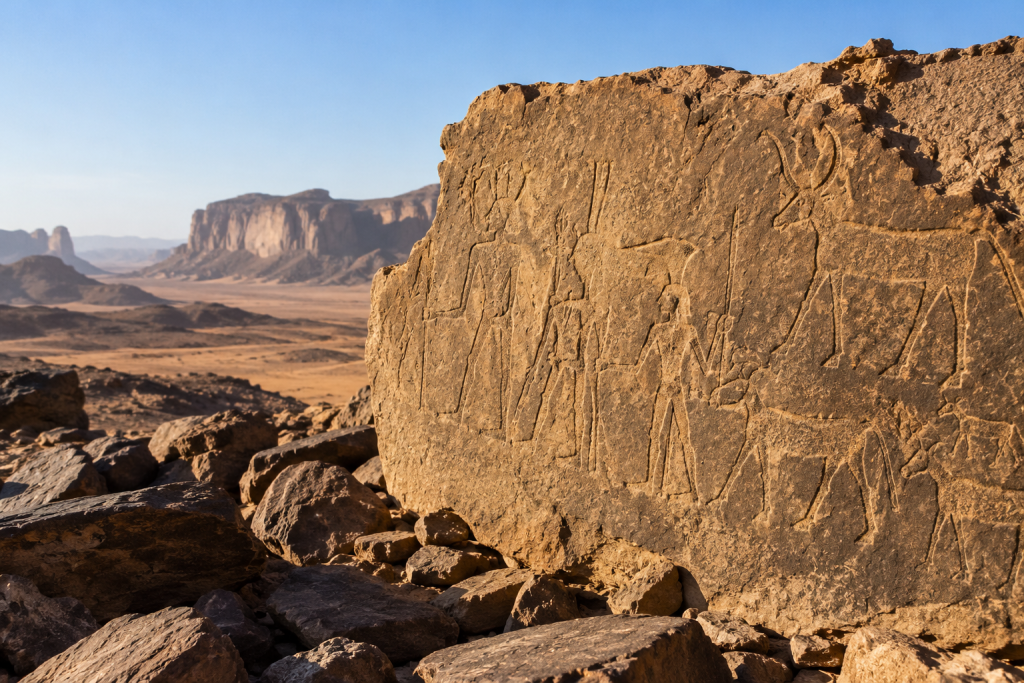
Libyco-Berber refers to ancient inscriptions found across North Africa. These inscriptions are connected with earlier forms of writing that are considered part of the broader history of Tifinagh.
Ancient inscriptions appear in different archaeological contexts, and their interpretation requires specialist study. Not every symbol found on historical objects has a confirmed meaning, and researchers continue examining the relationship between ancient scripts and later Amazigh writing traditions.
Traditional Tuareg Tifinagh
Among Tuareg communities of the Sahara, forms of Tifinagh continued to be used for communication, inscriptions, and cultural expression. Traditional Tuareg Tifinagh developed its own conventions and uses depending on the community.
This continuity is an important part of Tifinagh history, showing that the script was not only an archaeological symbol but also a living writing tradition.
Modern Neo-Tifinagh
Modern Neo-Tifinagh was developed to support contemporary Amazigh language education and publishing. In Morocco, the Royal Institute of Amazigh Culture (IRCAM) contributed to the development and promotion of a standardized Tifinagh alphabet for educational and official use.
Standardization helps create consistent teaching materials, keyboards, fonts, and publications. At the same time, regional language varieties and different writing preferences continue to exist.

Tifinagh Letters and Sounds
Tifinagh letters represent sounds used in Amazigh languages. The exact pronunciation can depend on the language variety, because Amazigh languages include regional differences.
| Tifinagh character | Common Latin representation | General sound example |
|---|---|---|
| ⴰ | a | Similar to the vowel sound in “father” |
| ⴱ | b | Similar to English “b” |
| ⴳ | g | A voiced “g” sound in many varieties |
| ⵎ | m | Similar to English “m” |
| ⵣ | z | Similar to English “z” |
These examples introduce individual characters only. A letter does not automatically reveal the meaning of a word, because meaning depends on the full language context.
How Tifinagh Is Used Today
Tifinagh appears in many modern settings, including schools, books, cultural publications, signs, websites, and digital applications. Its use has increased alongside efforts to support Amazigh language education and visibility.
- Education: Tifinagh is used in teaching materials and language programs in some regions.
- Publishing: Books, magazines, and cultural resources may use Tifinagh alongside other scripts.
- Technology: Unicode support allows Tifinagh characters to appear on computers and mobile devices.
- Public identity: Tifinagh is often displayed in cultural spaces and events.
Tifinagh Fonts and Digital Display
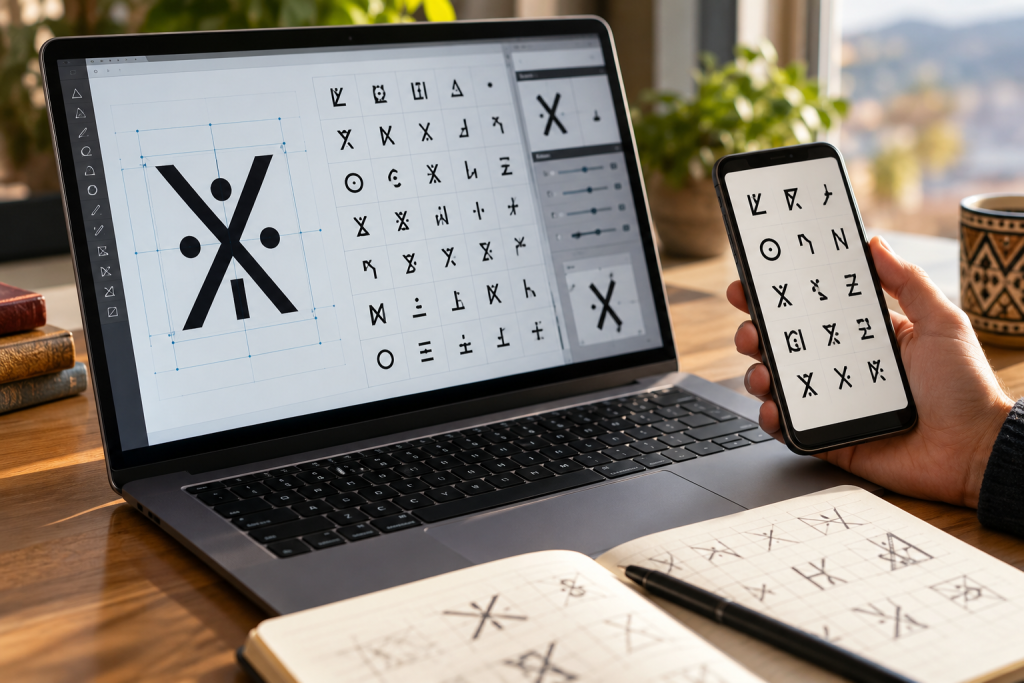
For Tifinagh characters to appear correctly online, devices need appropriate Unicode support and compatible fonts. Modern operating systems and web browsers increasingly support Tifinagh display.
Designers working with Tifinagh should consider readability, correct character encoding, and the difference between educational writing and decorative design.
Practical Tips for Digital Use
- Use Unicode characters rather than images whenever possible for searchable text.
- Choose fonts designed to display Tifinagh clearly.
- Check spelling and language variety before publishing words.
- Avoid presenting decorative symbols as confirmed language text without verification.
Tifinagh Letters Versus Amazigh Decorative Motifs
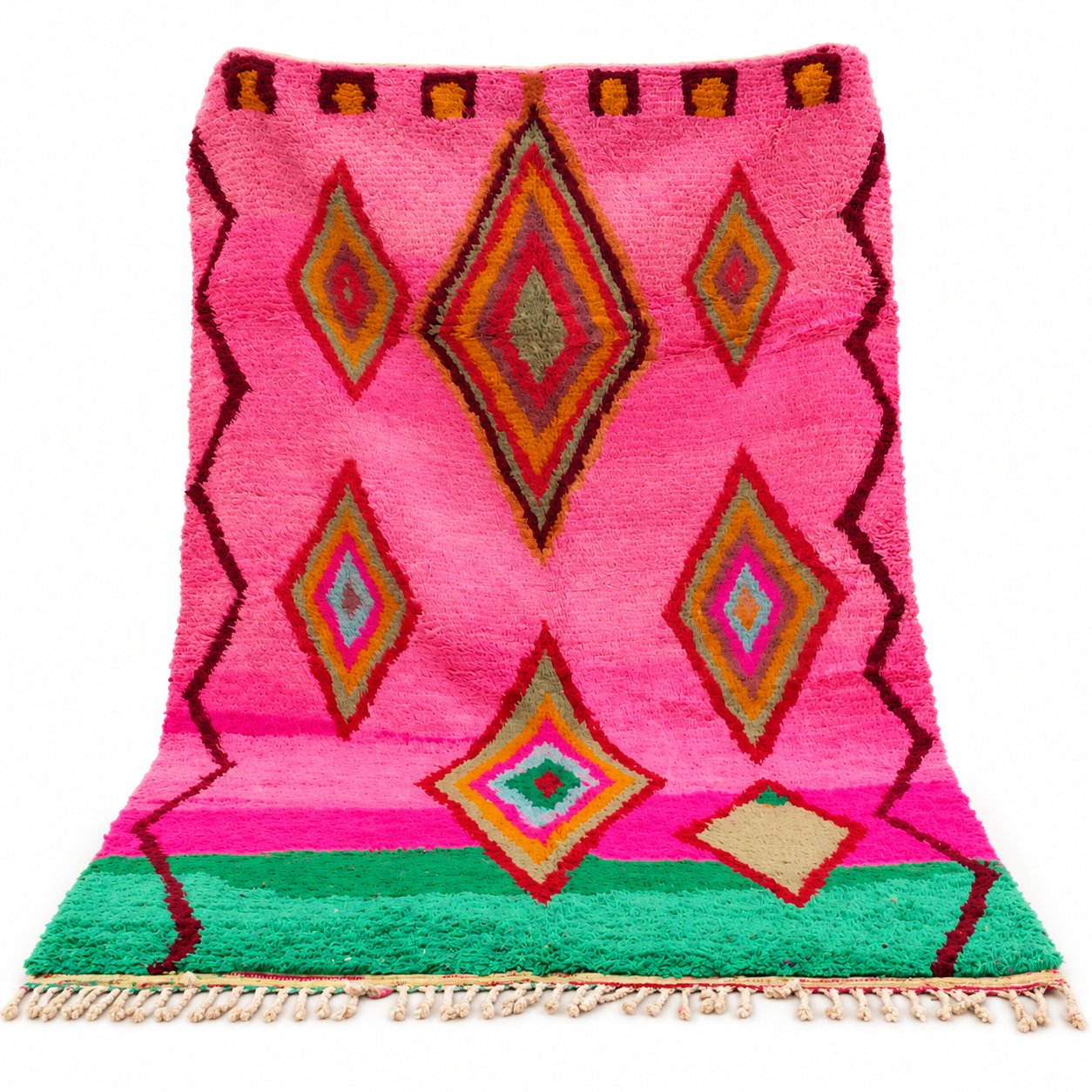
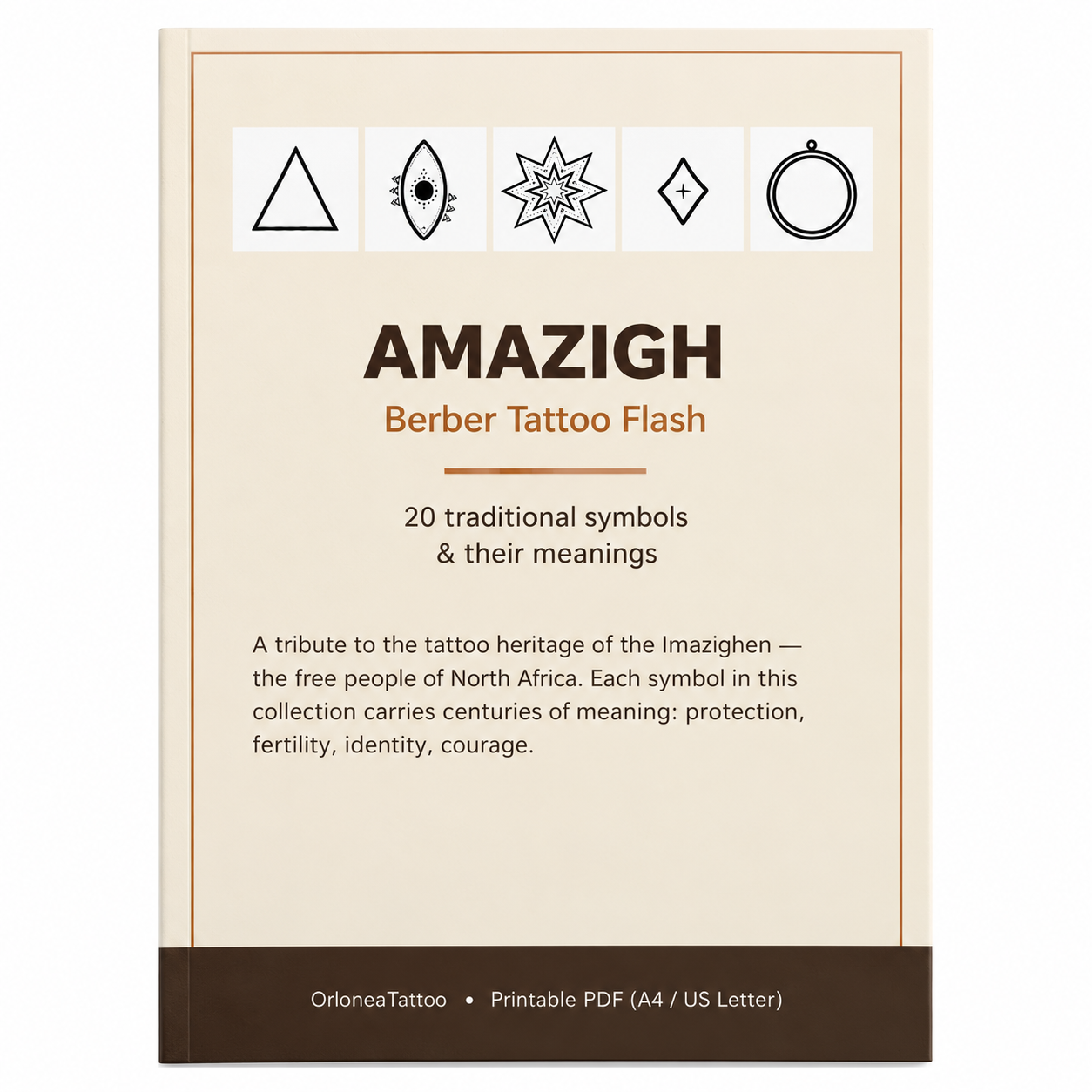
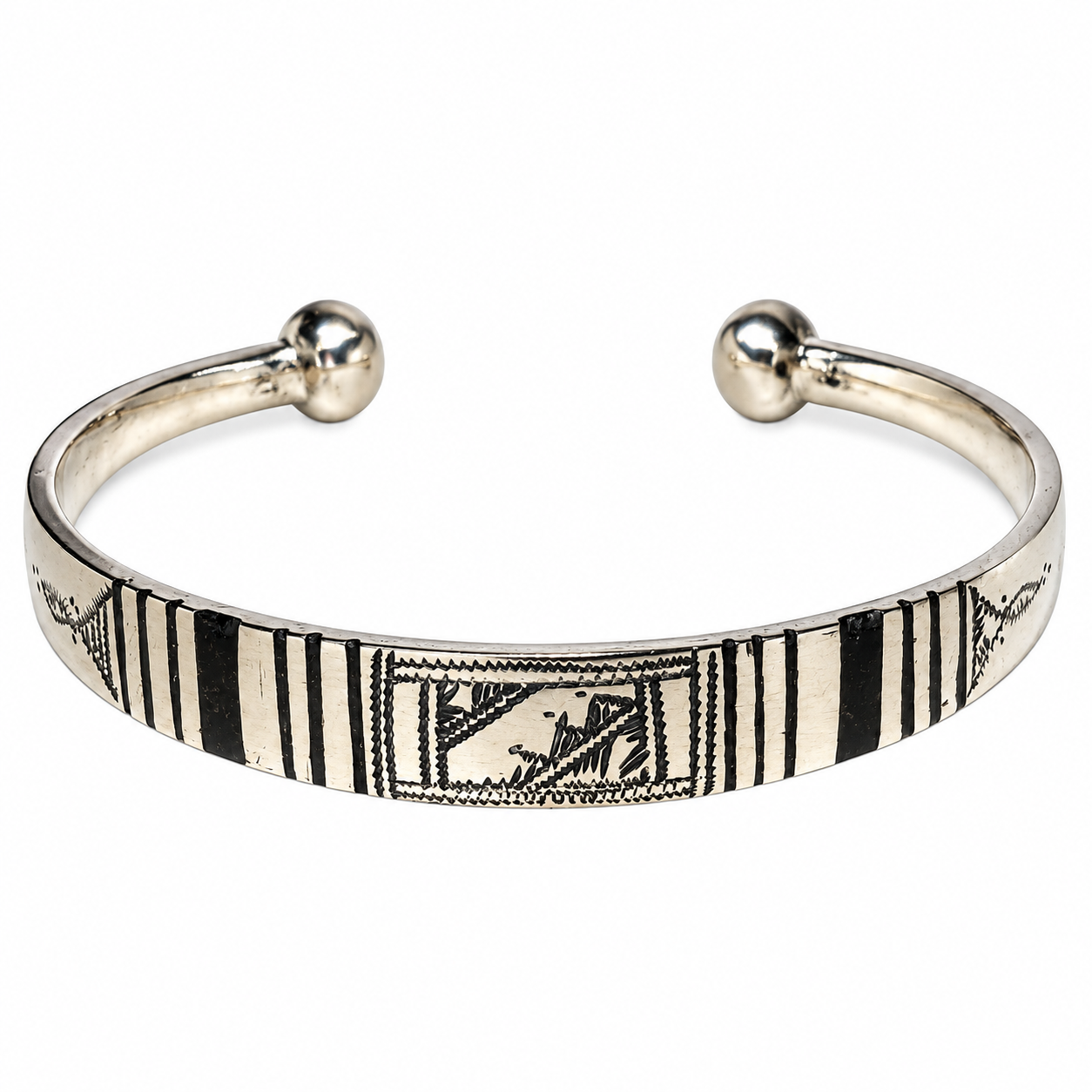
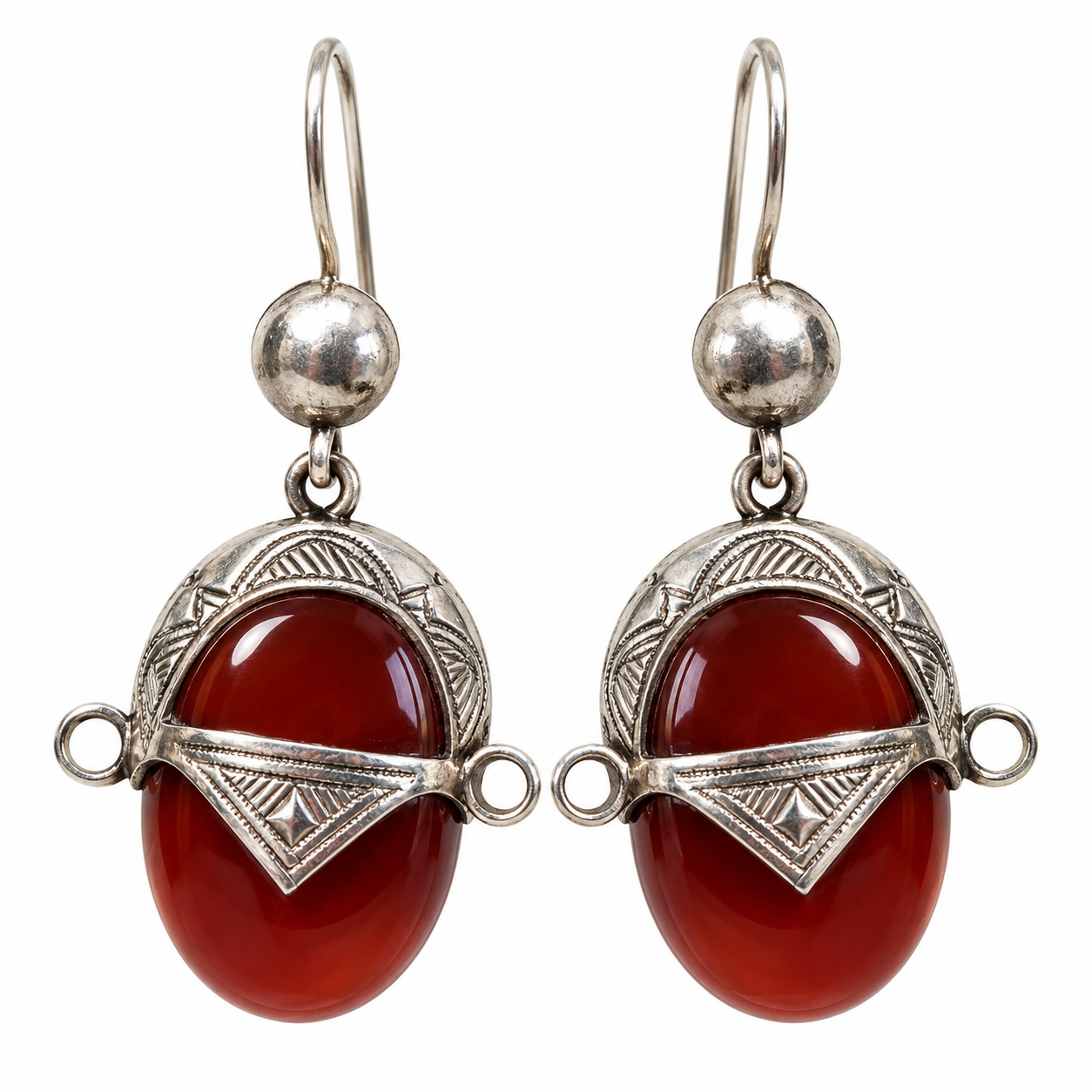
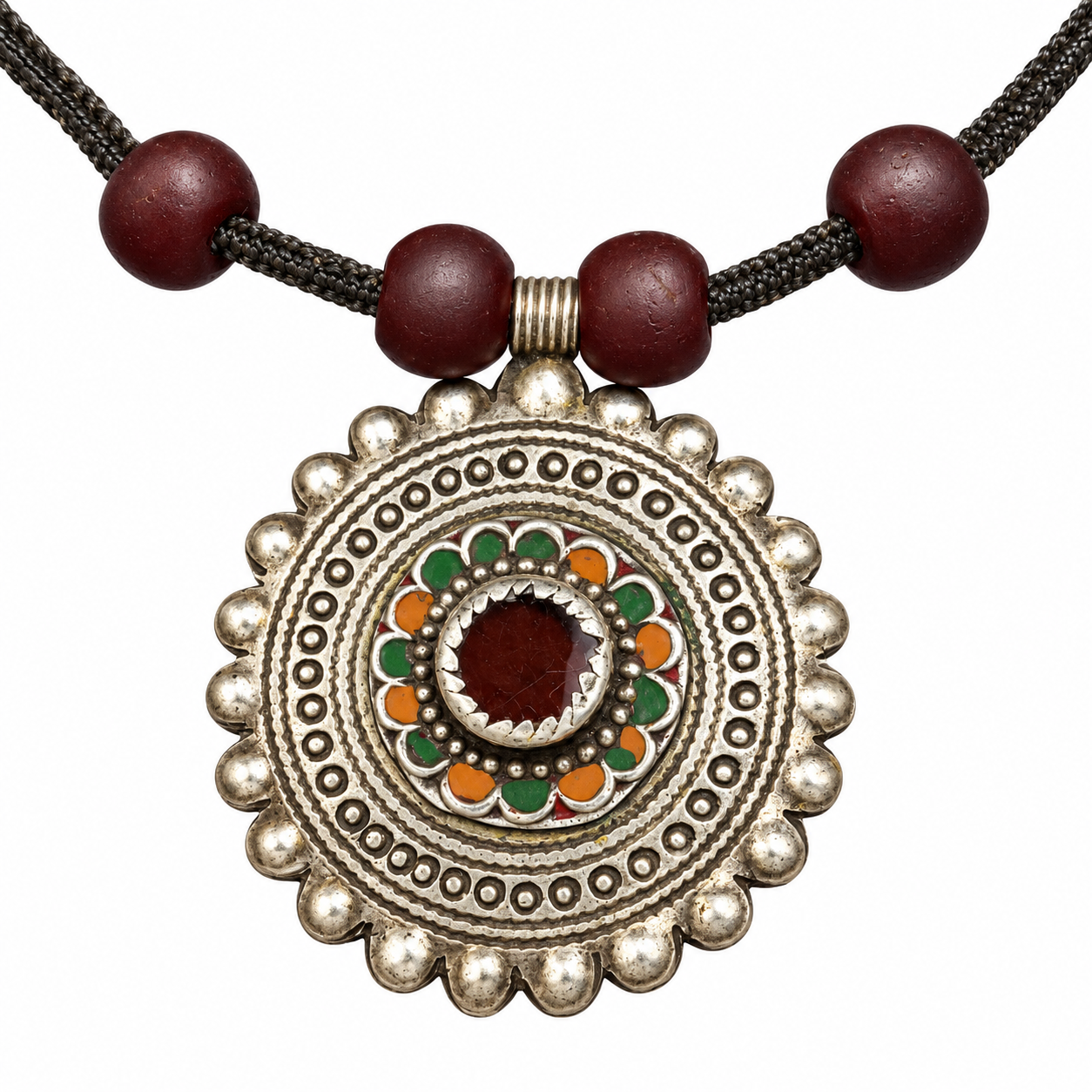
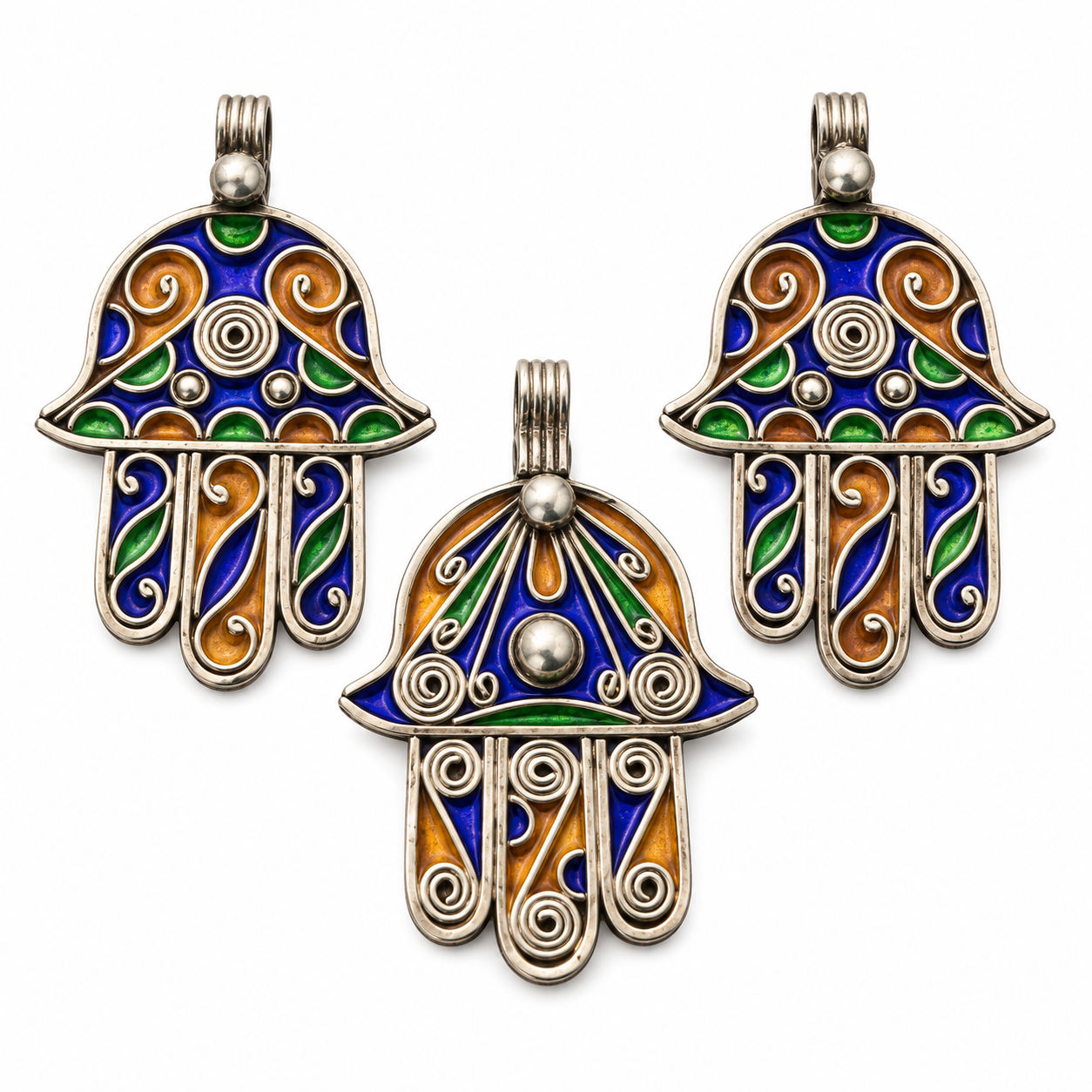
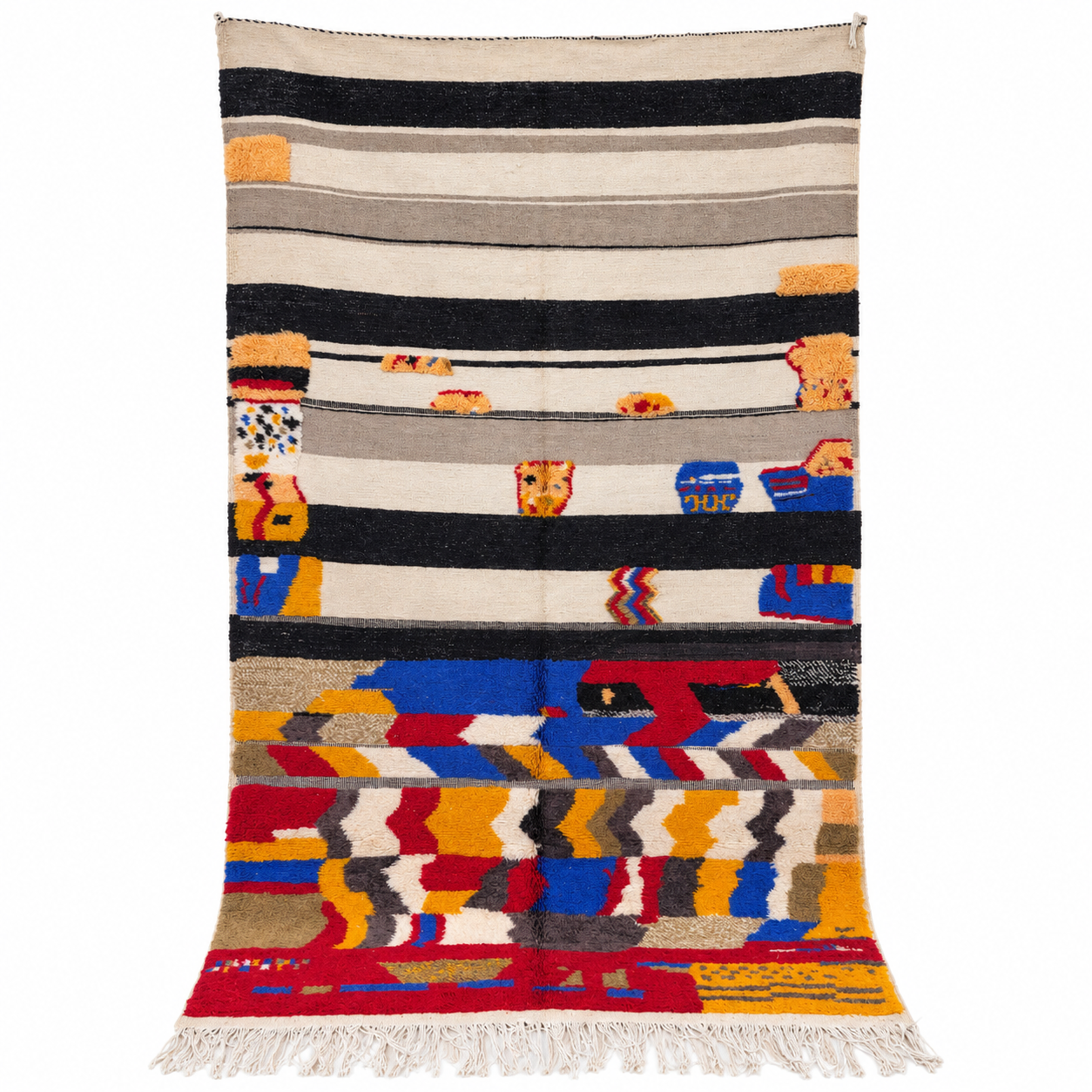
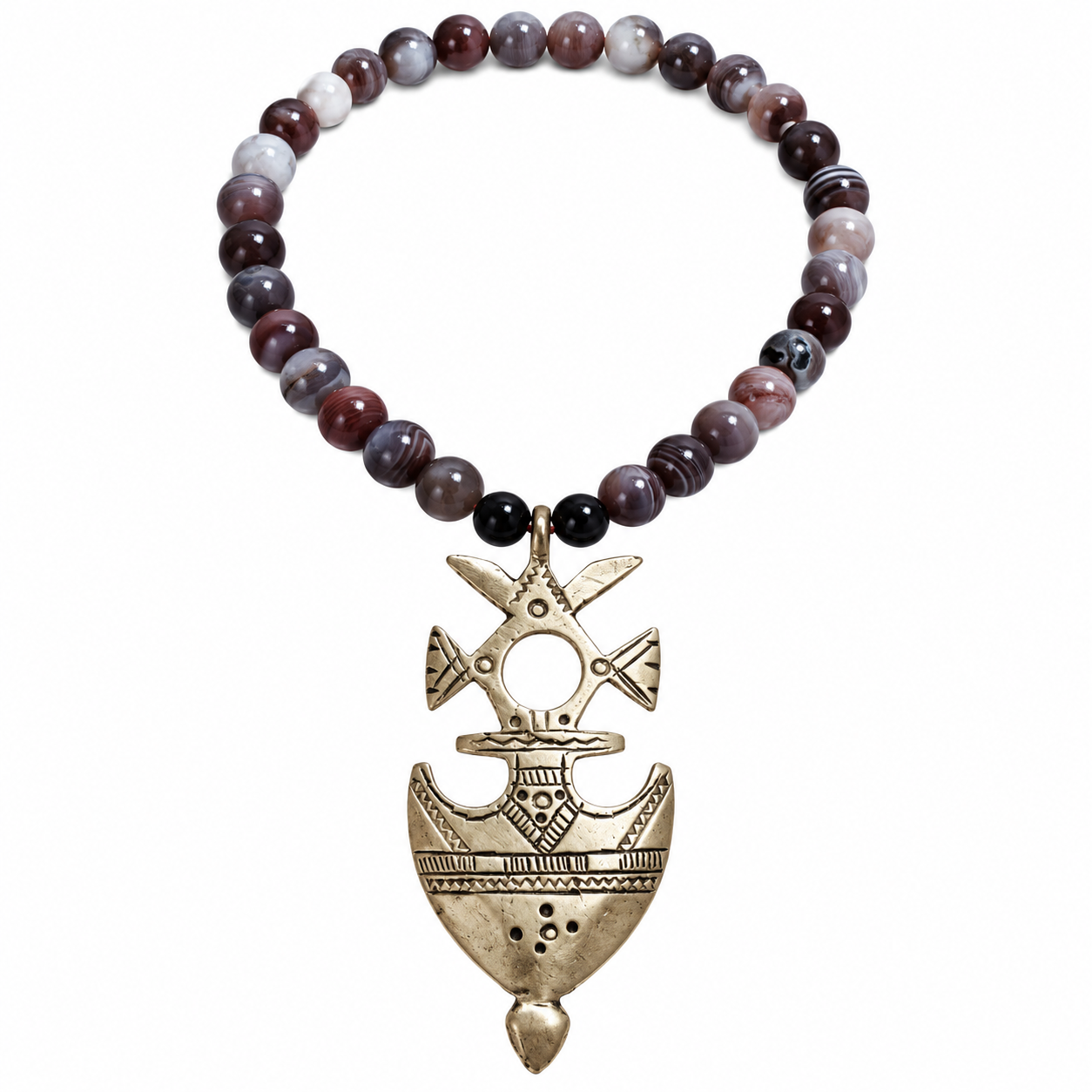
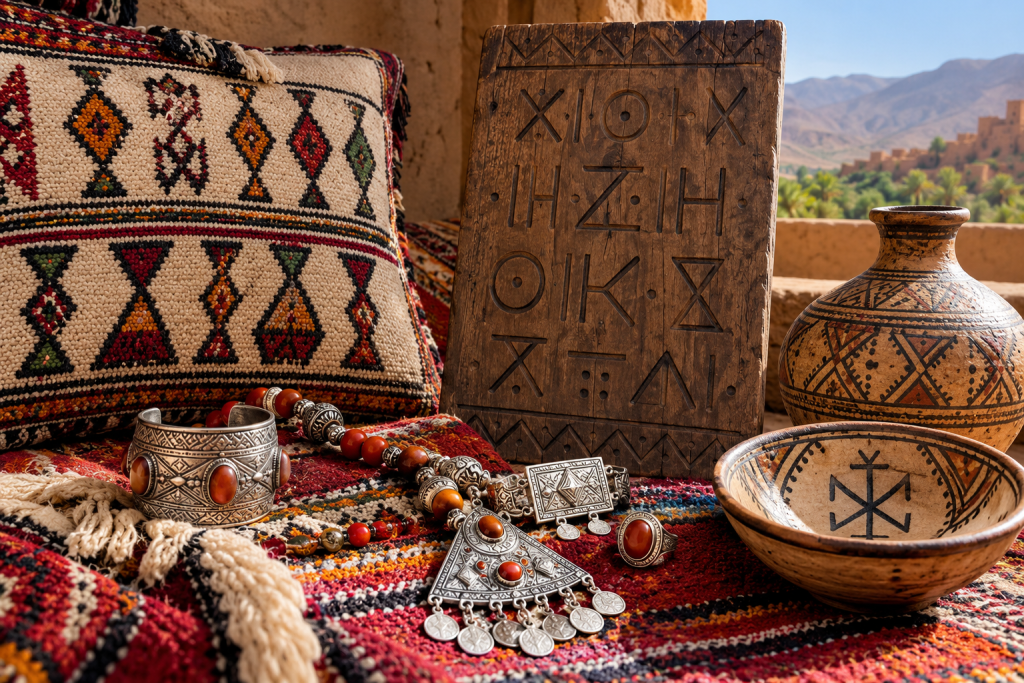
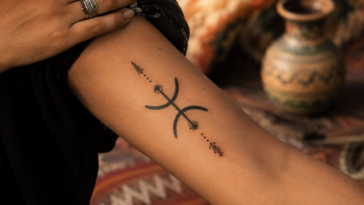
Amazigh visual culture includes many geometric designs found in jewelry, carpets, pottery, and artwork. Some designs may resemble Tifinagh characters, but they are not automatically letters.
A written letter has a specific linguistic function and represents a sound. A decorative motif may express artistic style, regional identity, symbolism, or aesthetic choices without representing a word or sentence.
Why Tifinagh Matters for Amazigh Identity
For many Amazigh people, Tifinagh represents cultural continuity and language visibility. It connects historical writing traditions with modern efforts to preserve and teach Amazigh languages.
The script also provides a visible reminder that North Africa has a long history of Indigenous linguistic expression. Its modern use reflects both heritage and contemporary cultural development.
Learning Tifinagh as a Beginner
Learning Tifinagh can be an enjoyable way to explore Amazigh languages, but beginners should remember that the script is only one part of language learning. Understanding pronunciation, vocabulary, and grammar requires studying a specific Amazigh language variety.
- Start by learning the alphabet and basic sounds.
- Choose a language variety such as Tashelhit, Tarifit, Central Atlas Tamazight, or another variety.
- Practice reading simple words with reliable educational resources.
- Learn cultural context alongside the writing system.

Tifinagh in Contemporary Culture
Tifinagh appears in modern art, graphic design, fashion, music projects, and cultural events. Artists often use the shapes of the script as visual inspiration.
However, creative designs should distinguish between authentic writing and artistic decoration. A symbol used in a design should not be described as a specific word or phrase unless its meaning has been verified.
The Future of Amazigh Writing
The future of Tifinagh depends on education, technology, community use, and continued interest in Amazigh languages. Digital tools, language resources, and cultural initiatives help new generations engage with the script.
Tifinagh is both a historical writing tradition and a modern tool for communication. Its continued development shows how languages and scripts can adapt while maintaining connections to their heritage.
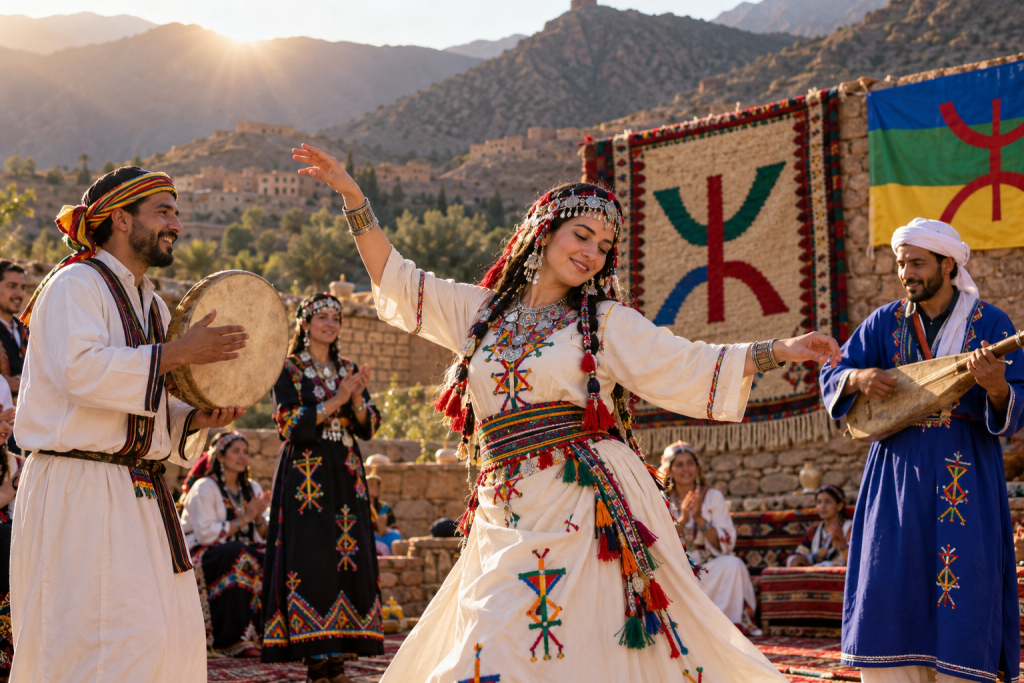
Tifinagh in Education and Language Revitalization
Education has become one of the most important areas where modern Tifinagh is used. Teaching the script helps learners connect written forms with spoken Amazigh varieties and creates resources for future generations.
Educational materials often combine Tifinagh with explanations in other scripts or languages to support beginners. This approach recognizes that many learners are discovering Amazigh writing after already using another writing system.
The Importance of Standardized Resources
Standardized alphabets and teaching materials make it easier to create textbooks, dictionaries, keyboards, and digital resources. Institutions such as IRCAM have contributed to establishing resources that support consistent learning.
However, standardization does not remove the diversity of Amazigh languages. Regional varieties continue to have their own vocabulary, pronunciation, and cultural expressions.
Tifinagh Beyond Text: Cultural and Visual Expression
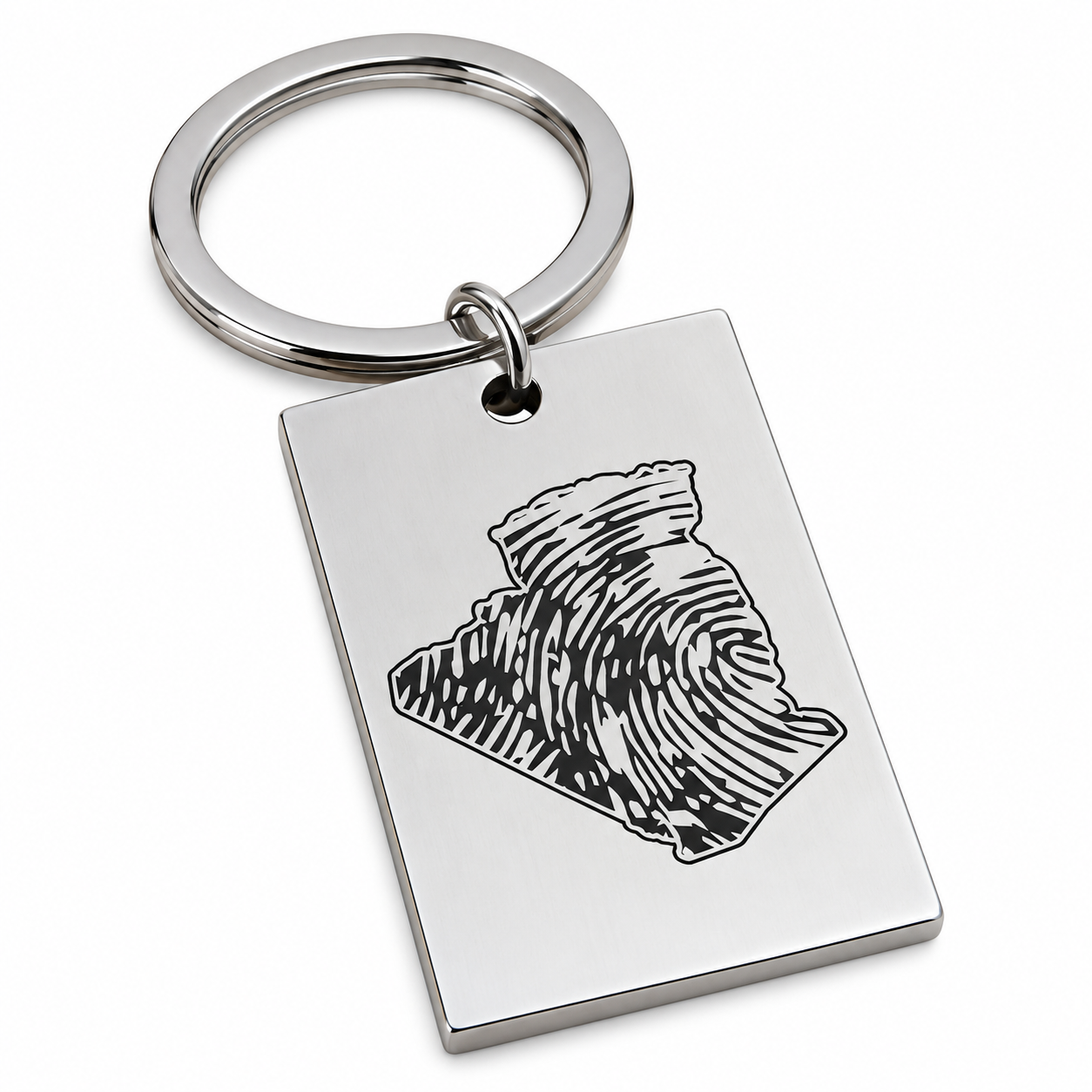
Tifinagh has become a recognizable visual element in contemporary Amazigh identity. It appears in public artwork, logos, cultural events, jewelry designs, and educational displays.
Its visual appearance has helped make Amazigh heritage more visible internationally. However, using Tifinagh aesthetically requires care because attractive shapes do not always represent meaningful words or phrases.
Responsible Use of Tifinagh Symbols
Designers, businesses, and cultural projects should verify the meaning and accuracy of Tifinagh text before presenting it to the public. A decorative arrangement of characters should not be described as a translation unless linguistic experts have confirmed it.
This distinction protects both the language and the communities whose writing traditions are being represented.
Comparing Tifinagh With Other Writing Systems
Amazigh languages have been written using multiple scripts throughout history. Comparing these systems helps explain why Tifinagh is important while also recognizing the role of other writing traditions.
- Tifinagh: Closely associated with Amazigh identity and modern cultural revival.
- Latin script: Used widely in some academic and literary contexts because of its adaptation for language study.
- Arabic script: Historically used by some Amazigh writers and communities.
The choice of script can depend on historical experience, educational systems, community preference, and the purpose of the text.
Exploring Tifinagh Through Modern Technology
Technology has created new possibilities for Amazigh writing. Unicode encoding allows Tifinagh characters to be represented consistently across digital platforms, making online communication, publishing, and research easier.
Mobile applications, online dictionaries, language courses, and social media have helped introduce Tifinagh to new audiences. These tools also support communities interested in preserving and expanding written Amazigh content.
Learning the Script in a Digital World
Beginners can now practice Tifinagh through digital keyboards, interactive lessons, and online resources. The most effective learning combines writing practice with knowledge of a specific Amazigh language variety.
By learning both the script and the language behind it, students gain a deeper understanding of how Tifinagh functions as a living communication system rather than only a cultural symbol.

 No products in the cart.
Comments (13)