


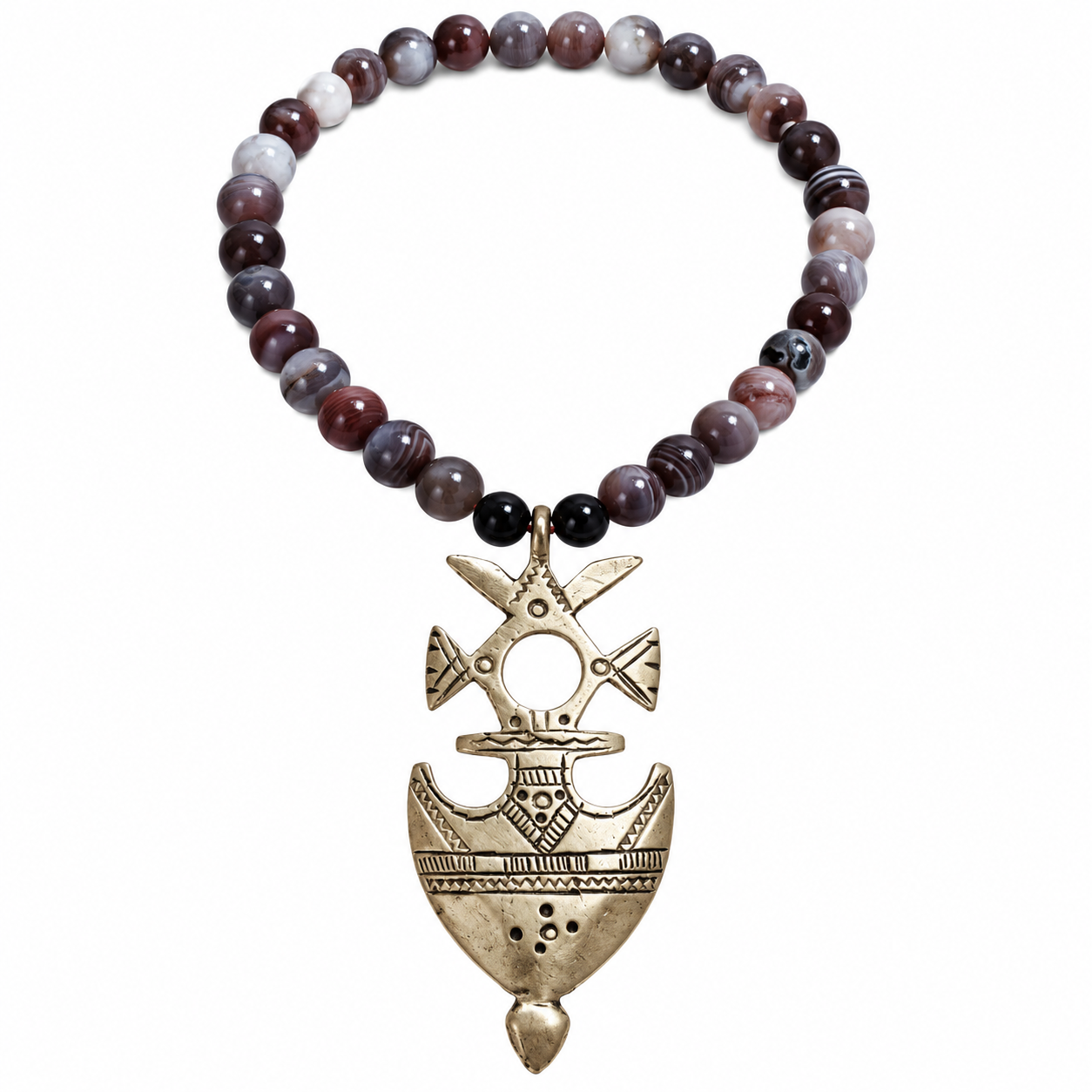

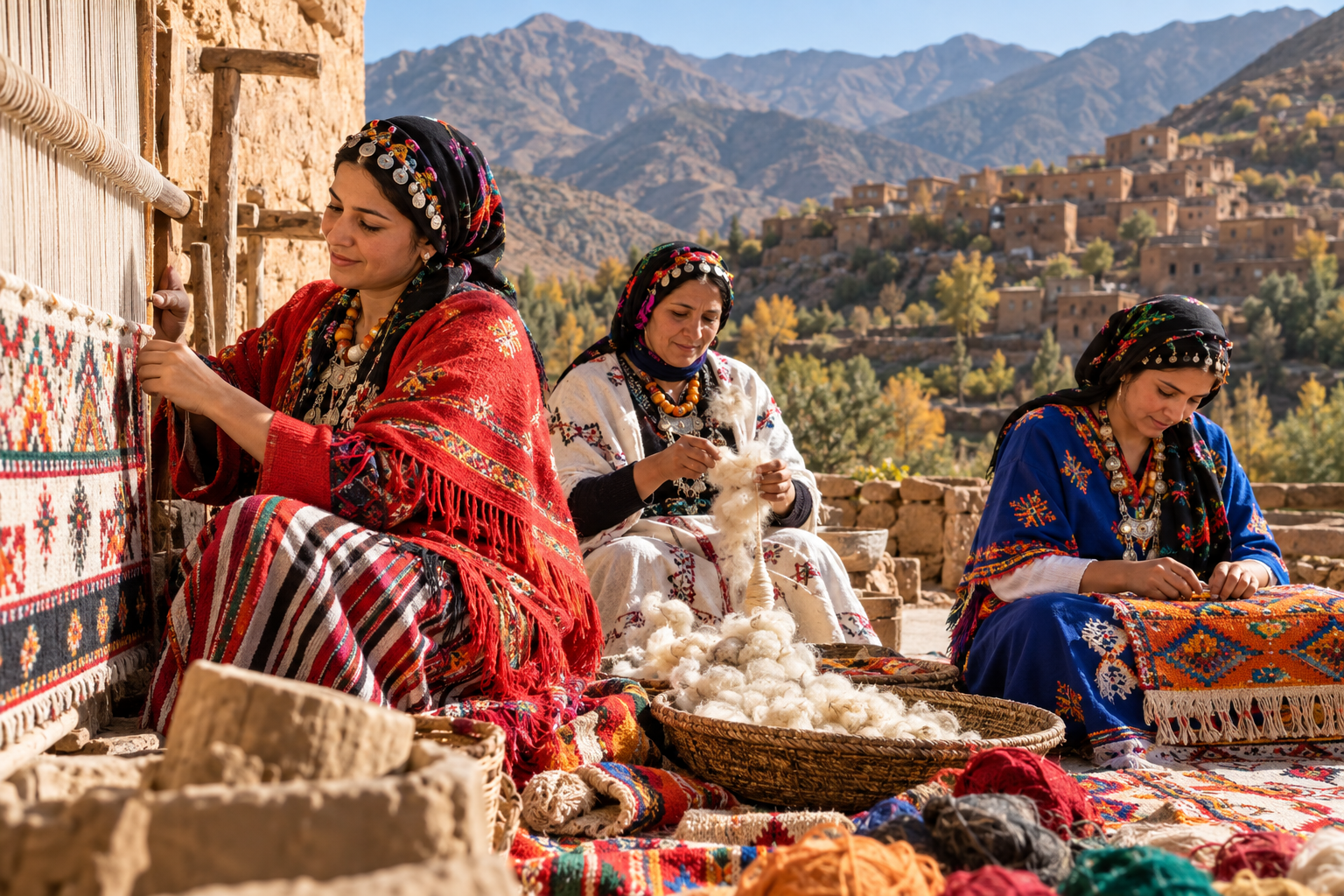
Amazigh women have played important roles in shaping cultural heritage across North Africa through artistic work, language, storytelling, family knowledge, and public life. Their contributions extend far beyond traditional crafts, including creative expression, education, activism, leadership, and contemporary cultural production.
The Many Roles of Amazigh Women in Cultural Heritage
Amazigh communities are diverse, with different languages, histories, and regional traditions. Women’s experiences have varied depending on location, social conditions, family background, and historical period.
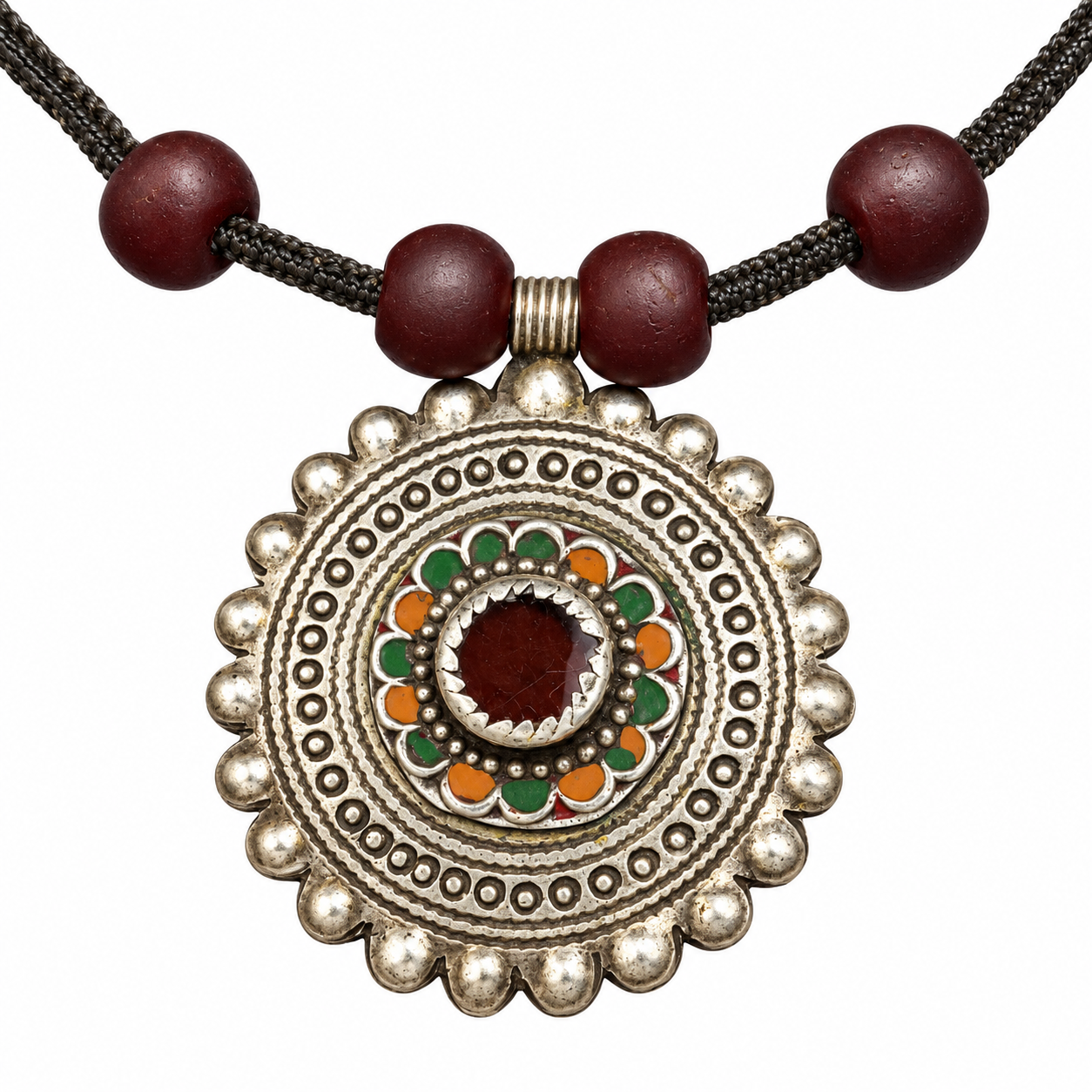
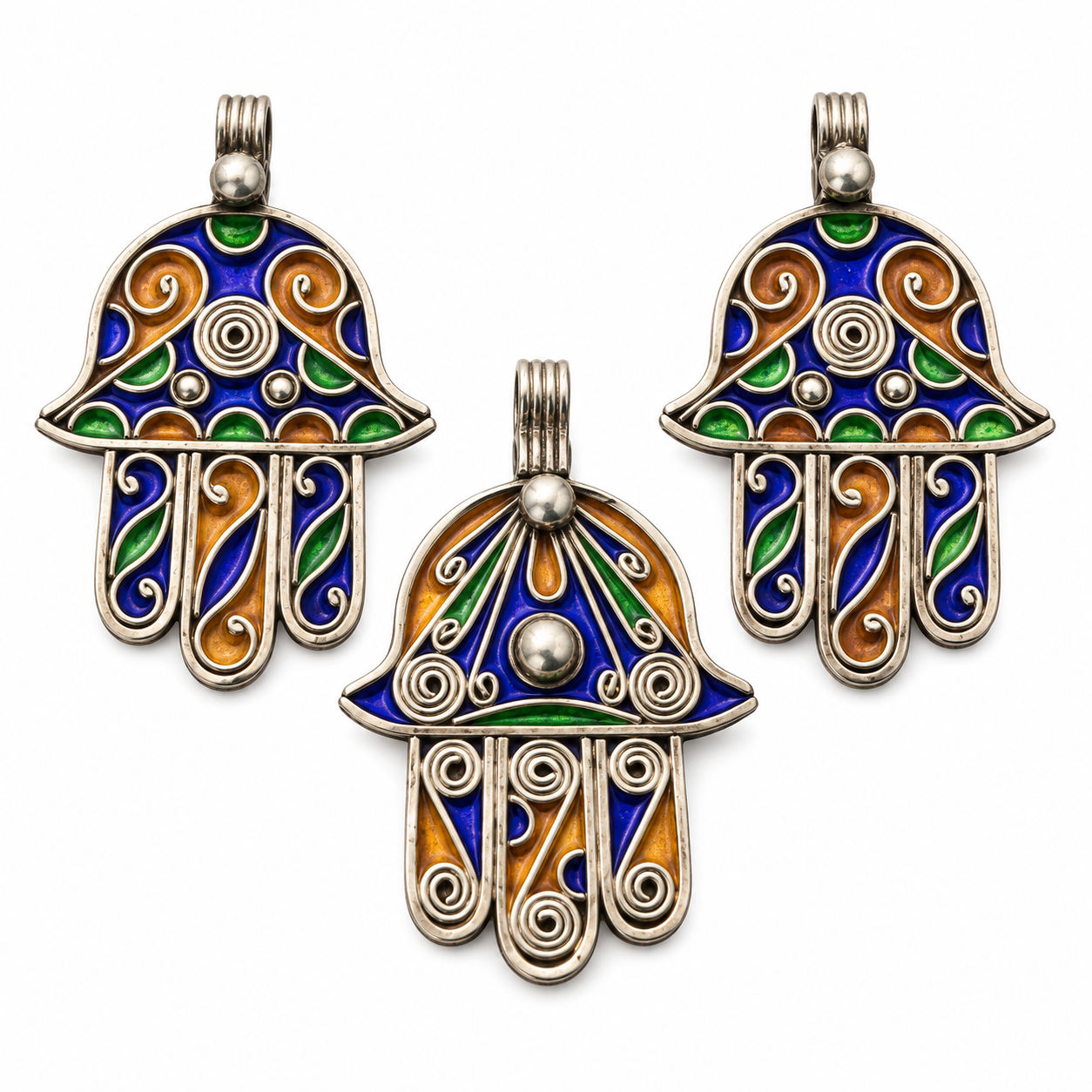
Discussions of Amazigh women often highlight weaving, embroidery, jewelry, and oral traditions because these activities have preserved important cultural knowledge. However, describing women only as guardians of tradition overlooks their roles as creators, decision-makers, artists, workers, and community members.
Amazigh Women and the Art of Weaving
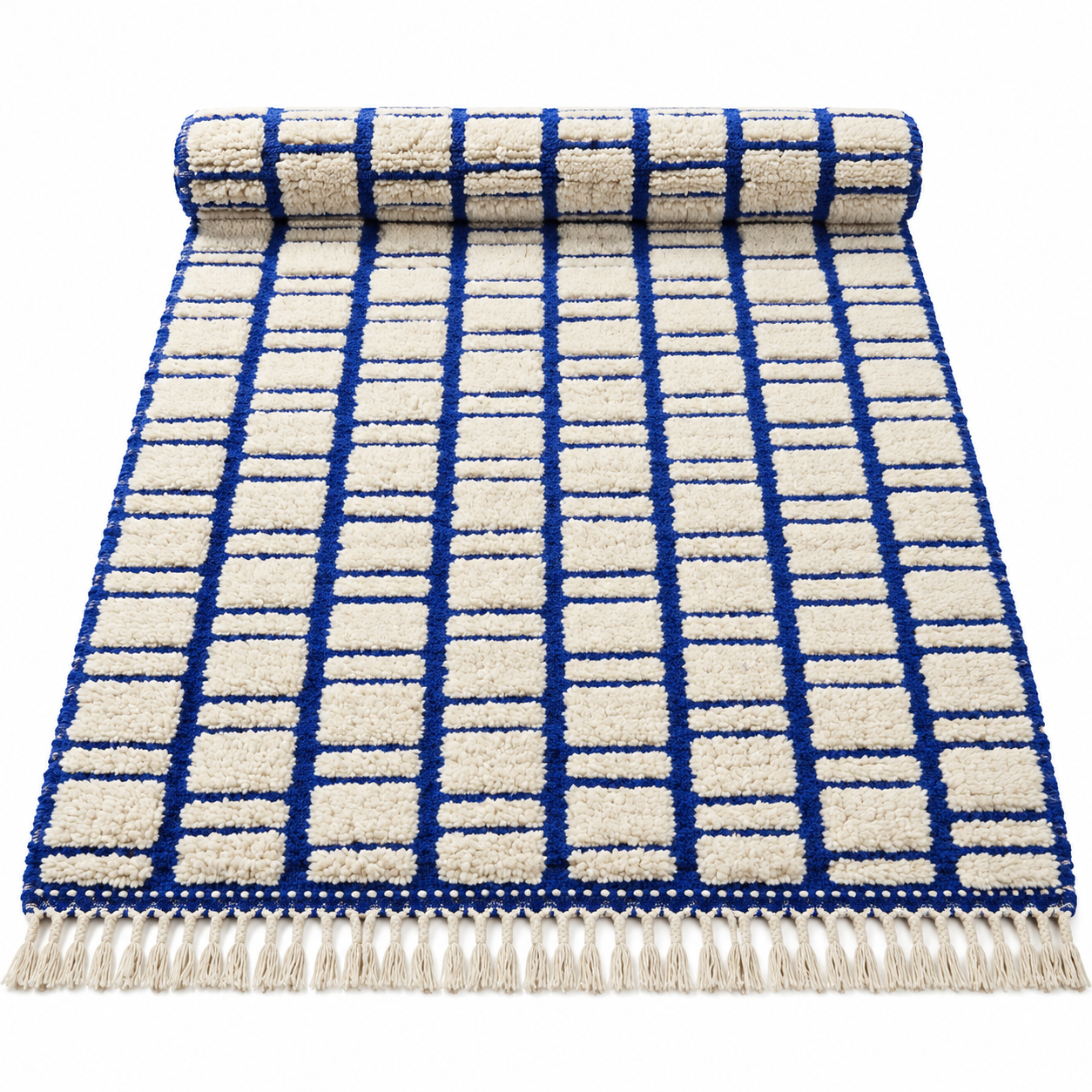
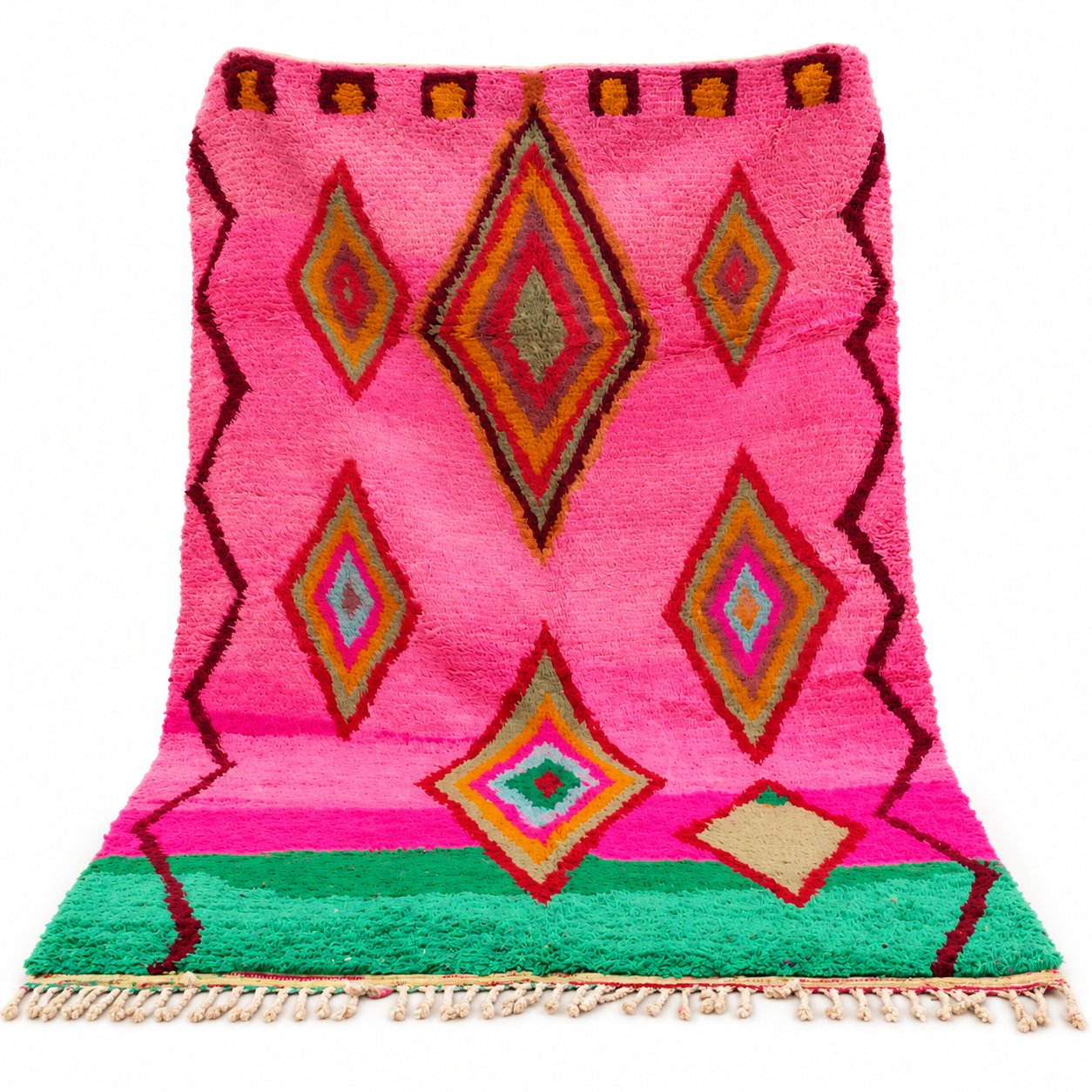
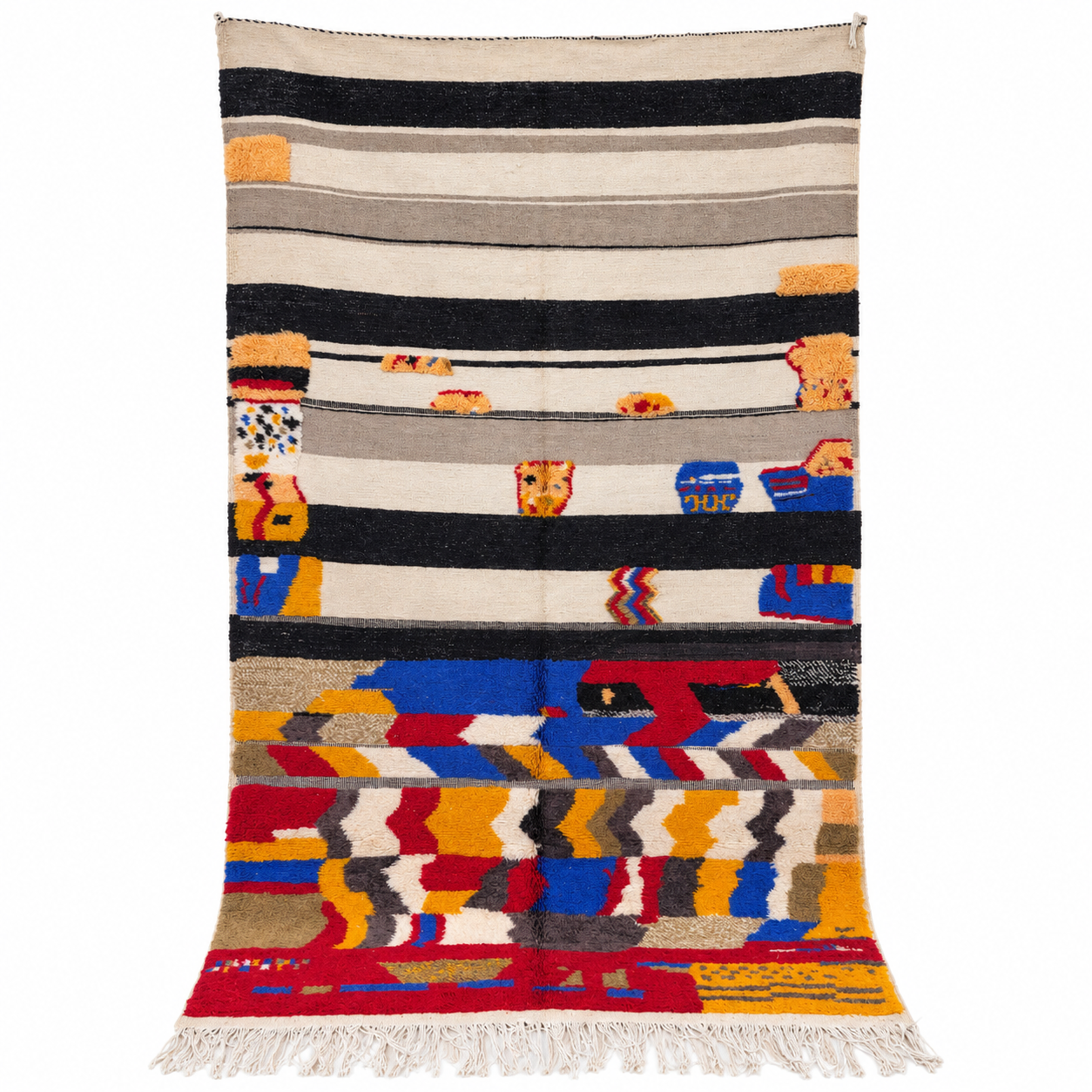
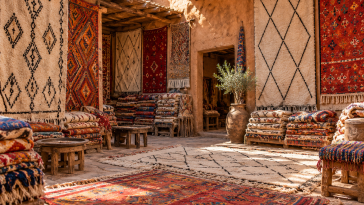
Textile production is one of the most visible areas where Amazigh women have contributed to artistic heritage. Across many regions, women have traditionally participated in preparing wool, spinning fibers, dyeing materials, and creating woven textiles.
Amazigh rugs and textiles reflect local environments, available materials, and regional artistic styles. Patterns, colors, and techniques can vary greatly between communities, showing the creativity of individual makers rather than a single shared design language.
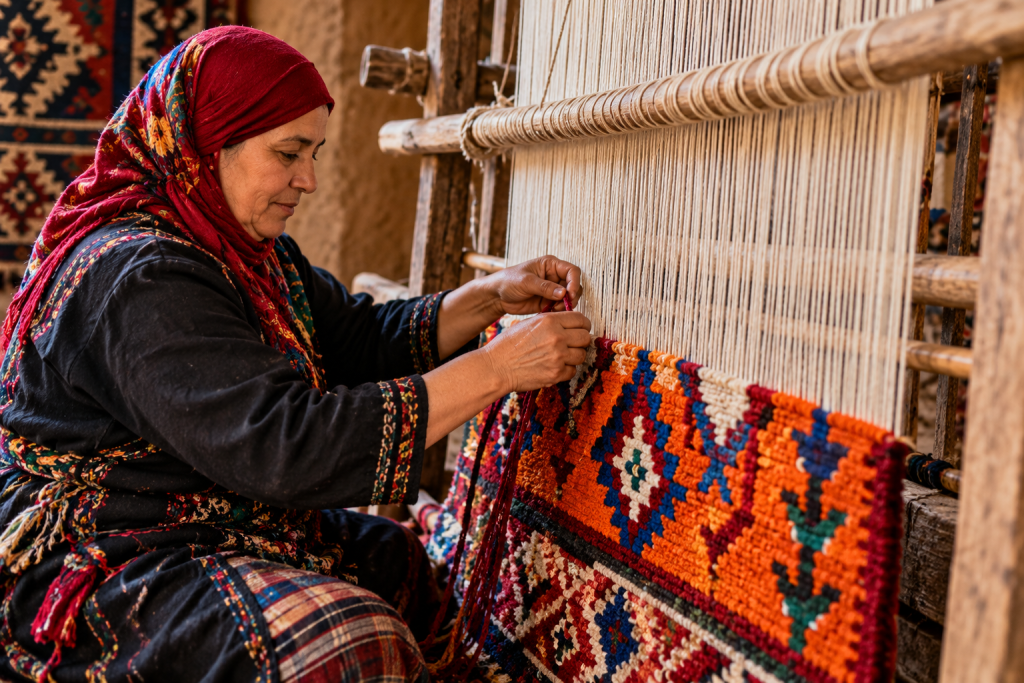
Weaving as Skill and Creative Expression
Weaving requires technical knowledge passed through learning and practice. Women involved in textile production develop expertise in materials, tools, patterns, and construction methods.
Many contemporary Amazigh textile projects continue to value women’s craftsmanship while adapting designs for changing markets. However, it is important not to assume that every commercial textile purchase directly benefits the individual artisan who created it. Supply chains, ownership structures, and payment systems differ between organizations and businesses.
Amazigh Women in Poetry and Oral Traditions
Oral expression has long been an important part of Amazigh cultural life. Women have contributed to preserving songs, poems, stories, and linguistic knowledge within families and communities.
Poetry and song can address many themes, including personal emotions, social relationships, historical memories, celebrations, and everyday experiences. These creative forms demonstrate that Amazigh women have been active participants in cultural expression rather than passive transmitters of tradition.
Music and Female Voices
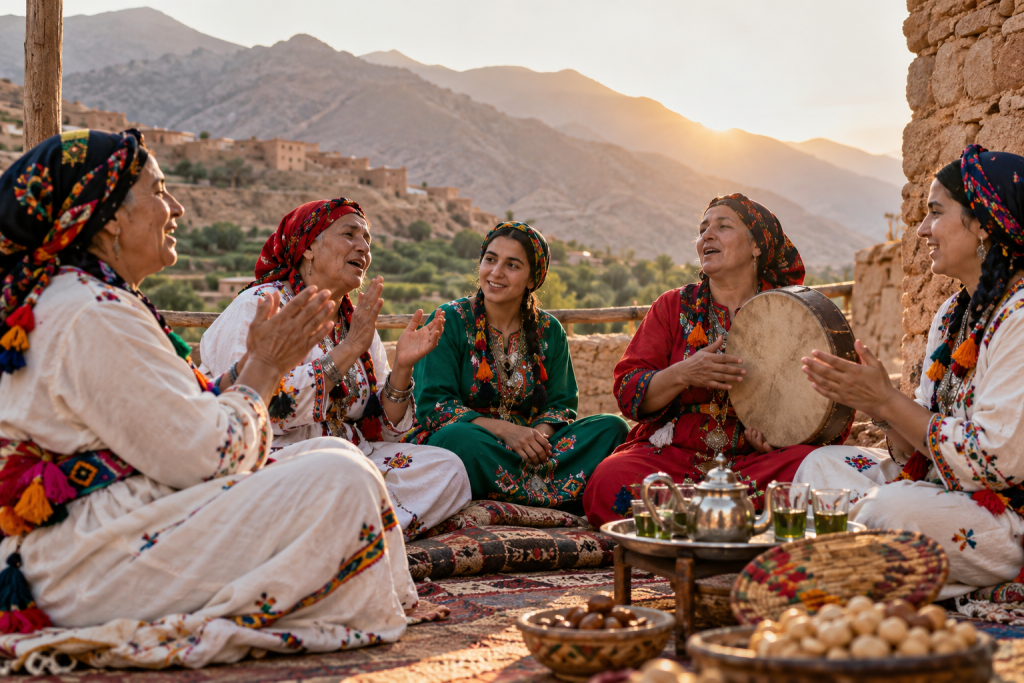
Women have contributed to Amazigh musical traditions in different regions through singing, performance, and the preservation of local repertoires. Styles differ between communities, reflecting the diversity of Amazigh languages and cultural practices.
Modern Amazigh female musicians continue to bring traditional influences into contemporary performances, creating connections between older forms of expression and new audiences.
Historical Figures: Dihya and Questions of Memory
One of the most famous women associated with Amazigh history is Dihya, also known as the Kahina in some historical sources. She is traditionally described as a leader who resisted Arab expansion in North Africa during the seventh century.
Historical information about Dihya comes from medieval sources written after the events they describe. As a result, historians examine these accounts carefully, distinguishing between documented historical evidence and later legends or symbolic interpretations.
In modern Amazigh cultural discussions, Dihya has become an important symbol representing leadership, resistance, and historical memory. These modern representations reflect how communities interpret historical figures in different periods.
Amazigh Women and Community Leadership
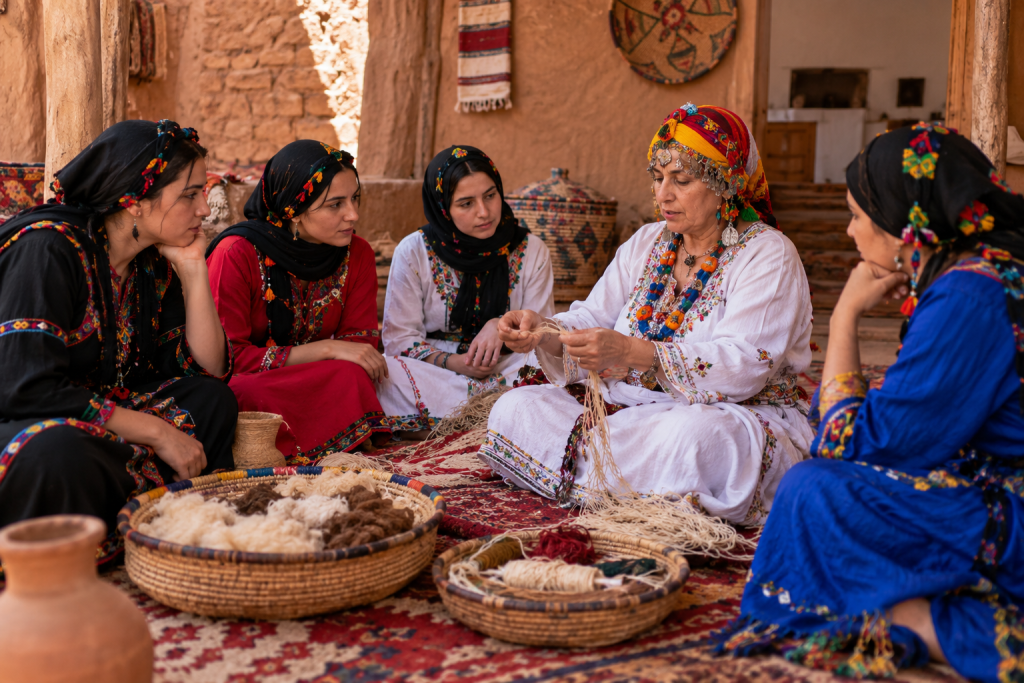
Amazigh women have participated in community life through education, cultural organizations, economic activities, and social initiatives. Their leadership roles may appear in formal organizations as well as everyday community structures.
Contemporary Amazigh women work in many fields, including:
- Education: teaching languages, history, and cultural knowledge.
- Arts: creating music, literature, visual art, and crafts.
- Research: documenting languages, traditions, and histories.
- Public life: participating in community organizations and cultural initiatives.
Regional Diversity Among Amazigh Women
| Region | Examples of Cultural Contributions |
|---|---|
| Kabylie | Poetry, music, crafts, language preservation, and cultural activism. |
| Atlas Mountains | Weaving, agricultural knowledge, textiles, and family traditions. |
| Souss | Craft production, oral traditions, and cultural transmission. |
| Sahara regions | Distinct artistic traditions, music, and community knowledge. |
Women, Argan Production, and Economic Activities
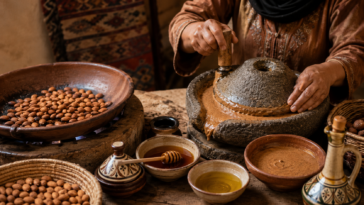
In some areas of Morocco, women have participated in argan oil production through cooperative models and community-based economic activities. These initiatives have been associated with creating income opportunities and supporting traditional knowledge related to argan processing.
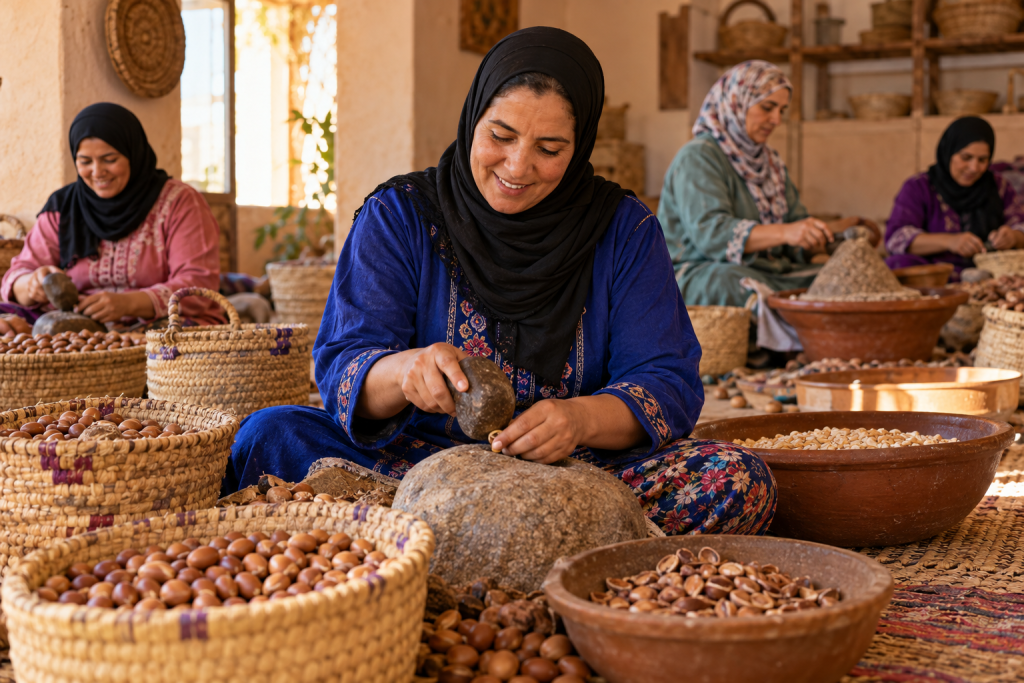
However, the relationship between traditional products and women’s economic benefit depends on the specific cooperative, business structure, and working conditions. Responsible discussions should recognize women’s labor while avoiding assumptions about every product’s social impact.
Contemporary Amazigh Women Preserving and Transforming Heritage
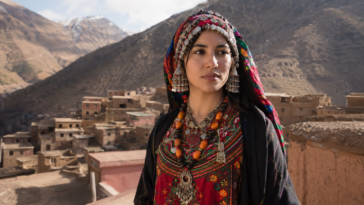
Today, Amazigh women continue to engage with heritage in many ways. Some preserve traditional skills, while others reinterpret cultural elements through modern design, research, education, and media.
This combination of preservation and innovation shows that heritage is not static. Cultural traditions remain meaningful because people continue adapting them to new circumstances.
How to Appreciate Amazigh Women’s Contributions Respectfully
- Recognize women as creators and experts, not only as symbols of tradition.
- Learn about the specific region and community behind a cultural practice.
- Support transparent businesses and artisan initiatives.
- Value both traditional knowledge and contemporary achievements.
The Continuing Legacy of Amazigh Women
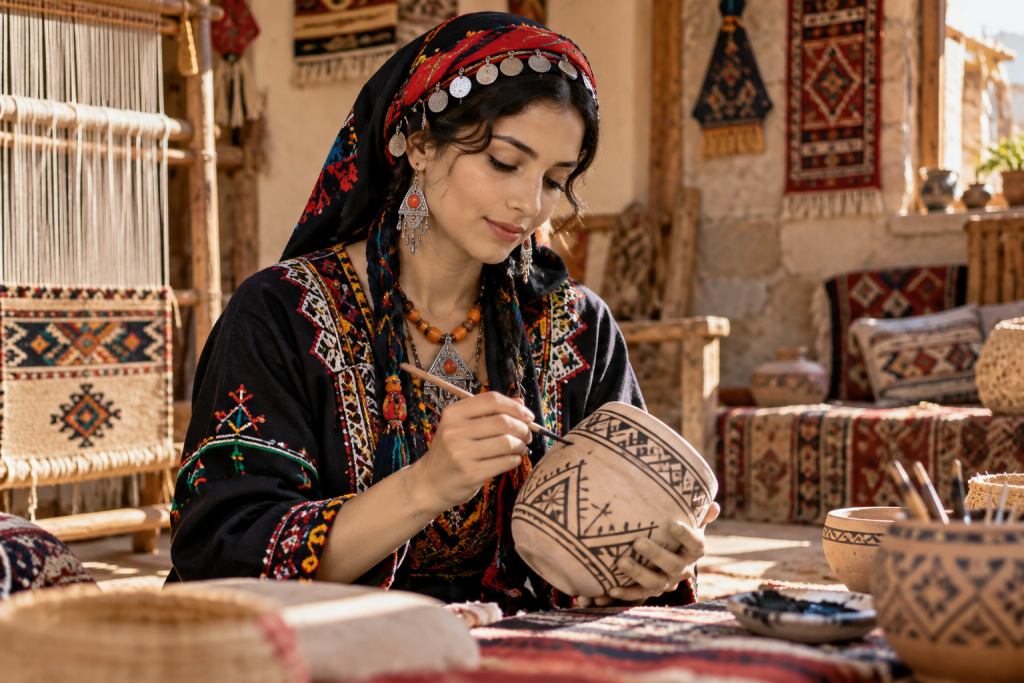
The history and culture of Amazigh women cannot be reduced to one role or one tradition. Through weaving, poetry, music, leadership, and many other forms of contribution, they have helped shape living cultural heritage.
Understanding their contributions requires attention to diversity, historical context, and the voices of women themselves.
Traditional Knowledge Passed Through Generations
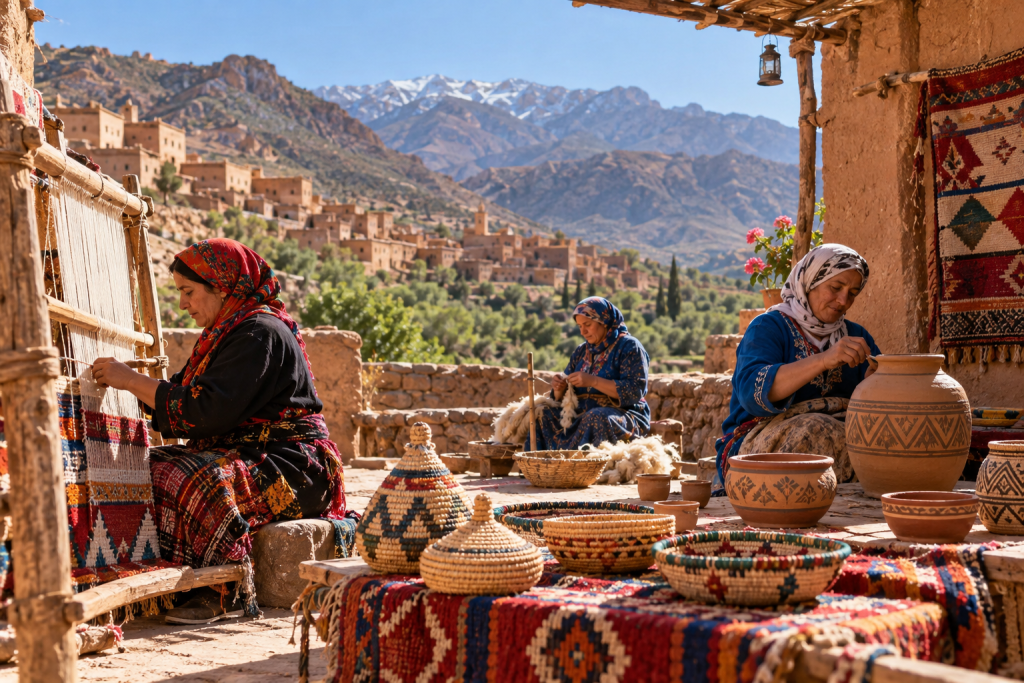
One of the important contributions of Amazigh women has been the transmission of everyday knowledge between generations. This knowledge can include textile techniques, food preparation, agricultural practices, medicinal plant knowledge, language expressions, songs, and family histories.
This transmission usually happens through observation and participation rather than formal instruction. Younger generations often learn by spending time with older relatives, helping with household activities, and taking part in community events. These experiences create connections between personal memories and wider cultural heritage.
The Importance of Language Preservation
Amazigh languages have traditionally been maintained through daily communication, storytelling, and family relationships. Women have often played important roles in passing language knowledge to children through conversations, songs, and oral traditions.
Today, language preservation also takes place through schools, cultural associations, publications, and digital platforms. Amazigh women participate in these efforts as educators, researchers, writers, and community organizers.
Amazigh Women in Literature and Research
Modern Amazigh women have contributed to literature, academic research, journalism, and cultural documentation. Their work provides new perspectives on identity, history, language, and social experiences.
Female writers and researchers have helped expand discussions about Amazigh communities by documenting personal experiences, examining cultural practices, and creating new forms of artistic expression. Their contributions demonstrate that Amazigh heritage is not only preserved through traditional crafts but also through intellectual and creative work.
Moving Beyond Traditional Representations
Historical discussions of Amazigh women have sometimes focused mainly on anonymous craft production or family roles. While these contributions are significant, they represent only part of women’s experiences.
Amazigh women have also been entrepreneurs, educators, artists, professionals, and leaders. Recognizing these wider roles provides a more complete understanding of their place in society.
Craftsmanship, Markets, and Ethical Appreciation
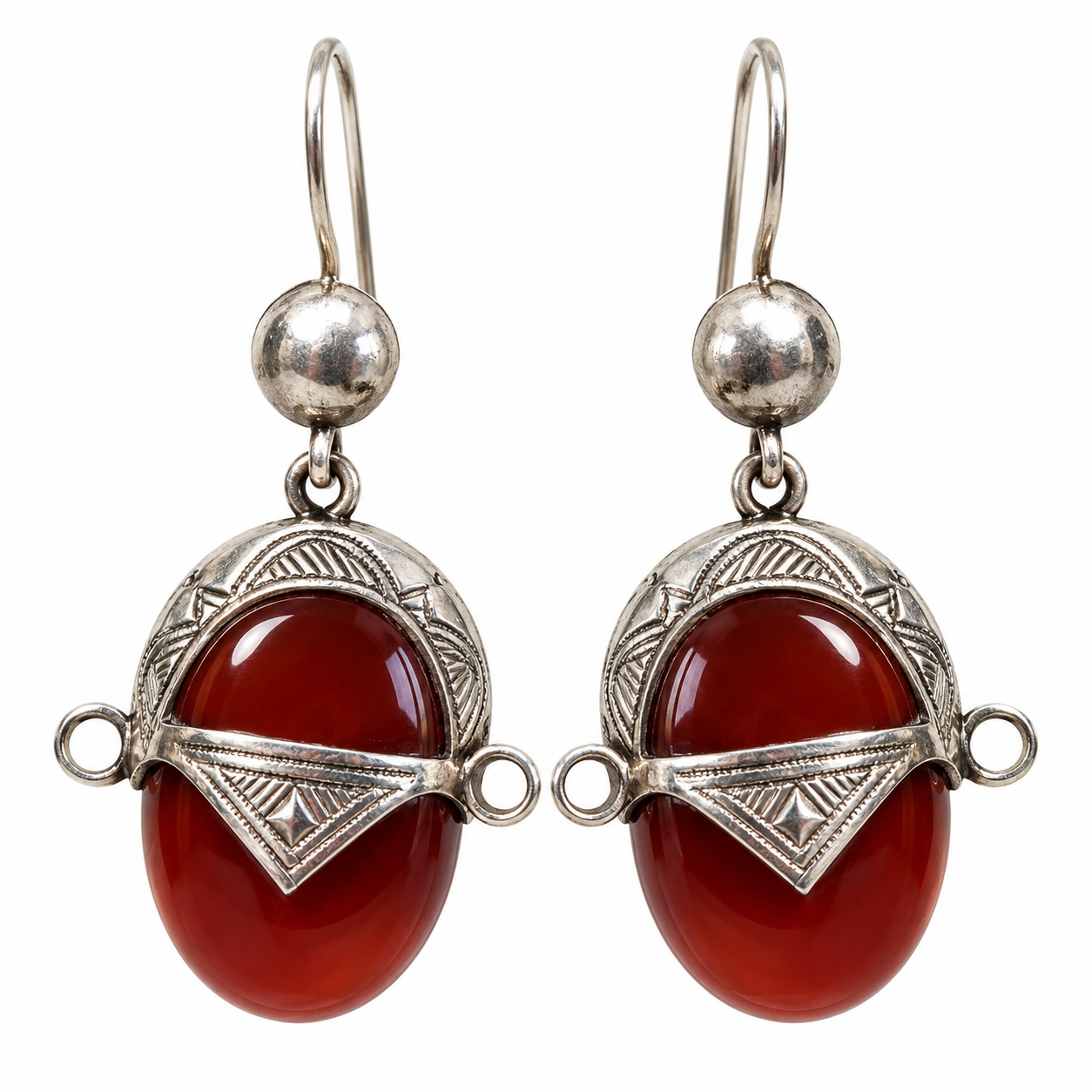
Interest in Amazigh crafts has grown internationally, especially for rugs, jewelry, textiles, and handmade decorative objects. This attention can create opportunities for artisans, but it also requires careful consideration of how products are represented and sold.
A responsible approach includes learning about the makers, production methods, and organizations involved. Cultural appreciation is stronger when it recognizes the skill and creativity behind an object rather than reducing it only to decoration or symbolic claims.
- Transparency: information about materials, origin, and production helps customers make informed choices.
- Recognition: artisans should be acknowledged as skilled creators.
- Context: crafts should be understood within their cultural and regional background.
The Role of Amazigh Women in Contemporary Identity
For many communities, Amazigh women contribute to maintaining cultural identity while also participating in modern social and economic life. Their activities connect historical traditions with present-day realities.
Some women choose to continue inherited artistic practices, while others combine Amazigh influences with new forms of design, technology, education, or activism. These different approaches show that cultural continuity does not require remaining unchanged.
Celebrating Achievement and Agency
A balanced understanding of Amazigh women recognizes both their contributions to heritage and their individual agency. Women are not only carriers of traditions created in the past; they are also creators who shape the future of Amazigh culture.
Whether through a woven textile, a poem, a musical performance, a research project, or community work, Amazigh women continue to influence how heritage is expressed and understood.
Conclusion: Women at the Heart of Living Heritage
Amazigh women have contributed to cultural continuity while also creating new forms of expression and participation. Their work demonstrates that heritage is both inherited and continually transformed by the people who carry it forward.
 No products in the cart.
Comments (12)