



Yennayer, the Amazigh New Year, is a cultural celebration connected with seasonal change, agricultural traditions, family gatherings, and hopes for prosperity in the year ahead. Celebrated among many Amazigh communities across North Africa and within diaspora communities worldwide, Yennayer reflects a relationship with land, food, memory, and community.
What Is Yennayer and Why Is It Celebrated?
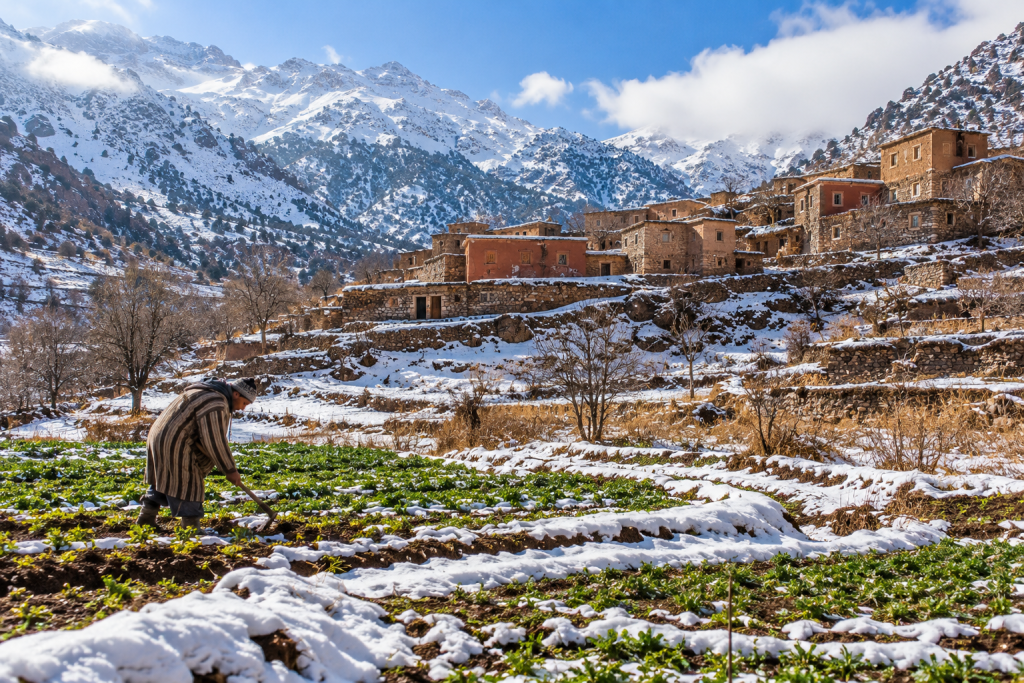
Yennayer is commonly described as the Amazigh New Year. The celebration is linked to the agricultural calendar and the transition between the old farming year and the beginning of a new seasonal cycle. Historically, rural communities marked important moments in the agricultural year through practices connected to planting, harvesting, livestock, and the changing weather.
The exact traditions of Yennayer differ from one Amazigh region to another. Communities in the Atlas Mountains, Kabylie, the Rif, Souss, the Aurès, the Tuareg regions, and other areas may have different foods, customs, and dates of observance. Not every Amazigh family celebrates Yennayer in the same way, and some families may not observe it at all.
The Connection Between Yennayer and the Agricultural Calendar
The strongest historical connection of Yennayer is with seasonal farming rhythms. Before modern calendars became widespread, agricultural communities organized time around natural cycles. The winter period was an important moment for preparing for the coming farming season and asking for abundance, fertility, and protection.
Traditional practices often focused on themes such as:
- Renewal: welcoming a new cycle and leaving behind difficulties from the previous year.
- Community: gathering relatives and neighbors around shared meals.
- Food abundance: preparing dishes that symbolize prosperity and generosity.
- Respect for nature: recognizing the importance of rain, soil, animals, and harvests.
Yennayer Dates and Regional Differences
There is no single universal date observed by every Amazigh community. Many modern celebrations follow January dates based on the Amazigh calendar convention, often around January 12 or 13 in the Gregorian calendar. However, historical seasonal practices varied according to region, local agricultural conditions, and community traditions.
The modern Amazigh calendar era is often associated with Shoshenq I, an ancient Egyptian ruler of Libyan origin who became pharaoh of Egypt in the 10th century BCE. The connection between this historical figure and the modern calendar system is a cultural interpretation developed in contemporary Amazigh movements rather than evidence that ancient communities universally counted years from his reign.
Traditional Yennayer Foods and Their Meanings
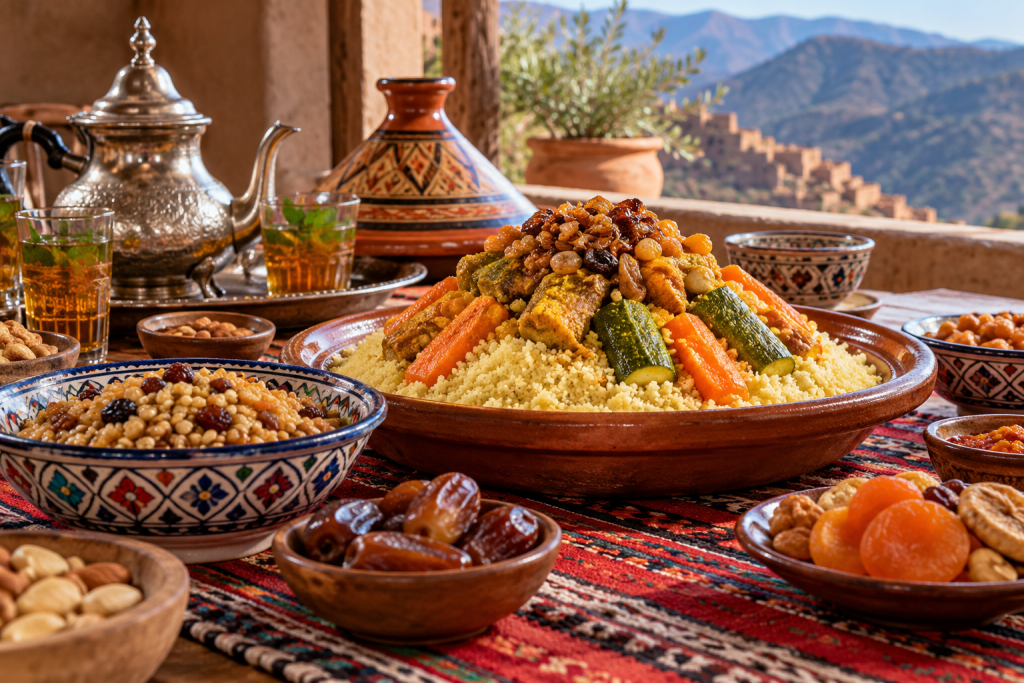
Food plays a central role in many Yennayer celebrations. Meals are often prepared to bring families together and express wishes for a prosperous year. Recipes vary widely depending on local ingredients and regional customs.
Couscous and Family Meals
Couscous is one of the foods frequently associated with Amazigh celebrations. In many regions, large shared meals represent hospitality, family connection, and the importance of eating together.
Grains, Legumes, and Symbols of Abundance
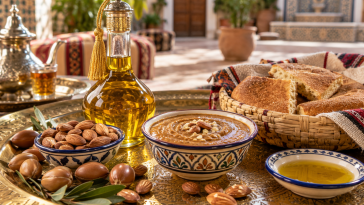
Foods made from grains and legumes are common in many agricultural traditions because they represent nourishment and continuity. Dishes may include wheat, barley, beans, chickpeas, dates, nuts, and other locally available ingredients.
Sweet Foods and Celebration Dishes
Some communities prepare sweet foods, dried fruits, pastries, or special breads during Yennayer. These foods often carry symbolic associations with happiness and a sweet year ahead.
Regional Yennayer Traditions Across Amazigh Communities
| Region | Examples of Traditions |
|---|---|
| Kabylie | Family meals, traditional dishes, cultural gatherings, storytelling, and songs. |
| Moroccan Atlas and Souss | Seasonal foods, family gatherings, and customs connected with agricultural life. |
| Rif | Local celebrations influenced by community traditions and regional cuisine. |
| Aurès | Food traditions and cultural practices connected with Chaoui Amazigh heritage. |
| Tuareg communities | Seasonal customs shaped by desert environments and pastoral traditions. |
Family Gatherings and Community Traditions
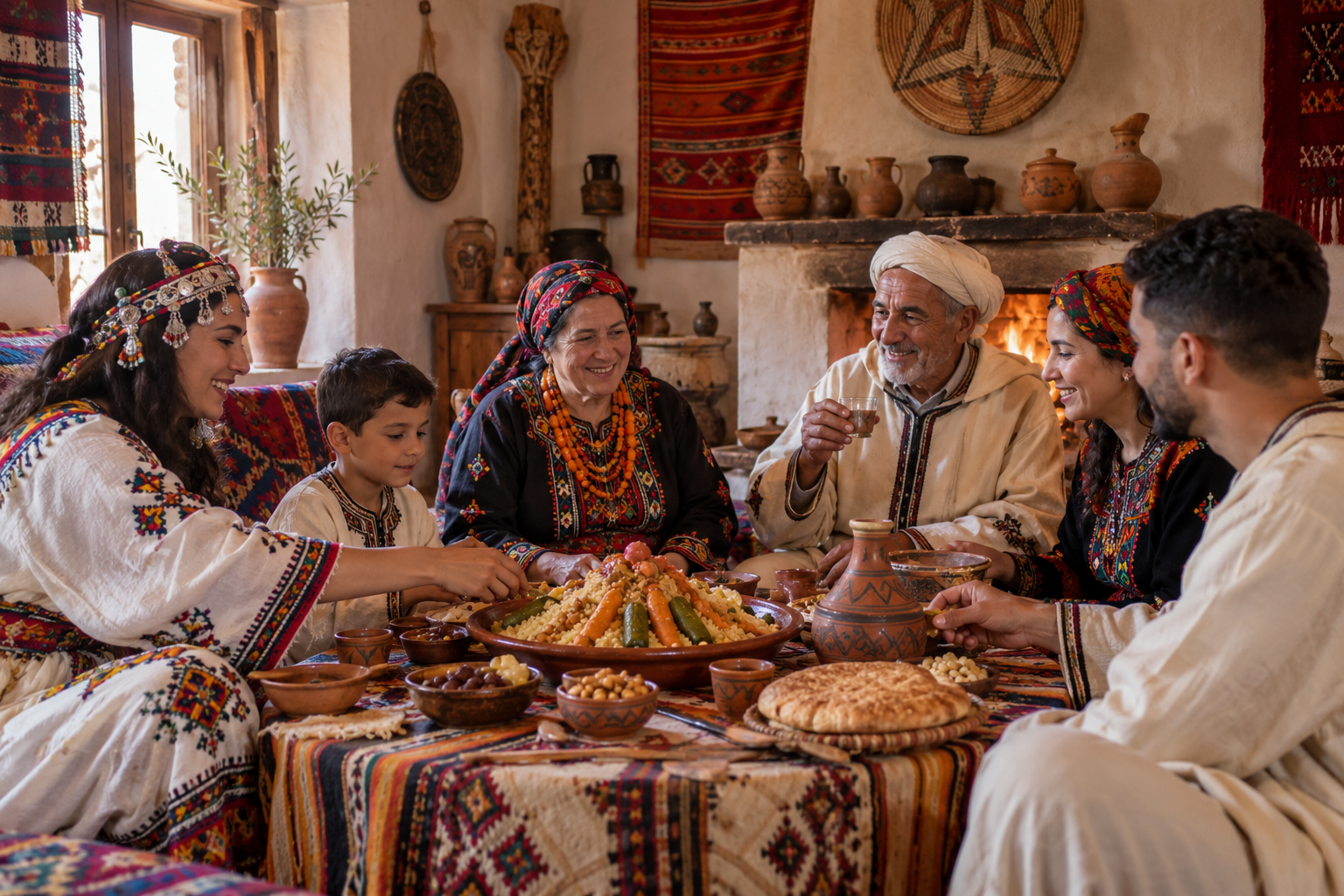
For many people who celebrate Yennayer, the most important element is gathering with family. Elders may share stories about previous generations, children may learn traditional customs, and communities may organize cultural events featuring music, poetry, crafts, and traditional clothing.
Yennayer can also be a time for strengthening cultural identity. For Amazigh communities living away from their ancestral regions, celebrations may provide an opportunity to teach younger generations about language, history, food, and artistic traditions.
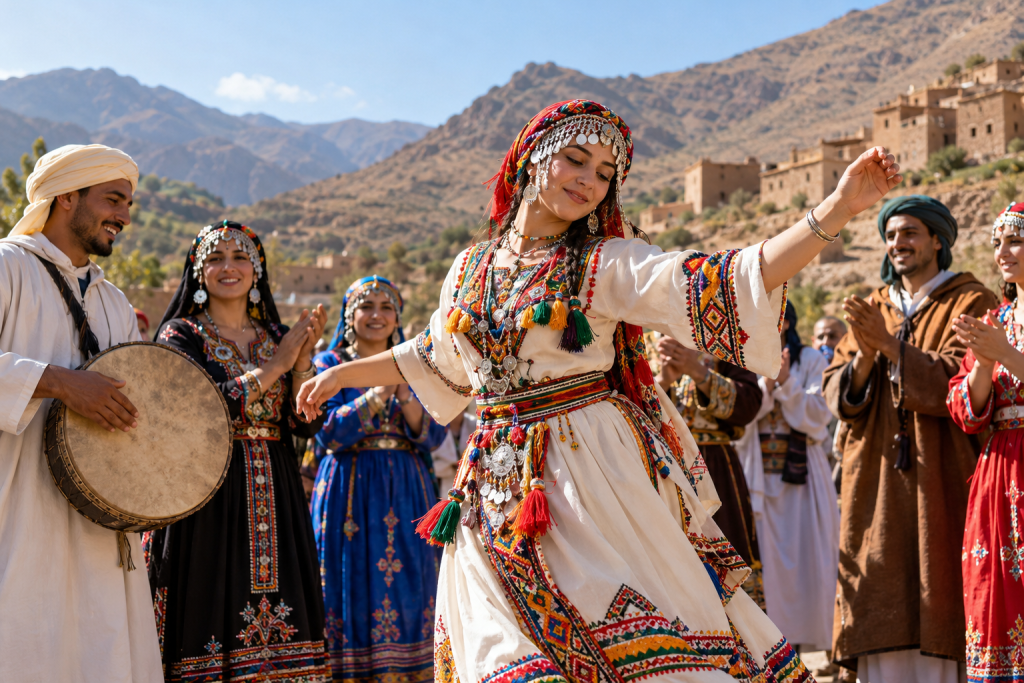
Music, Clothing, and Cultural Expression During Yennayer
Many Yennayer events include Amazigh cultural expressions such as traditional music, dance, poetry, and clothing. Regional styles differ greatly, reflecting the diversity of Amazigh communities.
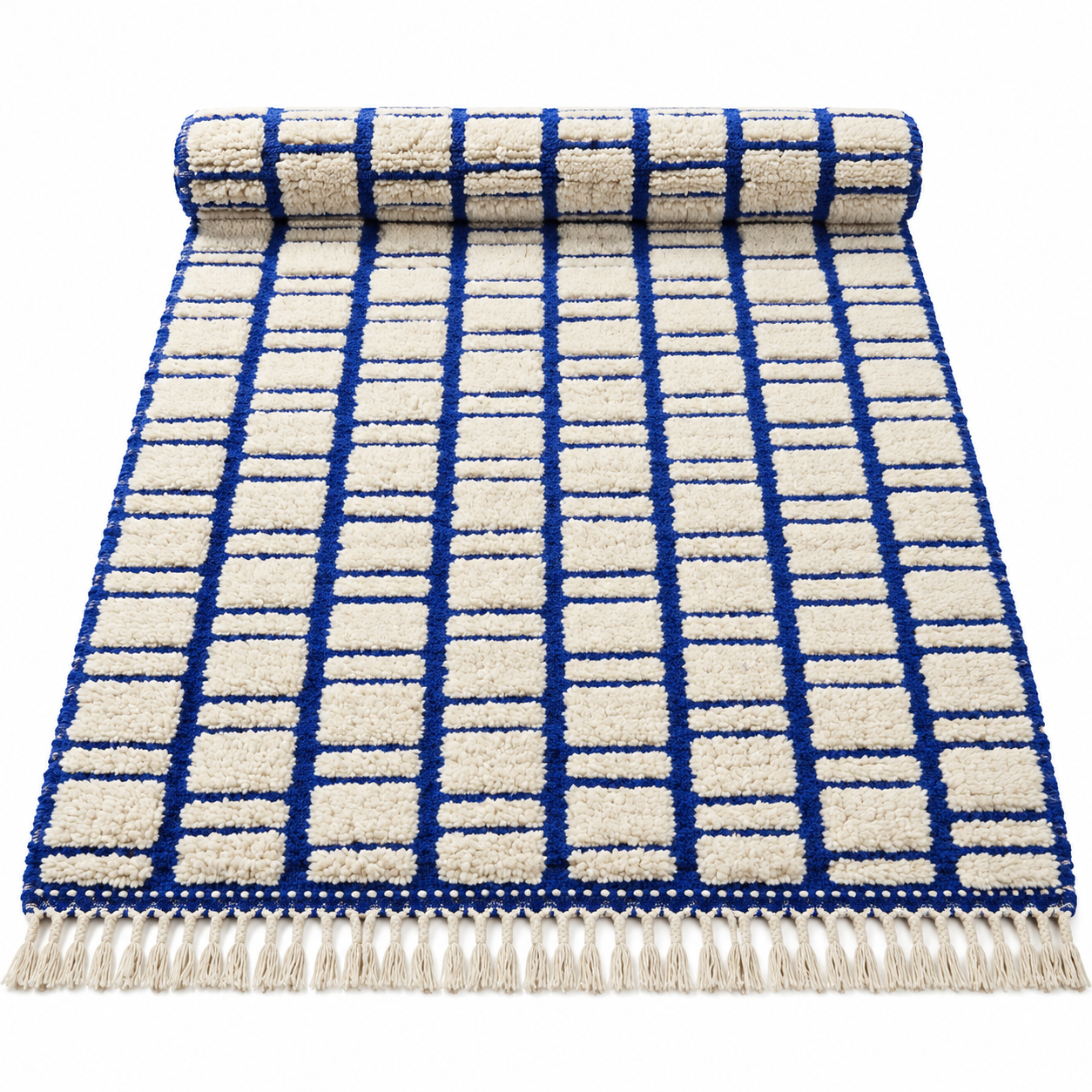
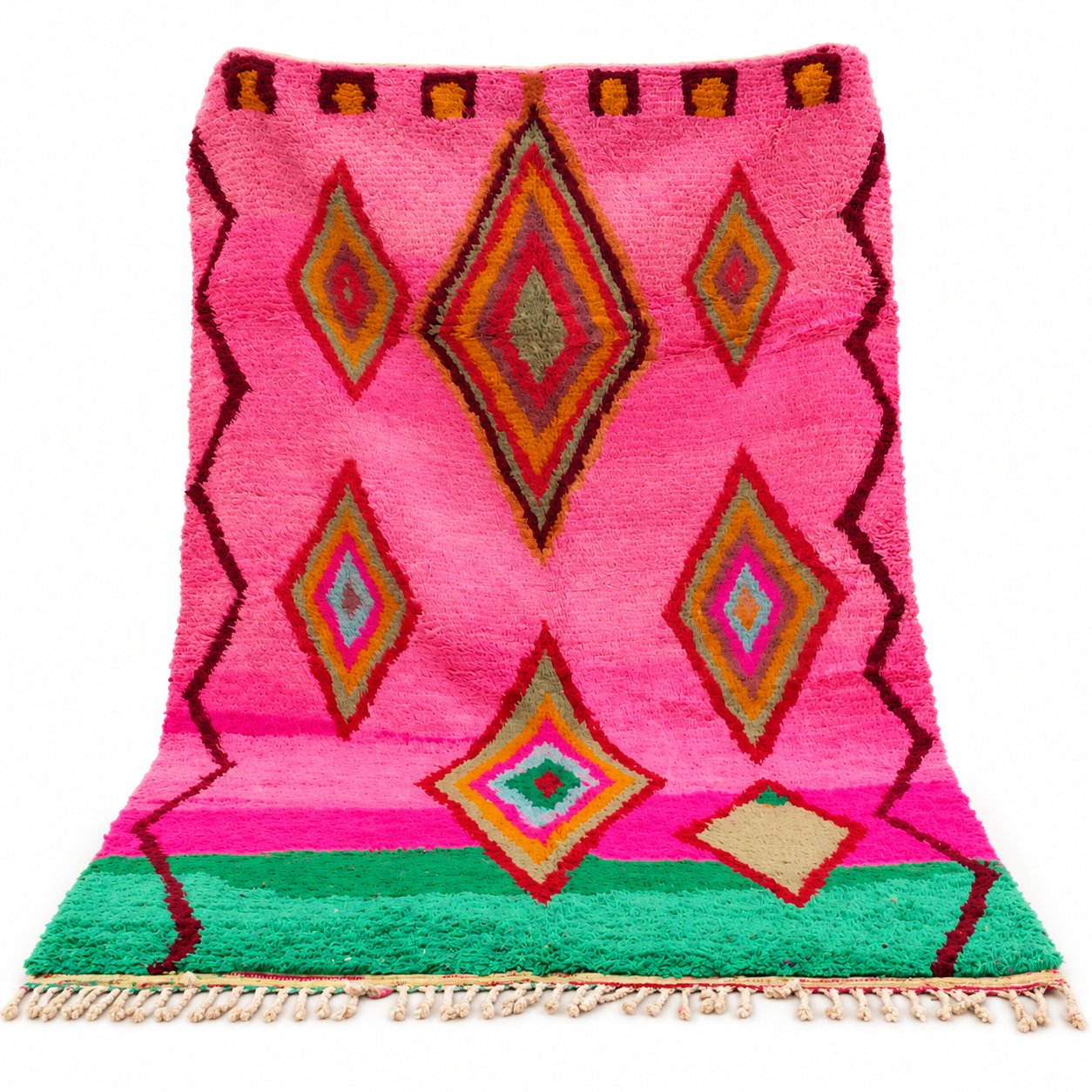
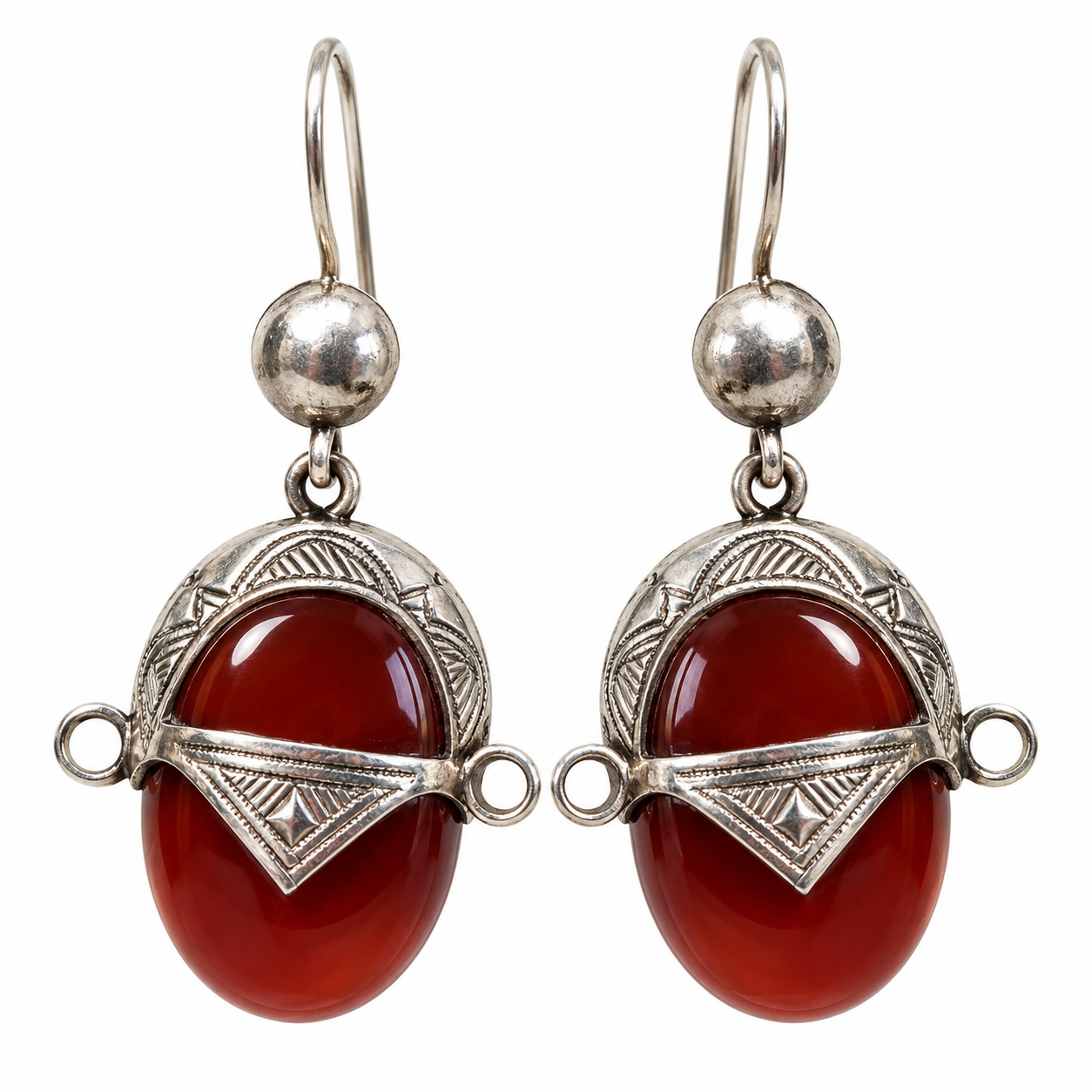
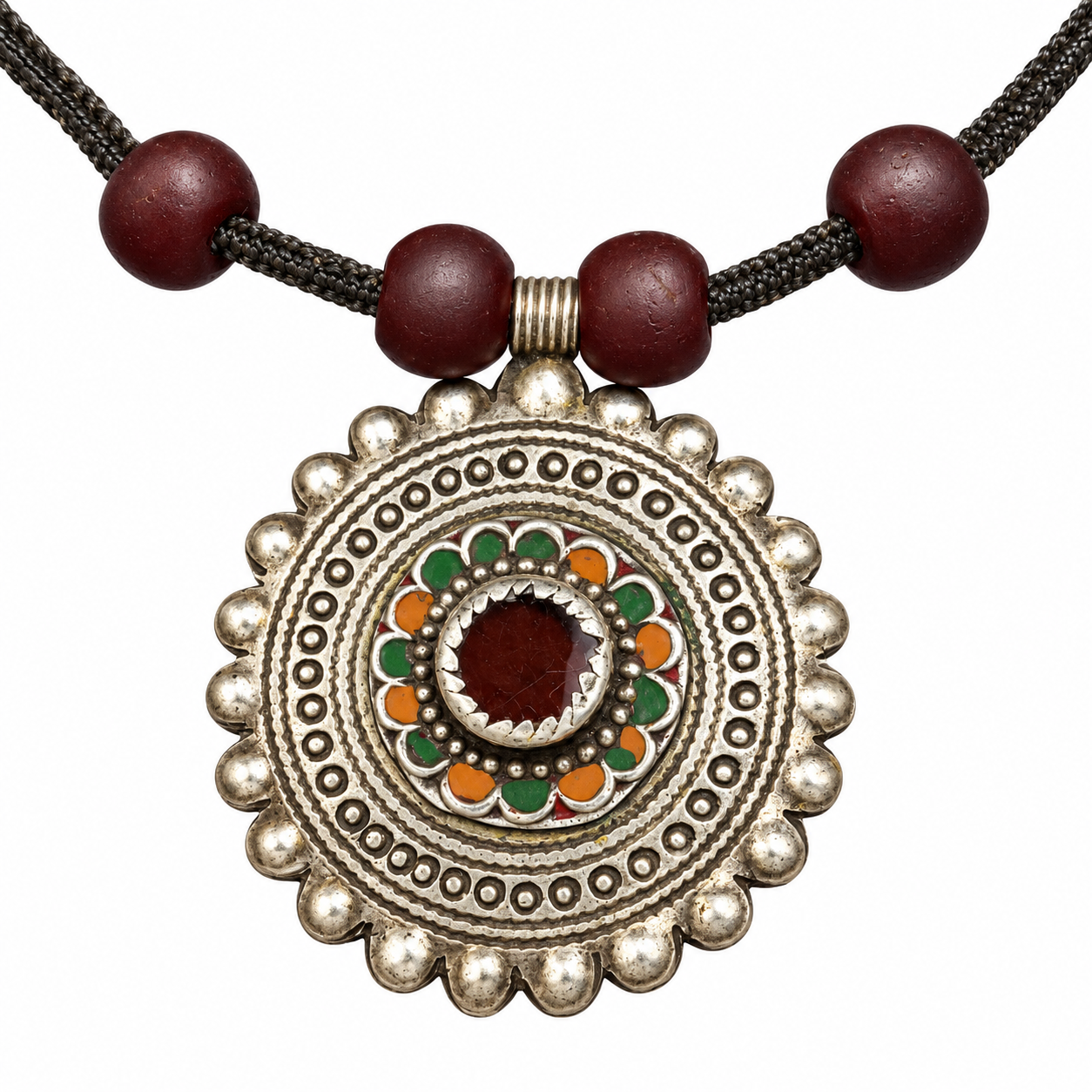
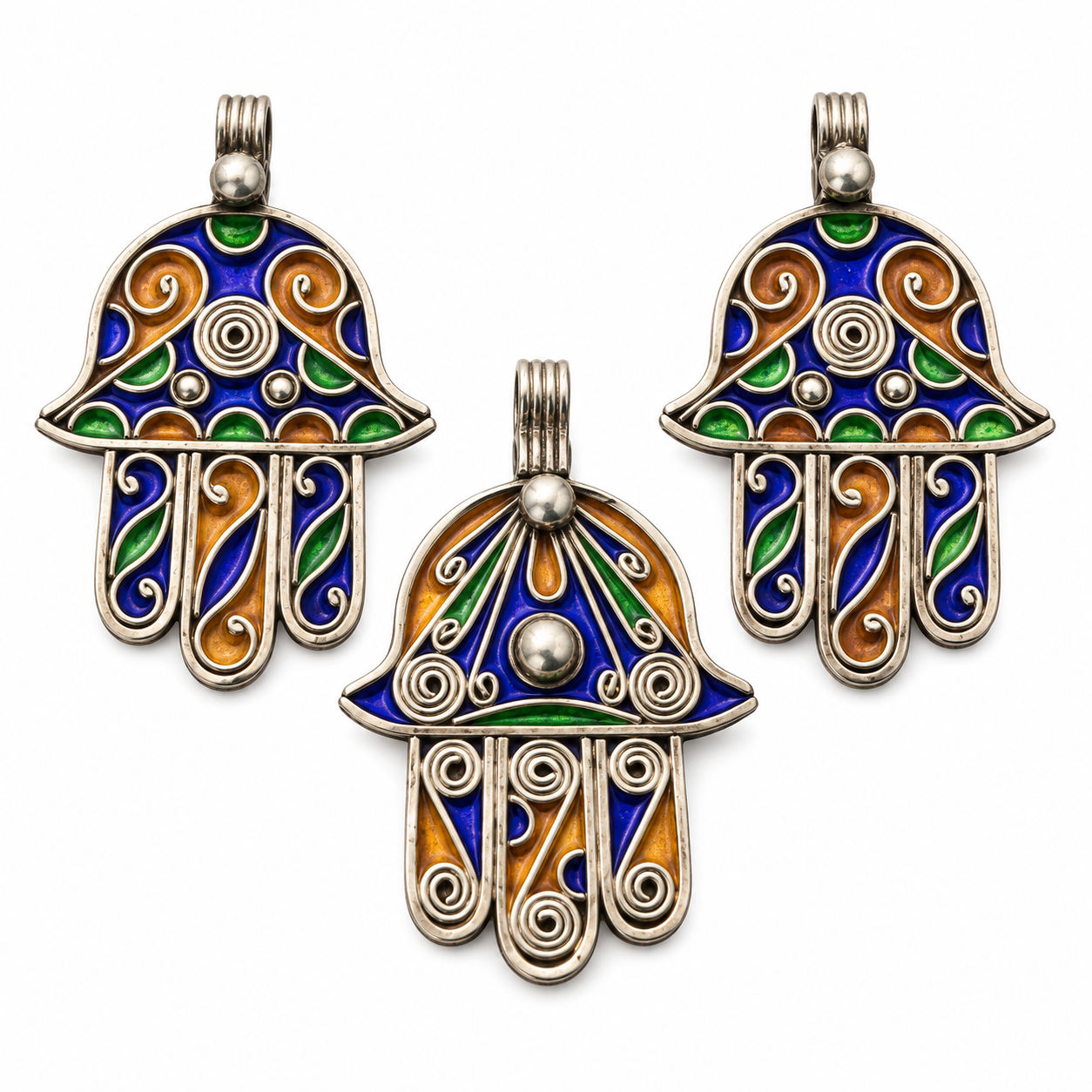
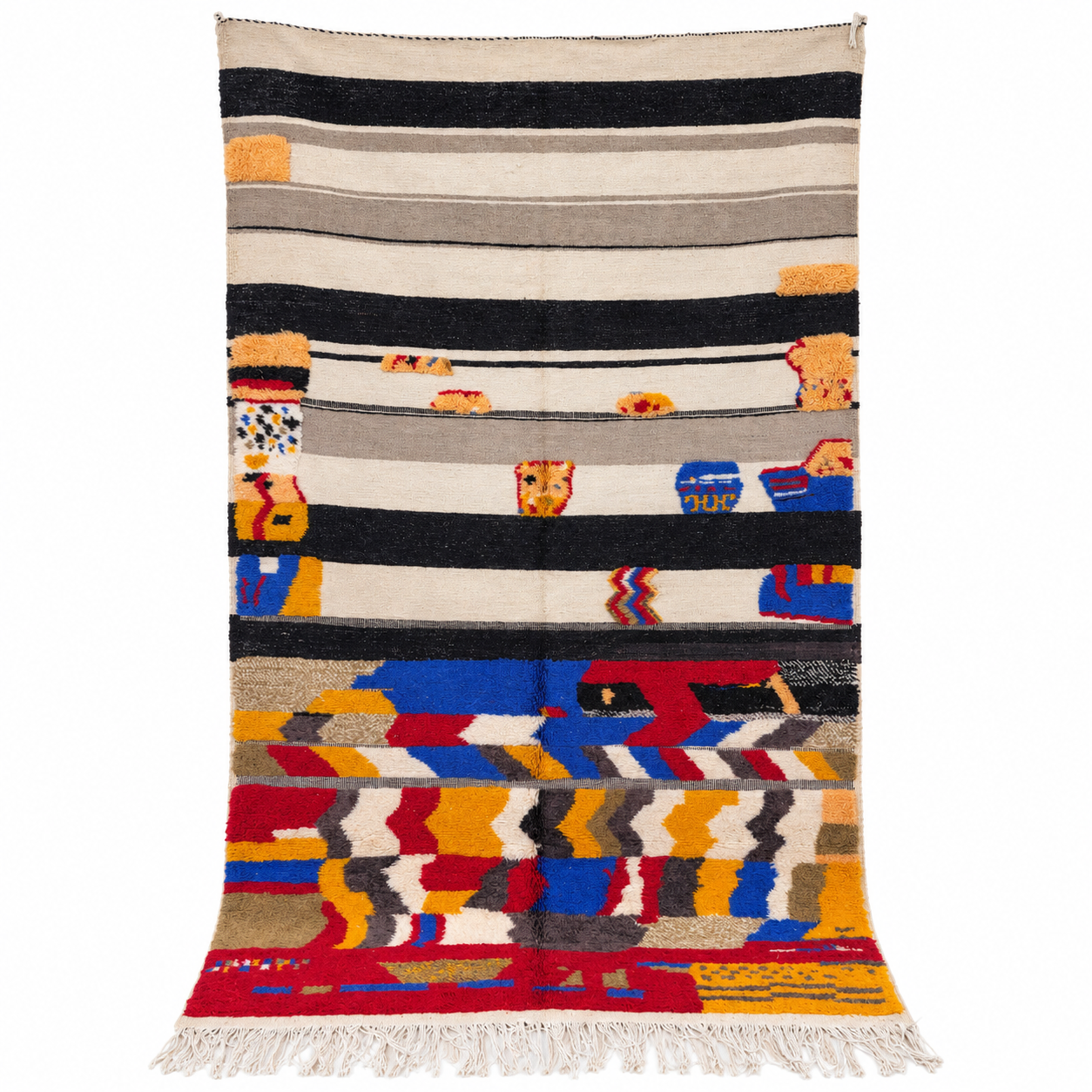
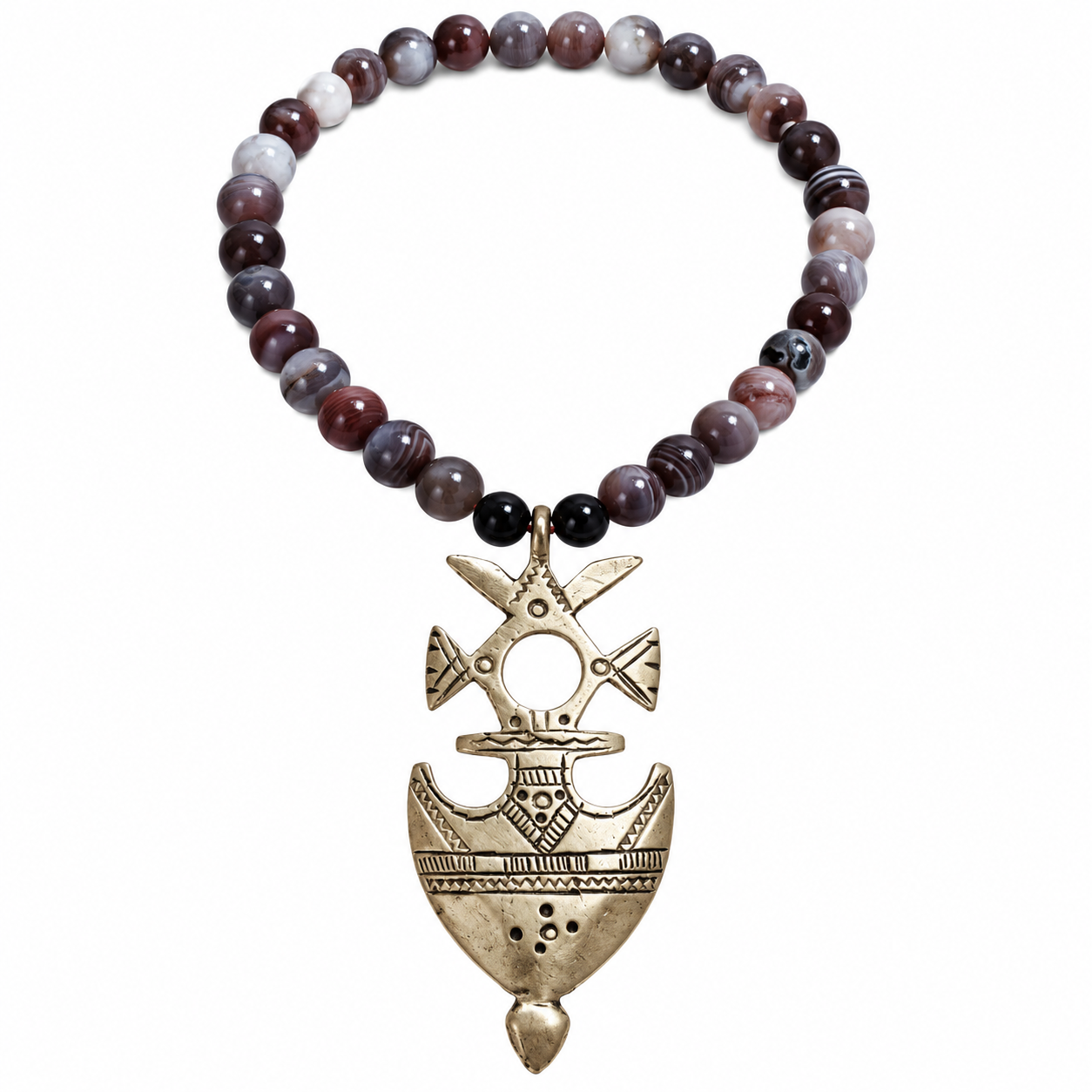
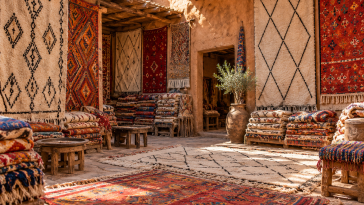
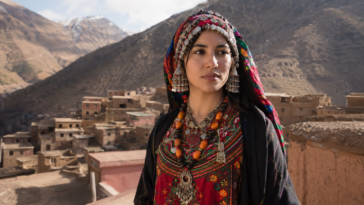
Traditional jewelry, embroidered garments, carpets, and decorative arts may appear during celebrations because they represent craftsmanship and cultural memory. These elements are not only decorative; they often carry stories, symbols, and connections to local heritage.
Modern Yennayer Celebrations Around the World
Today, Yennayer is celebrated both in North Africa and among Amazigh diaspora communities. Cultural associations, families, schools, and community organizations may organize events that combine traditional practices with modern activities.
Modern celebrations can include:
- Public cultural festivals.
- Language workshops.
- Traditional music performances.
- Food-sharing events.
- Educational activities about Amazigh history.
How to Learn About Yennayer Respectfully
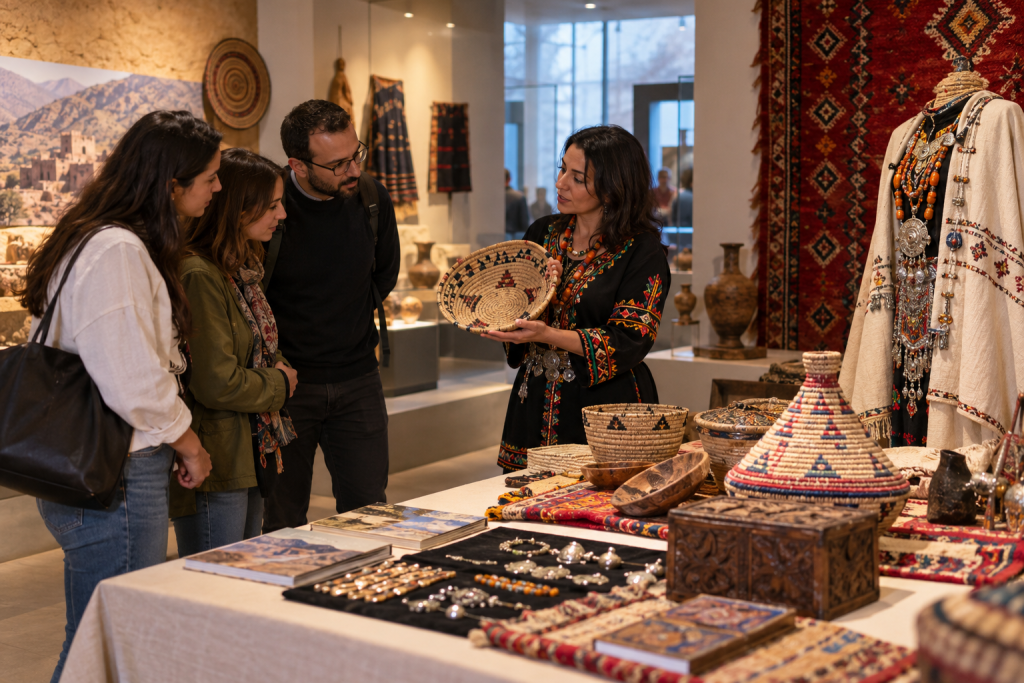
People interested in Yennayer can approach the celebration by learning from Amazigh communities themselves and recognizing regional diversity.
- Learn about the specific Amazigh region connected to a tradition.
- Explore Amazigh languages and local histories.
- Support Amazigh artists, cooks, and craftspeople.
- Avoid presenting one custom as the only authentic Yennayer tradition.
Yennayer as a Celebration of Memory, Food, and Identity
Yennayer represents more than a change of date. For many communities, it connects generations through shared meals, agricultural knowledge, family memories, and cultural expression. Its traditions show the diversity of Amazigh heritage and the continuing relationship between people, land, and history.
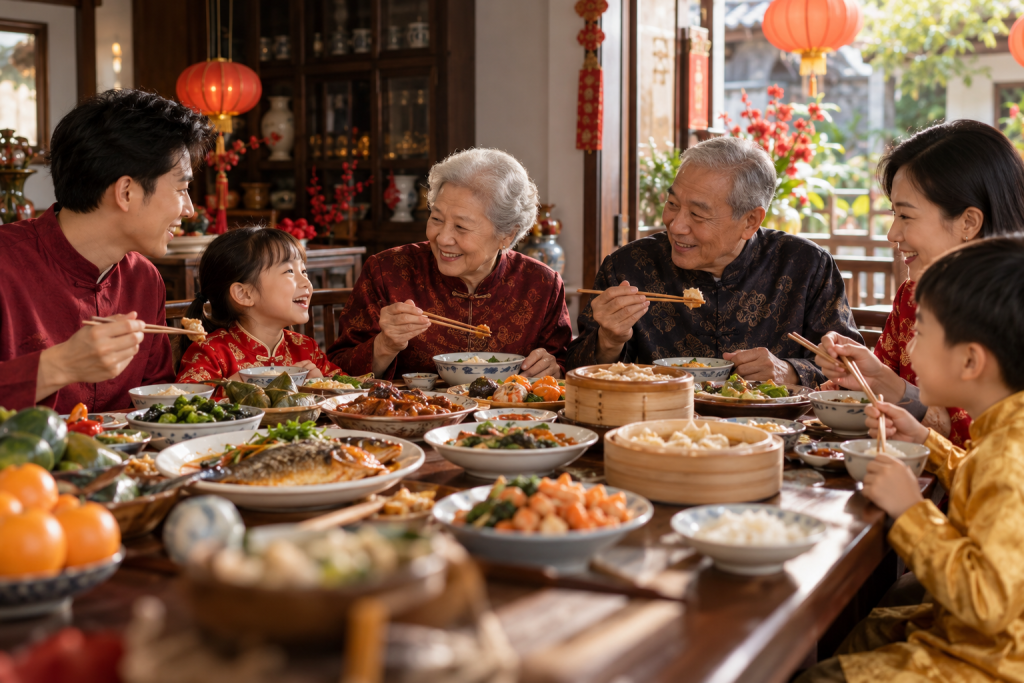
The Role of Hospitality in Yennayer Celebrations
Hospitality is one of the important values expressed during many Yennayer gatherings. Preparing food for relatives, neighbors, and guests reflects the wider Amazigh tradition of welcoming others through generosity. A celebration meal is not only about eating; it creates a space where knowledge, stories, and family connections are shared.
In many communities, older generations play an important role by explaining the meaning of dishes, customs, and seasonal practices to younger family members. Through these conversations, Yennayer becomes a way of preserving cultural memory rather than only a single annual event.
Traditional Ingredients Connected With the Winter Season
Grains and Agricultural Heritage
Because Yennayer is connected with agricultural life, ingredients commonly used during the celebration often reflect traditional farming systems. Wheat, barley, and other grains have long been important parts of North African rural diets. Their presence in festive meals can represent nourishment, continuity, and hopes for a productive year.
Local Products and Regional Cuisine
The foods prepared for Yennayer depend strongly on geography. Mountain communities, farming areas, coastal regions, and desert communities have access to different ingredients and therefore develop different culinary expressions. This diversity is an important reminder that Amazigh cuisine is not a single style but a collection of regional food traditions.
Children, Education, and Passing Traditions Forward
For many families, Yennayer provides an opportunity to introduce children to Amazigh history and cultural practices. Young people may learn traditional songs, stories, recipes, or words from Amazigh languages spoken by their families or communities.
Educational activities connected with Yennayer can also encourage interest in traditional crafts, local history, and the relationship between communities and their environment. The celebration can serve as a bridge between older generations who preserve memories of past customs and younger generations who continue adapting traditions in new contexts.
Language and Storytelling During Amazigh New Year
Amazigh languages are an important part of cultural identity, and storytelling has traditionally been a way of preserving knowledge. During cultural gatherings, stories about ancestors, villages, nature, and community values may be shared alongside music and food.
Different Amazigh languages and dialects, including Tamazight varieties spoken across North Africa, contain unique expressions connected with local landscapes and histories. Yennayer celebrations can provide an opportunity to appreciate this linguistic diversity.
Respecting Diversity Within Amazigh Heritage
Understanding Yennayer requires recognizing that Amazigh communities are diverse. Traditions from Kabylie, Morocco, the Sahara, Libya, Tunisia, and other areas may share common themes while maintaining their own local identities.
- Shared elements: seasonal renewal, family gatherings, cultural memory, and appreciation of food.
- Regional differences: celebration dates, recipes, clothing styles, songs, and local customs.
- Personal choices: some people celebrate actively, while others connect with Amazigh heritage in different ways.
This diversity does not make one tradition more authentic than another. Instead, it shows how cultural practices evolve while remaining connected to shared histories and values.
Yennayer Beyond a Holiday: A Living Cultural Practice
Yennayer continues to evolve as Amazigh communities interact with modern life, migration, and global cultural exchange. Some celebrations take place in traditional family settings, while others appear in public cultural programs, schools, and community organizations.
The continuing interest in Yennayer demonstrates how seasonal traditions can remain meaningful across generations. By combining food, language, music, and family connections, the celebration keeps cultural knowledge active while allowing communities to express their identity in changing environments.
Conclusion: The Continuing Meaning of Amazigh New Year
The Amazigh New Year remains a meaningful cultural occasion for many communities. While celebrations differ across regions, common themes of renewal, generosity, family, and respect for nature continue to shape Yennayer traditions. Understanding these differences allows the celebration to be appreciated as a diverse and living heritage.
 No products in the cart.
Comments (7)