
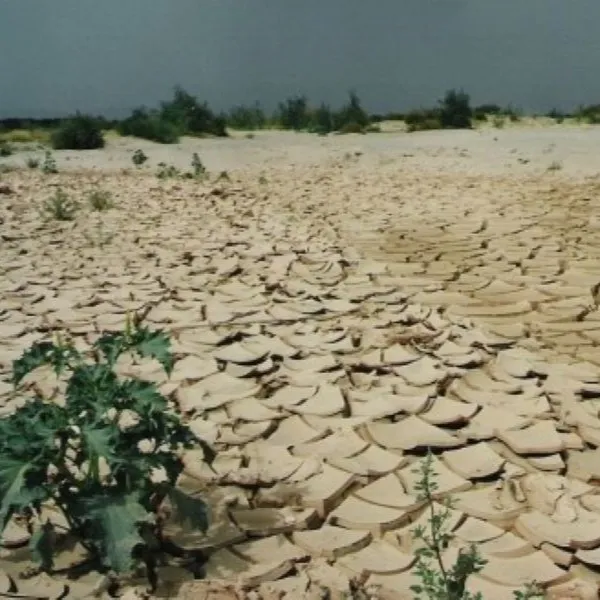
Across the mountains and rural landscapes of Morocco, traditional foods have often reflected more than taste. They reveal how communities adapted to difficult environments, preserved knowledge of local plants, and survived periods of scarcity. Among these forgotten foods is wainrî, a wild root once collected by some Amazigh communities during times of severe food shortage.
The Forgotten Story of an Amazigh Survival Food
Wainrî represents a chapter of rural history where knowledge of the natural environment was essential for survival. In communities facing poor harvests or limited grain supplies, people relied on plants growing around them and developed methods to transform them into usable food.
The story of this root comes from historical descriptions of Amazigh communities in southern Morocco. These accounts show how traditional ecological knowledge allowed families to identify plants, prepare them carefully, and use available resources during difficult periods.
Unlike everyday foods prepared for celebrations or family meals, wainrî belonged to a category of emergency foods. It was associated with necessity rather than abundance, showing the difficult relationship between people and their environment during times of hardship.
A Plant Known by Different Amazigh Names

One interesting aspect of wainrî is the diversity of names used by different Amazigh groups. Communities living in separate regions often developed their own vocabulary for the same plant, reflecting the richness of Amazigh languages.
Among some groups it was known as wainrî, while other communities used related names such as ainrî or agërni. These differences demonstrate how local languages preserve specific knowledge about plants, landscapes, and traditional practices.
The plant associated with these names belongs to the arum family and is identified as Arisarum vulgare. Its presence across different regions meant that knowledge of its preparation was shared among communities living in various environments.
Traditional Preparation and the Knowledge Behind It

Preparing a wild root for food required experience and careful processing. Traditional methods involved washing the roots, drying them, crushing them, and using extended cooking methods before turning them into a coarse flour.
This flour could then be used to prepare simple foods such as bread or couscous. The process required patience and knowledge because wild plants often needed special preparation before they could be consumed.
The preparation of wainrî illustrates an important aspect of traditional Amazigh knowledge: food was not only produced through farming but also through understanding forests, fields, and uncultivated landscapes.
Food During Times of Scarcity

Wainrî was not considered a prestigious dish or a festive ingredient. Historical descriptions present it as a food connected with difficult circumstances when normal supplies were insufficient.
Its existence reminds us that traditional food cultures include both celebration foods and survival foods. While couscous, bread, and regional dishes are often associated with hospitality, emergency foods reveal another side of rural life: adaptation and endurance.
Communities that depended on agriculture were vulnerable to drought, poor harvests, and economic difficulties. Knowledge of alternative food sources provided an additional resource during uncertain times.
Traditional Beliefs and Caution Around Wild Foods
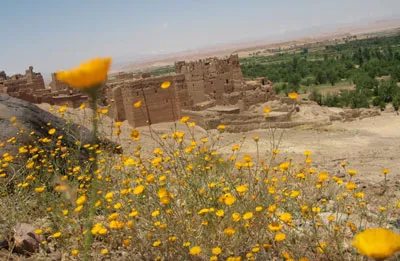
The history of wainrî also includes traditional beliefs about its use. Some communities believed that consuming too much of the root could have harmful effects, reinforcing the idea that it was a food requiring moderation.
Whether based on observation, cultural explanation, or inherited caution, such beliefs served an important social function: they encouraged careful consumption of a resource that was not part of normal daily nutrition.
Traditional knowledge often combined practical experience with stories and beliefs. Together, these elements helped communities remember which plants could be used, how they should be prepared, and when they were appropriate.
Children, Nature, and the Memory of the Plant
The same plant connected with hardship also appeared in childhood experiences. When the leaves emerged from the ground, children gave them imaginative names based on their shapes and appearance.
Different Amazigh communities associated the leaves with different images, including animals or mythical figures. These names reveal that plants were not only resources but also part of everyday observation, language, and childhood creativity.
This contrast is especially meaningful: adults saw the plant as a possible source of food during difficult periods, while children experienced it through play and imagination.
What Wainrî Teaches About Amazigh Heritage
The story of wainrî offers insight into the relationship between Amazigh communities and their landscapes. It demonstrates how traditional knowledge developed through close observation of nature and adaptation to changing conditions.
Today, forgotten foods like wainrî are valuable cultural memories. They remind us that heritage is not only found in monuments, crafts, and festivals but also in everyday knowledge about plants, preparation methods, and survival strategies.
Preserving these stories helps maintain a broader understanding of Amazigh culture, where resilience, environmental awareness, and creativity have always been closely connected.
The Role of Women in Preserving Plant Knowledge
Traditional knowledge about wild plants was often maintained within families and passed from one generation to another. Women played an important role in many rural communities by collecting, preparing, and teaching knowledge about ingredients used in household food practices.
The preparation of foods like wainrî required more than identifying a plant. It involved understanding the right season for collection, the appropriate methods of cleaning and processing, and the ways a food could be transformed into something suitable for the family.
This knowledge formed part of a wider relationship between people and their surroundings. Mountains, fields, and uncultivated areas were not separate from daily life but sources of materials, food, and practical lessons.
Amazigh Food Heritage Beyond Survival Foods
Although wainrî represents a difficult period in food history, it belongs to a much larger Amazigh culinary tradition. Amazigh cuisine has developed around adaptation to local environments, with different regions creating their own ingredients and preparation methods.
Mountain communities traditionally relied on crops that could survive local conditions, including barley, wheat, olives, nuts, legumes, and seasonal vegetables. Pastoral communities also used products from livestock, including milk, butter, and dried foods.
The contrast between everyday dishes and emergency foods reveals the flexibility of traditional cuisine. Communities developed rich food cultures while also maintaining knowledge that could help them face periods of uncertainty.
Traditional Ecological Knowledge in Amazigh Communities
Understanding the Local Environment
The story of wainrî demonstrates a broader principle found throughout Amazigh heritage: survival depended on detailed knowledge of nature. People observed plants, weather patterns, water sources, and agricultural cycles to make decisions that supported community life.
This knowledge was especially valuable in regions where rainfall was limited and farming conditions could change from year to year. Recognizing useful plants was part of a larger system of environmental awareness.
Balancing Use and Conservation
Traditional practices often included careful approaches to natural resources. Wild plants were collected when needed, and communities developed cultural rules and beliefs that encouraged moderation.
Such practices show that traditional food systems were not only about finding resources but also about maintaining a relationship with the environment that provided them.
Forgotten Foods as Historical Memory
Many traditional foods disappear when social conditions change. Improved transport, new agricultural methods, and access to different food products have reduced the need for emergency foods such as wainrî in many areas.
However, forgotten foods remain important historical records. They reveal how previous generations responded to challenges and how local knowledge helped communities adapt without relying on outside resources.
Studying these foods allows a deeper understanding of rural history. It shows that cultural heritage exists not only in famous monuments or artistic traditions but also in ordinary practices connected with daily survival.
The Cultural Value of Preserving Traditional Food Stories
Recording the history of foods like wainrî helps preserve voices and experiences that might otherwise disappear. Recipes, plant names, and preparation methods contain information about language, geography, and social relationships.
These stories also encourage appreciation for the knowledge behind traditional foods. A simple ingredient may represent generations of observation, experimentation, and adaptation.
For modern audiences, learning about Amazigh survival foods provides a reminder that food is closely connected with identity. It carries memories of landscapes, communities, and the people who developed ways to live within them.
Conclusion
Wainrî is more than a forgotten root used during times of hunger. It represents a connection between people, land, language, and memory. Through this survival food, we can better understand the practical knowledge and resilience that shaped traditional Amazigh life.











 No products in the cart.
Comments (8)