









Amazigh mythology includes a rich collection of oral traditions, legends, symbolic stories, and cultural memories passed through generations. Among the best-known figures connected with Amazigh rain traditions is Anzar, a figure associated in several recorded accounts with rain, water, and fertility.
Understanding Anzar in Amazigh Mythology
Anzar appears in documented Amazigh oral traditions as a figure connected with rainfall and the life-giving power of water. Stories about Anzar have been recorded in different Amazigh-speaking regions, especially in North Africa, but versions vary according to local languages, communities, and storytellers.
Anzar should not be understood as representing one single mythology shared identically by all Amazigh people. Amazigh communities include many regional cultures, and their oral traditions developed in different landscapes, from mountain villages to agricultural plains and desert areas.
Rain, Water, and Agriculture in Amazigh Oral Traditions
Rain has historically held deep importance for farming communities. In regions where agriculture depended on seasonal rainfall, stories and rituals connected with water reflected concerns about crops, animals, and community survival.
Traditional narratives about rain often express relationships between humans, nature, and the forces that influence the environment. These stories can include symbolic themes such as fertility, renewal, hope, and the uncertainty of seasonal cycles.
- Water: often represents life, renewal, and abundance.
- Rain: is connected with agricultural success and community wellbeing.
- Oral storytelling: preserves cultural knowledge and local interpretations.
Anzar Stories and Regional Variations
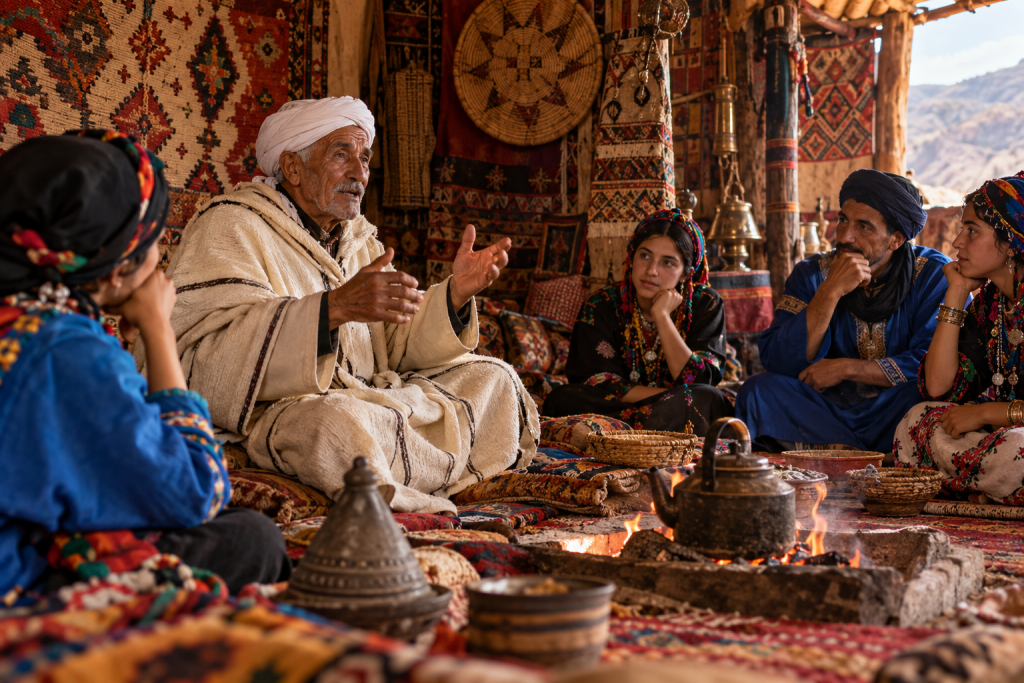
Recorded accounts of Anzar differ between regions. Some narratives describe Anzar as a powerful being connected with rain, while others focus on relationships between Anzar and human figures. These stories were traditionally transmitted orally, meaning that details could change as they moved between generations.
Scholars studying Amazigh folklore generally examine these narratives as cultural texts that reveal ideas about nature, society, symbolism, and traditional worldviews. Individual versions should be understood within their specific regional context rather than combined into one universal story.
Storytelling as Cultural Memory
Oral traditions are not fixed documents. Storytellers adapt narratives depending on audience, location, and historical context. This flexibility is a key characteristic of folklore and helps explain why different communities may preserve different versions of the same figure or theme.
Rain Rituals and Seasonal Practices
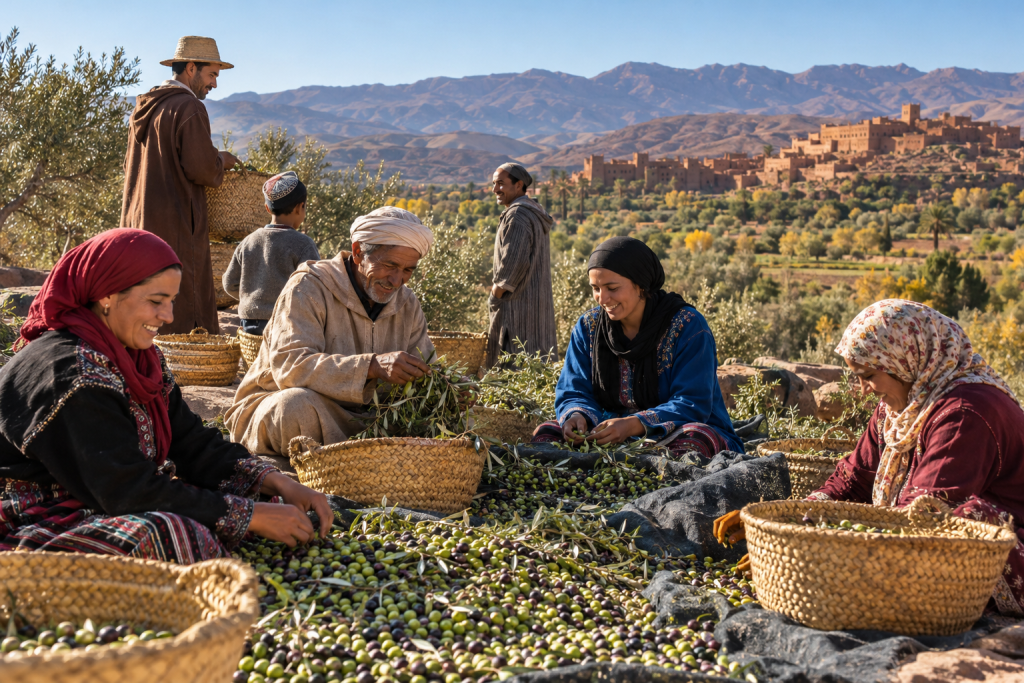
Some Amazigh communities have recorded traditions connected with requesting rain during periods of drought. These practices may involve songs, symbolic objects, processions, or community gatherings. Their forms differ considerably depending on the region.
Rain-related customs should be understood as cultural practices and folklore traditions. They do not necessarily represent the religious beliefs or daily practices of contemporary Amazigh people today.
Folklore, Ritual, and Scholarly Interpretation
When studying Amazigh mythology, it is important to distinguish between different types of information:
| Category | Meaning |
|---|---|
| Folklore accounts | Stories, songs, and traditions preserved through oral transmission. |
| Ritual descriptions | Recorded community practices connected with cultural events or seasonal needs. |
| Scholarly interpretations | Academic analysis of symbols, meanings, and historical context. |
| Creative retellings | Modern artistic versions inspired by traditional themes. |
This distinction helps avoid presenting every interpretation as a historical fact. Folklore research often works with narratives that contain symbolism rather than direct records of past events.
The Role of Oral Traditions in Amazigh Culture
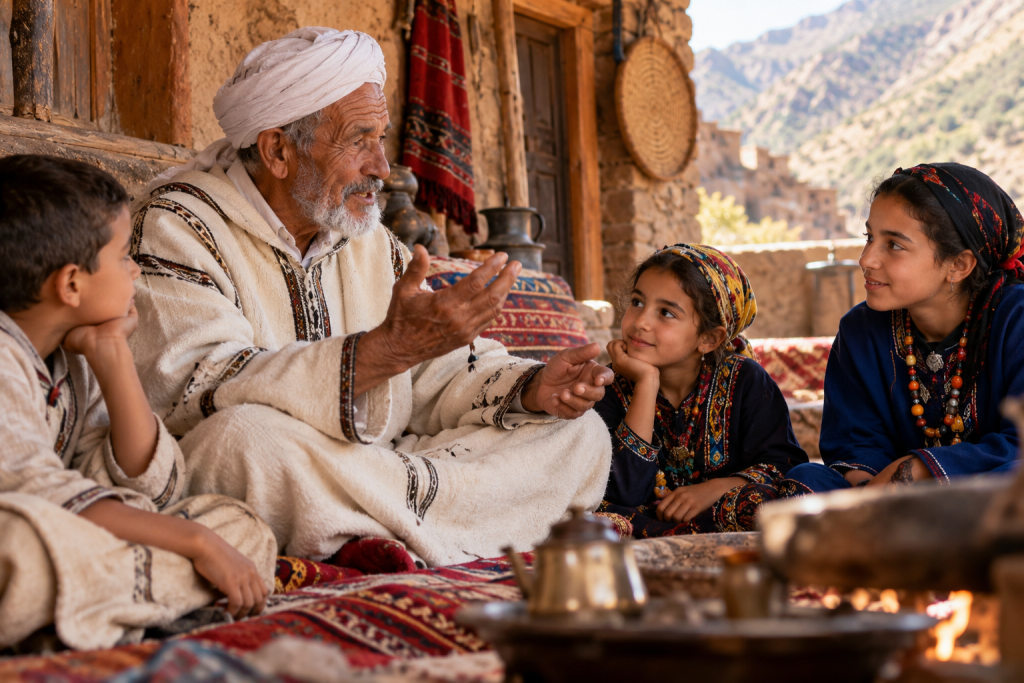
For many Amazigh communities, oral traditions have been essential for preserving knowledge. Before written records became widespread in many areas, stories, poems, songs, and family histories carried cultural information across generations.
Oral traditions have preserved themes connected with:
- Relationships between humans and the natural world.
- Community values and social responsibilities.
- Historical memories and local identities.
- Lessons expressed through symbolic stories.
What the Sources Tell Us—and What Remains Uncertain
Research on Anzar provides evidence that rain-related narratives and traditions have been documented among Amazigh-speaking communities. However, the exact origins, meanings, and development of these traditions remain subjects of scholarly discussion.
Available sources can describe recorded versions of stories, but they cannot always prove how widely a belief was shared in the distant past or whether every Amazigh community understood the figure in the same way.
Important points to remember include:
- Anzar is documented in Amazigh folklore studies.
- Different regions preserve different versions of related narratives.
- Traditional stories should not automatically be treated as descriptions of modern religious beliefs.
- Some historical connections remain open to interpretation.
Anzar in Modern Amazigh Cultural Expression
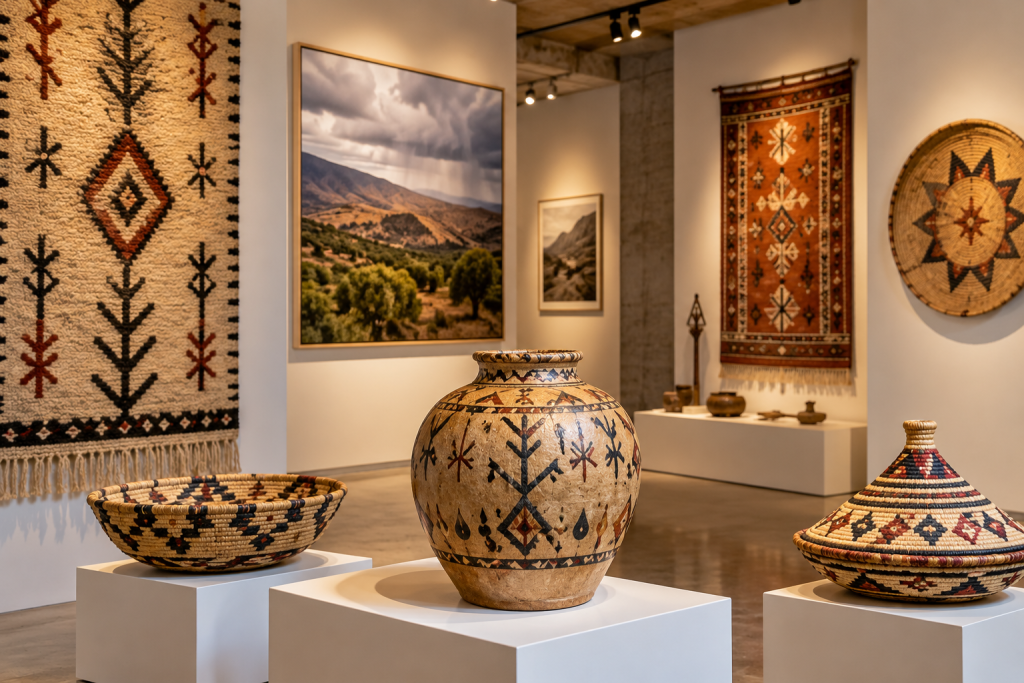
Today, Anzar continues to appear in discussions of Amazigh heritage, literature, art, and cultural education. Writers and artists may use figures from folklore as symbols of identity, nature, and collective memory.
Modern interpretations can differ from traditional storytelling. Some creative works emphasize environmental themes, while others focus on cultural preservation and the importance of oral heritage.
Learning About Amazigh Mythology Respectfully
Studying Amazigh mythology requires attention to regional diversity and historical context. Rather than searching for one complete mythology system, it is more accurate to explore the many local traditions that developed among Amazigh communities.
- Read regional studies and documented folklore collections.
- Learn about the Amazigh language community connected with a story.
- Separate recorded traditions from modern artistic interpretations.
- Recognize that cultures change over time.
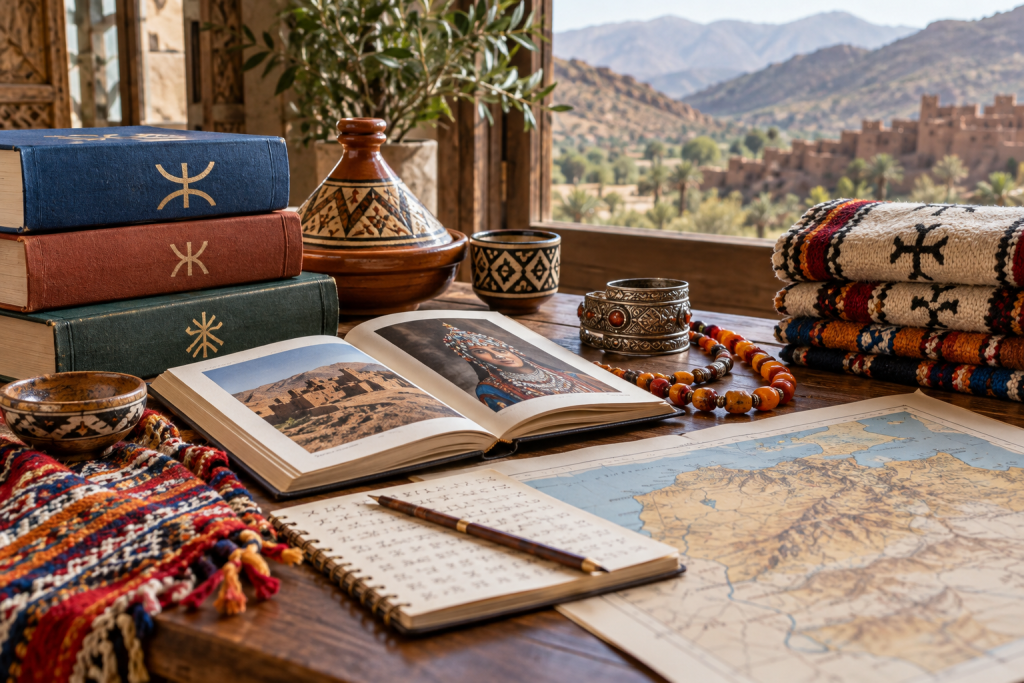
The Continuing Importance of Anzar and Amazigh Folklore
Anzar remains an important example of how Amazigh oral traditions connect human life with the natural environment. Through stories about rain, water, and fertility, these traditions preserve ways of understanding the relationship between communities and the world around them.
Although interpretations differ, the study of Anzar offers insight into the richness of Amazigh folklore and the importance of protecting oral heritage.
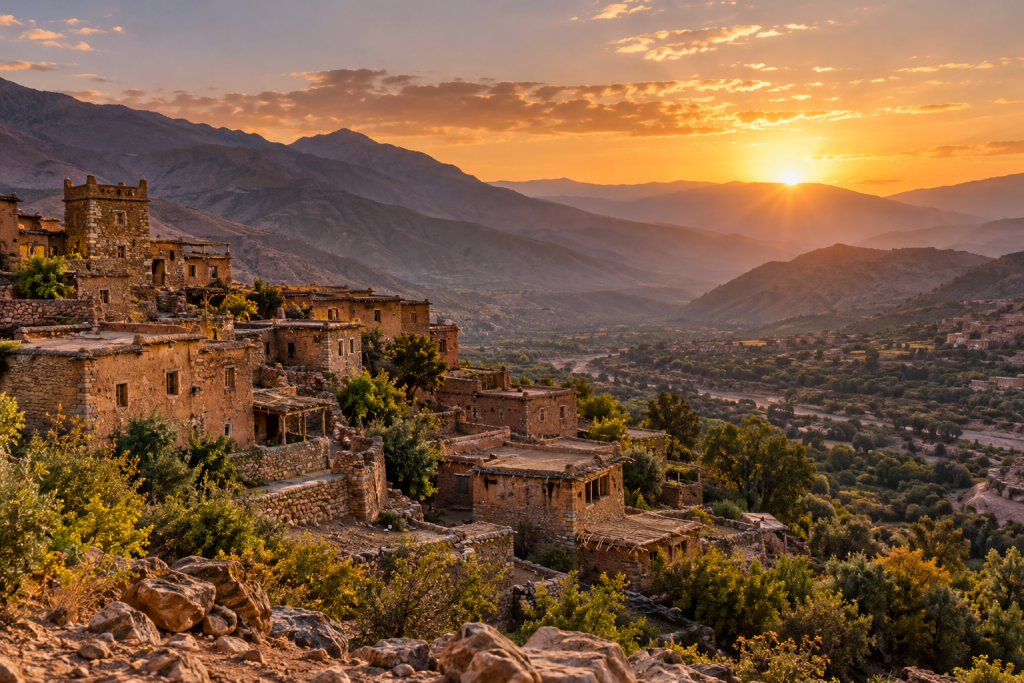
Nature and Symbolism in Amazigh Folklore
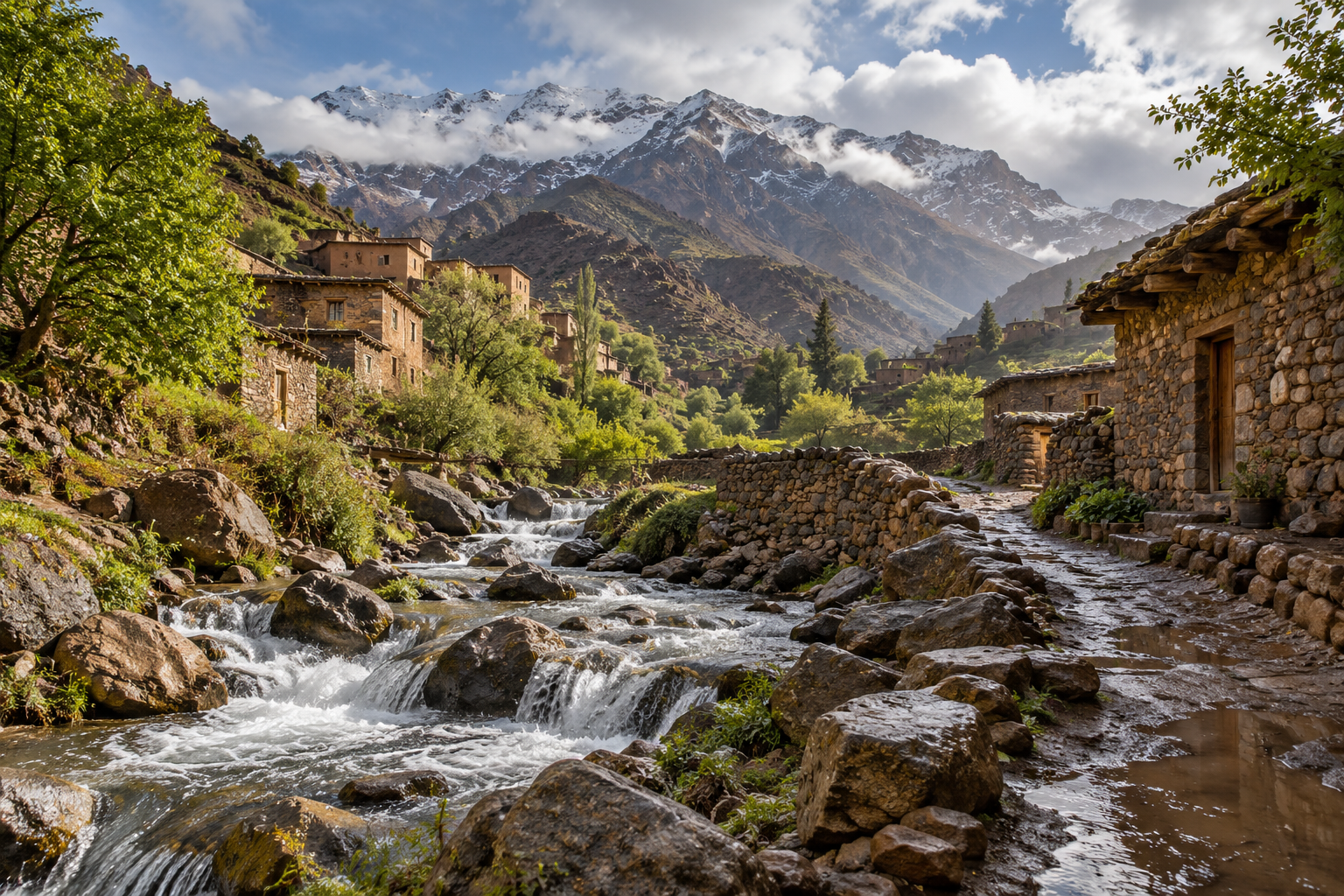
Many Amazigh oral traditions explore the relationship between people and the natural world. Mountains, rivers, animals, trees, and weather patterns often appear as meaningful elements within stories. These elements reflect the importance of the environment in communities whose histories have been closely connected with agriculture, pastoral life, and seasonal changes.
In this context, Anzar can be studied as part of a wider tradition where natural forces are represented through symbolic narratives. Rain is not only a physical event but also a powerful cultural image connected with survival, renewal, and the connection between human communities and their surroundings.
Symbols of Fertility and Renewal
Water-related stories often contain themes of continuation and regeneration. In agricultural societies, the arrival of rain could determine the success of crops and the availability of resources. Folklore surrounding rain therefore reflects practical concerns as well as symbolic meanings connected with hope and balance.
How Researchers Study Amazigh Mythological Traditions
Researchers studying Amazigh mythology use different types of evidence, including oral recordings, linguistic studies, historical documents, ethnographic research, and collections of traditional narratives. Because many traditions were transmitted orally, researchers must consider how stories changed through time and across locations.
A recorded story represents a particular version shared by a specific community or storyteller. It does not necessarily represent every Amazigh community or prove that the same interpretation existed everywhere. This approach allows folklore studies to recognize both shared patterns and local differences.
The Importance of Regional Context
Regional context is essential when exploring Amazigh legends. A story collected in one area may contain references to local landscapes, agricultural practices, or social customs that are not present in another region.
- Language: words and meanings can change between Amazigh language varieties.
- Environment: mountain, coastal, agricultural, and desert communities develop different relationships with nature.
- Community history: local experiences influence how stories are remembered and explained.
From Oral Tradition to Written and Artistic Forms
For generations, Amazigh folklore existed mainly through spoken forms such as storytelling, songs, and poetry. In modern times, many of these traditions have also been collected in written works, studied academically, and represented through literature and visual arts.
This transition does not mean that written versions replace oral traditions. Instead, written and artistic forms provide additional ways for communities and researchers to preserve, discuss, and share cultural knowledge.
Creative Retellings and Cultural Inspiration
Modern artists may reinterpret figures such as Anzar to explore themes including environmental awareness, cultural identity, and the relationship between humans and nature. These creative works should be understood as new interpretations inspired by folklore rather than direct copies of traditional narratives.
Why Anzar Remains Relevant Today
The continued interest in Anzar reflects a broader appreciation for Amazigh heritage and the value of oral traditions. Stories connected with rain and nature remain meaningful because they address universal themes: dependence on the environment, community cooperation, and the search for harmony between people and the world around them.
For Amazigh communities and researchers alike, folklore provides a way to explore history, language, and cultural expression. The study of Anzar demonstrates how traditional narratives can survive while gaining new meanings in different generations.
Exploring Amazigh Mythology Beyond Anzar
Although Anzar is an important example, Amazigh mythology includes many other legends, characters, symbols, and storytelling traditions. Different regions preserve their own narratives about heroes, ancestors, animals, natural landscapes, and supernatural beings.
Studying these traditions together reveals the complexity of Amazigh cultural heritage. Rather than a single mythology with one fixed structure, Amazigh folklore is better understood as a collection of interconnected traditions shaped by many communities.
Conclusion: A Living Tradition of Stories and Symbols
Amazigh mythology is a diverse field shaped by many communities, languages, and landscapes. The traditions surrounding Anzar show how folklore can preserve cultural memory while continuing to inspire new generations. Understanding these stories with care allows their complexity and regional diversity to remain visible.
 No products in the cart.
Comments (30)