
Item highlights
- ⌁Designed by Amazigh Shop
- ⌁Brand: WoB
- ⌁Product Name: Amazigh Arts in Morocco Rug
- ⌁Style: Amazigh, Berber, Ait Khabbash cultural arts
- ⌁Use: Decorative rug and cultural home accent
- ⌁Gift wrapping available
Product Name: Amazigh Arts in Morocco Rug
Style: Amazigh, Berber, Ait Khabbash cultural arts
Use: Decorative rug and cultural home accent
What It Is
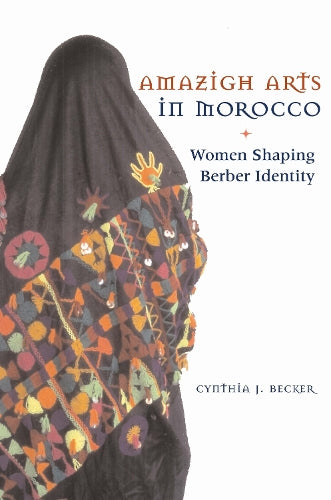
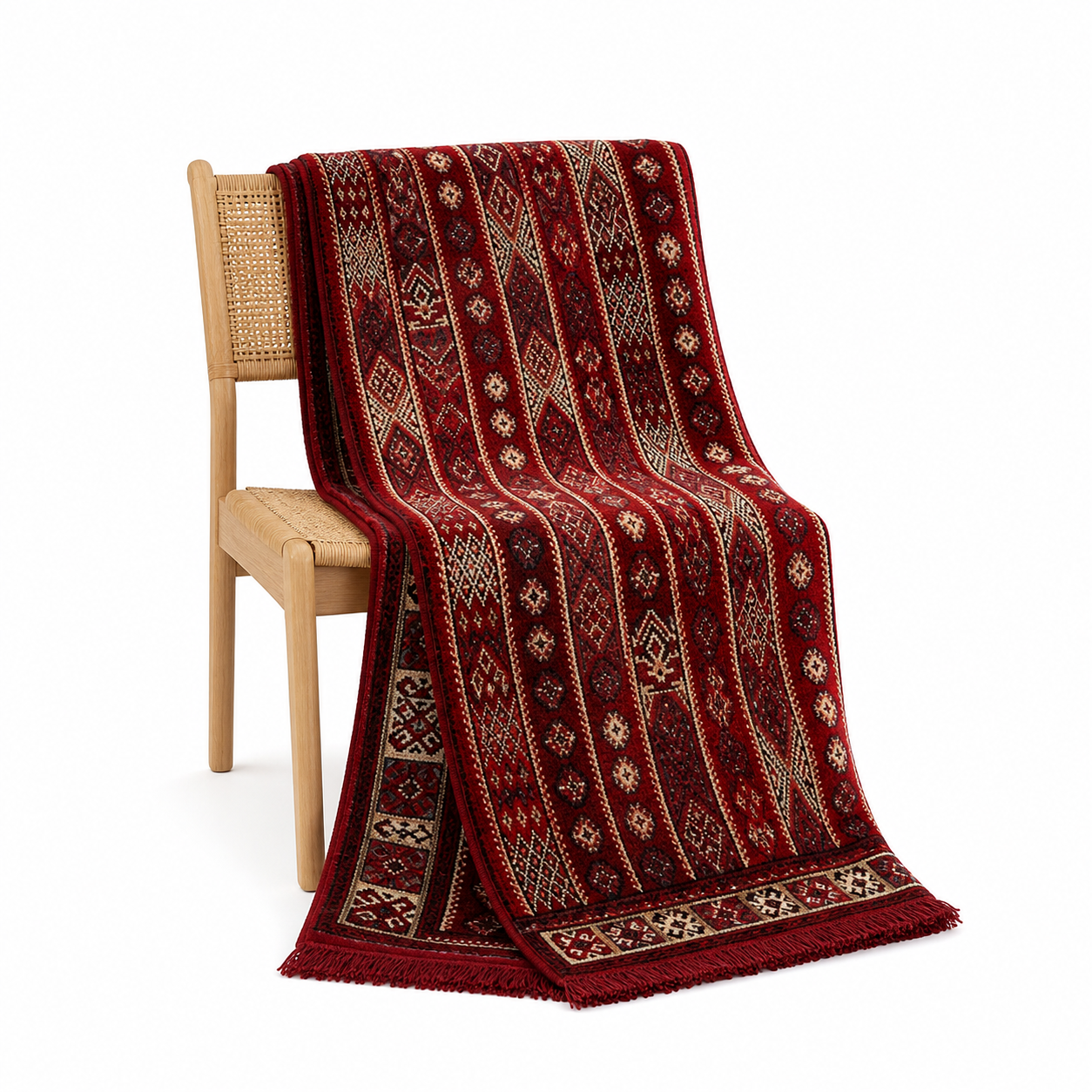
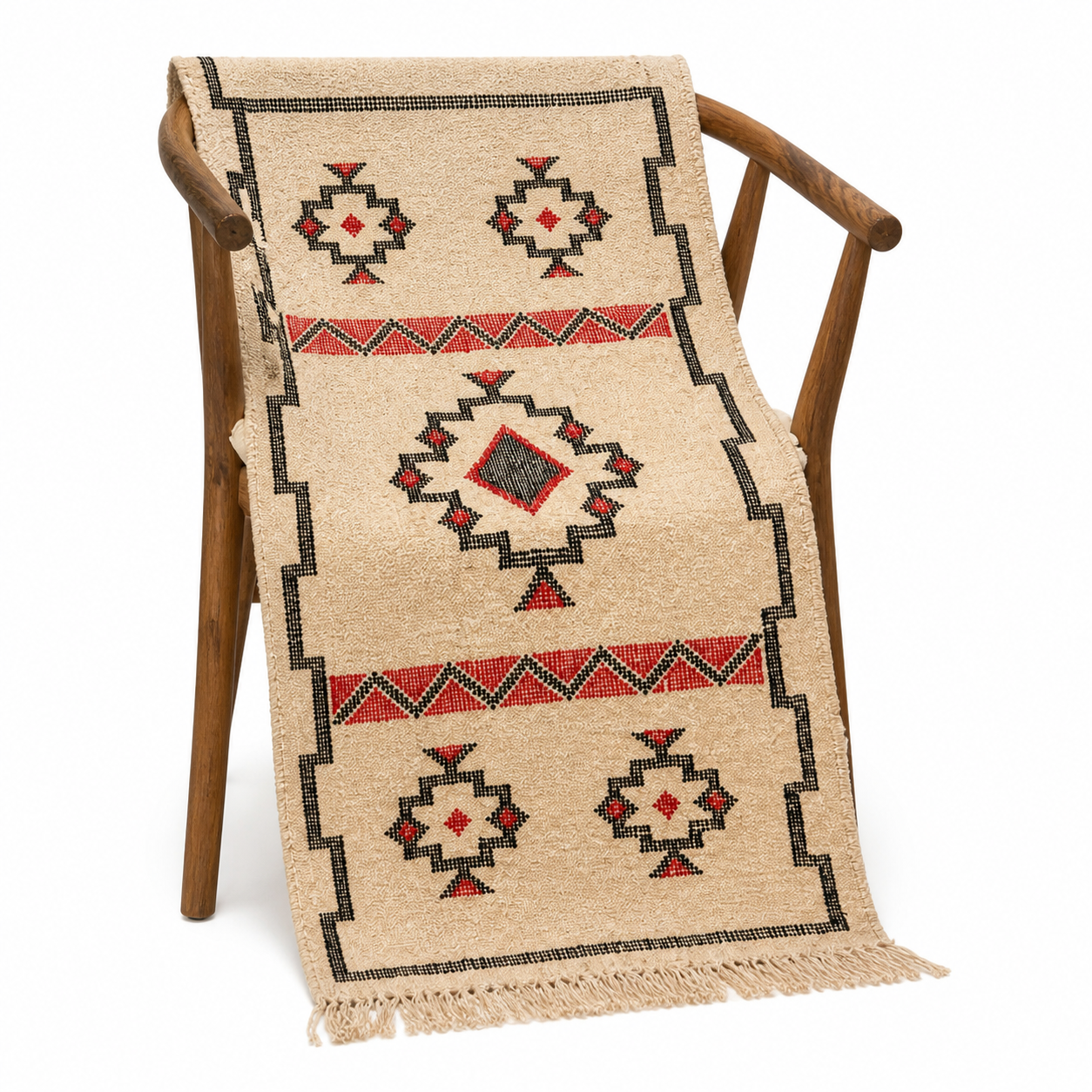
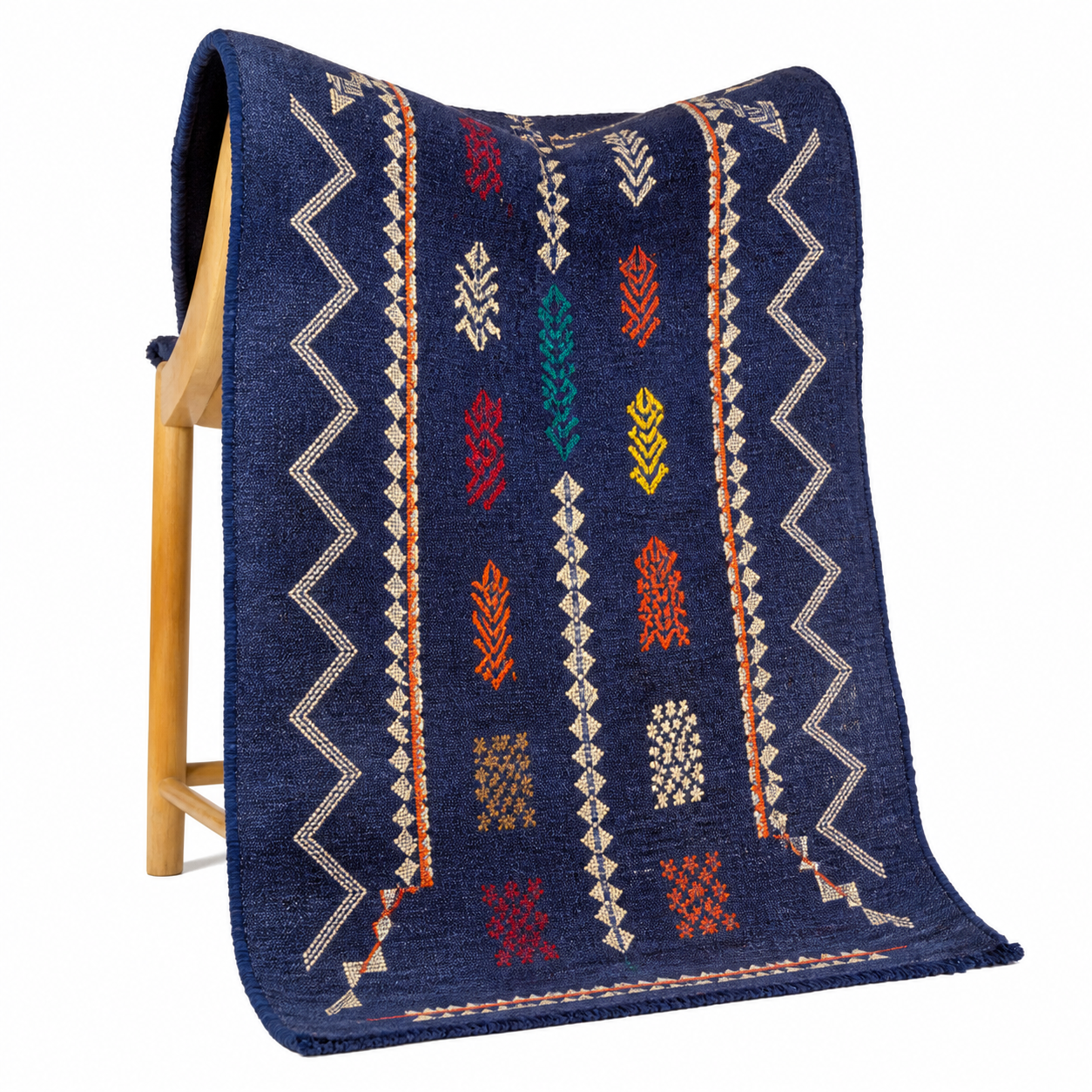
The Amazigh Arts in Morocco Rug is a decorative rug whose cultural context is connected with the Ait Khabbash people of southeastern Morocco. Carpet weaving holds an important place in the artistic traditions described around this community, where brightly colored carpets appear alongside ornate jewelry and other forms of visual expression.
This rug carries the name Amazigh Arts in Morocco, a title associated with Cynthia Becker’s examination of Amazigh artistic culture and women’s roles in Islamic North Africa. Within that cultural setting, carpets are especially relevant because weaving is specifically identified as an artistic practice associated with Ait Khabbash women.
Ait Khabbash Carpet Tradition
The Ait Khabbash people are associated with brightly colored carpets, making woven floor textiles an important part of the cultural context surrounding the Amazigh Arts in Morocco Rug. These carpets belong to a broader artistic environment in which personal adornment, jewelry, color, and textile work all contribute to visual expression.
Women occupy an important place in this artistic context. Carpet weaving is identified as work typically undertaken by women, connecting textile creation with a wider story about women’s creativity and their roles within social and religious life in North Africa.
The Amazigh Arts in Morocco Rug therefore carries a cultural identity grounded in the documented importance of carpets within Ait Khabbash artistic life. It can be appreciated as a decorative rug while also recalling the role textile arts play within Amazigh cultural expression.
Color and Visual Character
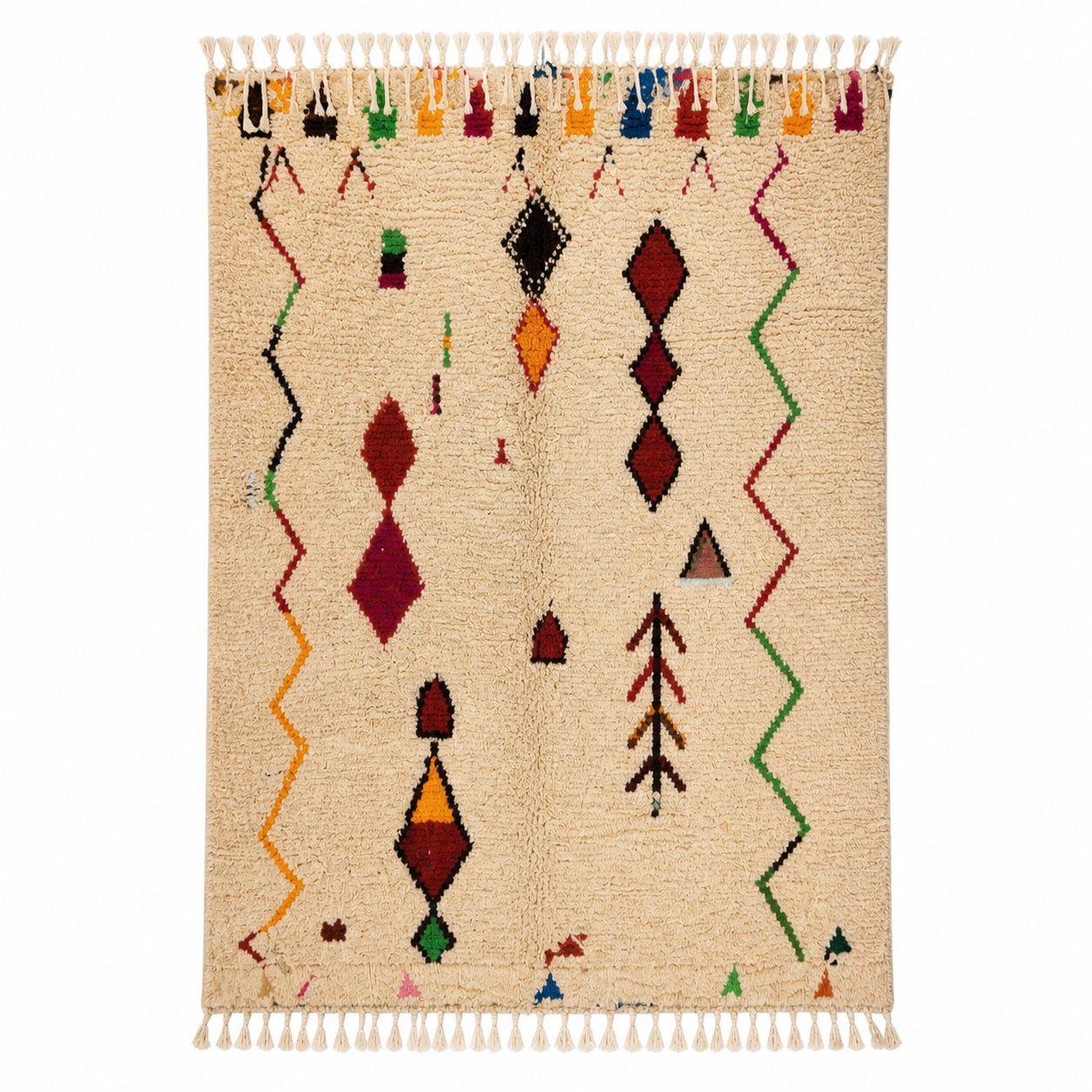
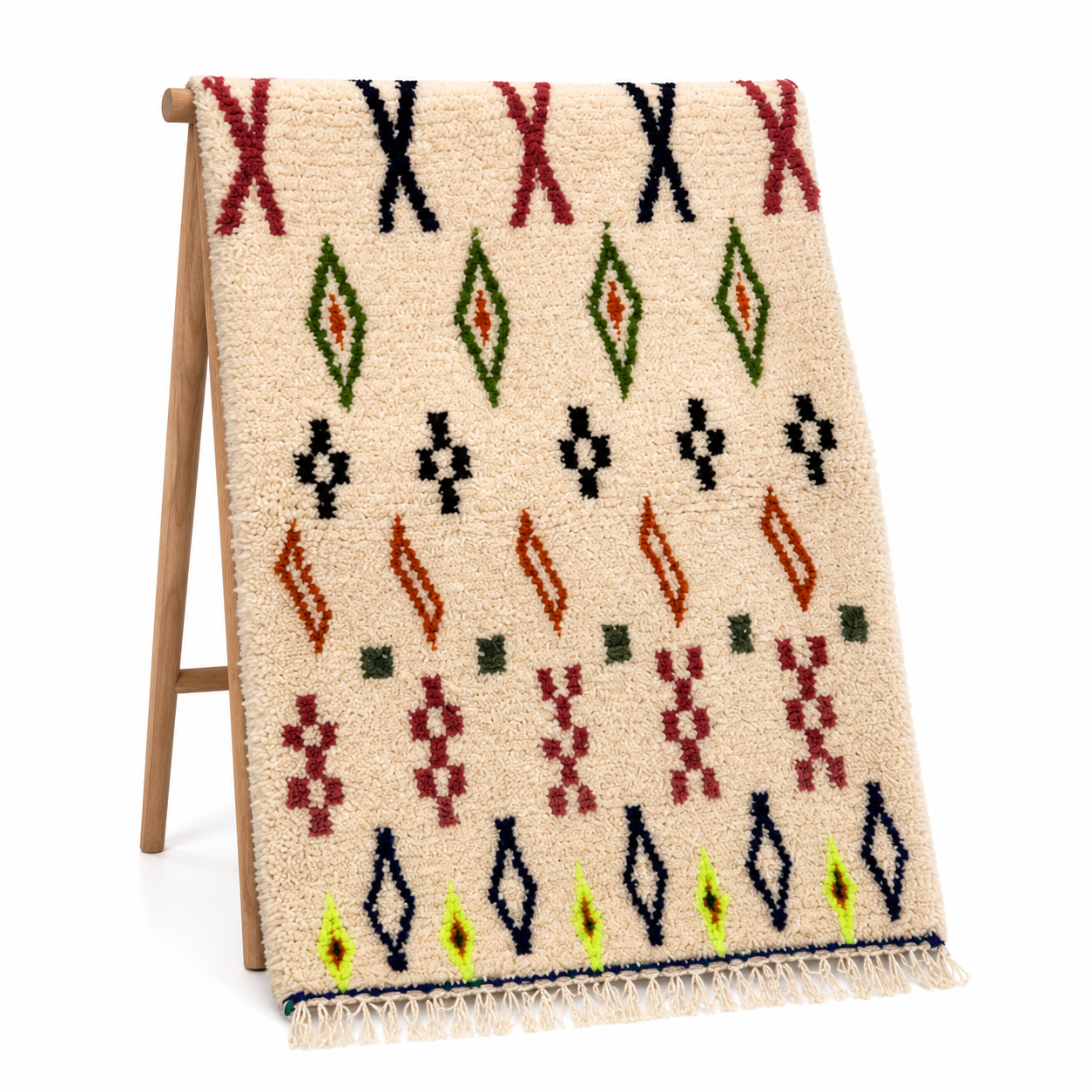
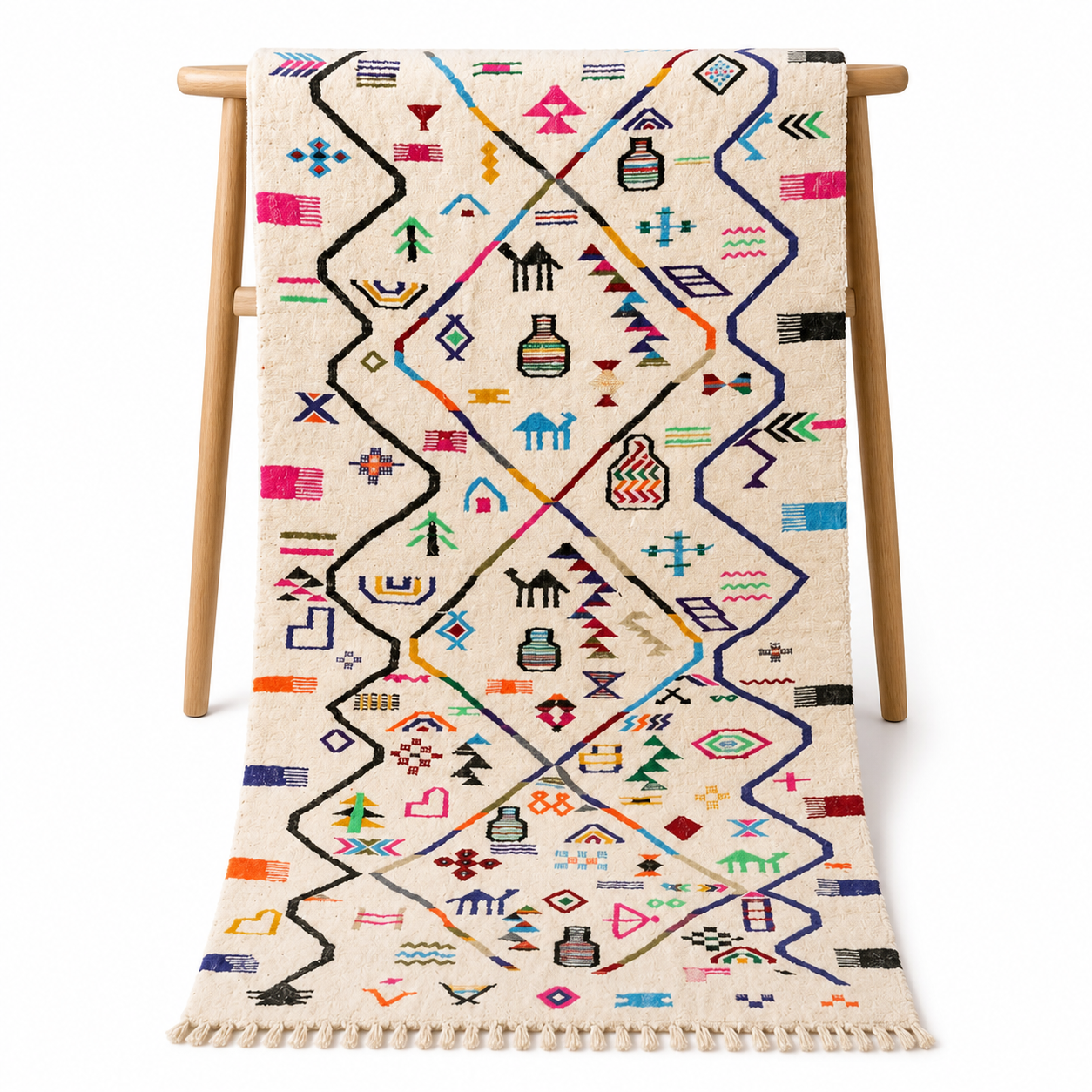
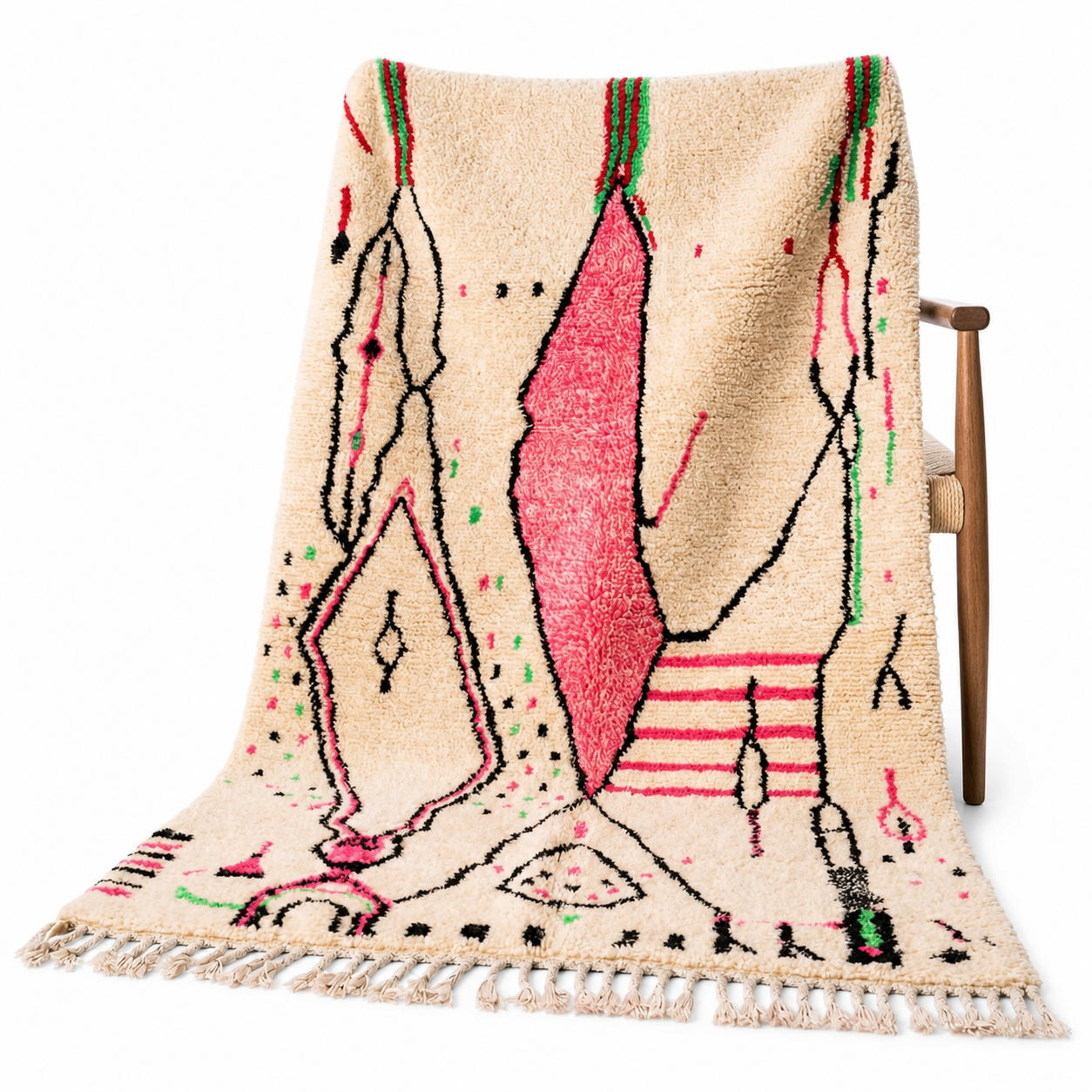
Bright color is an important characteristic of the Ait Khabbash carpet tradition described in connection with Amazigh Arts in Morocco. The cultural description specifically identifies their carpets as brightly colored, placing color at the heart of this textile tradition.
No individual symbolic meaning is assigned here to particular colors or motifs. Instead, the visual importance of color can be understood as part of the broader artistic character associated with Ait Khabbash carpets and Amazigh textile culture.
Why You’ll Love It
• A rug connected with the cultural context of Ait Khabbash carpet weaving.
• Celebrates an important form of Amazigh textile art.
• Reflects the documented prominence of bright color within Ait Khabbash carpet traditions.
• Brings a culturally meaningful textile element into an interior setting.
• Connects decorative rug styling with a broader story of women’s artistic expression.
• Complements collections centered on Amazigh, Berber, textile, and cultural arts.
Design and Cultural Context
The cultural significance surrounding this rug begins with the artistic traditions of the Ait Khabbash people in southeastern Morocco. Carpet weaving forms one part of a larger visual culture that also includes ornate jewelry and the use of saffron in personal adornment.
This relationship between textiles and other forms of artistic expression gives the Amazigh Arts in Morocco Rug a wider cultural frame. Carpet making is not presented simply as decoration; it belongs to a creative environment shaped in important ways by women.
The wider subject also considers how women negotiate complex social and religious issues within Islamic North Africa. In that context, artistic practices such as weaving become relevant to a broader understanding of women’s lives, creativity, and cultural participation.
No specific symbolic interpretation is assigned to the individual design of this rug. Its cultural character is instead grounded in the documented connection between Amazigh arts, Ait Khabbash communities, brightly colored carpets, and women’s textile work.
Amazigh Textile Arts
Textiles occupy a distinctive place within Amazigh artistic traditions, and the Ait Khabbash carpet tradition provides the clearest connection for this rug. The emphasis on brightly colored woven carpets demonstrates how textile work can become an expressive part of cultural life rather than serving only a practical household purpose.
The Amazigh Arts in Morocco Rug brings that textile-centered identity into a decorative setting. Used as a floor rug, it can introduce an Amazigh cultural reference into a room while remaining recognizably connected with the carpet tradition named in its cultural context.
Women’s Role in the Arts
One of the most meaningful aspects of the cultural context surrounding Amazigh Arts in Morocco is its attention to women. The artistic works discussed in relation to the Ait Khabbash are typically made by women, placing female creativity at the center of the story rather than treating it as a secondary detail.
Carpet weaving is especially relevant because a rug can embody the intersection between useful textile work and visual expression. The broader cultural discussion considers women’s roles within Islamic North Africa and the different ways women navigate social and religious life.
Perfect For
• Interiors inspired by Amazigh and Berber arts.
• Homes where rugs are used as expressive decorative accents.
• Admirers of Ait Khabbash culture and carpet traditions.
• Collections focused on textile arts and cultural design.
• Spaces that celebrate North African artistic traditions.
• People interested in the relationship between women’s creativity and Amazigh art.
Decorating with the Rug
The Amazigh Arts in Morocco Rug can serve as a culturally focused floor accent within a home. Its identity makes it particularly relevant to interiors that already incorporate Amazigh art, woven textiles, books on cultural arts, handcrafted decorative objects, or other pieces chosen for their connection to North African visual traditions.
Because the rug’s cultural context emphasizes brightly colored carpets, it is especially suited to an interior approach that welcomes expressive textile character rather than treating a rug as an invisible background element.
Care Instructions
• Handle the rug carefully to help preserve its surface and overall structure.
• Avoid aggressive cleaning methods unless they are known to be suitable for the rug’s construction.
• Address dust and surface debris gently rather than using unnecessarily harsh treatment.
• For deeper cleaning, use a method appropriate to the rug’s actual fiber and construction.
• Protect the rug from unnecessary prolonged dampness and damaging treatment.
A Meaningful Cultural Accent
The Amazigh Arts in Morocco Rug offers more than the visual presence of a floor textile. Its identity connects it with a documented cultural setting in which brightly colored carpets form part of Ait Khabbash artistic expression and women play an important role in making art.
For admirers of Amazigh and Berber culture, that connection gives the rug additional depth. It brings together interior decoration, textile art, and an appreciation for a cultural tradition in which weaving participates in a much larger story of creativity and community.
Amazigh Arts for the Home
The Amazigh Arts in Morocco Rug brings the idea of Ait Khabbash carpet culture into a contemporary home setting. Its strongest cultural connection lies in the documented tradition of brightly colored carpets and the important role women hold within the artistic life described around the Ait Khabbash community.
Carefully selected for Amazigh Shop, this rug celebrates the place of carpet weaving within Amazigh arts while offering a culturally focused decorative accent for interiors shaped by an appreciation of Berber heritage, textile traditions, and North African artistic expression.




 No products in the cart.