What This Book Is
The A to Z of the Berbers (Imazighen) is an encyclopaedic reference work for readers seeking structured information about the Imazighen and their historical presence in North Africa. Rather than approaching the subject through one continuous narrative alone, Hsain Ilahiane combines hundreds of cross-referenced dictionary entries with supporting reference material, allowing individual subjects to be explored within a broader historical and cultural framework.
Berbers and Imazighen
The title deliberately presents the identity as Berbers (Imazighen), keeping Imazighen visible as an important name within the subject of the book. The work describes the Berbers as ancient inhabitants of North Africa and examines a population whose history cannot be reduced to a single kingdom, nation state, period, or political structure.
The source discussion notes that estimates of the Berber population range widely, from approximately 15 million to 50 million depending on classification. This variation itself reflects some of the complexity surrounding identity and classification that makes the Imazighen an important subject for historical, cultural, and social study.
Historical Scope
The A to Z of the Berbers (Imazighen) places Amazigh history within major developments extending beyond one historical era. Its scope includes Berber influence on the culture and religion of Roman North Africa and the roles Berber communities played in the spread of Islam and its culture.
The geographical connections discussed extend across North Africa and also involve Spain and Sub-Saharan Africa. This broader setting helps position the history of the Imazighen within regional movements of religion, culture, politics, and society rather than treating Amazigh history as an isolated subject.
Reference Structure
Cross-referencing is particularly useful for a subject that stretches across numerous historical periods and interconnected themes. Readers can move between related entries and use the book as a reference resource rather than being limited to reading it strictly from beginning to end.
Supporting Reference Material
These elements provide different ways of approaching the subject. The chronology offers a temporal framework, while the maps provide geographical context. The introductory essay helps establish a broader foundation for the reference entries, and the bibliography provides a useful component for readers interested in further research. Appendixes and the acronym list add further practical reference value.
Amazigh Identity and Society
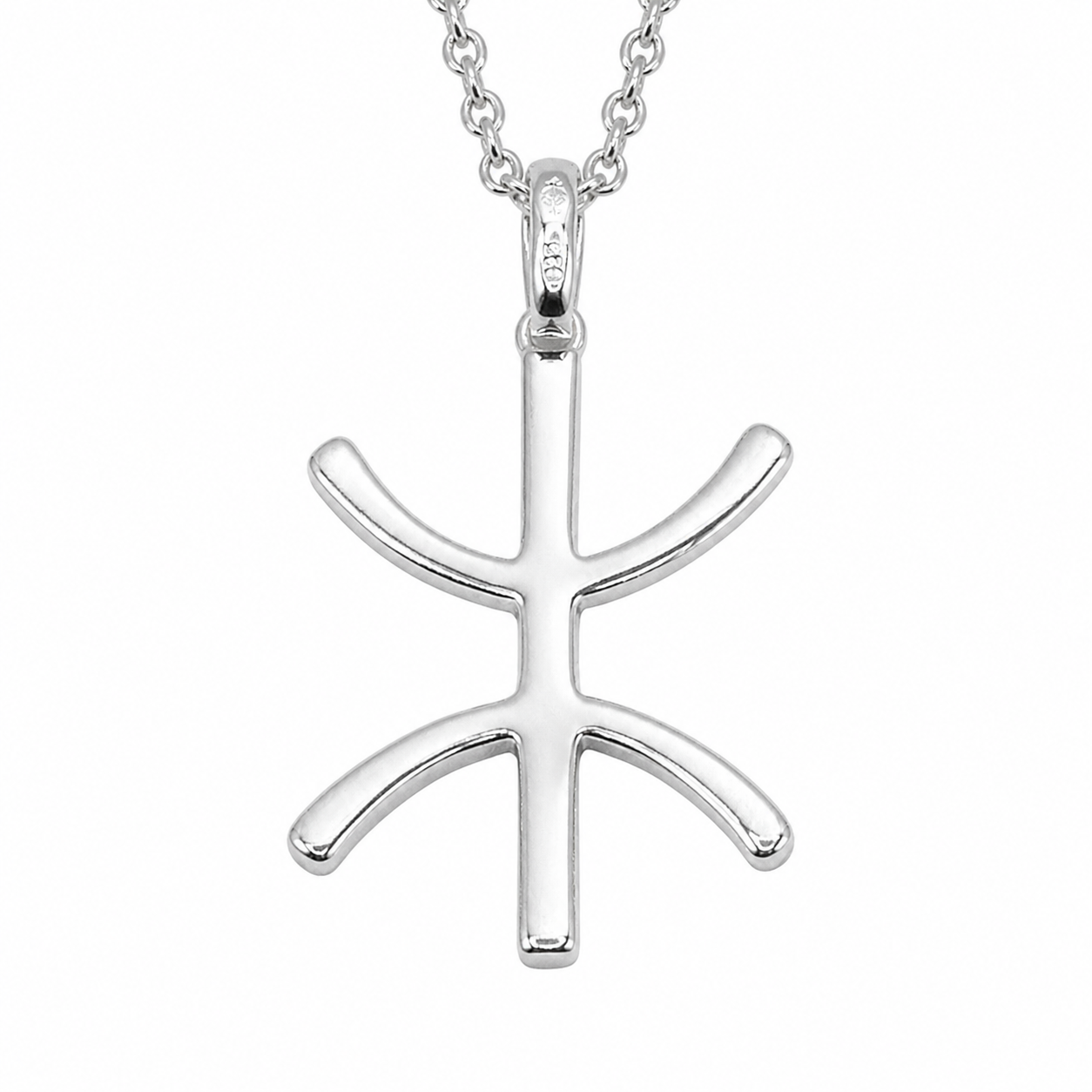
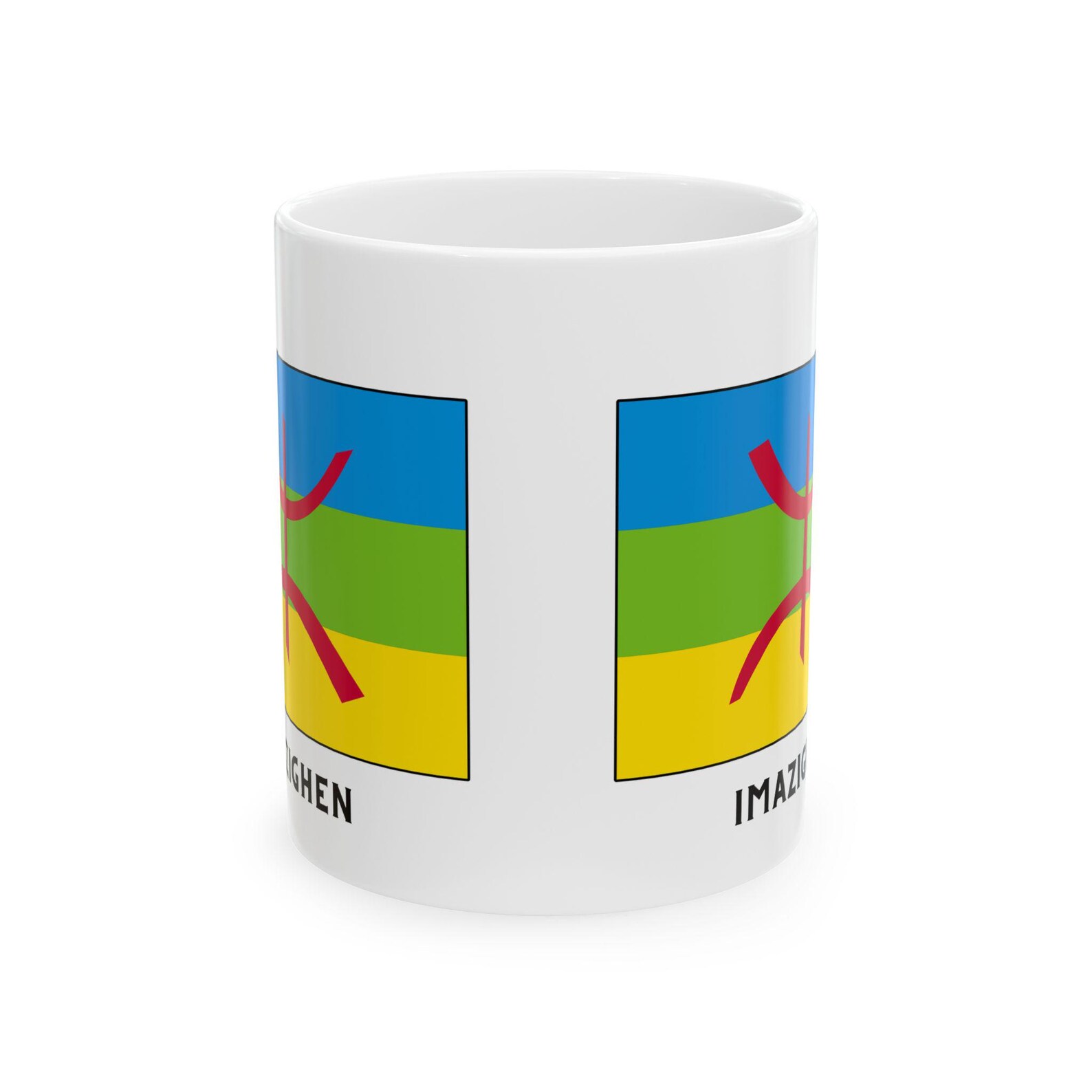
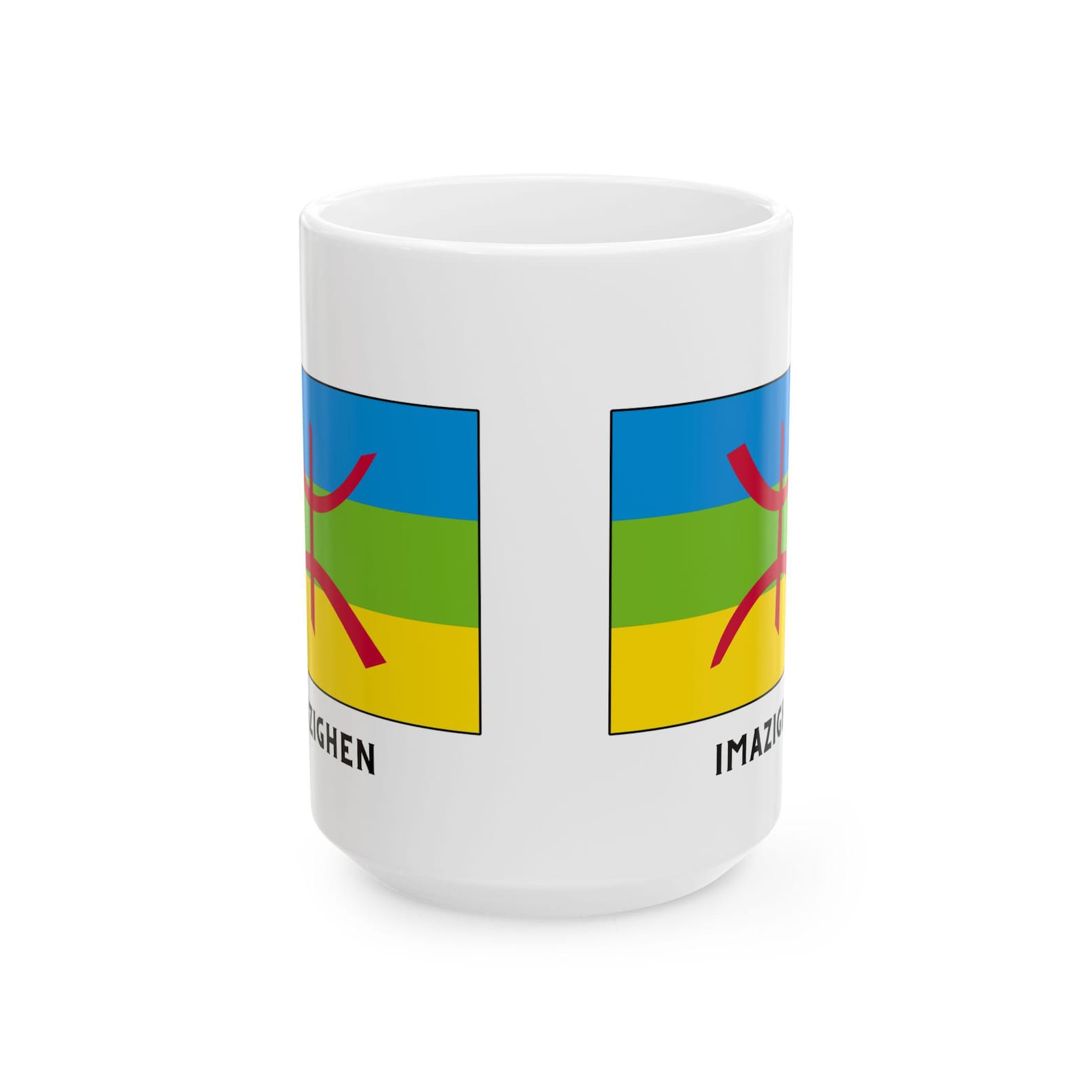
The A to Z of the Berbers (Imazighen) does not limit its scope to distant history. It also considers the ways historical and social dynamics have contributed to redefining Berber identity and its socio-political representations and symbols over time.
This dimension gives the reference work relevance to the study of identity as an evolving subject. The book’s stated coverage spans culture, society, economy, and politics, providing multiple perspectives through which readers can approach questions surrounding the Imazighen in historical and more recent contexts.
Topics Covered
The A to Z of the Berbers (Imazighen) brings a substantial range of reference subjects together under one focused work.
• Berber and Imazighen history in North Africa.
• Significant people and historical personalities.
• Important places and geographical subjects.
• Historical events and institutions.
• Culture and society across past and present contexts.
• Economic and political subjects connected with Berber history.
• Berber identity, representations, and symbols within changing socio-political contexts.
• Historical connections involving Roman North Africa, Islam, Spain, and Sub-Saharan Africa.
Why This Reference Book Stands Out
The A to Z of the Berbers (Imazighen) concentrates specifically on a people and cultural identity described as under-studied in the original work. Its combination of dictionary entries and contextual reference sections gives readers several ways to approach a large and complex subject.
For Research and Reference
The A to Z of the Berbers (Imazighen) can also complement broader reading about North Africa by providing a work specifically centred on Berber history and identity. Readers exploring Roman North Africa, the historical spread of Islam, or cultural connections between North Africa, Spain, and Sub-Saharan Africa can use the book’s stated subject range as a focused reference point.
Author
The A to Z of the Berbers (Imazighen) is by Hsain Ilahiane. The author’s name forms part of the original product identity and distinguishes this specific reference work within the wider fields of Amazigh studies, North African history, and encyclopaedic reference.
Care Instructions
• Keep the book in a clean and dry indoor environment.
• Protect it from excessive moisture and prolonged exposure to strong direct sunlight.
• Handle pages carefully and use clean, dry hands when consulting the reference entries.
• Support the book appropriately on a shelf to help maintain its shape during storage.
A Thoughtful Addition to a Cultural Library
The A to Z of the Berbers (Imazighen) is a meaningful choice for a personal, academic, or reference collection concerned with Amazigh culture and North African history. Its specialised subject makes it especially relevant for readers who want a work centred specifically on the Imazighen rather than a general overview in which Berber history receives only brief treatment.
A Dedicated Amazigh and Berber Reference Work
For readers building a deeper understanding of Amazigh history, the book offers a dedicated reference perspective on the Imazighen and their place within the long history of North Africa and its connections with surrounding regions.
































































 No products in the cart.