


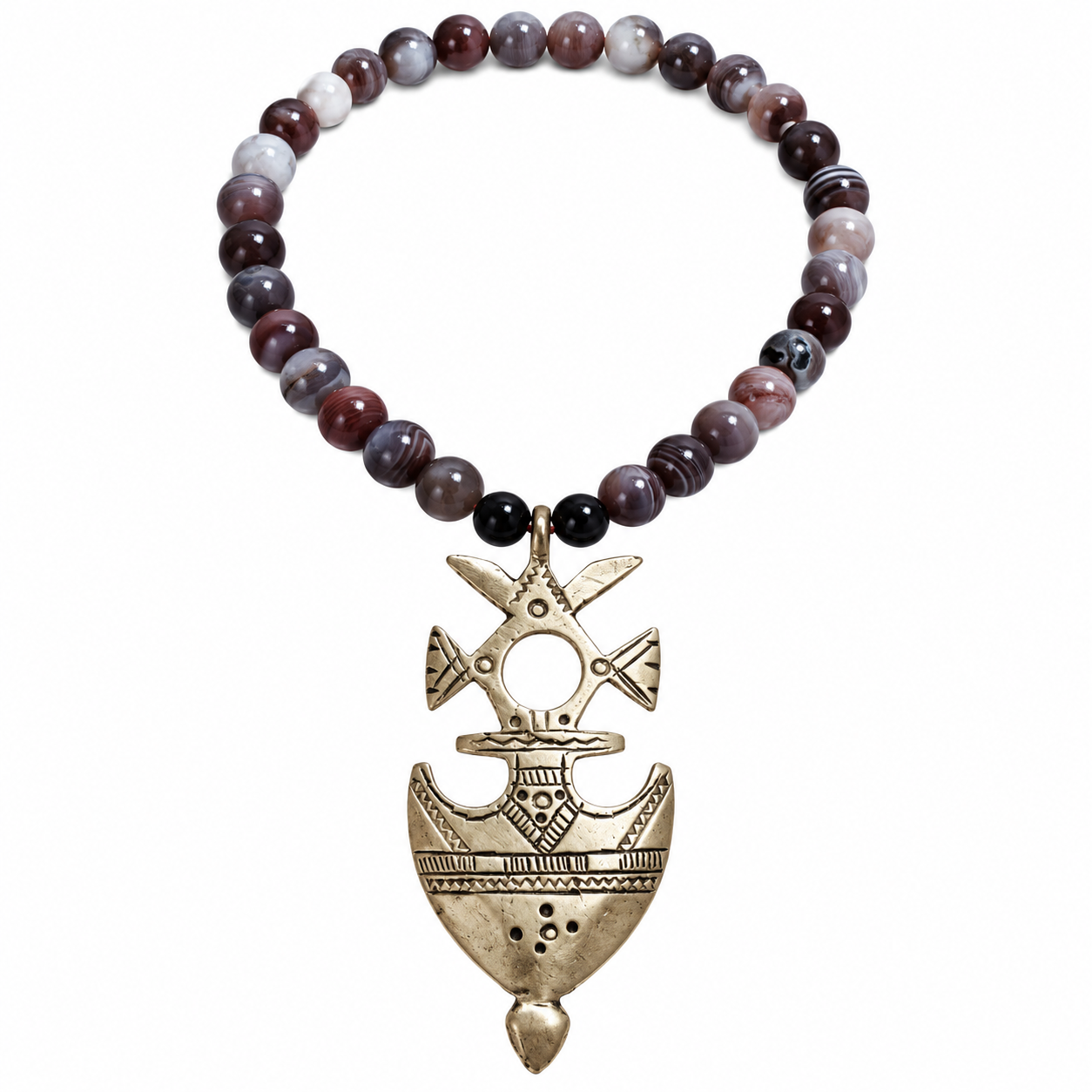

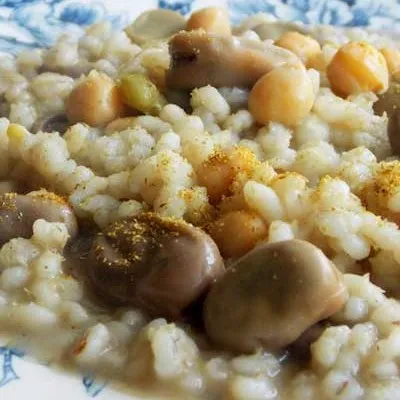
Yennayer is one of the most important celebrations connected with Amazigh heritage in Morocco and North Africa. Celebrated around the middle of January, this traditional New Year combines agricultural traditions, family gatherings, symbolic foods, and wishes for prosperity in the coming year.
The Meaning and Origins of Yennayer
The name Yennayer is linked to the Latin word Januarius, the origin of January. This connection reflects historical contact between North African communities and Roman-era calendar traditions. Over centuries, Amazigh communities maintained their own agricultural calendar alongside other systems used in the region.
The exact historical origins of the celebration are complex. Some modern interpretations connect the Amazigh calendar with the ancient history of North Africa and the reign of Sheshonq I, an Amazigh-origin ruler who became pharaoh of Egypt. However, these connections are discussed differently by historians, and Yennayer’s meaning today is strongly connected to cultural identity, seasonal renewal, and community memory.
More than simply marking a date, Yennayer represents a relationship between people, land, and the cycles of nature.
Yennayer as an Agricultural New Year
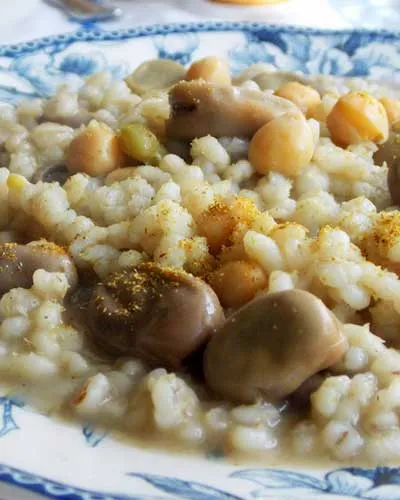
Traditional Amazigh societies were closely connected with farming, livestock, and seasonal changes. For rural communities, the beginning of the agricultural year was a moment to reflect on past harvests and hope for abundance in the months ahead.
Yennayer is associated with themes of fertility, prosperity, and renewal. Families may use the occasion to express good wishes, strengthen relationships, and celebrate continuity between generations.
The celebration also reflects an important idea found throughout Amazigh culture: the land is not only a source of food but also a foundation of identity and social life.
Traditional Foods of the Amazigh New Year
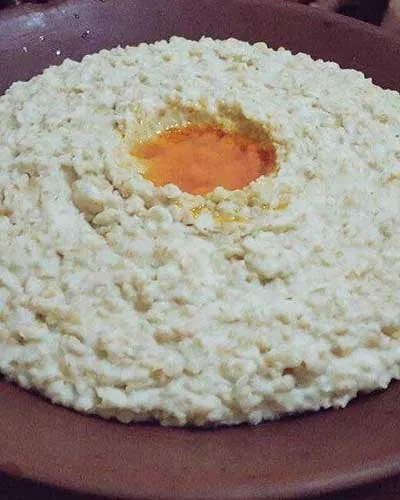
Food is at the heart of Yennayer celebrations. Special dishes prepared for the occasion reflect local ingredients and agricultural traditions passed down through generations.
Tagoula and symbolic abundance
Tagoula is a traditional preparation made from grains such as corn and often enriched with ingredients including butter, clarified butter, argan oil, or honey depending on regional customs. Its connection with the land makes it a meaningful dish during the celebration.
Orkimen and regional variations
Orkimen is another dish associated with Yennayer in some communities. It is prepared with ingredients such as dried legumes, grains, and local plants, representing the importance of stored foods during the winter period.
Couscous may also appear on the New Year table, with regional variations that reflect local agricultural products and family traditions.
The Lucky Symbol Hidden in the Meal
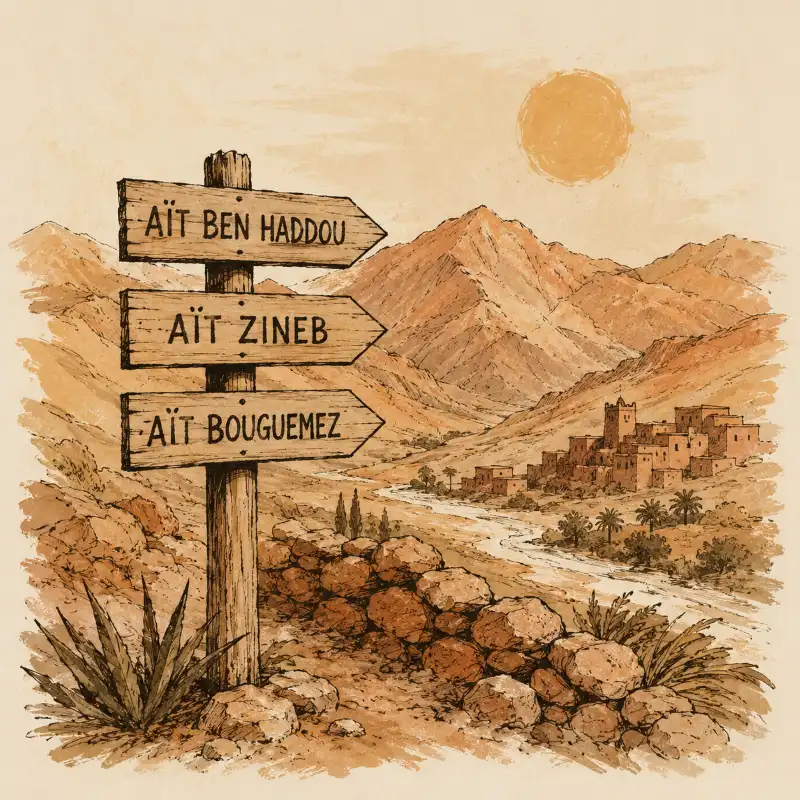
One of the most remembered customs connected with Yennayer is the practice of hiding a small object, such as a date pit or almond piece, inside a dish. The person who discovers it is traditionally considered fortunate for the year ahead.
This custom transforms the shared meal into a moment of participation and anticipation. Beyond the idea of luck, it reinforces the importance of community and the joy of celebrating together.
In some traditions, the person who finds the hidden object may receive a symbolic role connected with trust and blessing within the household.
Yennayer Customs Beyond the Dinner Table
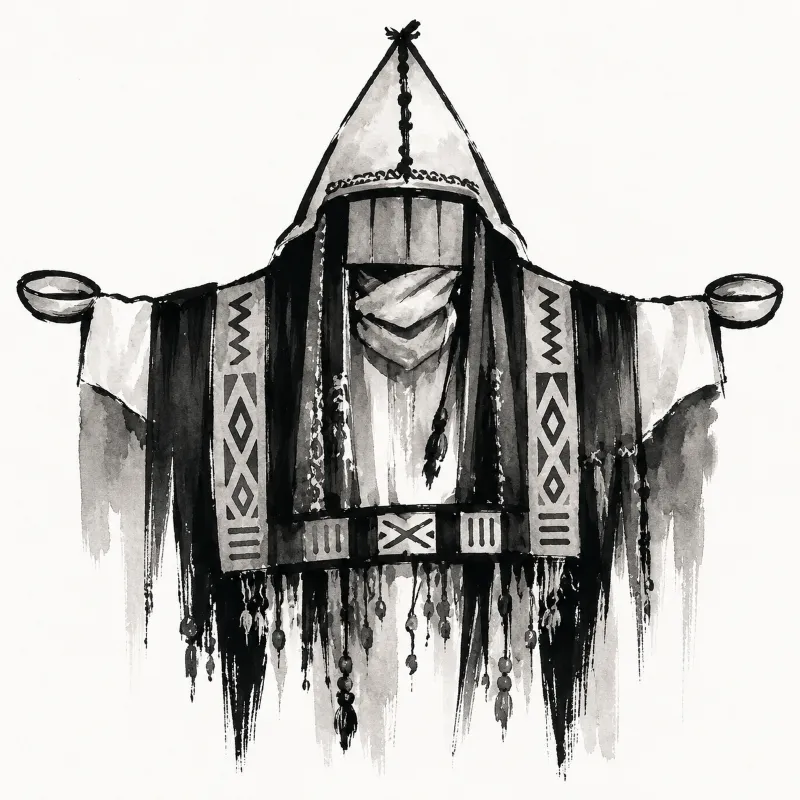
Although food is central, Yennayer includes many other traditions that vary between regions. Some customs involve preparing the home for the new year, expressing wishes for prosperity, and performing symbolic actions connected with renewal.
Historical records describe practices involving household rituals, agricultural symbolism, and beliefs related to the coming year. These customs demonstrate how everyday objects and actions could carry deeper cultural meanings.
The diversity of Yennayer traditions shows that there is not a single way to celebrate the Amazigh New Year. Different communities have developed their own expressions based on local history and environment.
Yennayer and Amazigh Cultural Identity
In modern Morocco, Yennayer has become an important expression of Amazigh cultural visibility. The celebration connects contemporary communities with traditions related to language, agriculture, family, and historical memory.
The recognition of Amazigh heritage in public life has contributed to greater awareness of Yennayer as part of Morocco’s cultural diversity. Celebrations today may include cultural events, educational activities, music, and community gatherings.
For many people, Yennayer represents both continuity and adaptation: an ancient seasonal tradition that continues to find meaning in contemporary society.
The Importance of Preserving Yennayer Traditions
Like many forms of intangible heritage, Yennayer depends on transmission between generations. Recipes, songs, stories, and customs survive because families and communities continue sharing them.
Preserving Yennayer does not mean keeping traditions unchanged. Cultural practices naturally evolve as communities respond to new circumstances while maintaining connections with their history.
The celebration remains valuable because it brings together elements that define Amazigh heritage: respect for nature, appreciation of family bonds, and pride in cultural memory.
Regional Differences in Yennayer Celebrations
Because Amazigh communities live across diverse landscapes, from the Rif Mountains and Middle Atlas to the High Atlas, Souss Valley, and desert regions, Yennayer traditions are expressed in different ways. The celebration reflects local environments, available ingredients, and inherited customs.
In farming areas, the agricultural meaning of the festival is often especially visible. Families may focus on stored grains, livestock, and hopes for successful crops. In other regions, gatherings may place more emphasis on storytelling, music, family visits, or community events.
These differences do not separate the traditions; instead, they demonstrate the diversity within Amazigh culture. A shared celebration can have many local forms while maintaining common values of renewal and connection.
The Role of Women in Yennayer Traditions
Preserving recipes and household knowledge
Women have traditionally played an important role in maintaining many Yennayer practices, especially those connected with food preparation and household customs. Recipes, preparation methods, and symbolic meanings are often transmitted through generations within families.
The preparation of special dishes is not only a culinary activity but also a way of preserving cultural memory. Younger generations learn about ingredients, techniques, and the stories associated with each meal while participating in family celebrations.
Passing traditions between generations
Yennayer provides an opportunity for elders to share knowledge with children and younger family members. Through food, language, and customs, cultural identity is strengthened in everyday settings.
This process of transmission is essential because many traditions survive not through written records but through repeated practice and personal connections.
Yennayer, Language, and Cultural Expression
The Amazigh New Year is also connected with language and oral heritage. Greetings, songs, stories, and expressions used during celebrations contribute to the continued visibility of Tamazight languages.
Traditional celebrations often create spaces where language is used naturally between generations. This makes Yennayer not only a seasonal event but also an opportunity to reinforce linguistic identity.
For communities working to preserve Amazigh heritage, celebrations like Yennayer demonstrate how language, food, and customs are interconnected parts of cultural life.
Symbols of Prosperity and Renewal
Many Yennayer customs contain symbolic ideas related to abundance and positive beginnings. Agricultural societies often developed rituals that expressed hopes for rain, fertile land, healthy animals, and a successful year.
- Grains: Often represent abundance because they are connected with harvest and stored food.
- Shared meals: Reflect cooperation, generosity, and family unity.
- New beginnings: Express hopes for improvement and prosperity in the coming year.
These symbols show how everyday objects can carry cultural meanings. A simple meal or household action can become a reminder of relationships between people, nature, and time.
Yennayer in Contemporary Morocco
Today, Yennayer continues to be celebrated both privately within families and publicly through cultural events. Schools, associations, and cultural organizations may organize activities that introduce younger generations to Amazigh traditions.
The celebration has also become part of wider discussions about cultural diversity and heritage in Morocco. Its visibility reflects growing recognition of Amazigh contributions to the country’s history and identity.
Modern celebrations may include traditional foods alongside contemporary forms of cultural expression, showing how heritage can adapt while keeping its essential meanings.
Why Yennayer Remains Meaningful Today
The lasting importance of Yennayer comes from its ability to connect the past with the present. It preserves memories of agricultural life while remaining relevant for families living in modern cities and rural areas.
At its heart, Yennayer celebrates values that extend beyond a calendar date: gratitude for the land, appreciation for family relationships, respect for ancestors, and hope for the future.
Through each generation that prepares its traditional dishes, shares wishes, and tells the stories behind the celebration, Yennayer continues as a living expression of Amazigh heritage.
Conclusion
Yennayer is more than an Amazigh New Year celebration. It is a reflection of agricultural wisdom, family traditions, symbolic foods, and a lasting connection between communities and the land. Through its customs and meanings, Yennayer continues to preserve an important part of Morocco’s cultural heritage.
 No products in the cart.
Comments (5)