
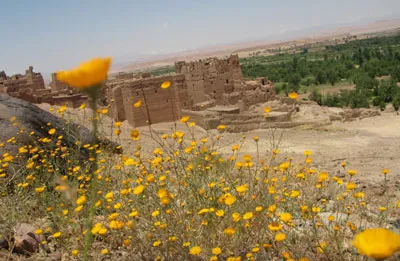
Hidden among the mountains of southern Morocco, Tikirt represents a remarkable chapter of Amazigh heritage. Once a fortified settlement built from earth and stone, the city reflected the architectural knowledge, agricultural traditions, and social organization of communities that lived between the Atlas Mountains and the southern trade routes.
The Historical Identity of Tikirt
Tikirt was part of a wider world of Amazigh settlements that developed across southern Morocco. These communities created fortified villages adapted to mountain environments, where protection, agriculture, trade, and family life were closely connected.
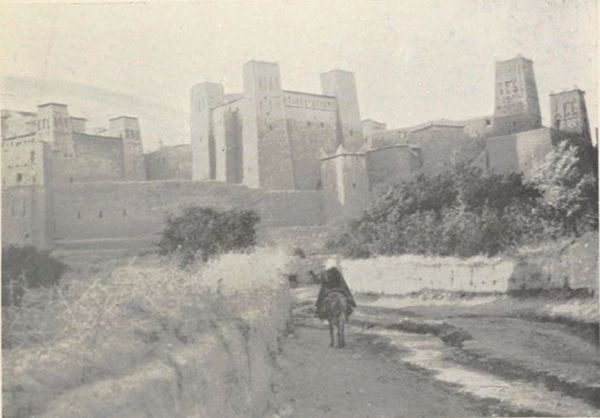
The settlement was not simply a single fortress but a collective urban structure made up of interconnected fortified homes known as tighremts. These buildings combined residential spaces with defensive features, allowing important families and community groups to protect their resources while maintaining social organization.
The location of Tikirt gave it importance within regional networks connecting mountain areas, valleys, and routes leading toward southern Morocco. Its architecture and position reflected the relationship between landscape and human adaptation.
Amazigh Earthen Architecture and the Tighremt Tradition
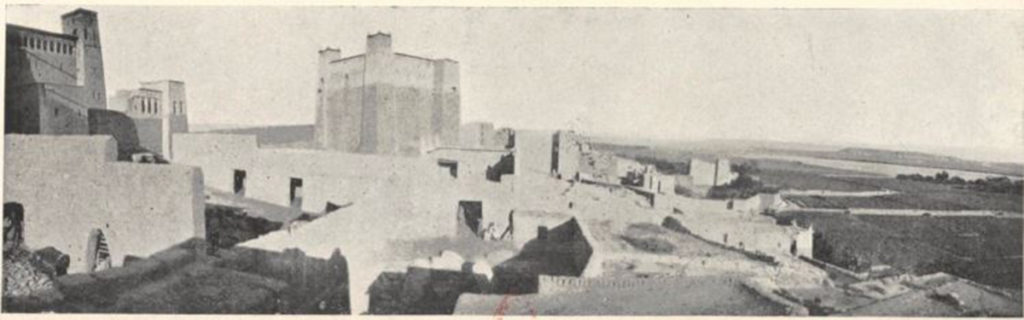
The architecture of Tikirt demonstrates the skill of southern Moroccan builders who worked with local materials. Rammed earth, known as pisé, was widely used because it provided natural insulation and was available directly from the surrounding environment.
Tighremts were more than houses. Their tall walls, compact forms, and decorative details represented family identity and social importance. The structures were designed to provide security while also creating comfortable living spaces in a challenging climate.
Traditional earthen architecture requires continuous maintenance because rain, wind, and temperature changes gradually affect the walls. Many historic settlements across southern Morocco have experienced decline as populations moved toward newer towns and modern construction methods became more common.
Agriculture, Gardens, and Traditional Water Management

Despite its mountain environment, Tikirt benefited from carefully managed agricultural systems. Traditional irrigation channels known as seguias allowed communities to distribute water from natural sources to gardens and fields.
These systems supported the cultivation of crops and created fertile areas around settlements. Gardens were not only economic resources but also essential parts of community life, providing food, shade, and a connection between people and the land.
The agricultural traditions of places like Tikirt demonstrate the importance of local environmental knowledge. Managing limited water resources required cooperation, planning, and understanding of seasonal conditions.
Jewelry, Clothing, and Cultural Expression
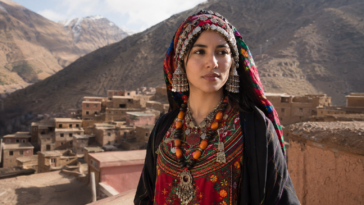
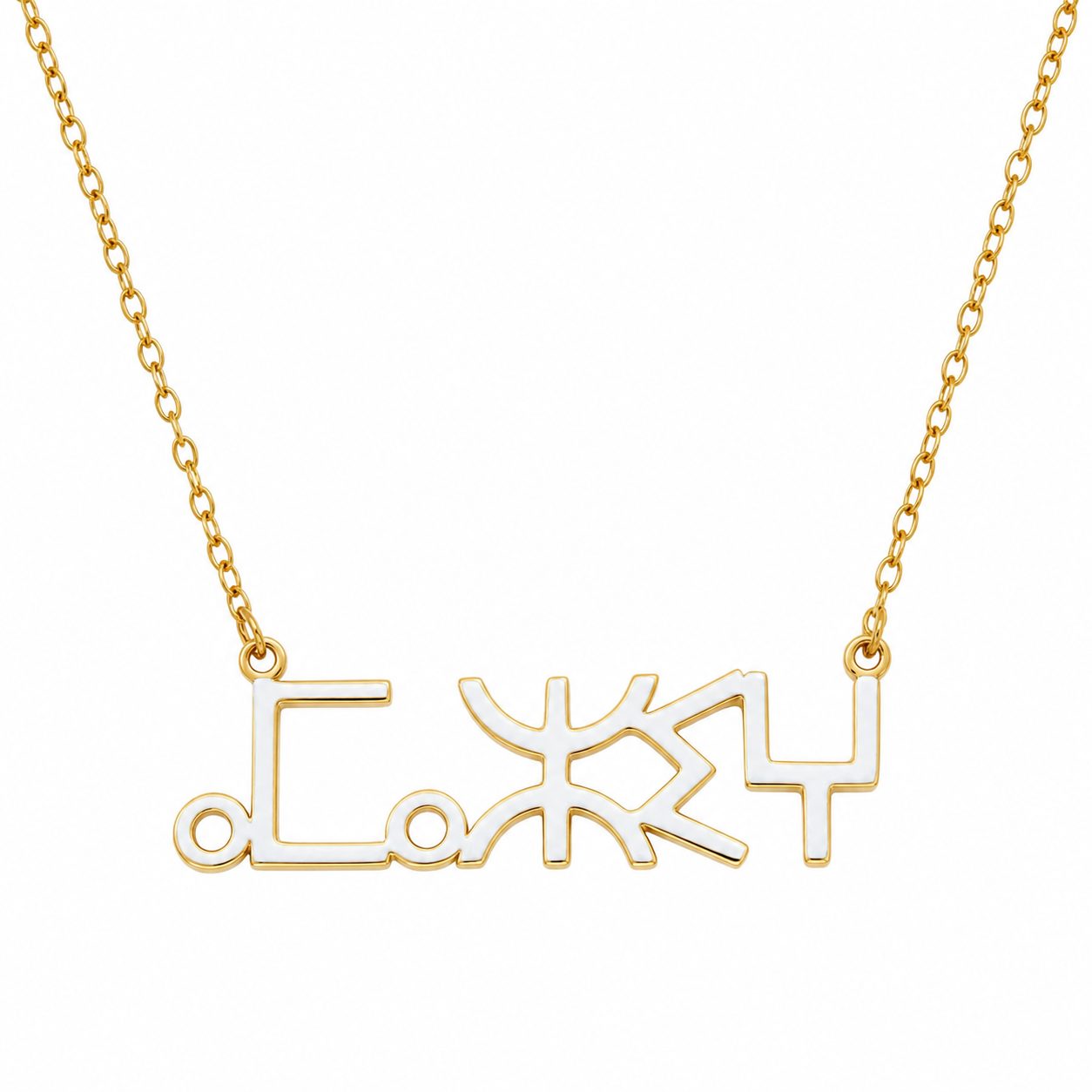
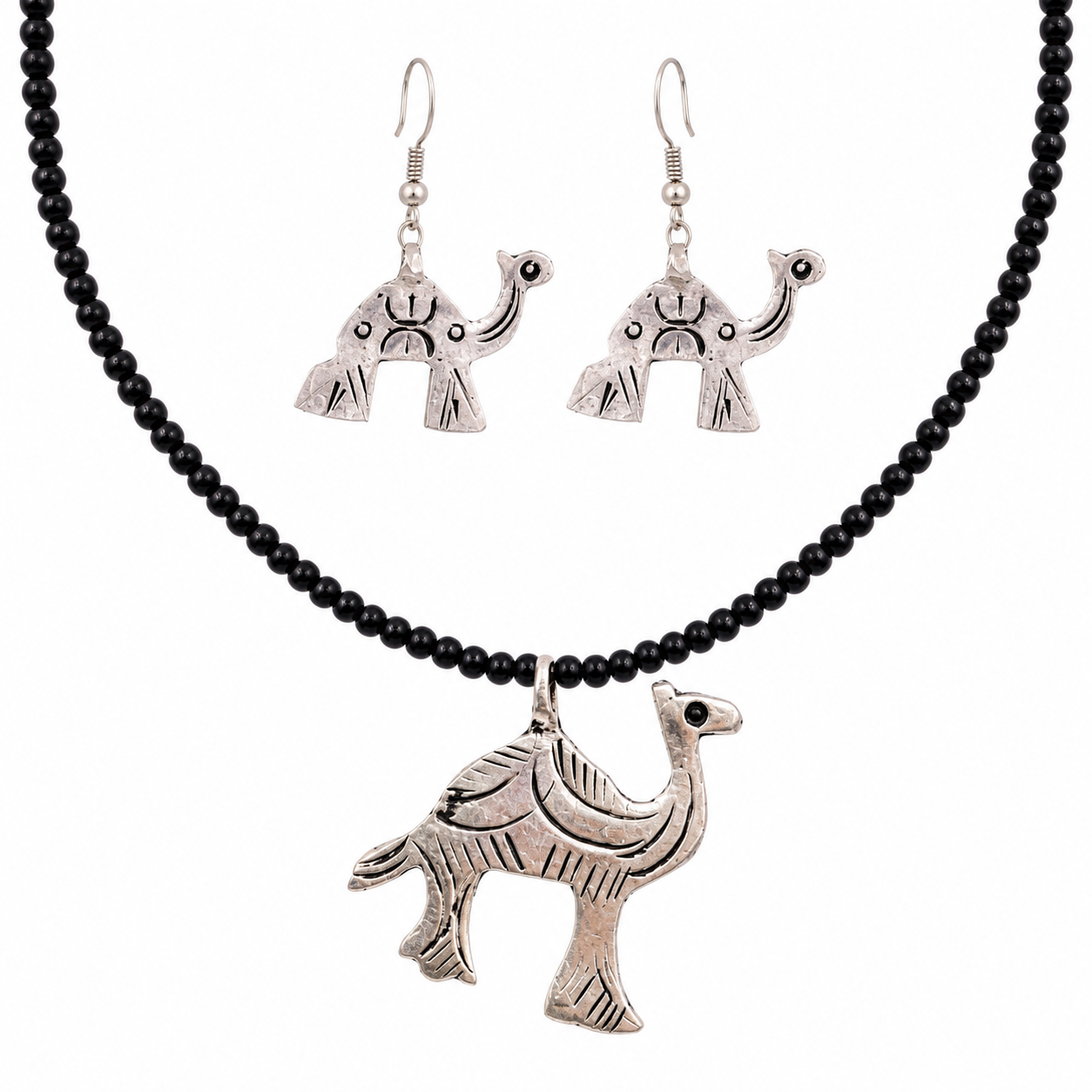
The cultural life of Tikirt was also expressed through clothing and traditional crafts. Amazigh jewelry from southern Morocco has long been valued for its artistic quality and symbolic meanings.
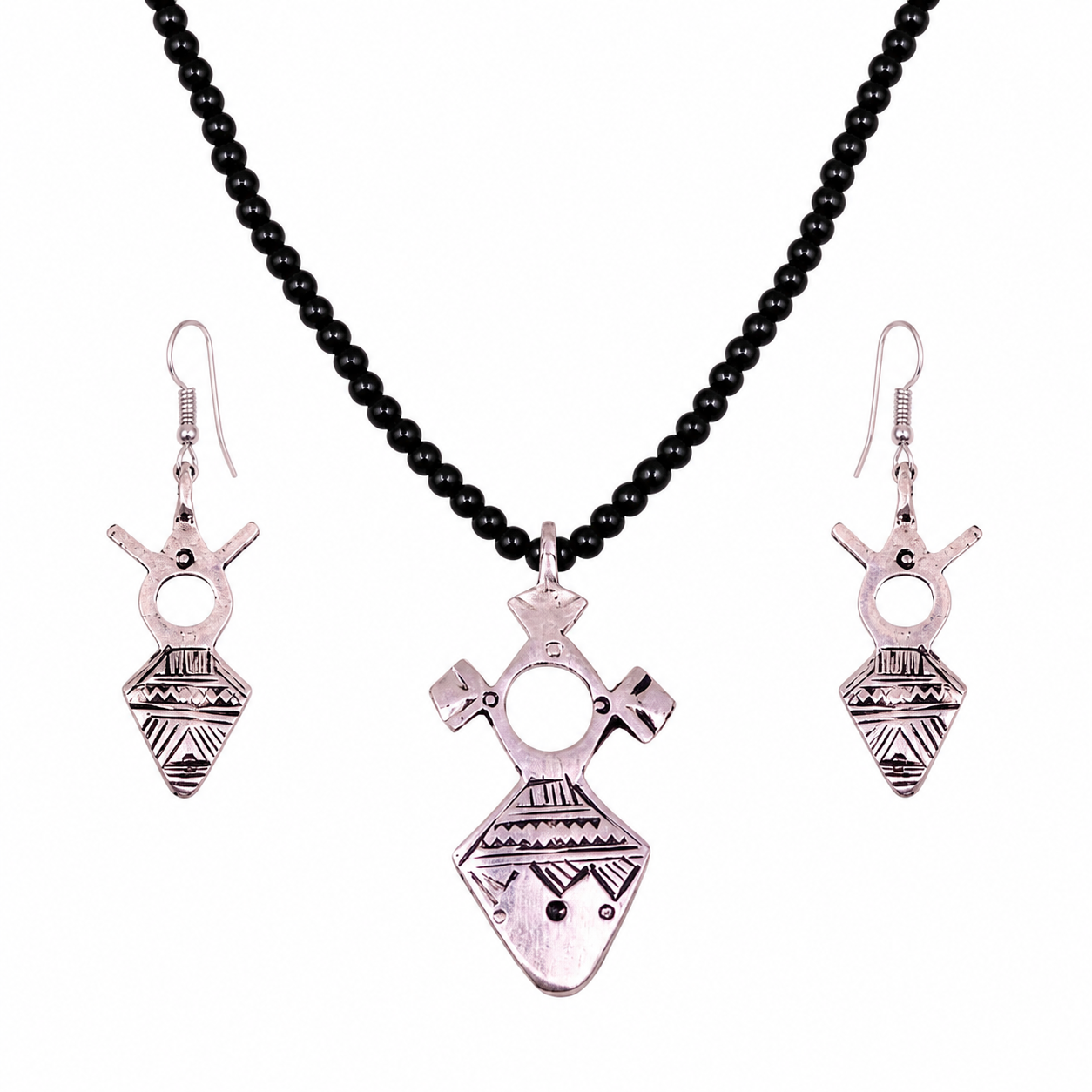
Silver ornaments, fibula brooches, necklaces, bracelets, and earrings were often connected with personal identity, family traditions, and important social occasions. Materials such as amber and coral were also incorporated into some regional designs.
Traditional clothing reflected both practical needs and cultural belonging. Garments and accessories helped communicate regional identity while adapting to the climate of southern Morocco.
Tikirt as a Place of Cultural Exchange

Tikirt’s history also reflects the diversity of southern Moroccan communities. Like many settlements in the region, it was connected to networks of exchange involving different groups, including Amazigh and Jewish communities.
The Jewish communities of southern Morocco formed an important part of the region’s historical landscape for centuries. Their presence in places such as Tikirt illustrates the complex social relationships that existed through trade, family connections, and shared local traditions.
These interactions show that southern Moroccan villages were not isolated places. They were connected through movement, commerce, craftsmanship, and cultural exchange.
The Decline of Tikirt and Its Remaining Legacy
Over time, changes in trade routes, economic patterns, and population movement contributed to the decline of many traditional fortified settlements. As newer towns developed, some historic villages gradually lost their original importance.
The abandoned or partially preserved structures of Tikirt remain valuable because they provide evidence of earlier ways of living. They reveal how Amazigh communities organized homes, protected resources, managed agriculture, and created artistic traditions.
Today, Tikirt represents an important reminder that Morocco’s heritage extends beyond internationally famous monuments. Smaller historic settlements also preserve stories of architecture, identity, and cultural interaction.
Why Tikirt Matters in Amazigh Heritage
Tikirt is significant because it brings together several elements of southern Moroccan history: Amazigh architecture, mountain agriculture, traditional craftsmanship, and centuries of cultural exchange.
While some heritage sites have become widely recognized by visitors, places like Tikirt remain quieter examples of Morocco’s historical richness. Their preservation helps maintain a broader understanding of the diverse communities that shaped the country.
The Social Organization of an Amazigh Fortified Settlement
Beyond its walls and buildings, Tikirt represented a complex social environment where community organization was essential for survival. Fortified settlements in southern Morocco were shaped by cooperation between families, agricultural groups, craftsmen, and local leaders.
The arrangement of homes and shared spaces reflected social relationships. Narrow passages, communal areas, and storage facilities were designed not only for practical purposes but also to support collective life. The settlement functioned as a connected community rather than a collection of independent houses.
Traditional Amazigh societies often relied on cooperation during important moments of the agricultural year. Planting, harvesting, maintaining irrigation systems, and protecting shared resources required collaboration between households.
The Role of Trade Routes in Tikirt’s Development
A Mountain Gateway Between Different Regions
Tikirt’s importance was closely linked to its geographical position. Southern Morocco has historically been a meeting point between mountain communities, oasis settlements, and desert regions, creating networks of movement and exchange.
Travelers, merchants, and craftsmen moving through these landscapes contributed to the circulation of goods and ideas. Products such as agricultural materials, textiles, livestock, and handmade objects connected local communities with wider regional markets.
These connections also influenced cultural life. Languages, artistic styles, building techniques, and traditions developed through centuries of interaction between different communities.
The Importance of Water in Southern Moroccan Settlements
In the dry landscapes surrounding Tikirt, water management was one of the foundations of community life. The existence of gardens and agricultural areas depended on systems that carefully controlled the movement of water.
Traditional irrigation channels required regular maintenance and collective responsibility. Their preservation depended on local knowledge about seasons, rainfall patterns, and the needs of crops.
These systems demonstrate how Amazigh communities developed sustainable approaches to living in environments where natural resources were limited. The relationship between settlement, agriculture, and water shaped the identity of many villages throughout southern Morocco.
Preserving Tikirt and Similar Heritage Sites
Historic settlements such as Tikirt face challenges caused by environmental changes, reduced maintenance, and changing patterns of rural life. Earthen buildings are particularly vulnerable because their materials require ongoing care.
Preserving these places involves more than protecting old walls. It also means recognizing the knowledge behind traditional construction, agricultural practices, crafts, and social traditions that created these settlements.
- Traditional building methods provide valuable lessons about adapting architecture to local climates.
- Craft traditions help maintain connections between past and present generations.
- Historic villages contribute to a broader understanding of Morocco’s cultural diversity.
Heritage preservation can help ensure that lesser-known places receive attention alongside Morocco’s most famous monuments. Sites like Tikirt offer important perspectives on everyday life, not only royal or urban history.
Tikirt Within the Wider Heritage of Southern Morocco
Tikirt belongs to a larger landscape of Amazigh heritage that includes fortified villages, ksour, valleys, and mountain communities across the south. Each location reflects local responses to geography, climate, and social needs.
While places such as Aït Ben Haddou have gained international recognition, smaller settlements like Tikirt reveal another side of Moroccan history. They show how ordinary communities built impressive environments through skill, cooperation, and adaptation.
Understanding Tikirt helps highlight that heritage is not limited to monuments with famous names. The memories preserved in rural architecture, traditional crafts, and local landscapes are equally important parts of Morocco’s cultural identity.
Conclusion
The story of Tikirt is the story of a forgotten fortified city that still carries the memory of Amazigh creativity and resilience. Its earthen buildings, agricultural traditions, and cultural connections offer a valuable window into the heritage of southern Morocco.



 No products in the cart.
Comments (5)