

The Amazigh people are one of North Africa’s oldest Indigenous populations, with communities spread across Morocco, Algeria, Tunisia, Libya, Egypt, the Sahara, and diaspora communities around the world. They are often known internationally as Berber people, but many prefer the name Amazigh or Imazighen, which reflects their own identity and heritage.
Are Amazigh and Berber the Same?
Yes, in most contexts Amazigh and Berber refer to the same broad Indigenous peoples of North Africa. The difference is mainly about naming history and preference. Amazigh is the self-used term, while Berber is an external name that became common in European languages through historical usage. Many Amazigh people use Amazigh because it connects directly to their own languages and identity.
The singular form is Amazigh, while Imazighen refers to the plural. Tamazight can refer to the Amazigh language family and, depending on context, specific varieties spoken by different communities.
A short terminology glossary
| Term | Meaning |
|---|---|
| Amazigh | A person belonging to the Indigenous peoples of North Africa. |
| Imazighen | The plural form of Amazigh. |
| Tamazight | A general name for Amazigh languages and language varieties. |
| Berber | A widely used historical term for Amazigh peoples. |
| Tifinagh | An ancient Amazigh writing system used today in modern forms. |
The Regions and Communities of the Amazigh World
Amazigh identity is not a single culture with one lifestyle. Different communities developed unique traditions based on their geography, history, language, and local experiences. Some live in mountains, some in cities, some in agricultural areas, and some in Saharan regions.
| Community | Main regions | Distinctive features |
|---|---|---|
| Rif Amazigh | Northern Morocco | Mountain communities with their own language varieties and traditions. |
| Chleuh / Shilha | Southern Morocco, Anti-Atlas, High Atlas, Souss | Known for rich musical traditions, poetry, agriculture, and crafts. |
| Central Moroccan Amazigh | Middle Atlas and surrounding areas | Communities connected with pastoral traditions, forests, and mountain life. |
| Kabyle | Kabylia in northern Algeria | One of the largest Amazigh communities with strong literary and cultural movements. |
| Chaoui | Aurès Mountains in Algeria | Known for mountain heritage and the Chaoui language variety. |
| Tuareg | Sahara regions including Mali, Niger, Algeria, and Libya | Saharan Amazigh communities with Tamasheq language traditions. |
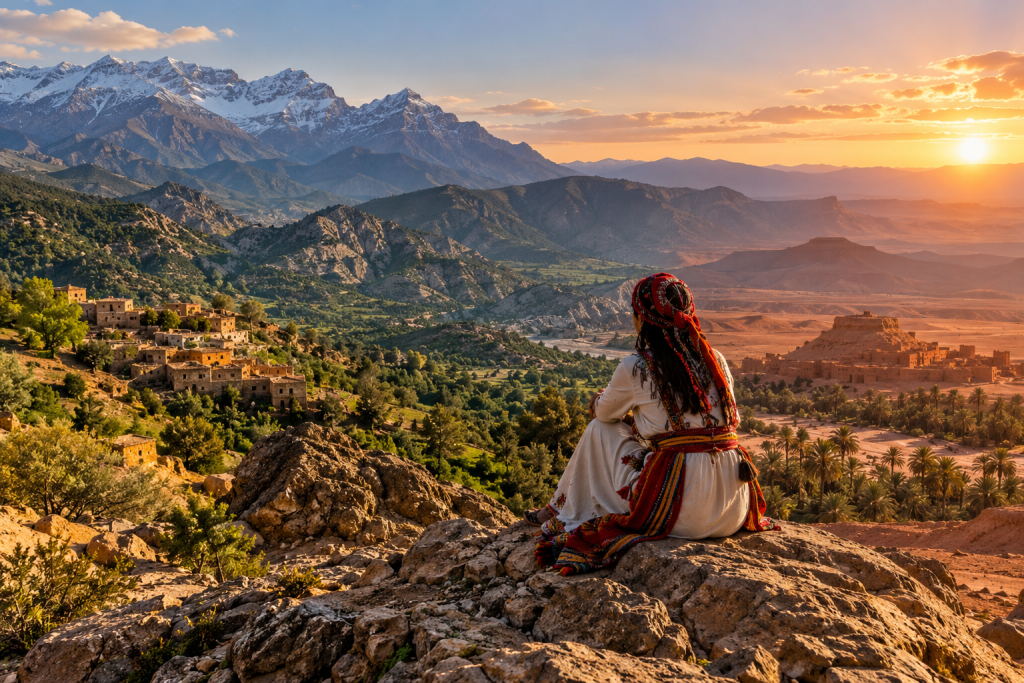
This diversity is important because Amazigh people are sometimes incorrectly presented as one identical group. In reality, a person from the Rif, Kabylia, the Souss region, or the Sahara may share Amazigh heritage while having different languages, clothing styles, foods, music, and customs.
Amazigh Languages and Tamazight
Amazigh languages belong to the Afroasiatic language family. They include many regional varieties spoken across North Africa and the Sahara. Examples include Tarifit in the Rif, Tashelhit in southern Morocco, Central Atlas Tamazight, Kabyle, Chaoui, and Tamasheq among Tuareg communities.
Modern efforts to preserve Amazigh languages include education programs, publications, digital resources, and official recognition in some countries. Morocco and Algeria have both taken steps toward recognizing Tamazight in public life, although the situation differs between countries and regions.
Tifinagh: An Ancient Writing Tradition
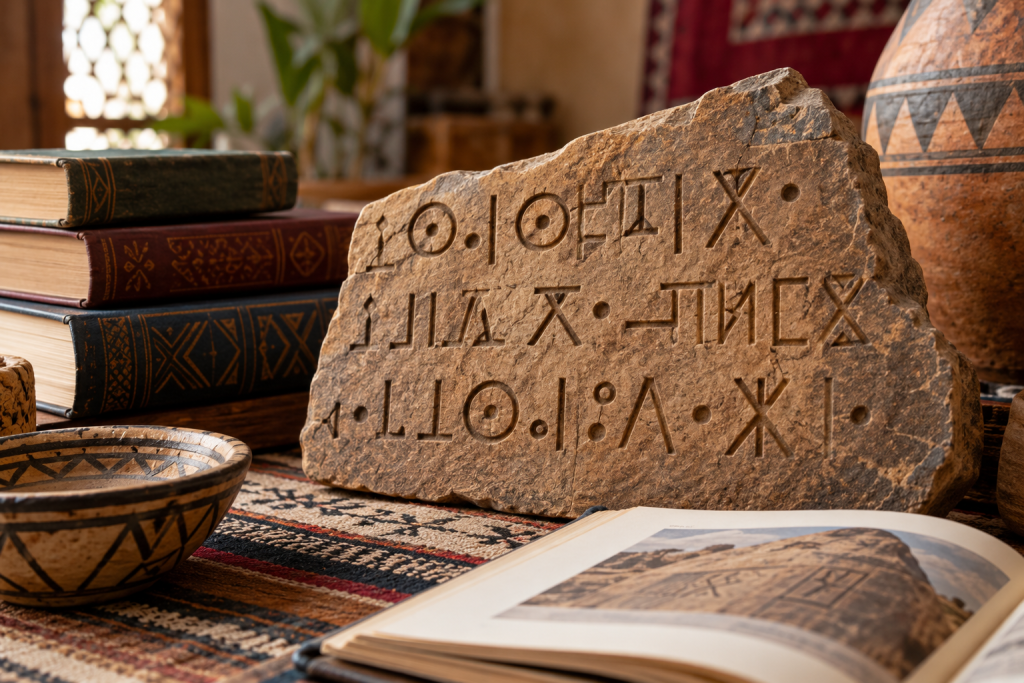
Tifinagh is one of the most recognizable symbols connected with Amazigh culture. Modern forms of the script are used for education, cultural projects, signs, and publications. The writing system represents a connection between historical Amazigh identity and contemporary cultural expression.
Everyday Life and Amazigh Culture
Amazigh culture is expressed through many parts of daily life, including family traditions, architecture, agriculture, crafts, clothing, celebrations, storytelling, and hospitality.
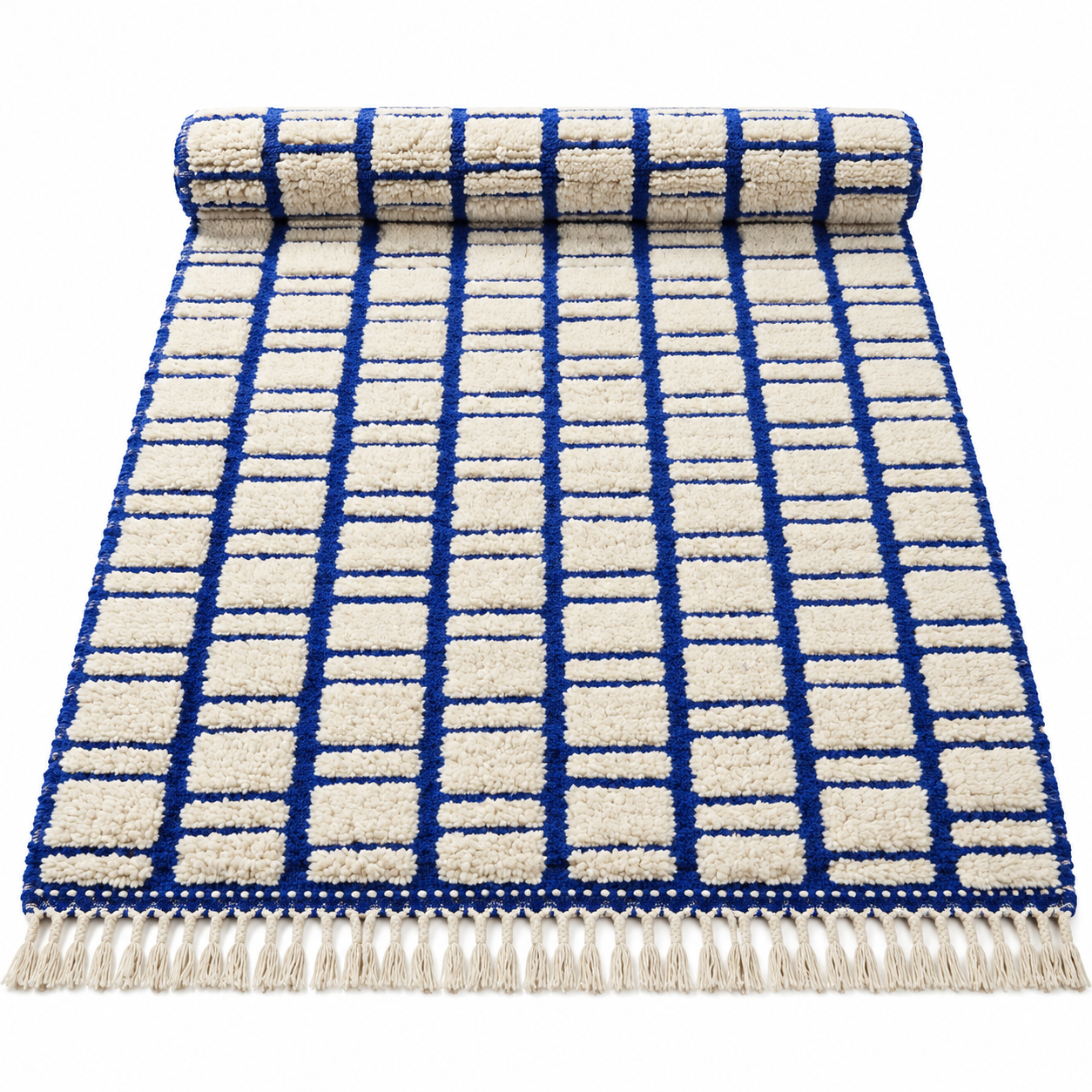
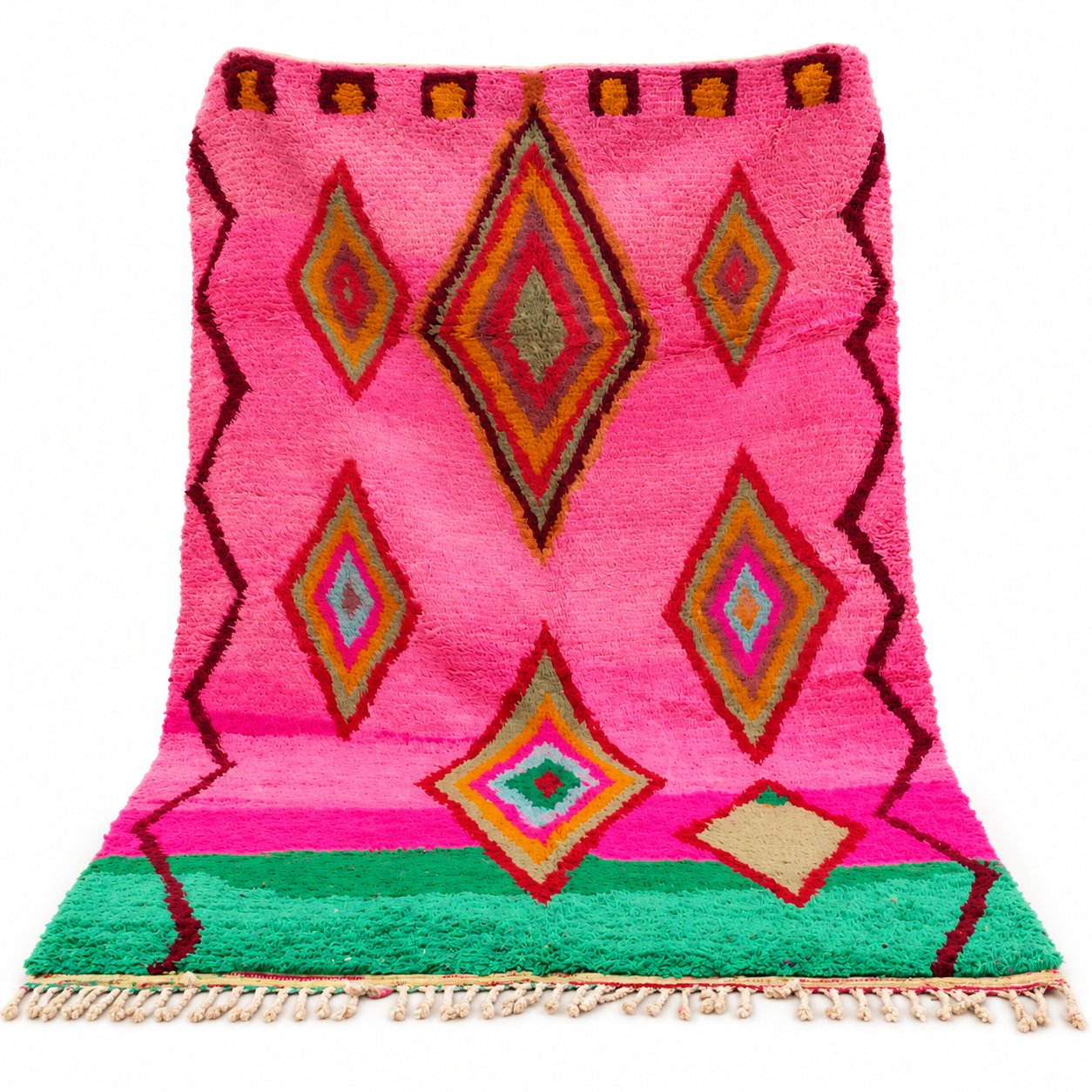
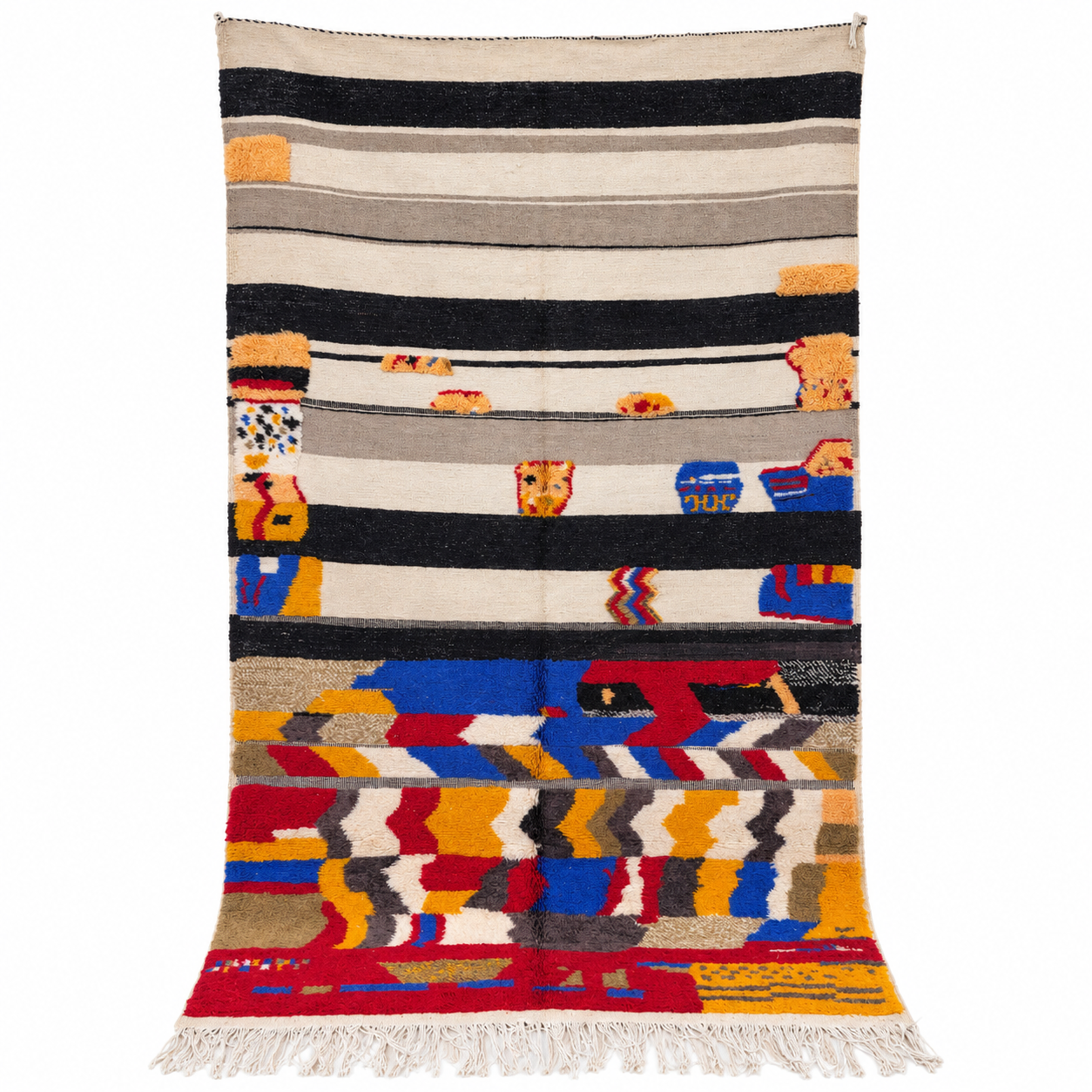
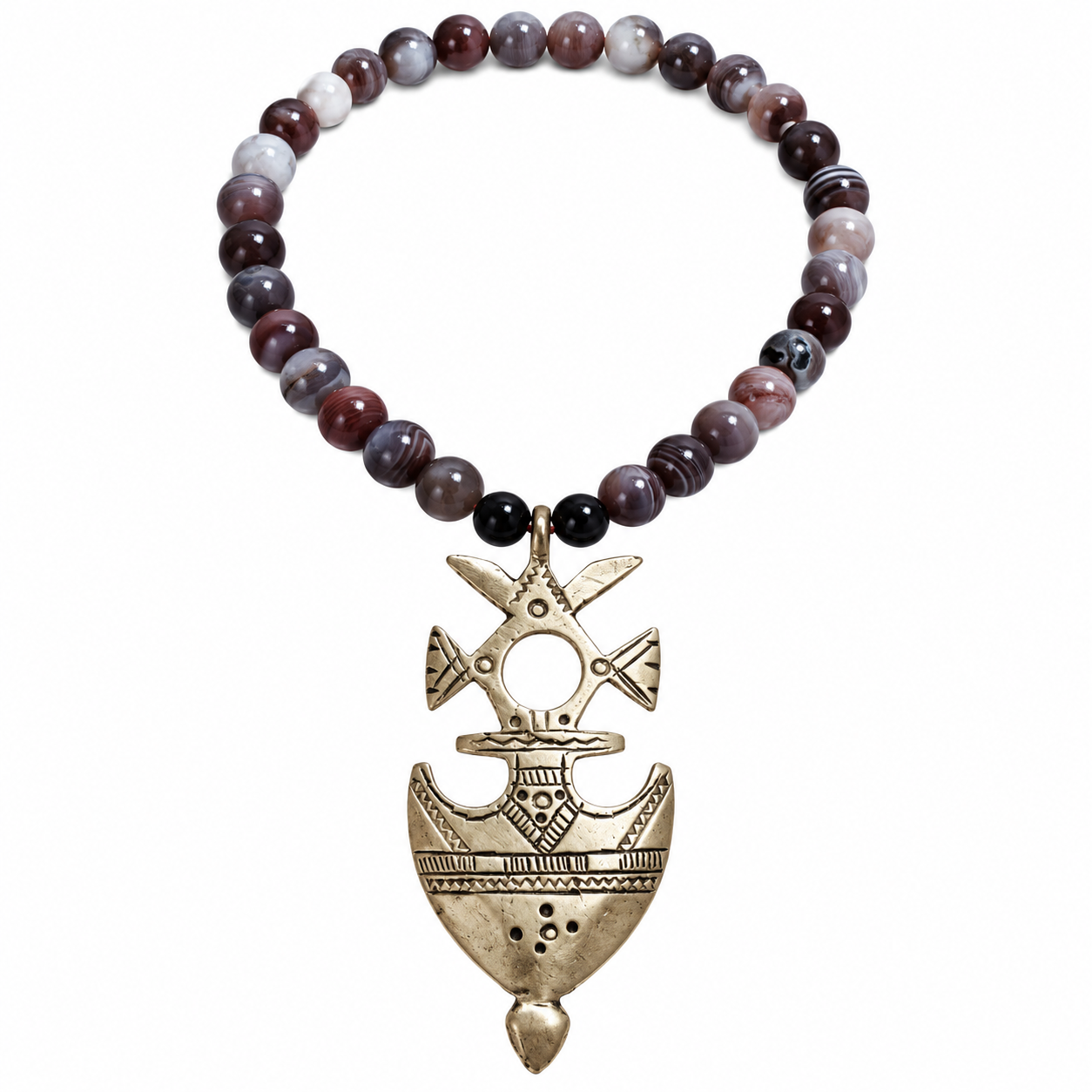
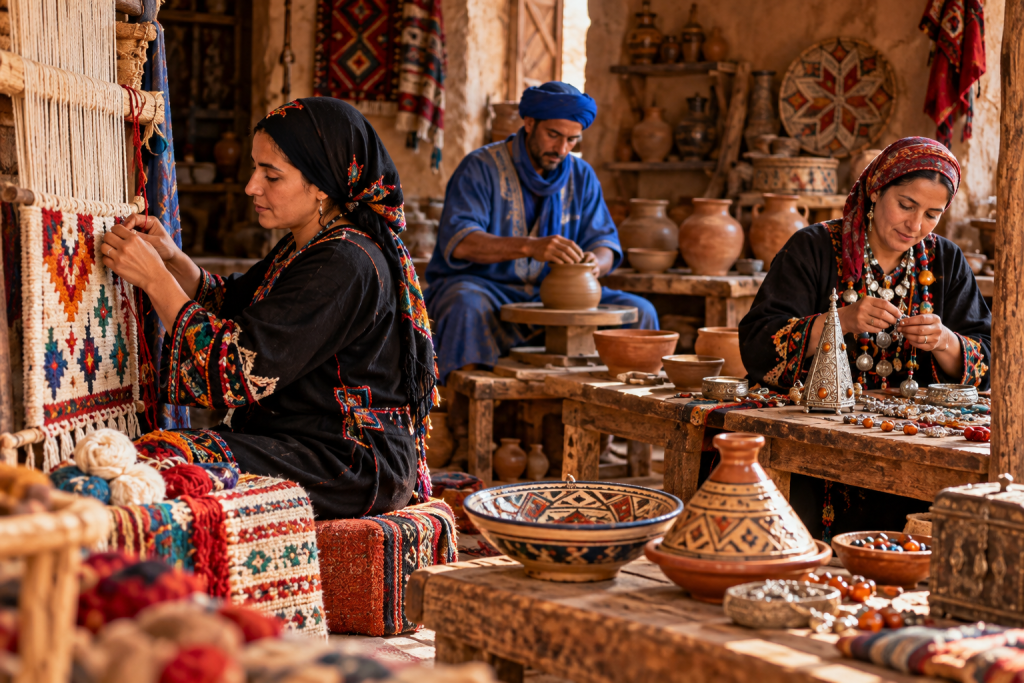
- Craftsmanship: Handmade carpets, pottery, jewelry, embroidery, and woodwork often carry regional patterns and meanings.
- Food: Amazigh cuisine includes dishes based on local ingredients such as grains, vegetables, olive oil, dates, herbs, and traditional preparation methods.
- Music: Songs and rhythms vary greatly between regions and may accompany celebrations, storytelling, and community events.
- Language: Oral traditions have played a major role in preserving history, poetry, and local knowledge.
Amazigh Symbols, Art, and Identity
Amazigh artistic traditions often combine beauty with cultural meaning. Geometric designs in carpets, jewelry, tattoos, and decorative objects may represent ideas connected with protection, nature, family, identity, or community memory.
However, symbols can have different meanings depending on the region and maker. It is important not to assume every Amazigh pattern has one universal interpretation.
History and Modern Amazigh Identity
Amazigh peoples have lived in North Africa for thousands of years. Their history includes ancient North African civilizations, interactions with Phoenician, Roman, Arab, Ottoman, European, and other cultures, and continued adaptation through changing political landscapes.
Today, Amazigh identity exists alongside national identities in countries across North Africa. Many Amazigh people are multilingual and may speak Tamazight, Arabic, French, Spanish, English, or other languages depending on their location and personal history.
Amazigh Communities Around the World
Migration has created Amazigh communities throughout Europe, North America, and elsewhere. Diaspora communities continue to maintain connections through language schools, cultural associations, festivals, music, food, and family networks.
For younger generations, Amazigh identity often combines ancestral traditions with modern experiences. Social media, digital archives, and creative industries have also created new ways to share Amazigh culture globally.
Common Misunderstandings About Amazigh People
- “All Amazigh people are nomads.” False. Some Saharan communities have nomadic histories, but many Amazigh people live in cities, villages, farming areas, and mountain towns.
- “Amazigh culture is one single culture.” False. Amazigh communities are diverse with many languages and traditions.
- “Amazigh identity belongs only to the past.” False. Amazigh languages, arts, activism, and cultural movements remain active today.
Why Learning About Amazigh Culture Matters
Understanding the Amazigh people provides a broader view of North African history and culture. Their heritage demonstrates how languages, traditions, and identities survive through adaptation and creativity.
From mountain villages to global cities, Amazigh communities continue to contribute to literature, music, crafts, food traditions, and cultural conversations. Learning about the Amazigh world means recognizing both shared roots and the rich diversity within it.
Amazigh Family, Community, and Social Traditions
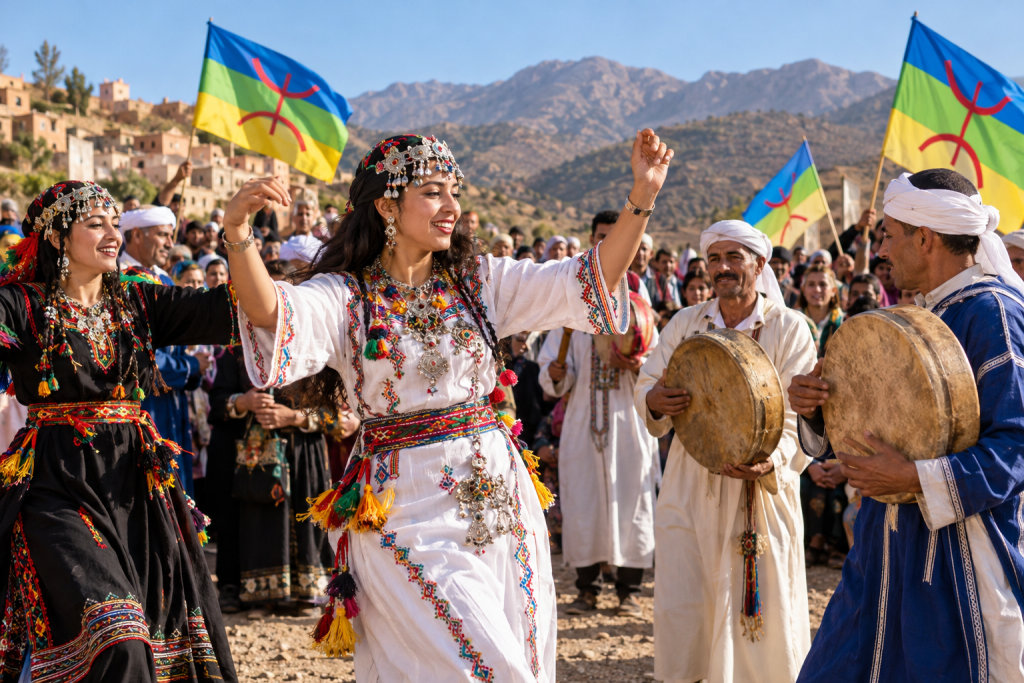
Family and community relationships have traditionally played an important role in many Amazigh societies. While customs differ between regions, extended family networks, cooperation between neighbors, and shared community responsibilities have often shaped everyday life.
In many Amazigh communities, oral knowledge has been passed from one generation to another through storytelling, songs, poetry, and conversations between elders and younger family members. These traditions have helped preserve local histories, moral lessons, agricultural knowledge, and cultural values.
Hospitality and Community Gatherings
Hospitality is widely valued across Amazigh communities. Welcoming guests, sharing food, and gathering during celebrations or important life events are common expressions of social connection. The details of these traditions vary greatly depending on the region, local customs, and family practices.
Amazigh Architecture and Traditional Living Spaces
Amazigh architecture reflects the environments where communities developed. Mountain villages, desert settlements, and agricultural areas each created different approaches to building homes and communal spaces.
Traditional houses were often designed using locally available materials such as stone, earth, wood, and clay. In some regions, buildings were adapted to protect residents from changing temperatures while supporting family life and agricultural activities.
Villages, Kasbahs, and Rural Landscapes
Historic Amazigh villages and fortified settlements show how communities combined practical needs with artistic expression. Decorative details, carved elements, and geometric patterns could appear on doors, walls, textiles, and household objects, creating spaces that were both functional and visually meaningful.
Amazigh Clothing and Traditional Dress
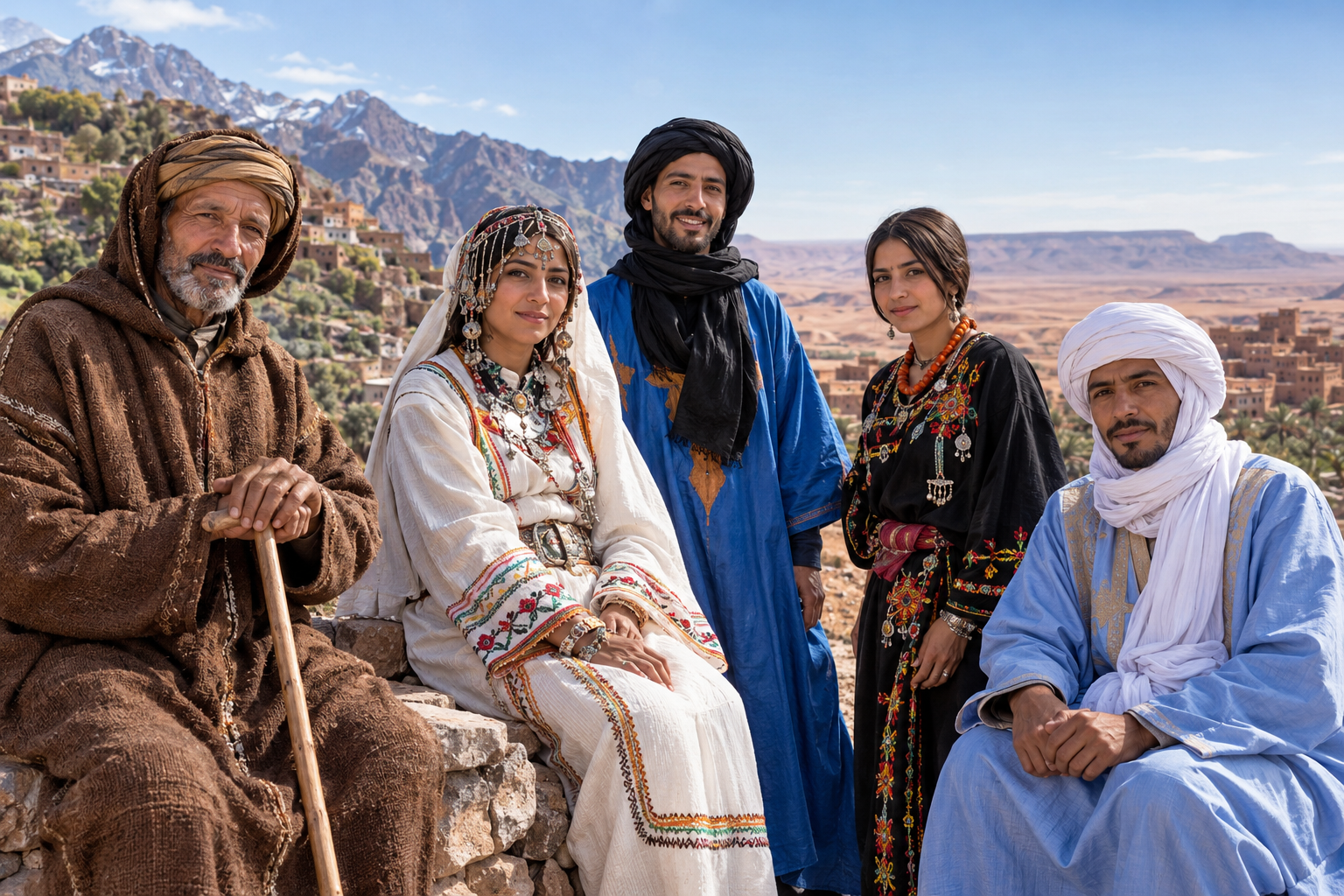
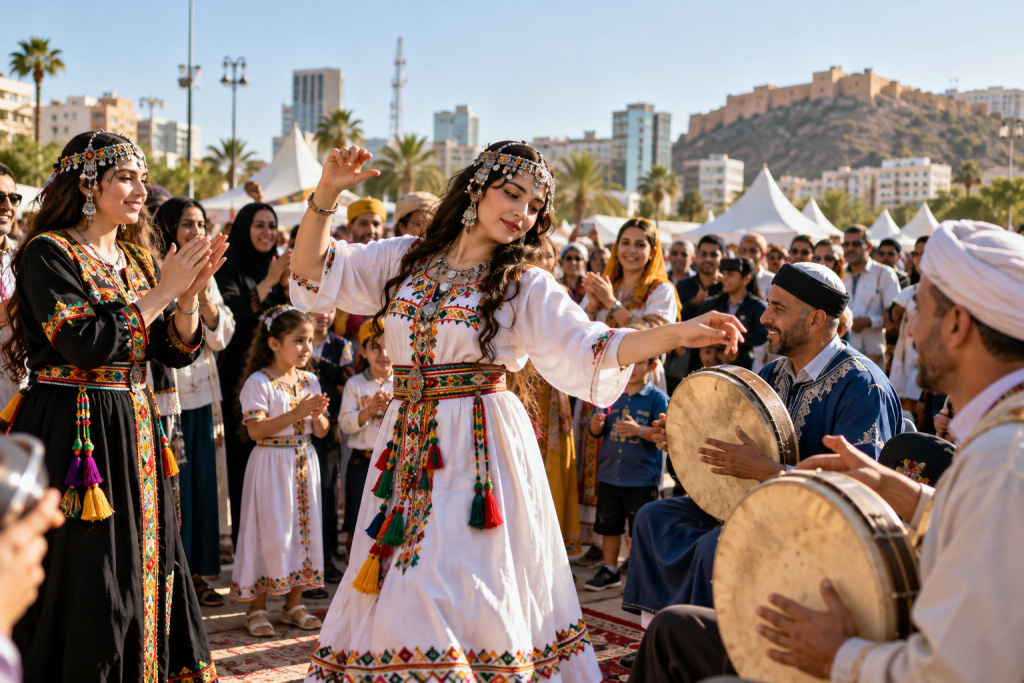
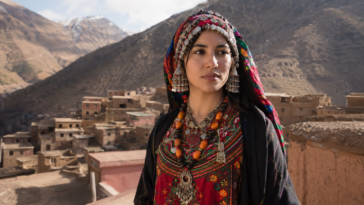
Amazigh clothing varies widely between regions and should not be viewed as one universal style. Different communities developed their own garments, colors, embroidery techniques, and jewelry traditions.
- Textiles: Handwoven fabrics often reflect local materials, climate, and regional artistic preferences.
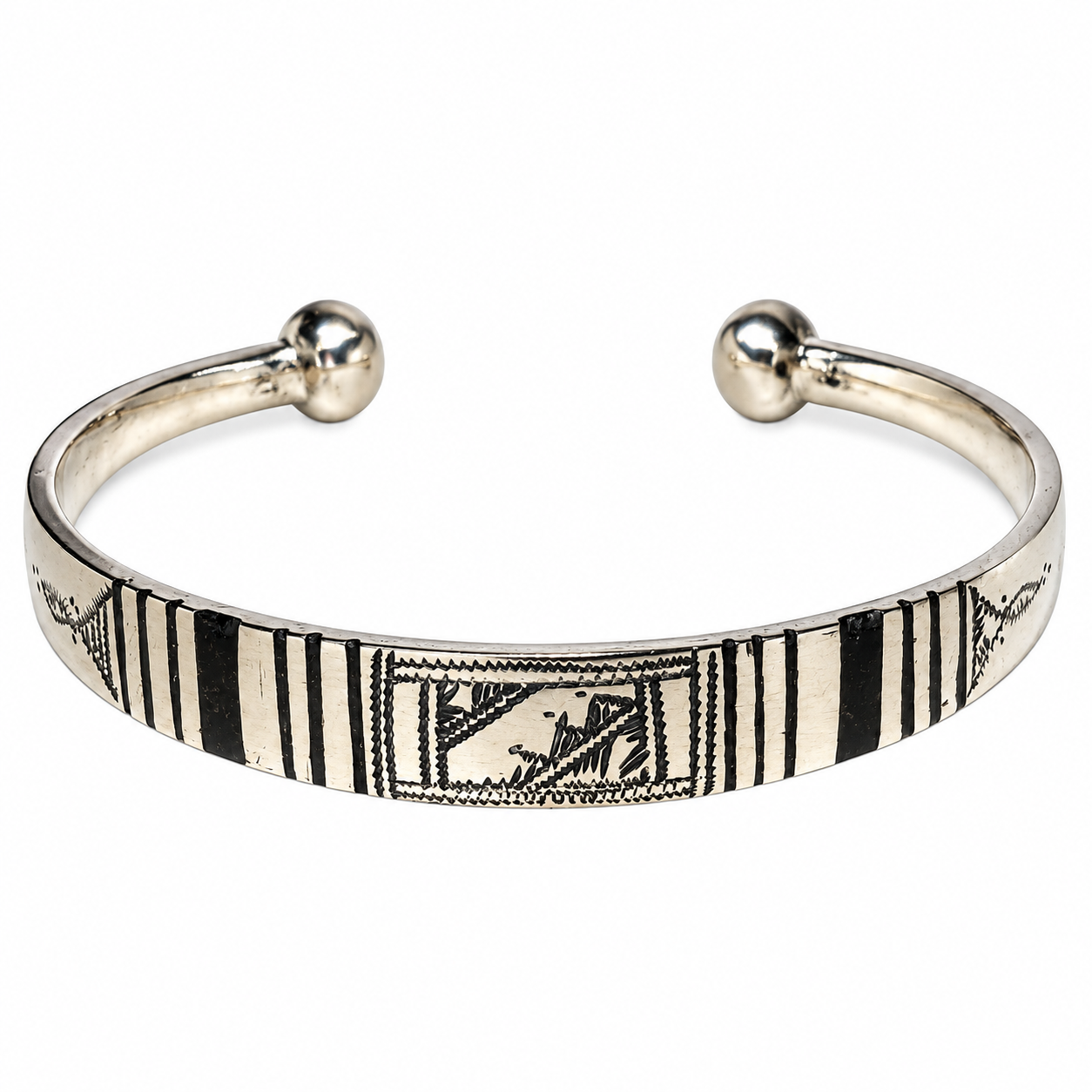
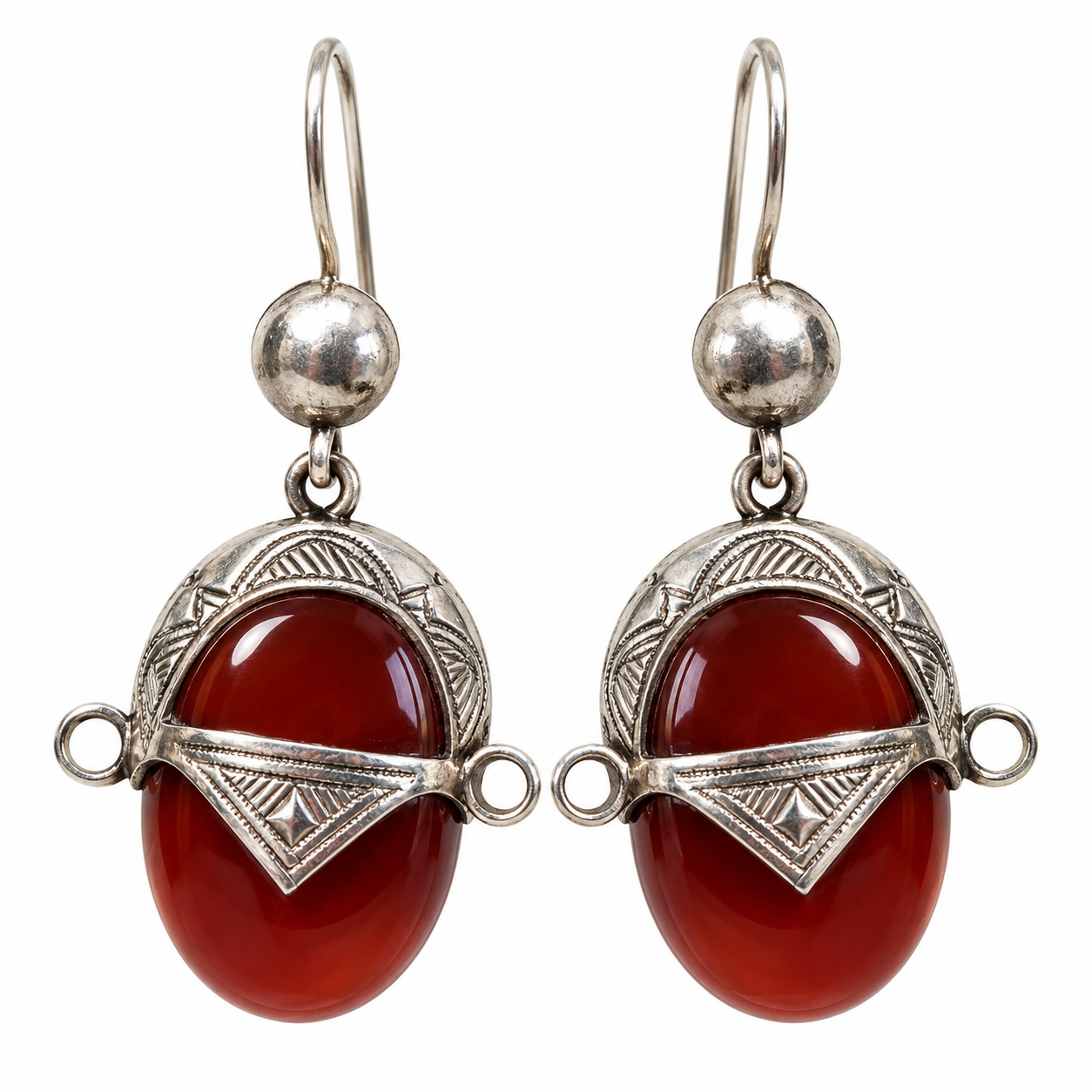
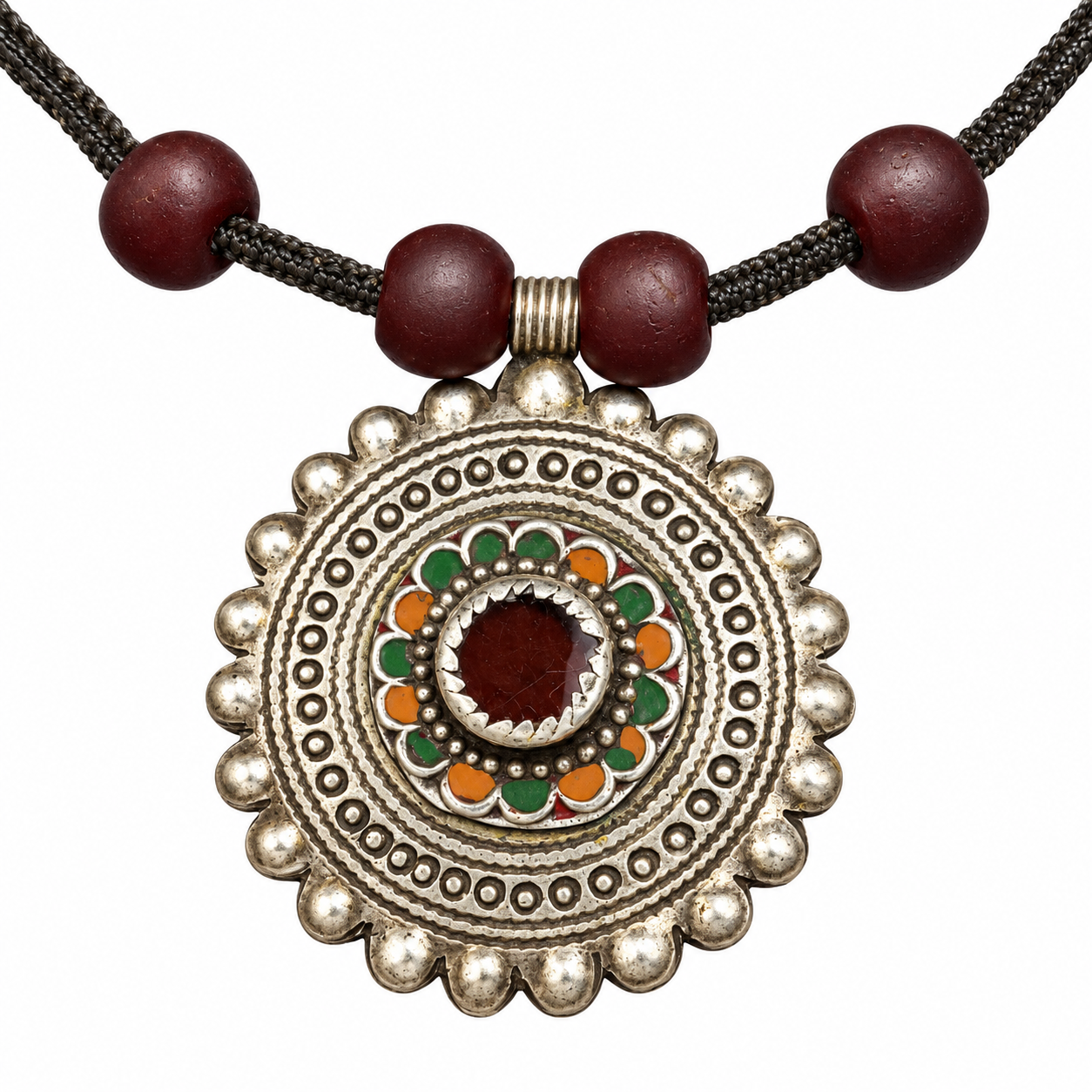
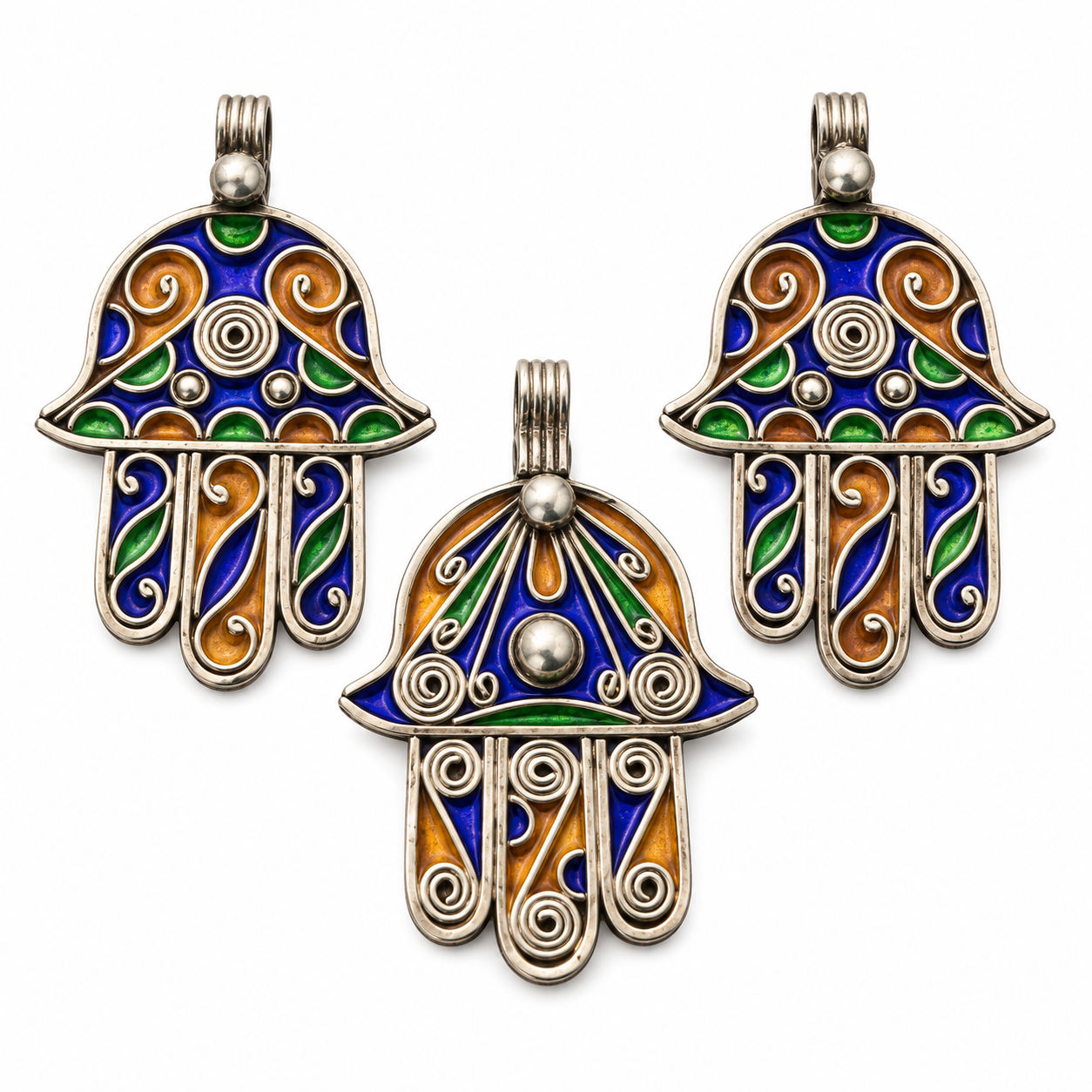
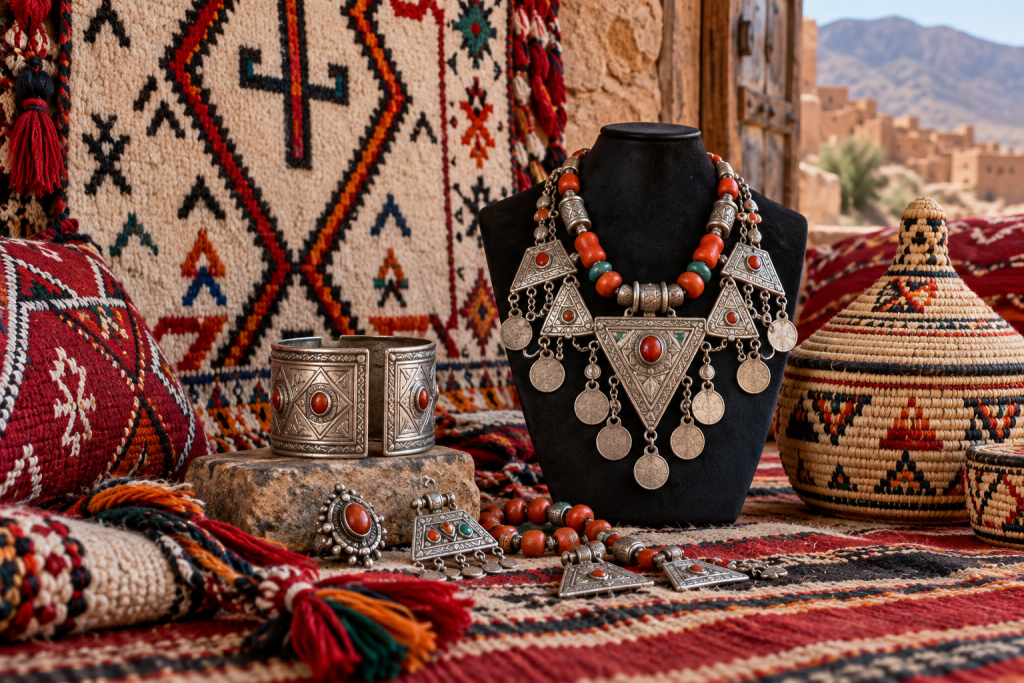
- Jewelry: Silver jewelry has an important place in many Amazigh traditions, with designs that may express identity, beauty, and cultural heritage.
- Embroidery: Decorative stitching techniques differ between communities and are often connected with local craftsmanship.
Today, Amazigh-inspired fashion combines traditional techniques with modern designs, allowing cultural elements to appear in contemporary clothing, accessories, and artistic creations.
The Importance of Preserving Amazigh Heritage
Preserving Amazigh heritage involves protecting languages, supporting cultural education, documenting oral traditions, and encouraging new generations to engage with their history. Museums, researchers, artists, musicians, and community organizations contribute to recording and sharing different aspects of Amazigh life.
Heritage preservation does not mean keeping culture unchanged. Like all living cultures, Amazigh traditions continue to evolve as communities interact with new technologies, global influences, and changing social environments.
 No products in the cart.
Comments (14)