
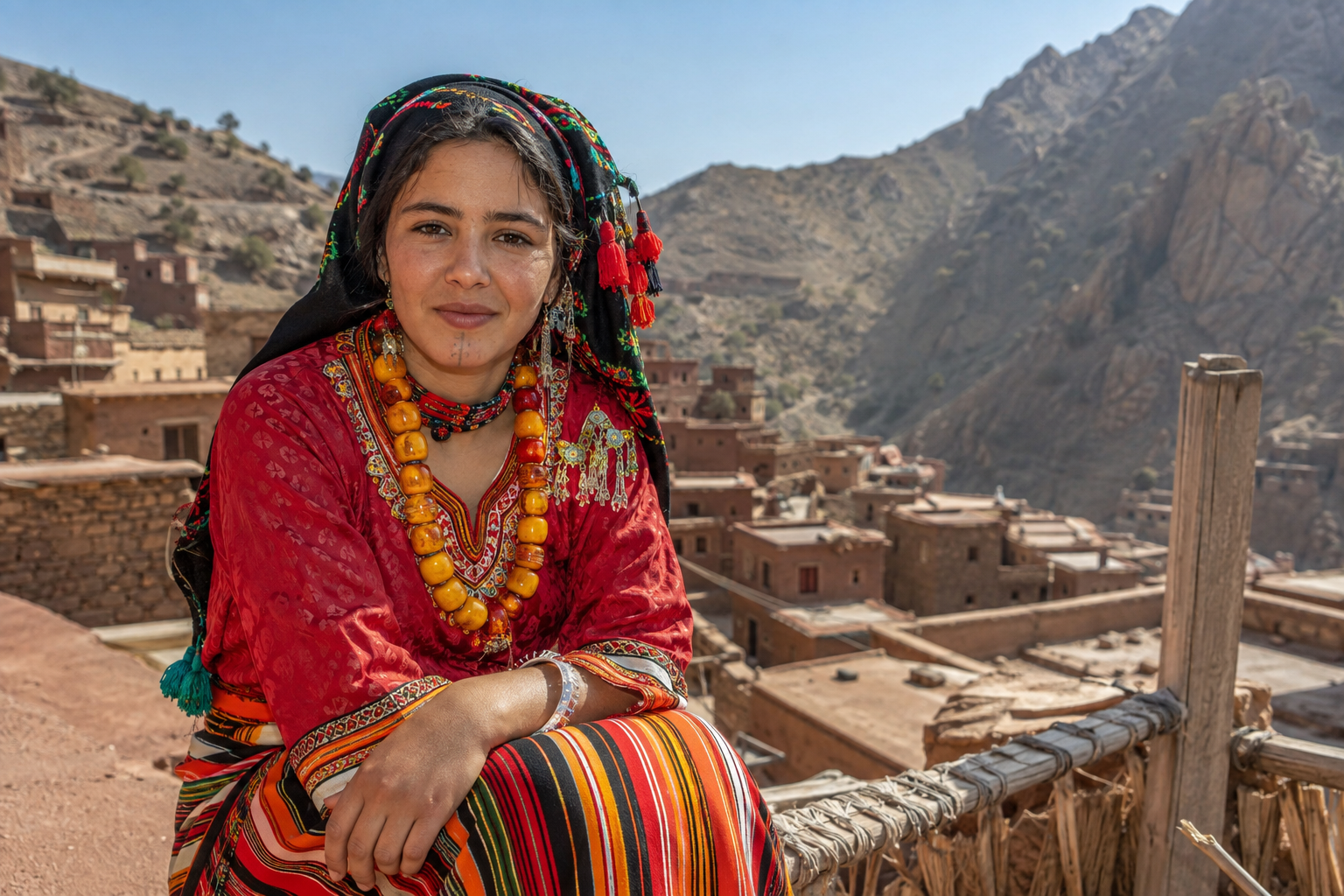
The Amazigh people are one of North Africa’s oldest cultural communities, with a history shaped by thousands of years of interaction with the landscapes, civilizations, and societies of the Maghreb. Often referred to as Berbers in historical sources, many communities today use the name Amazigh as a preferred expression of their own identity.
Who Are the Amazigh People?
The Amazigh, or Imazighen in plural, are Indigenous communities of North Africa found mainly in Morocco, Algeria, Tunisia, Libya, and parts of the Sahara. They are not a single homogeneous group but a collection of communities with different languages, regional traditions, and cultural expressions.
Amazigh identity is connected to language, family traditions, artistic practices, oral history, and relationships with ancestral territories. Communities living in mountains, deserts, and agricultural regions have developed different ways of preserving their heritage.
Ancient Roots in North Africa
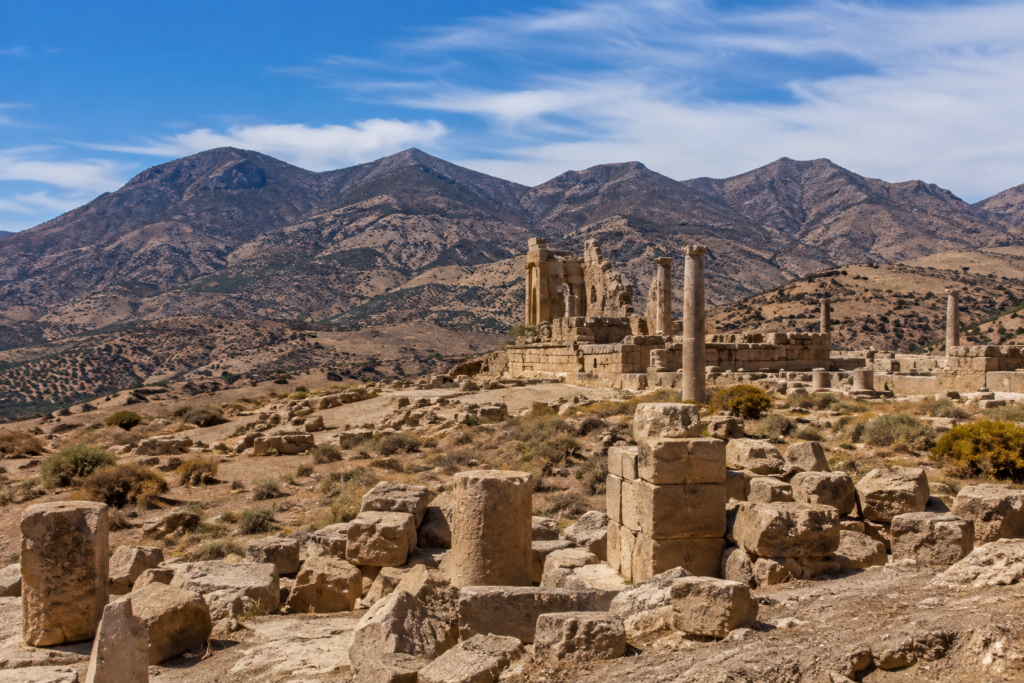
The history of Amazigh populations is deeply connected to the wider history of North Africa. Archaeological evidence and historical records show that communities related to Amazigh societies have lived in the region for many centuries.
Over time, Amazigh communities interacted with Phoenician, Roman, Arab, Ottoman, and European influences. These encounters shaped political and cultural developments while many Amazigh languages and traditions continued through generations.
Amazigh dynasties such as the Almoravids and Almohads became major political powers during the medieval period, influencing large parts of North Africa and the Iberian Peninsula.
Tamazight Languages and the Tifinagh Writing System
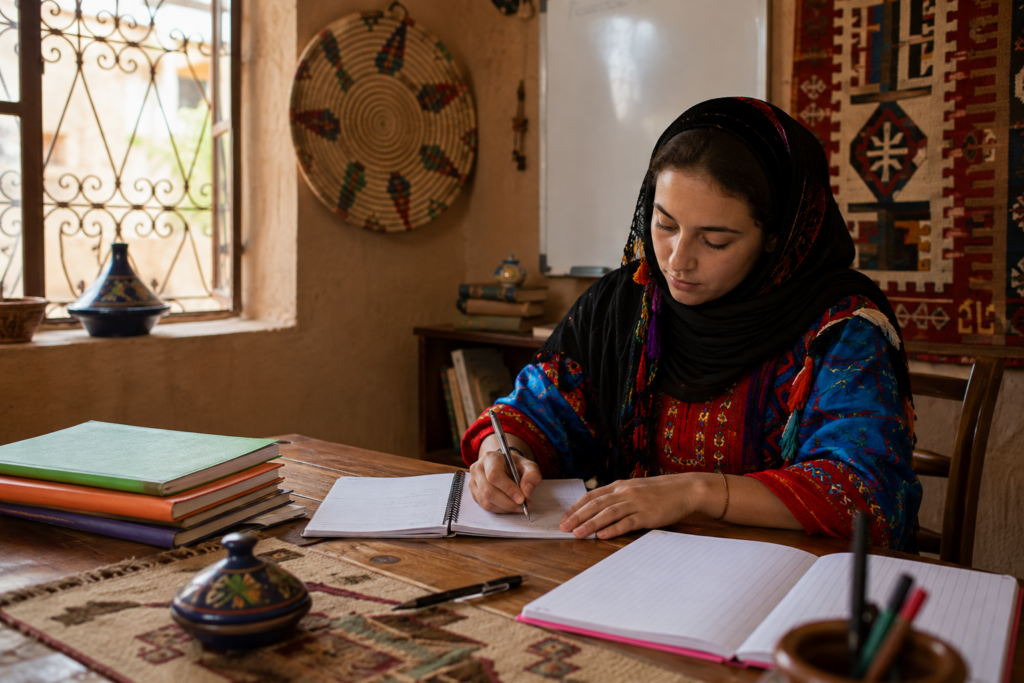
Language is a central part of Amazigh cultural identity. Tamazight refers to a group of related Amazigh languages spoken in different regions of North Africa. Major varieties include Tarifit in northern Morocco, Tashelhit in southwestern Morocco, and Kabyle in Algeria.
For centuries, Amazigh communities preserved knowledge through oral traditions, including storytelling, poetry, songs, and teachings shared by elders. These forms of communication carried history, values, social customs, and environmental knowledge.
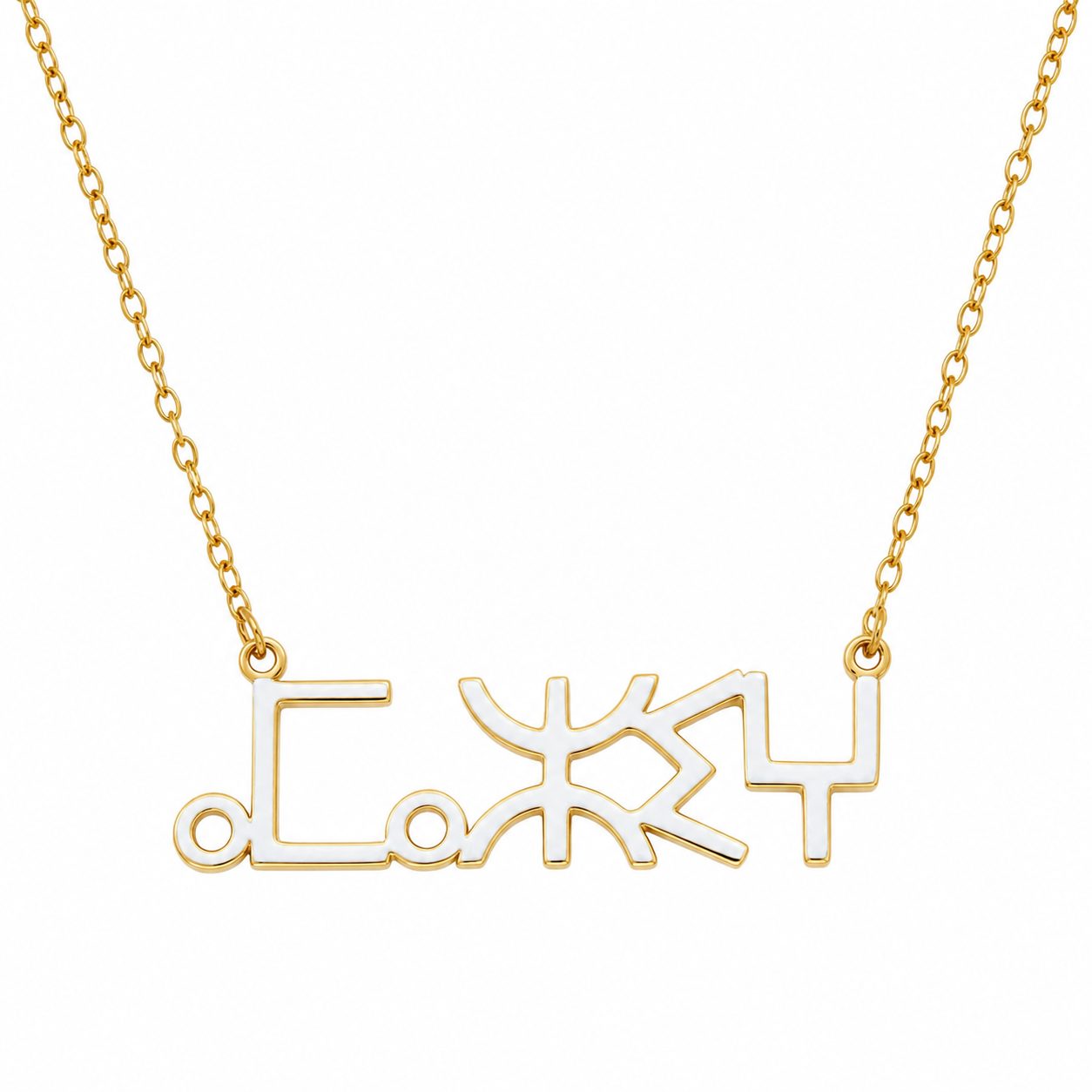
The Tifinagh script is an ancient writing system associated with Amazigh heritage. In modern times, it has become an important symbol of language preservation and cultural recognition.
Morocco recognized Tamazight as an official language in 2011, and Algeria granted Tamazight official status in 2016, marking important steps in acknowledging Amazigh linguistic heritage.
Amazigh Arts, Jewelry, and Craft Traditions
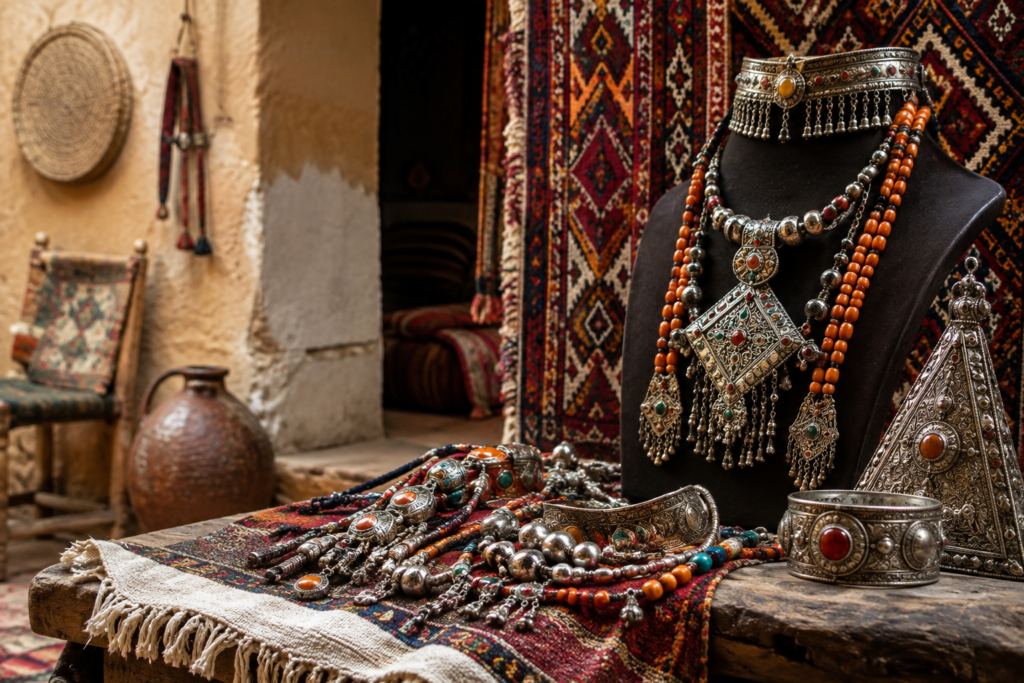
Amazigh culture is widely expressed through crafts, including textiles, pottery, jewelry, architecture, and music. These traditions often reflect regional histories and community values.
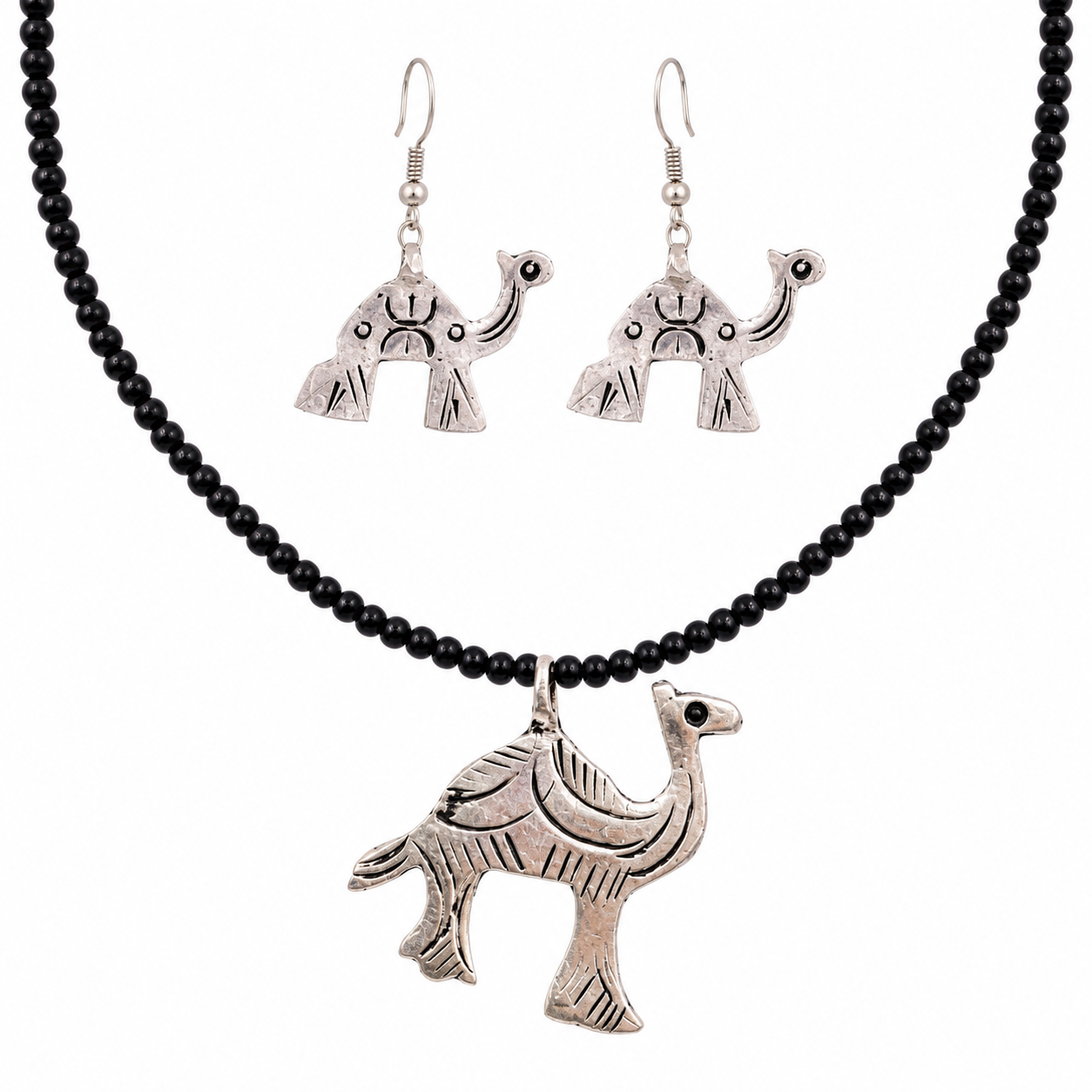
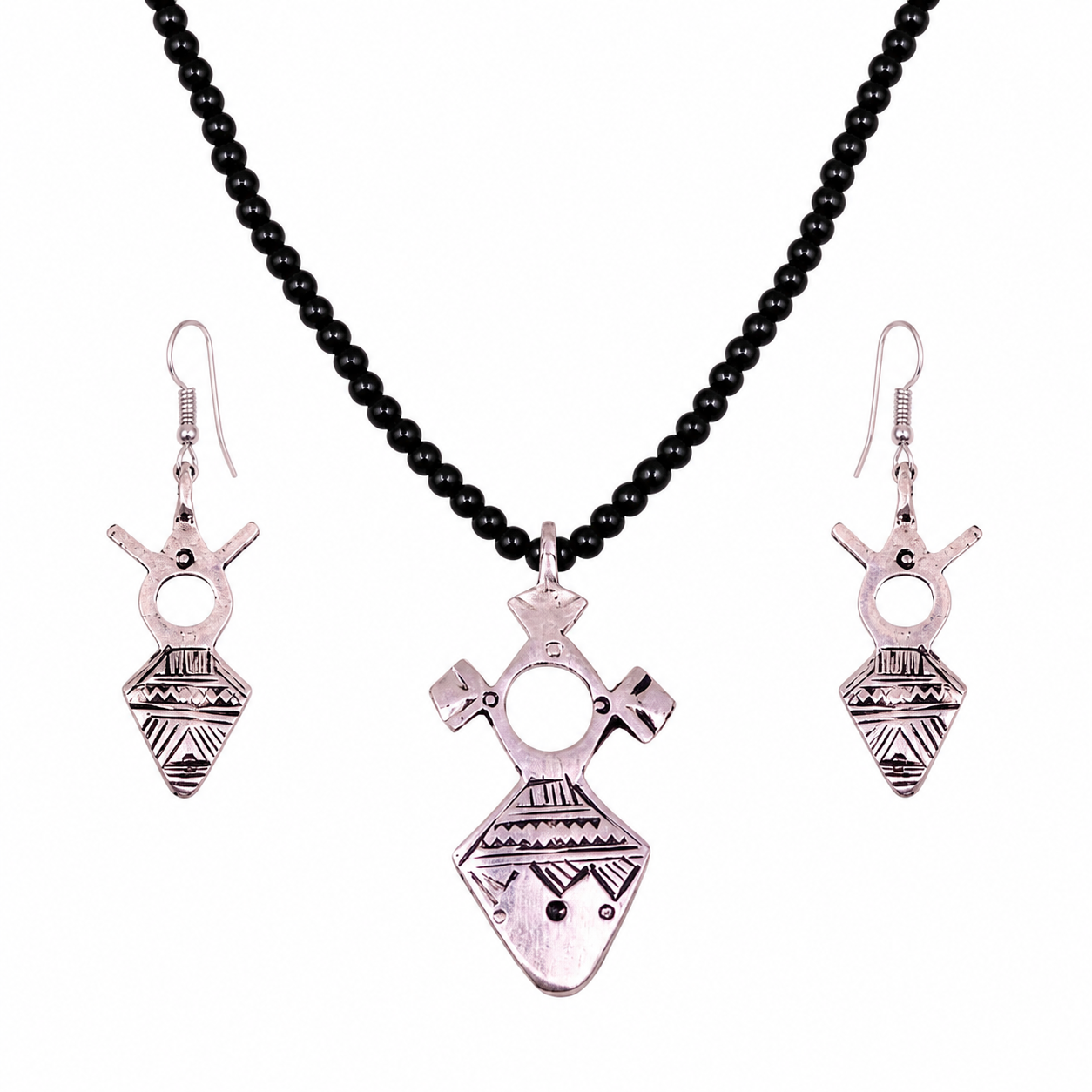
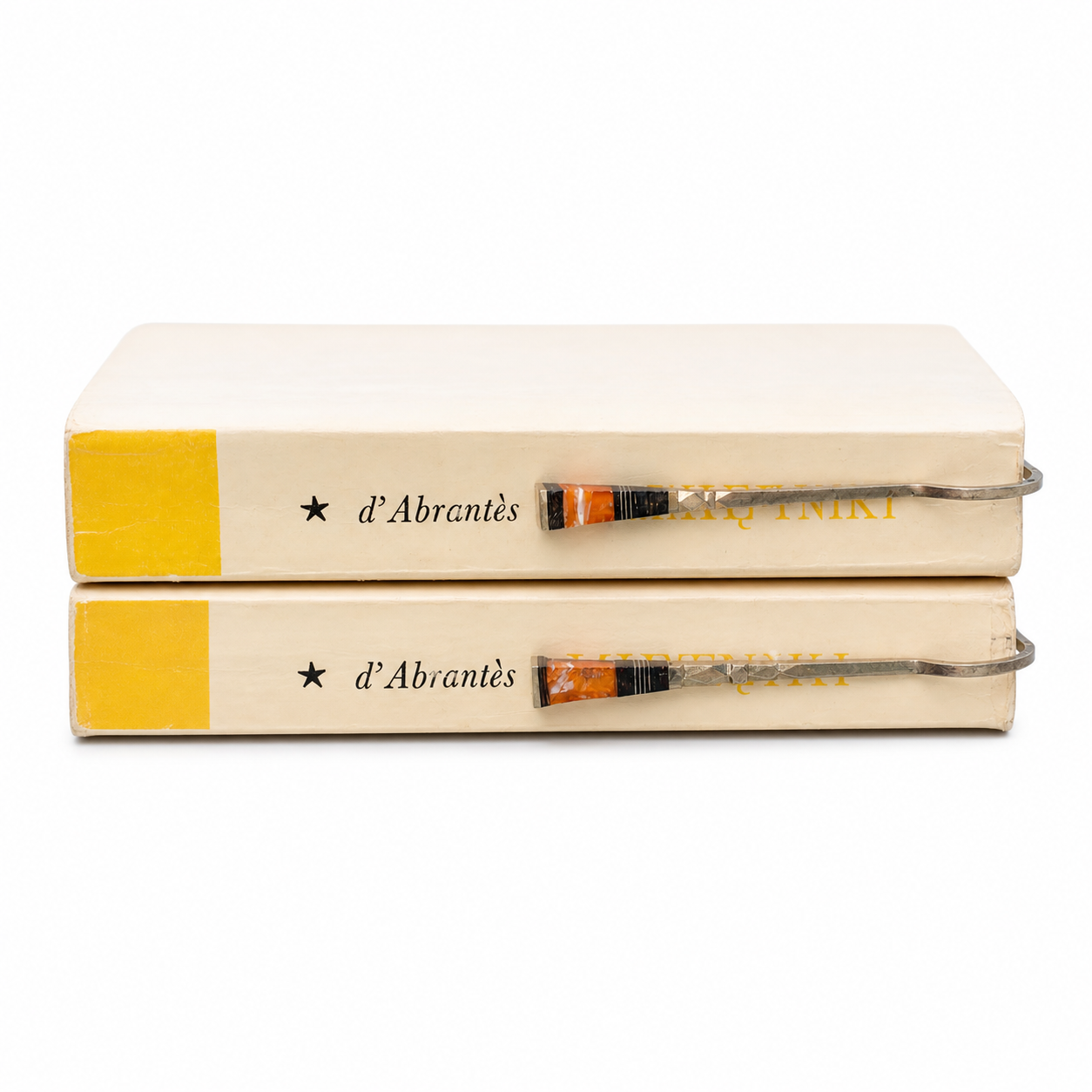
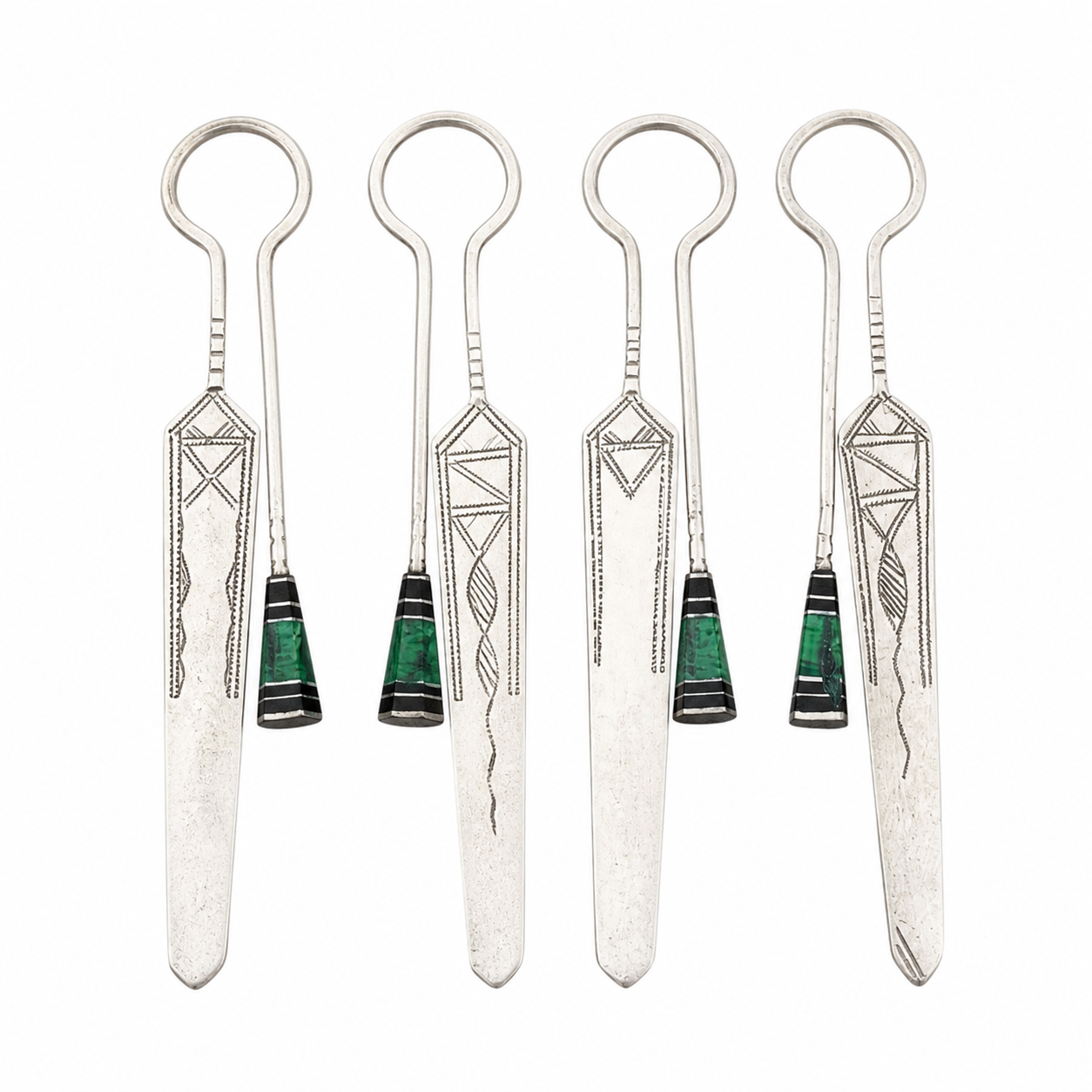
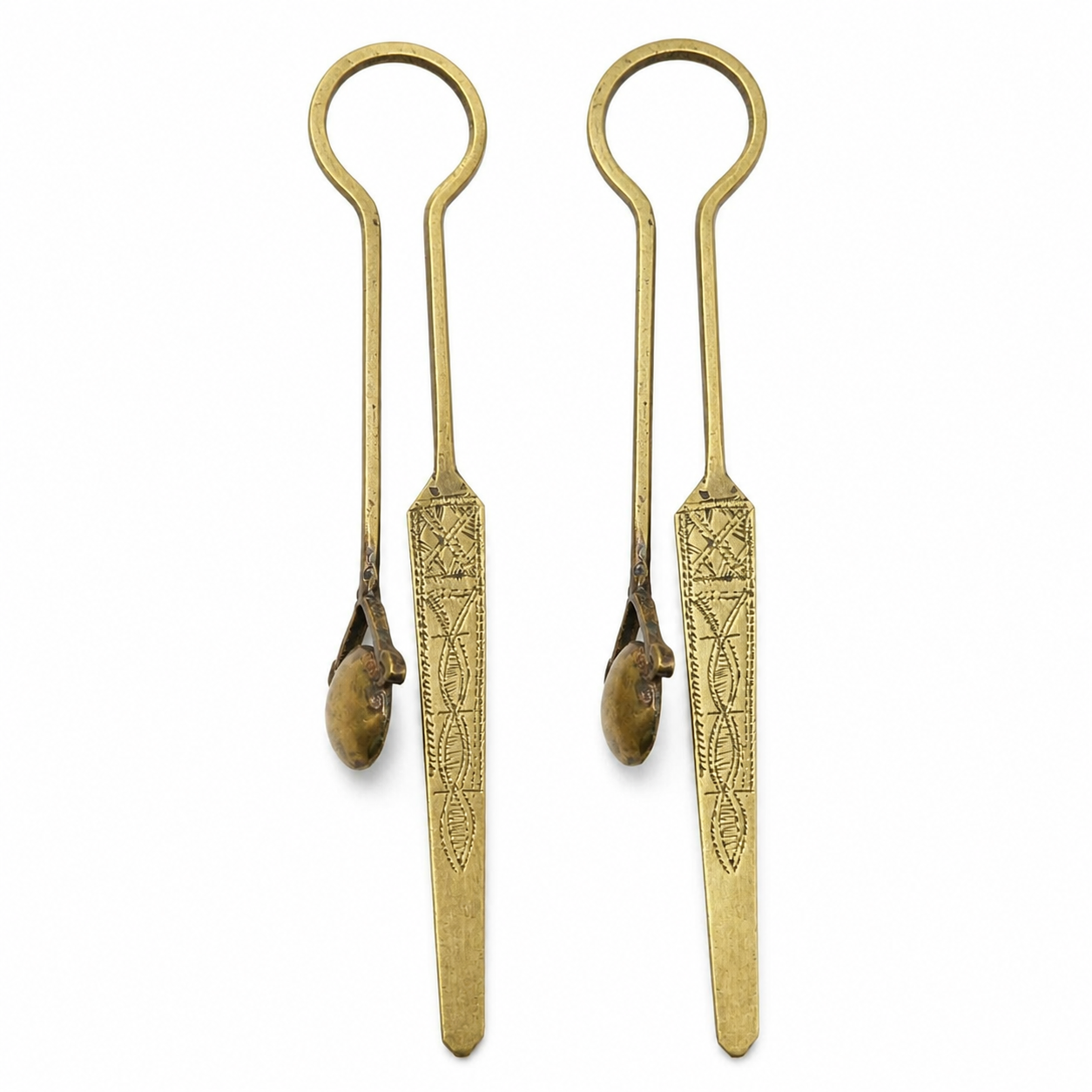
Amazigh jewelry is recognized for distinctive forms and symbolic designs. Traditional pieces may represent personal identity, social occasions, and regional artistic styles.
Weaving and handmade crafts continue to connect contemporary artisans with techniques developed over generations. Many crafts combine historical methods with modern creative approaches.
The Amazigh Relationship With Land
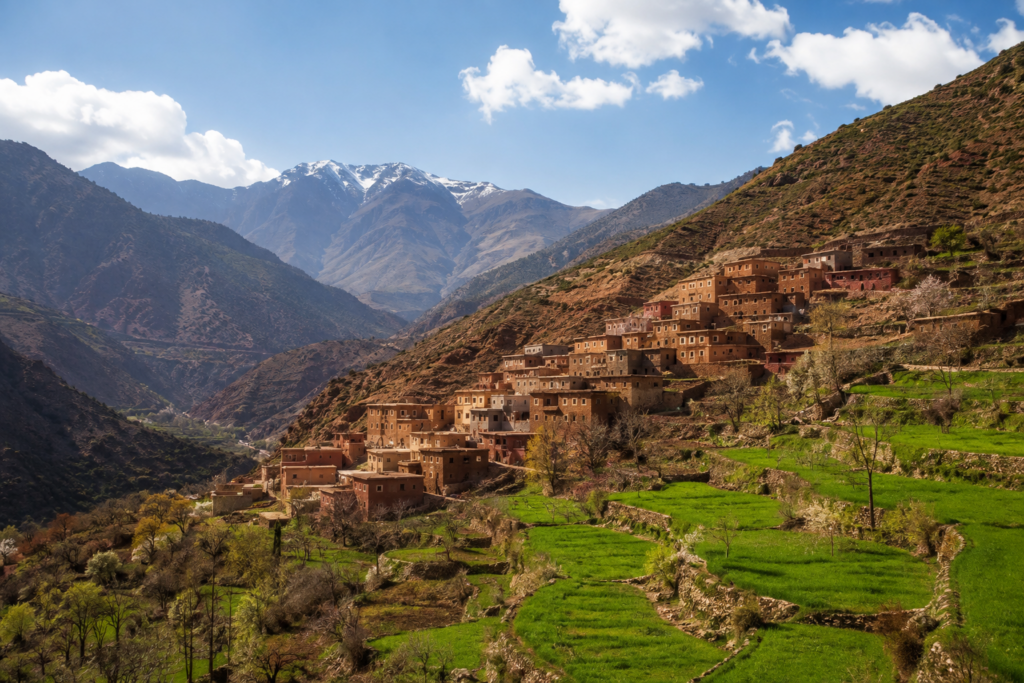
The connection between Amazigh communities and their environment is a major part of their cultural heritage. Many Amazigh societies developed in mountain areas, valleys, and desert regions where knowledge of natural resources was essential.
Traditional practices include agricultural knowledge, plant use, water management, and adaptation to challenging climates. These practices developed through long relationships with North Africa’s diverse landscapes.
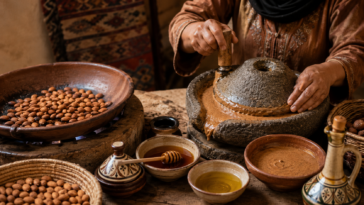
In Morocco, some Amazigh communities are connected to argan tree regions, where traditional knowledge contributes to the production and use of argan-based products.
Family, Community, and Social Traditions
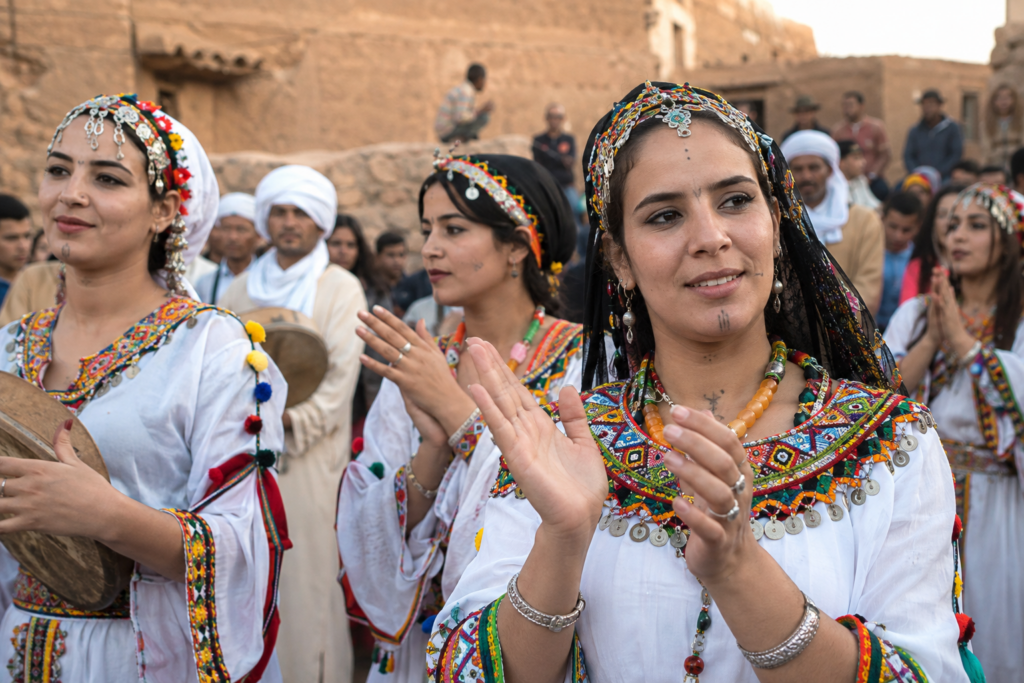
Amazigh societies have historically placed strong importance on family connections, cooperation, and community relationships. Shared traditions help maintain cultural links between generations.
Music, festivals, seasonal celebrations, and ceremonies continue to provide opportunities for communities to express identity and preserve customs. These traditions continue to evolve alongside modern lifestyles.
Amazigh Identity in the Modern Era
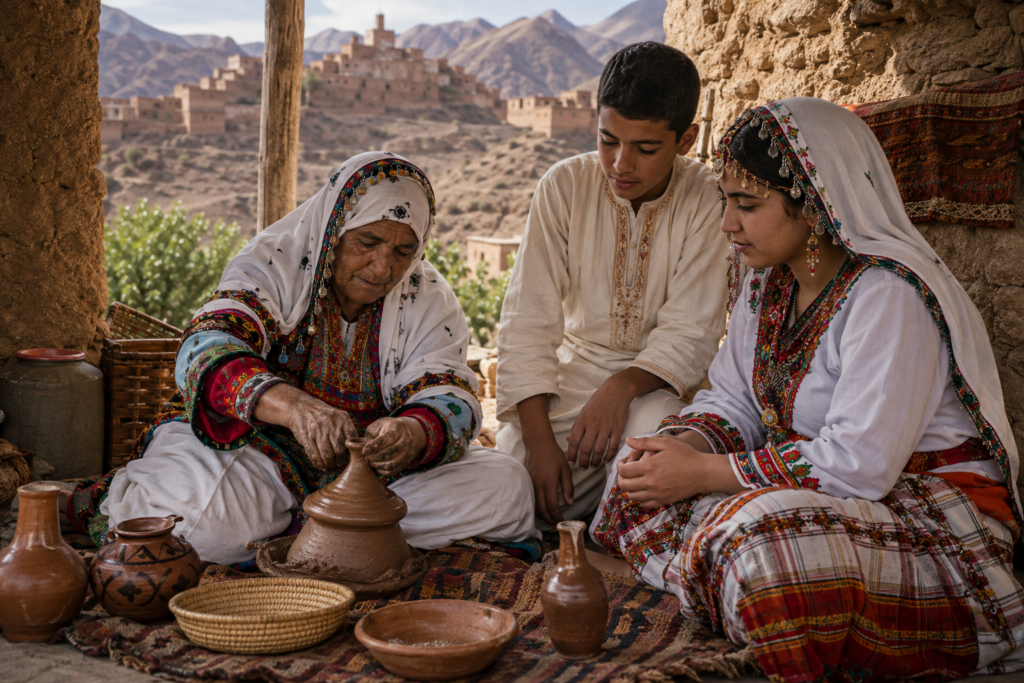
Today, Amazigh identity continues to develop within modern North African societies. Cultural organizations, educators, artists, and researchers contribute to preserving language, history, and traditions.
Modern Amazigh movements have focused on cultural recognition, education, linguistic rights, and heritage preservation. These efforts exist alongside the national identities of Morocco, Algeria, and other countries where Amazigh communities live.
The Importance of Amazigh Heritage
Amazigh heritage represents an important part of North Africa’s cultural diversity. Its languages, crafts, traditions, and environmental knowledge provide valuable insight into the history and identity of the region.
Like all living cultures, Amazigh traditions continue to change. New generations combine inherited knowledge with contemporary experiences, allowing Amazigh heritage to remain active and meaningful.
Regional Diversity Within Amazigh Communities
Amazigh culture is not identical across North Africa. Each region has developed its own customs, artistic styles, and language varieties based on geography and historical experiences. The Rif mountains of northern Morocco, the Atlas mountain regions, the Souss area, and Kabylie in Algeria each represent important centres of Amazigh cultural life.
In Morocco, major Amazigh cultural groups include the Rifian communities of the north, the Central Atlas Amazigh communities, and the Chleuh communities of the south and southwest. In Algeria, Kabyle, Chaoui, Mozabite, and Tuareg communities represent different Amazigh identities with their own traditions and social histories.
This diversity shows that Amazigh heritage is not a single tradition but a collection of interconnected cultures. Shared elements such as language roots, oral traditions, and cultural values connect these communities while allowing regional differences to remain meaningful.
Amazigh Oral Traditions and Storytelling
The role of poetry and music
Before written records became more widely used, oral traditions played a major role in preserving Amazigh knowledge. Stories, poems, songs, and proverbs helped communities transmit history, moral lessons, and social values.
Amazigh poetry has traditionally been an important form of expression, addressing themes such as love, community life, nature, social relationships, and historical memory. Music has also remained a central part of celebrations and cultural gatherings, with different regions developing their own instruments, rhythms, and performance styles.
Preserving memory through generations
Elders have traditionally played an important role in passing knowledge to younger generations. Through family conversations, community gatherings, and celebrations, younger members learn about customs, language, and collective memory.
Today, recordings, cultural organizations, schools, and digital platforms provide additional ways to preserve and share Amazigh oral traditions with wider audiences.
Amazigh Food Traditions and Agricultural Knowledge
Food traditions are another important expression of Amazigh heritage. Traditional cuisine reflects the environments where communities live and often relies on locally available grains, fruits, vegetables, herbs, and agricultural products.
Common elements of Amazigh food culture include different types of bread, couscous traditions, preserved foods, seasonal ingredients, and knowledge of local plants. Preparation methods are often connected to family customs and celebrations.
Agricultural knowledge has also been passed through generations. Seed selection, farming practices, and methods of storing food resources represent forms of traditional knowledge adapted to local climates and landscapes.
Amazigh Women and Cultural Preservation
Amazigh women have historically played important roles in maintaining cultural practices within families and communities. Through language, crafts, food preparation, and celebrations, women have contributed to the continuation of traditions.
Textile production, embroidery, jewelry knowledge, and household practices are among the areas where women have often preserved creative skills and cultural knowledge. These traditions have helped maintain connections between past and present generations.
In some regions, women’s cooperatives have also created opportunities for economic participation while supporting the continuation of traditional crafts and products.
Amazigh Architecture and Traditional Settlements
Amazigh communities have developed distinctive architectural traditions adapted to their environments. Mountain villages, desert settlements, and rural homes often reflect local materials, climate conditions, and social needs.
Traditional buildings may include communal spaces designed to support family and community life. Construction methods using locally available materials demonstrate practical knowledge developed through generations.
These architectural traditions provide insight into how Amazigh communities adapted to different landscapes while creating spaces connected to their cultural values.
The Future of Amazigh Cultural Heritage
The preservation of Amazigh heritage continues through education, cultural initiatives, artistic expression, and community efforts. Younger generations increasingly combine traditional knowledge with modern forms of communication and creativity.
Digital media, contemporary music, literature, and cultural events have created new ways to share Amazigh languages and traditions. These developments allow heritage to remain dynamic rather than simply preserved as history.
Understanding Amazigh culture provides a broader view of North Africa’s diversity and highlights the importance of protecting languages, traditions, and historical memories that contribute to the region’s identity.
Conclusion
The Amazigh people have maintained a strong cultural presence across North Africa through centuries of transformation. Their languages, traditions, artistic expressions, and connection to the land remain essential parts of the Maghreb’s cultural landscape.

 No products in the cart.
Comments (26)