
The symbol ⵣ, known as Yaz, is one of the most recognizable signs associated with Amazigh identity. Appearing on flags, jewelry, artworks, buildings, and cultural designs, this simple geometric shape carries layers of meaning connected to language, history, and modern expressions of Amazigh heritage.
Yaz ⵣ: A Letter Before Becoming a Symbol
Before becoming a cultural emblem, Yaz was and remains a letter of the Tifinagh alphabet. In modern Tifinagh writing, ⵣ represents the sound “z” and appears in the spelling of the word Amazigh: ⴰⵎⴰⵣⵉⵖ.
Tifinagh is part of a long North African writing tradition connected with ancient Libyco-Berber scripts. These inscriptions have been found across different parts of North Africa, showing the historical importance of written communication among Amazigh communities.
Modern Tifinagh has experienced a revival through Amazigh cultural movements and language preservation efforts. In Morocco, the script was standardized for Amazigh language use and became increasingly visible in education, cultural institutions, and public spaces.
The Shape of Yaz and the Image of the Standing Human

One reason Yaz became such a powerful symbol is its visual appearance. Many people interpret the shape as a human figure standing upright, with a central body, open arms, and extended legs.
This interpretation connects the symbol with ideas of dignity, independence, and connection to the land. The image of a person standing firmly has made Yaz a representation of strength and cultural pride.
However, it is important to distinguish between the historical use of the letter and its modern symbolic interpretation. There is no confirmed evidence that ancient users of related scripts understood this exact human meaning. The association developed mainly through contemporary Amazigh cultural expression.
Yaz and the Amazigh Flag

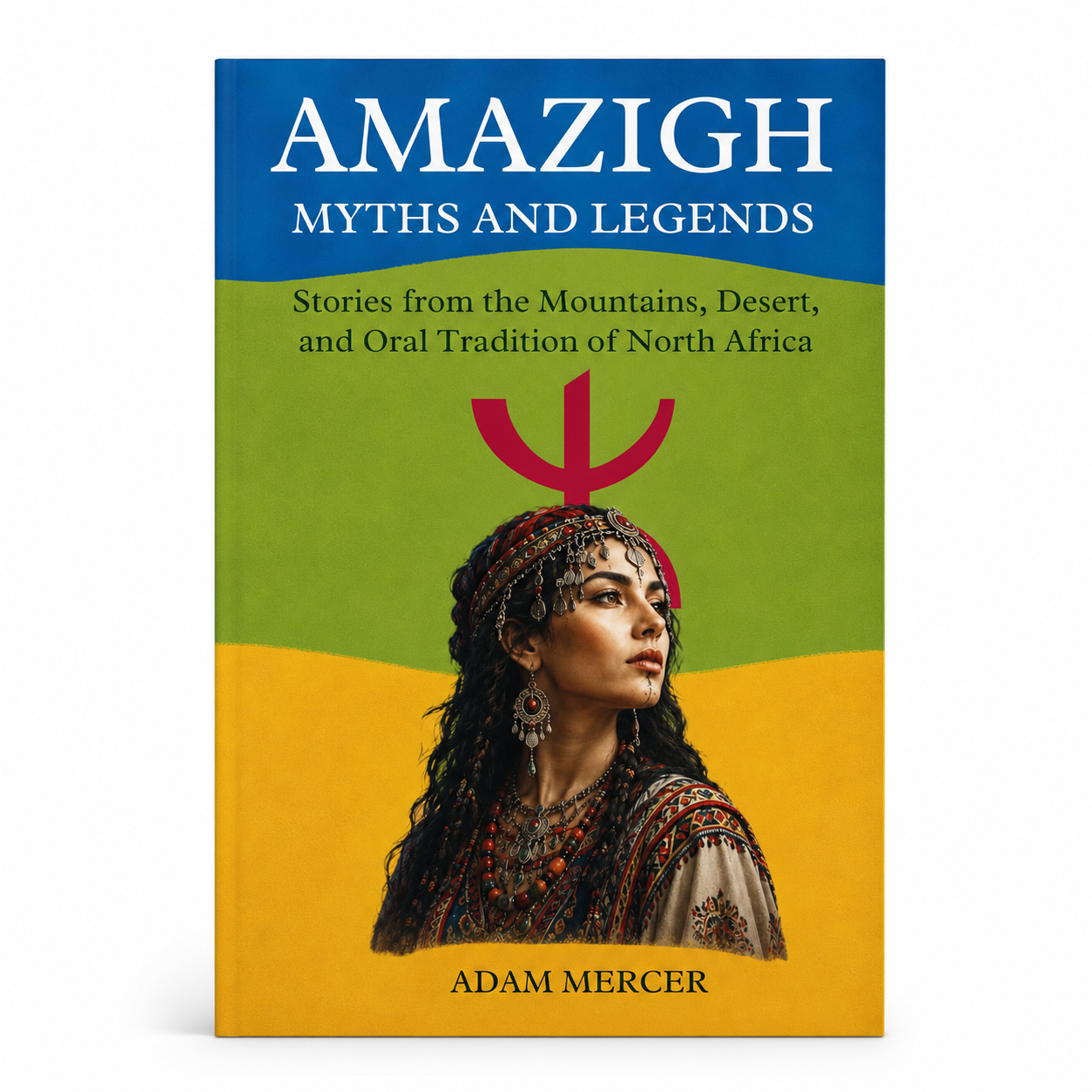
The Yaz symbol gained wider recognition when it became the central element of the Amazigh flag. Adopted by Amazigh cultural organizations in the late twentieth century, the flag combines colors representing different landscapes of the Amazigh world.
The blue, green, and yellow bands are commonly associated with the sea, mountains, fertile lands, and desert regions. At the center, the red Yaz represents the human element and the connection between Amazigh communities across different territories.
The symbol allows people from diverse Amazigh regions to express a shared cultural identity while recognizing the variety of languages, traditions, and histories within the Amazigh world.
The Role of Tifinagh in Amazigh Identity

Language has always been one of the strongest foundations of Amazigh identity. Tifinagh represents more than a writing system; it has become a visible connection between ancient heritage and modern cultural life.
For many Amazigh communities, seeing Tifinagh in public spaces represents recognition of a language and culture that was historically transmitted mainly through oral traditions.
The revival of Tifinagh demonstrates how writing systems can become symbols of belonging. A single character such as Yaz can carry linguistic meaning while also representing broader cultural values.
Yaz in Art, Jewelry, and Everyday Design
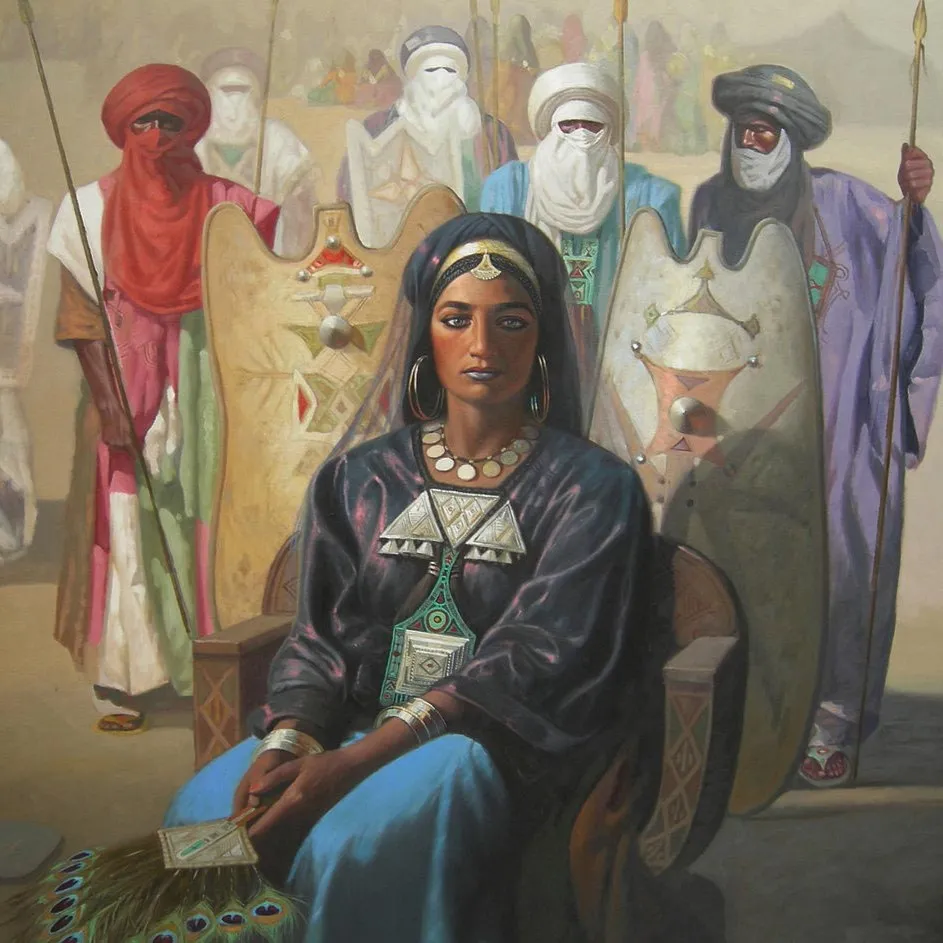
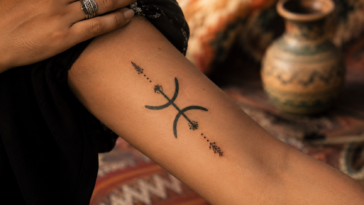
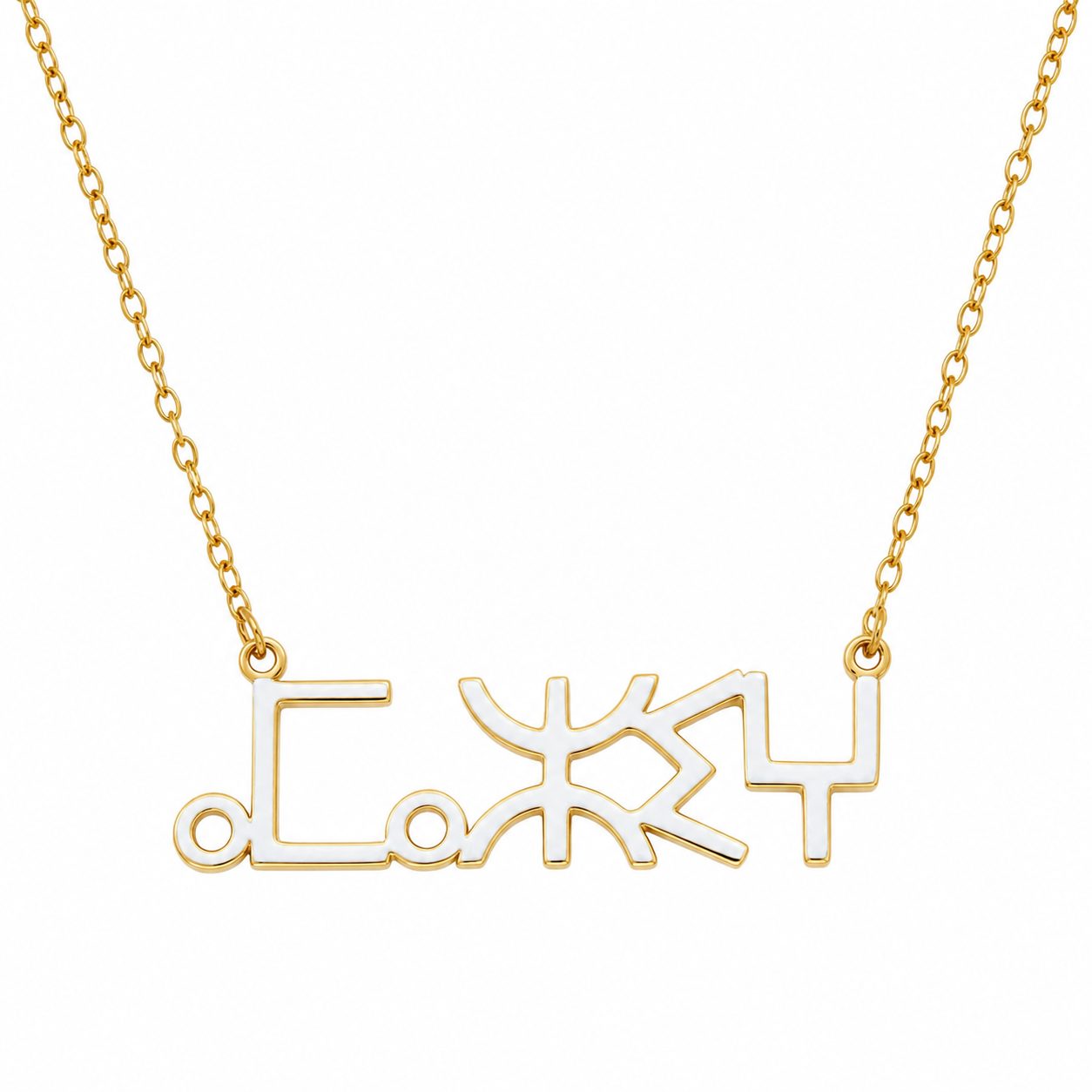
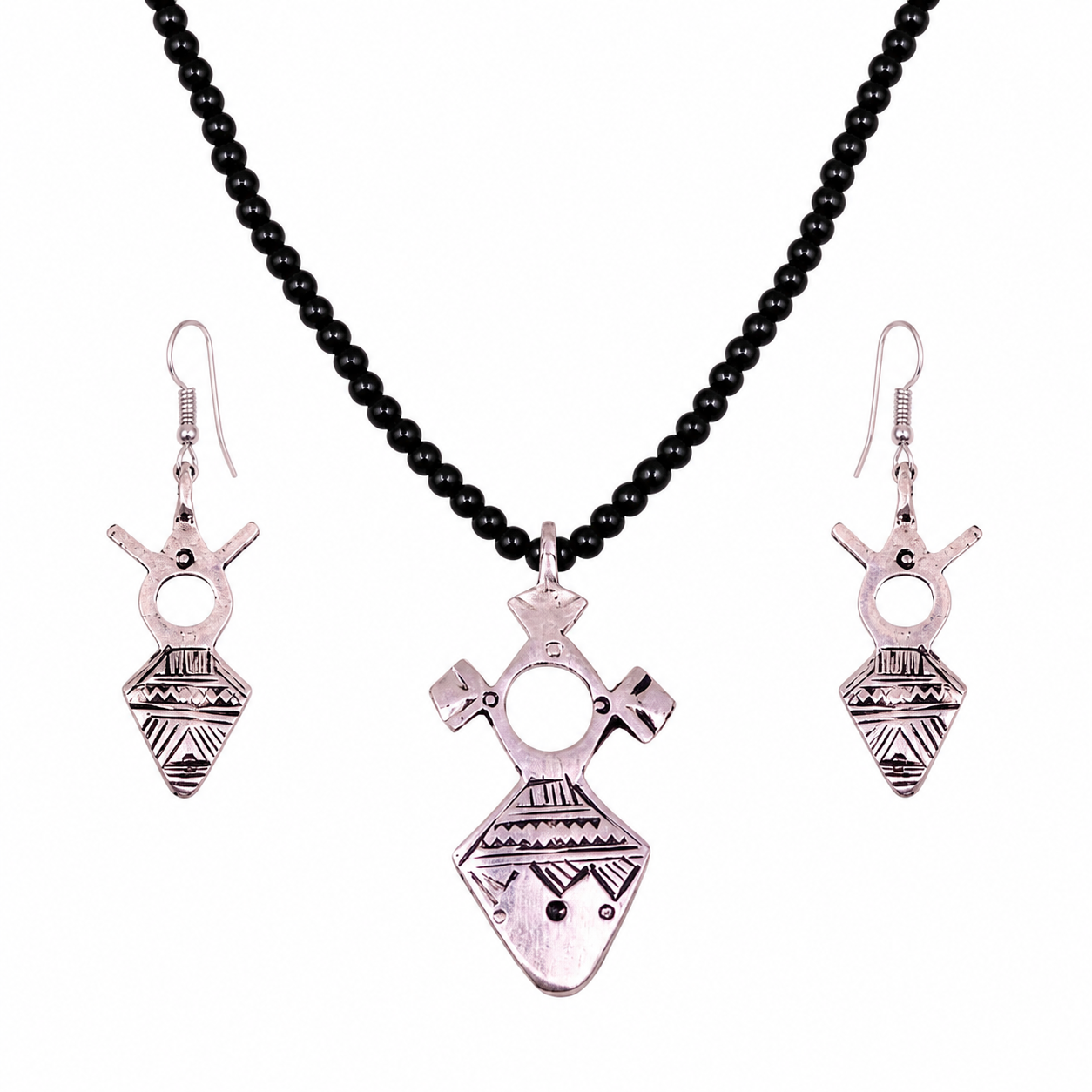
The popularity of Yaz has extended beyond language and flags into many forms of artistic expression. It appears in traditional-inspired jewelry, clothing designs, paintings, tattoos, and decorative objects.
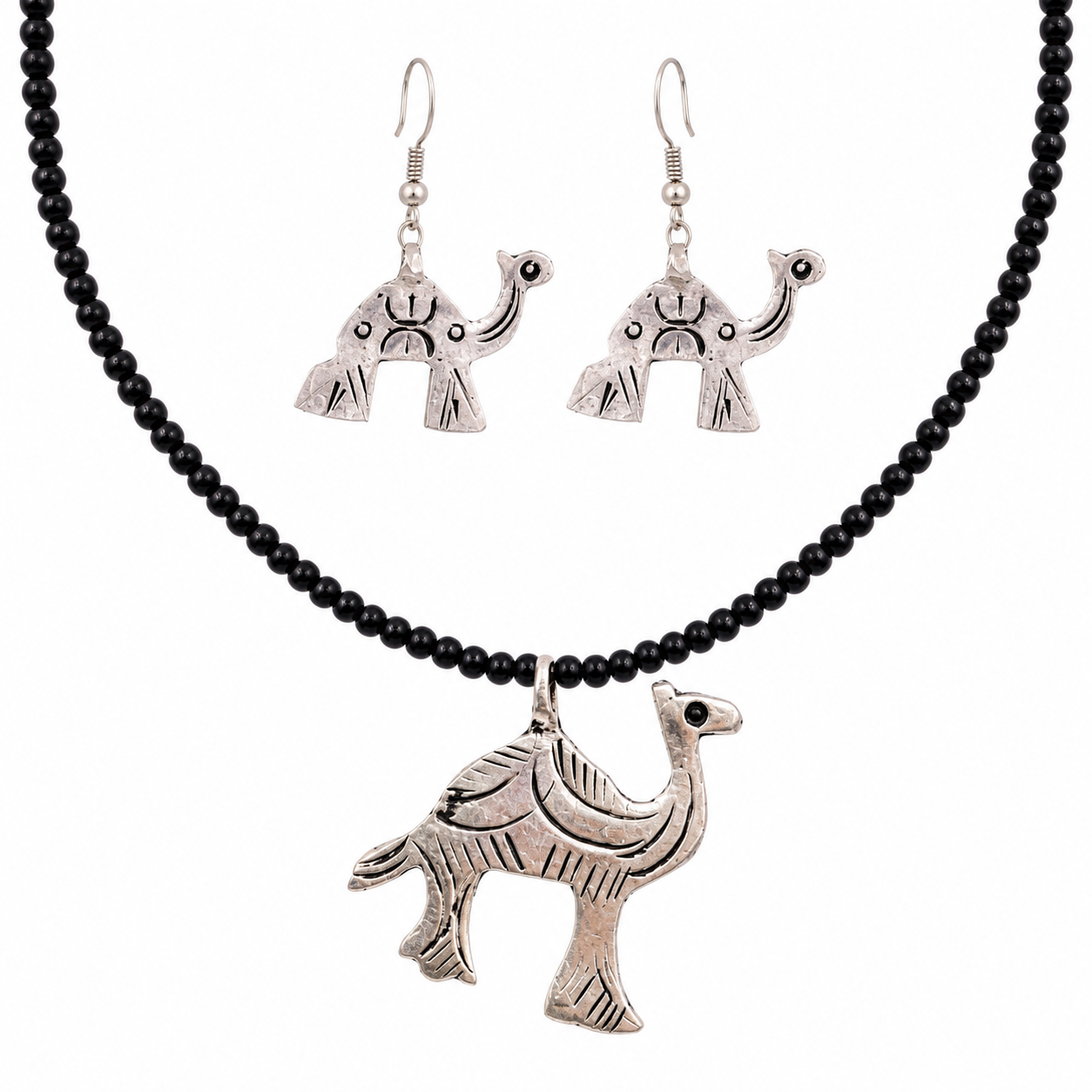
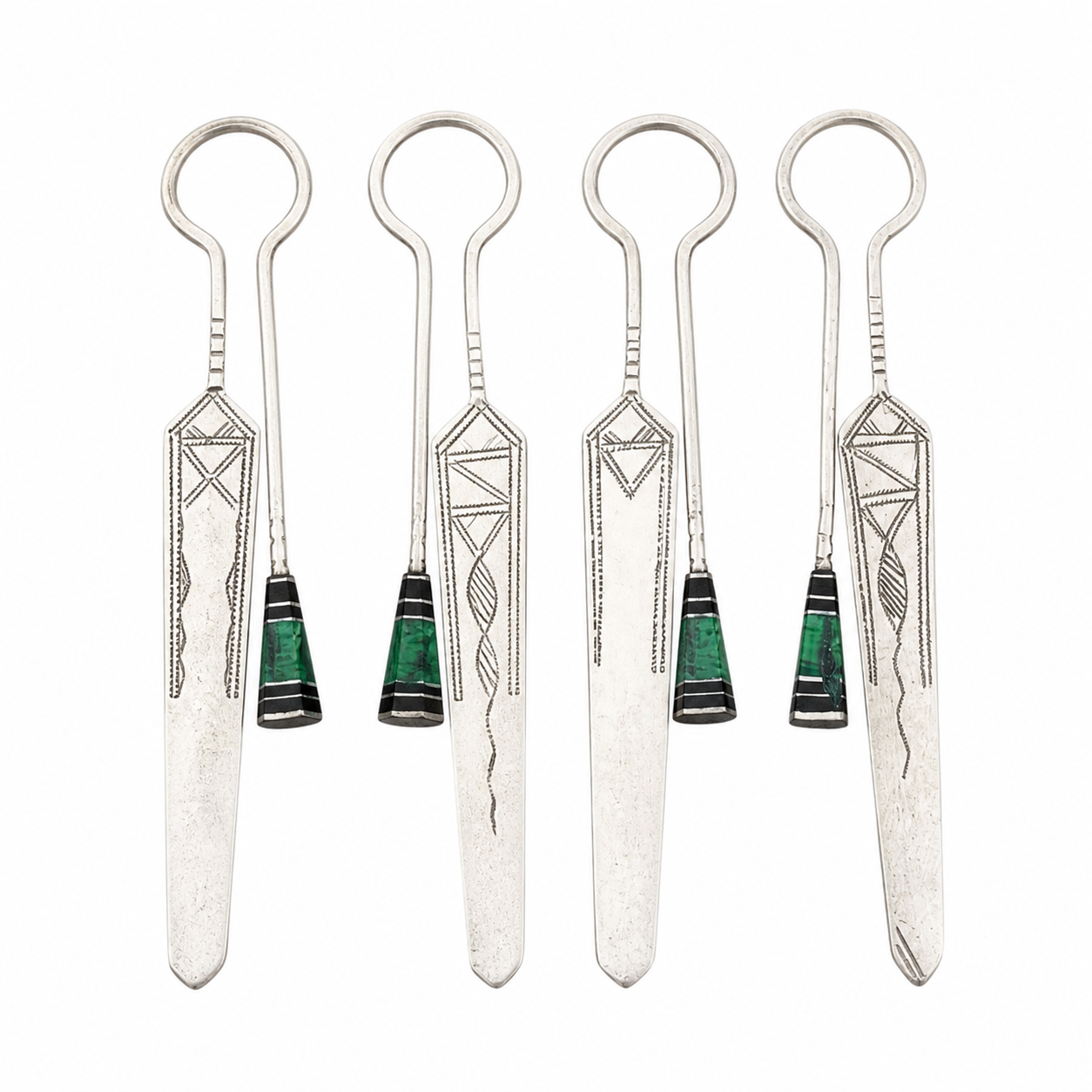
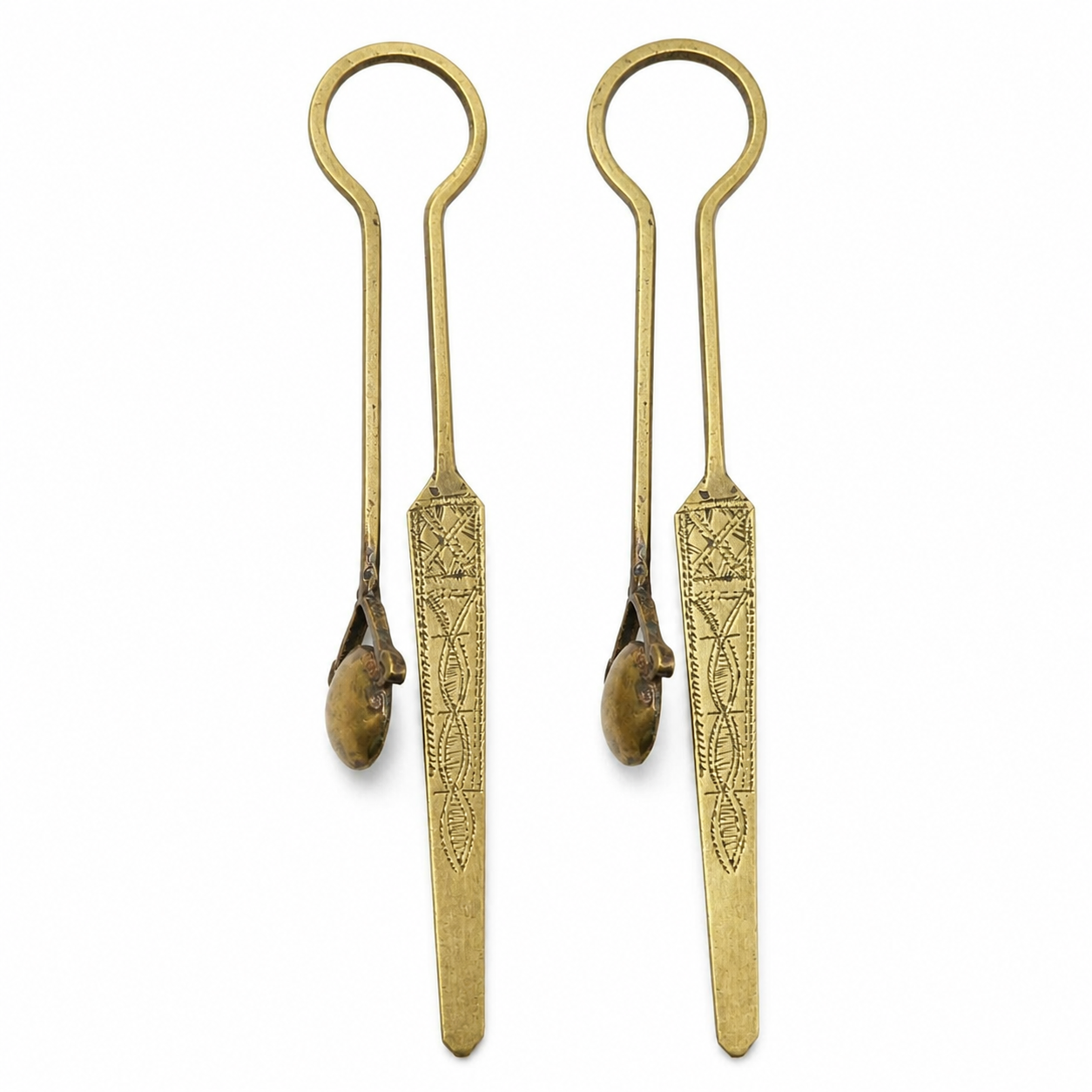
Amazigh artisans often combine symbols with geometric patterns inherited from regional artistic traditions. Jewelry featuring Yaz may be worn as an expression of cultural connection and personal identity.
Modern artists also use the symbol in contemporary designs, showing how Amazigh heritage continues to evolve rather than remaining limited to historical objects.
The Symbolic Meaning of Freedom and Belonging
Yaz is frequently described as the symbol of the “free person.” While the exact historical origin of this interpretation is debated, the meaning has become deeply established in modern Amazigh culture.
The symbol reflects values that many communities associate with Amazigh identity: resilience, attachment to ancestral lands, preservation of language, and respect for cultural memory.
Its strength comes from the combination of an ancient writing tradition and a modern interpretation created by communities seeking to express their heritage.
Yaz Across the Amazigh World
The use of Yaz extends across many regions where Amazigh languages and cultures exist, from Morocco and Algeria to parts of Libya, Tunisia, and Saharan areas.
Although communities differ in dialects, customs, and local traditions, symbols like Yaz provide a shared visual language. They help connect people who may live far apart while recognizing common historical roots.
Today, Yaz can be seen as an example of how cultural symbols transform over time. A simple letter has become a sign carrying memories, identity, and aspirations for future generations.
The Historical Journey of Amazigh Symbols
Symbols have always played an important role in Amazigh cultural expression. Before modern forms of communication became widespread, visual signs appeared in pottery, textiles, jewelry, rock engravings, and architectural decoration. These designs helped communities preserve artistic traditions and communicate ideas connected with identity, nature, protection, and social belonging.
Yaz is part of this broader tradition of meaningful symbols. While its current interpretation developed in modern times, its popularity reflects a long-standing Amazigh relationship with visual language. Geometric forms have remained important because they can carry cultural messages across generations.
From Ancient Signs to Contemporary Identity
The revival of Amazigh symbols is connected with renewed interest in language, history, and cultural heritage. During the twentieth century, researchers, artists, and cultural associations worked to document Amazigh traditions and promote awareness of their historical importance.
This process transformed many traditional elements into modern cultural expressions. Yaz became especially prominent because it combines linguistic significance with a simple shape that can be easily recognized and reproduced.
Yaz and the Relationship Between Language and Place
Amazigh identity has always been closely connected with landscapes. Mountain valleys, agricultural areas, deserts, and coastal regions all influenced local traditions and ways of life. Symbols such as Yaz are often understood within this wider relationship between people, language, and territory.
The presence of Yaz in villages, cultural spaces, and artistic works reflects a desire to maintain a visible connection with heritage. It serves as a reminder that language is not only spoken but also represented through signs, designs, and shared cultural references.
Symbols as a Link Between Generations
For younger generations, Yaz provides a connection between ancestral heritage and contemporary life. It can appear in digital designs, fashion, educational materials, and cultural events, allowing traditional identity to remain present in modern environments.
This ability to adapt is one reason cultural symbols remain meaningful. They do not stay frozen in the past; instead, communities reinterpret them according to their own experiences and changing circumstances.
The Importance of Understanding Amazigh Symbols Respectfully
As Amazigh symbols become more visible internationally, understanding their background helps avoid reducing them to simple decoration. A symbol such as Yaz carries connections to language, history, and community memory.
Visitors and designers who use Amazigh-inspired elements can show respect by learning about their origins and recognizing the communities that continue to maintain these traditions.
- Learn the meaning: Understanding the cultural context adds depth to the symbol.
- Recognize diversity: Amazigh communities have different regional traditions and artistic styles.
- Support artisans: Purchasing handmade cultural products helps preserve traditional skills.
Yaz in Modern Cultural Expression
Today, Yaz appears in many creative fields, including graphic design, architecture, clothing, jewelry, and public art. Contemporary creators often combine the symbol with traditional patterns while developing new interpretations suitable for modern audiences.
This combination of old and new demonstrates the continuing vitality of Amazigh culture. Heritage is preserved not only through protecting historical objects but also through allowing communities to create new forms of expression.
The story of Yaz shows how a single character from an alphabet can develop into a symbol recognized far beyond its original linguistic function. It represents the relationship between writing, memory, identity, and the continuing evolution of Amazigh culture.
Conclusion
Yaz ⵣ represents the meeting point between language, history, and cultural expression. Originally a Tifinagh letter, it has grown into a powerful Amazigh symbol associated with identity, dignity, and belonging. Its continued presence in art, public life, and personal expression shows how ancient heritage can remain meaningful in the modern world.

 No products in the cart.
Comments (6)