


Tuareg culture represents a rich and diverse heritage connected with language, poetry, craftsmanship, music, and social traditions across parts of the Sahara and Sahel. Tuareg communities are often discussed as part of the wider Amazigh linguistic and cultural world, while also maintaining distinct identities, histories, and local traditions.
Understanding Tuareg Identity and Heritage
The Tuareg are an Amazigh-speaking people whose communities are found across several countries, including Algeria, Libya, Mali, Niger, and Burkina Faso. Their histories have developed across different environments, including desert and semi-desert regions.
Although Tuareg culture is strongly associated with the Sahara, it is important to avoid presenting all Tuareg people as nomadic. Many Tuareg communities have experienced social, economic, and environmental changes, and contemporary life includes diverse forms of work, education, settlement, and cultural expression.
Tuareg Languages and the Wider Amazigh World
Tuareg languages belong to the Amazigh language family. They include varieties often grouped under the name Tamasheq, although local names and classifications can differ between communities.
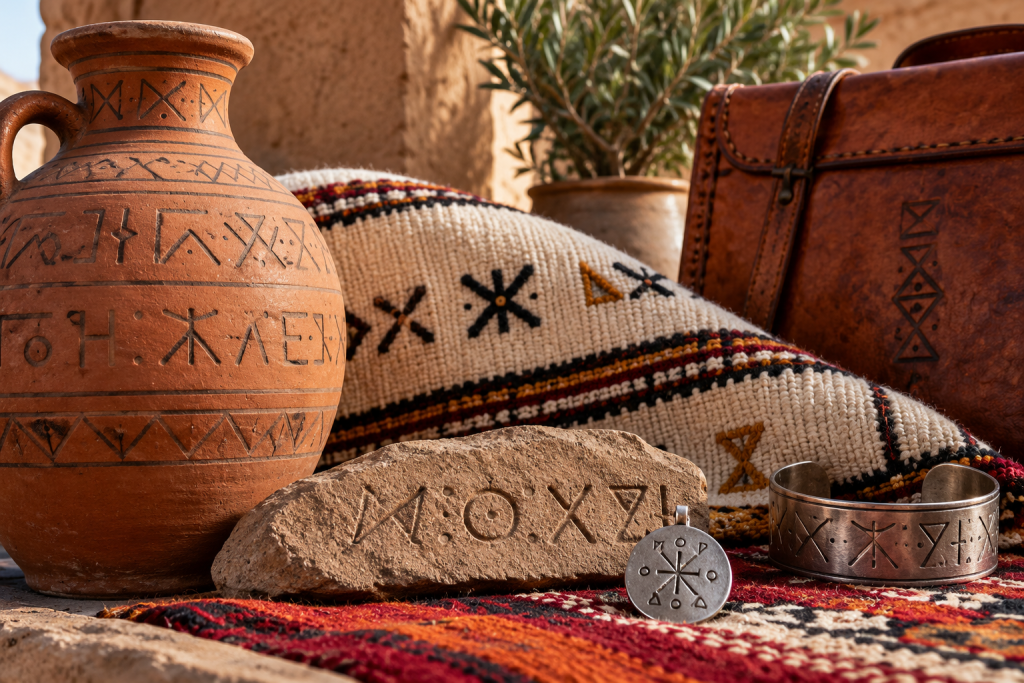
One important connection between Tuareg and other Amazigh communities is the use of the Tifinagh writing tradition. Tuareg communities have preserved forms of Tifinagh that continue to appear in cultural, educational, and artistic contexts.
Language as Cultural Memory
Language carries more than communication. It preserves poetry, oral history, place names, traditional knowledge, and relationships between generations.
Like many minority languages, Tuareg languages face challenges related to education, migration, and changing social conditions. Cultural organizations and speakers continue efforts to maintain and transmit linguistic knowledge.
Tuareg Jewelry and Silver Craftsmanship
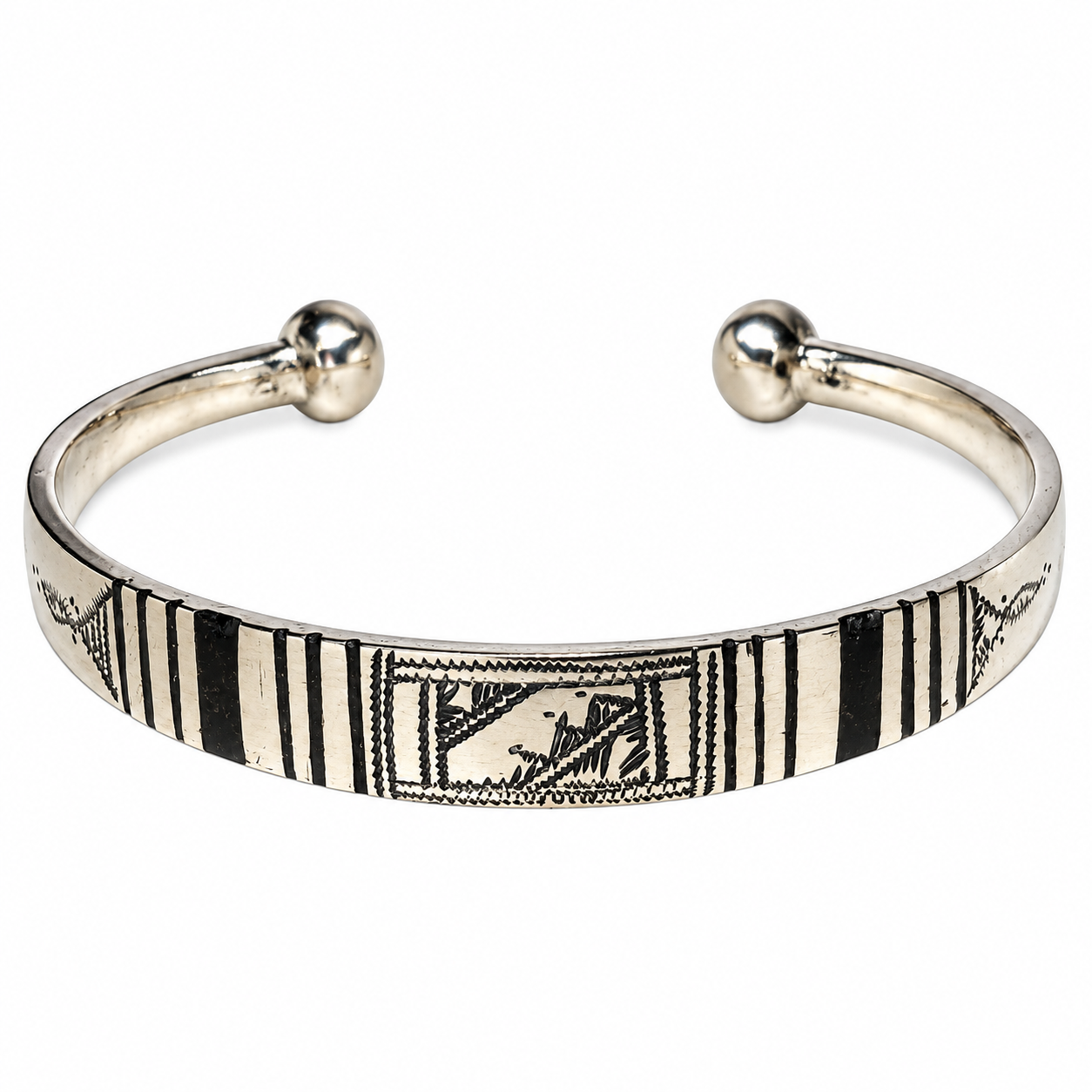
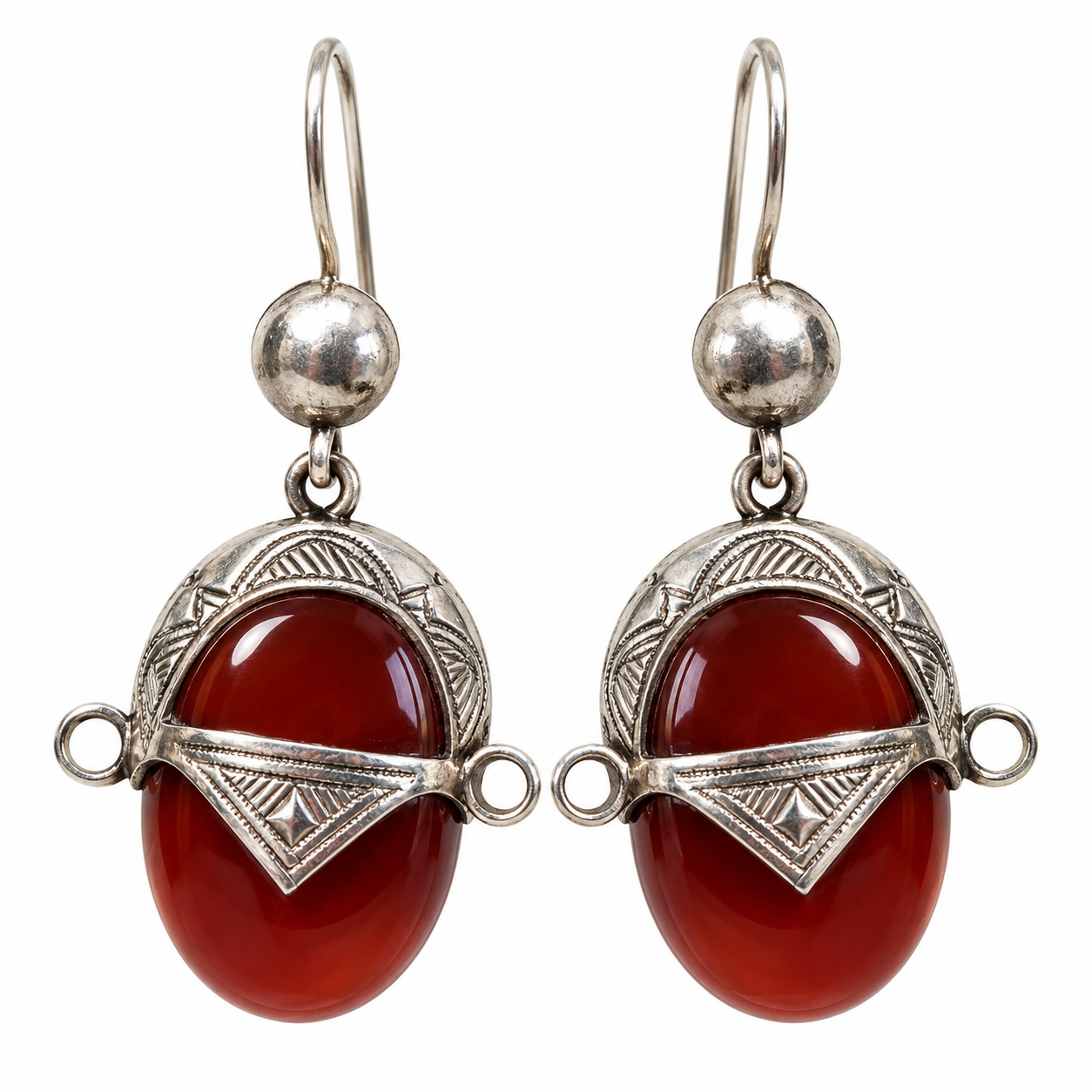
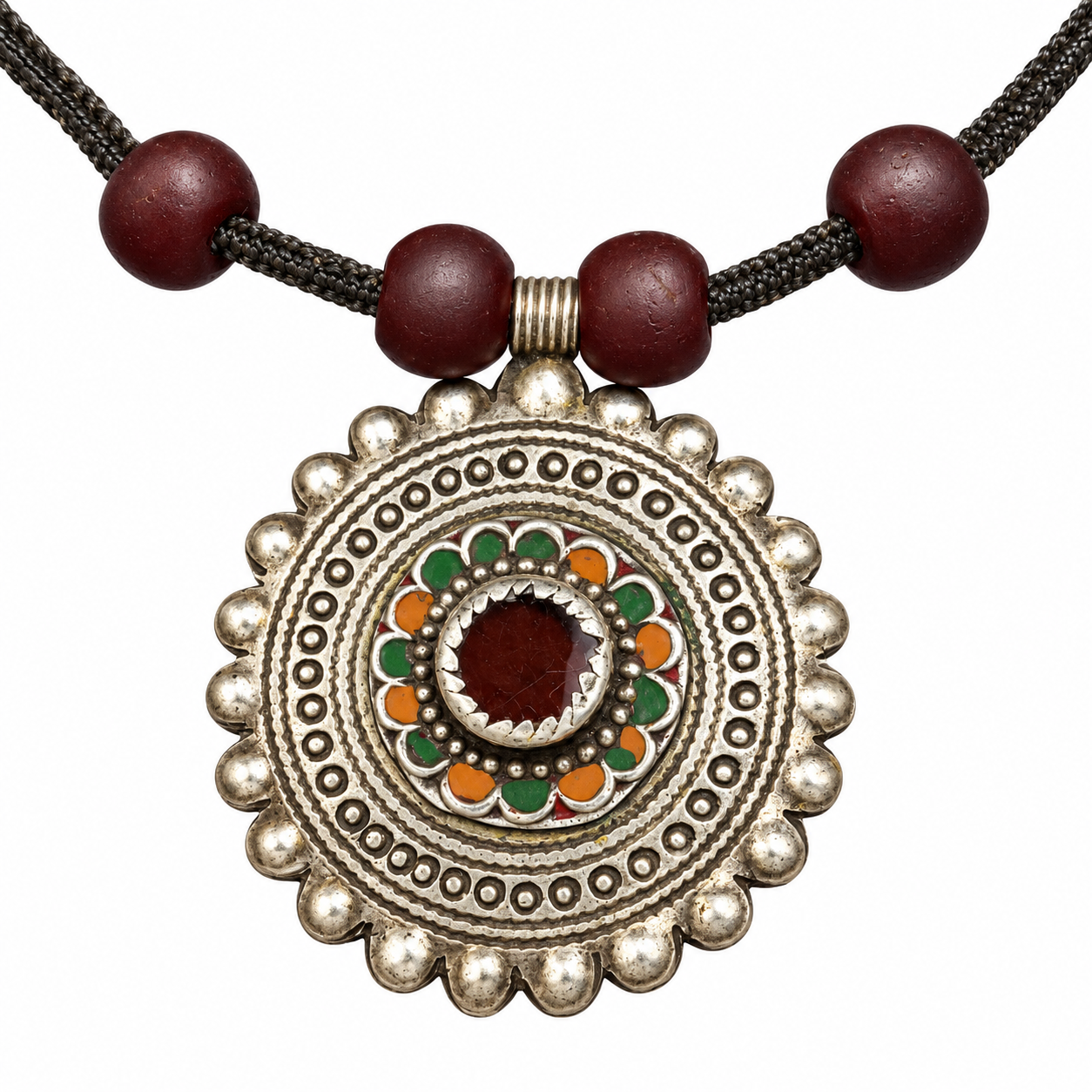
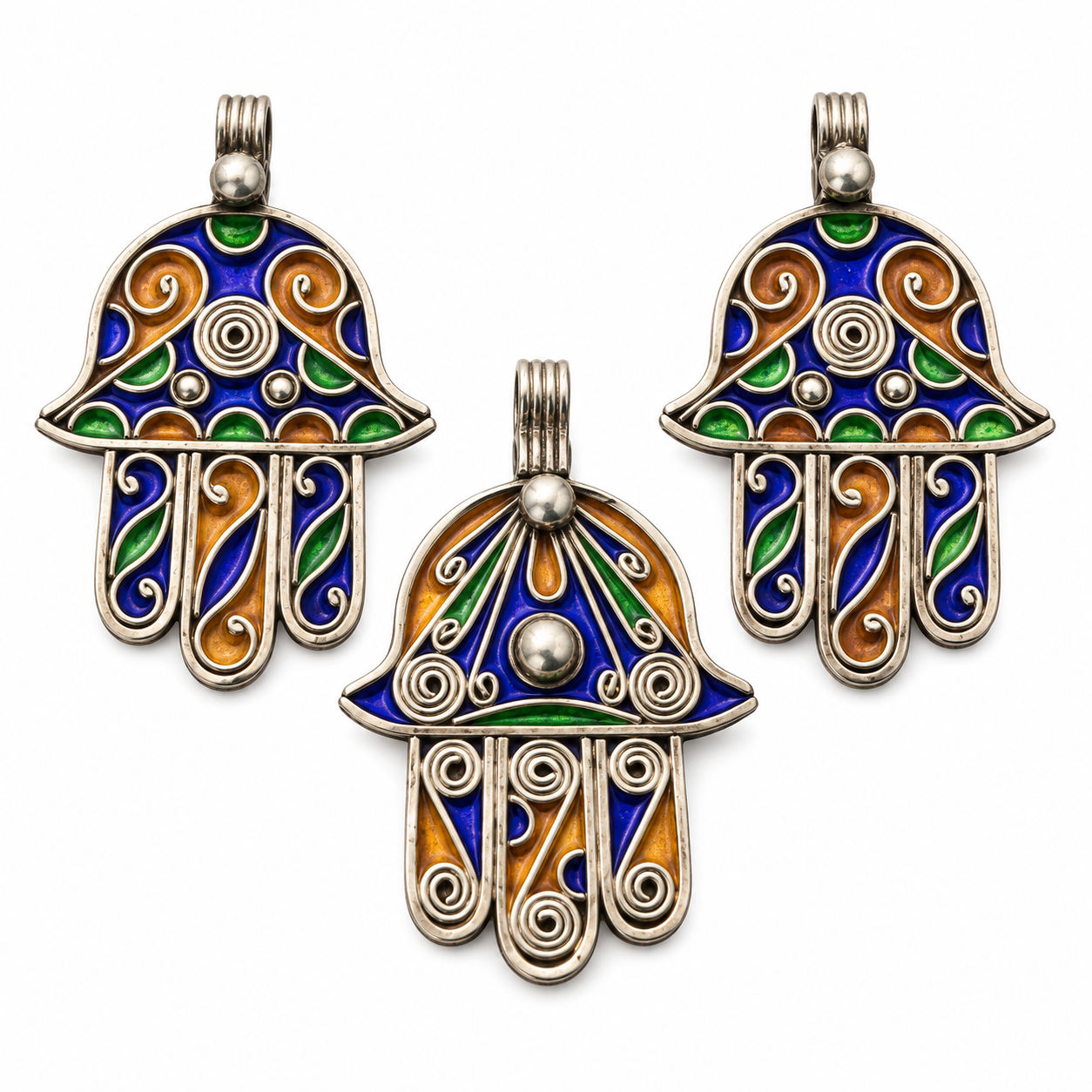
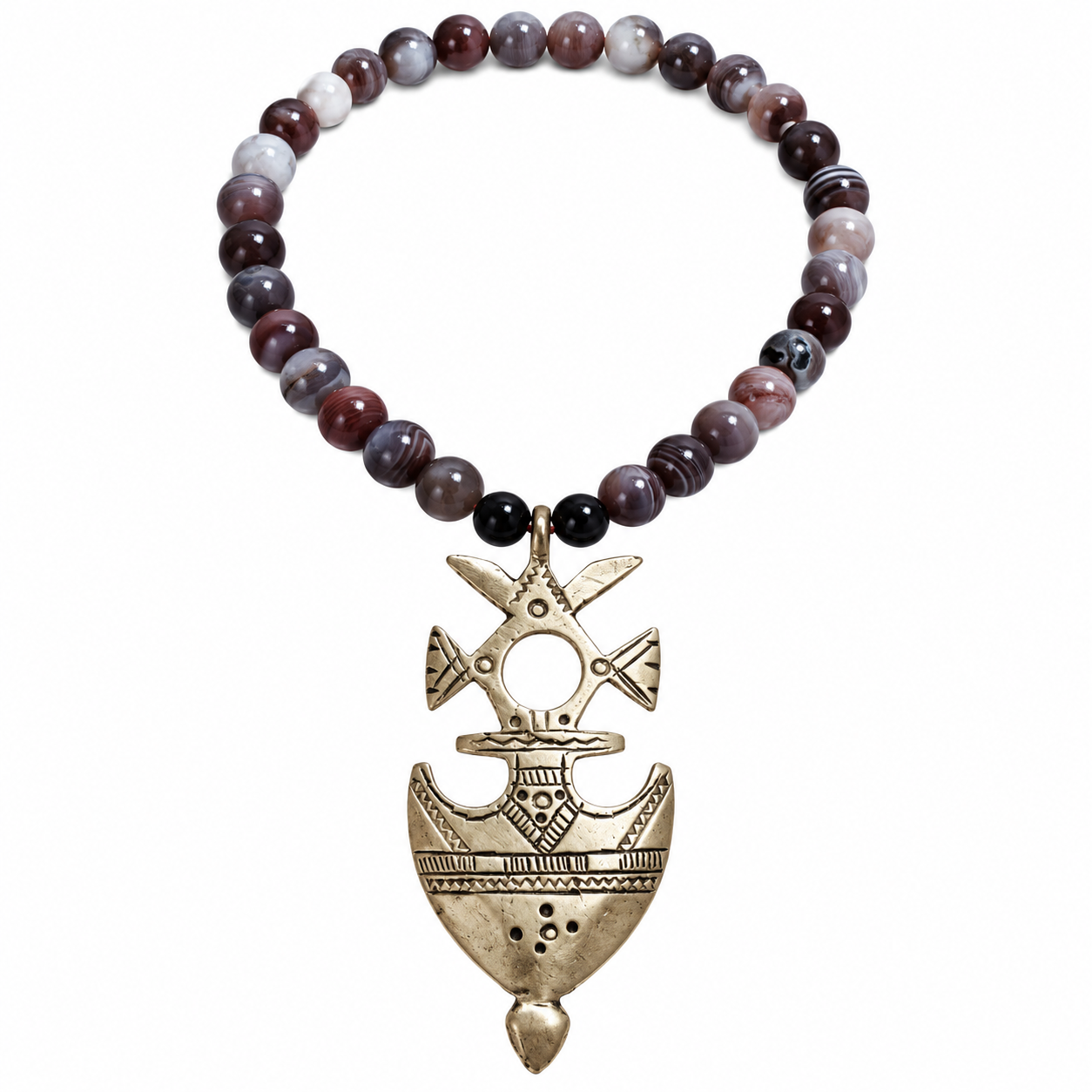
Tuareg jewelry is among the most recognizable forms of Saharan craftsmanship. Silver objects, pendants, rings, crosses, and decorative pieces reflect skills developed by artisans over generations.
Jewelry has served different purposes, including personal adornment, social expression, and the preservation of craft traditions. Individual objects should be understood within their specific historical and regional context rather than through simplified commercial descriptions.
Understanding Tuareg Jewelry Beyond Tourist Symbols
International markets sometimes attach broad symbolic meanings to Tuareg jewelry designs. While some objects have documented cultural histories, meanings can vary depending on region, maker, period, and use.
A responsible description focuses on verified information about materials, craftsmanship, origin, and documented traditions rather than assuming every shape has one universal interpretation.

Materials and Techniques in Tuareg Metalwork
Traditional Tuareg metalwork may involve silver, engraving, shaping, and decorative techniques. Artisans developed distinctive approaches influenced by local resources, trade connections, and community practices.
| Element | Description | Important Consideration |
|---|---|---|
| Silverwork | Used in many traditional jewelry forms. | Material should be verified through reliable information. |
| Engraving | Decorative technique applied to metal surfaces. | Patterns vary by artisan and region. |
| Pendants and ornaments | Objects combining craft and personal expression. | Meanings depend on context. |
Tuareg Poetry and Oral Traditions
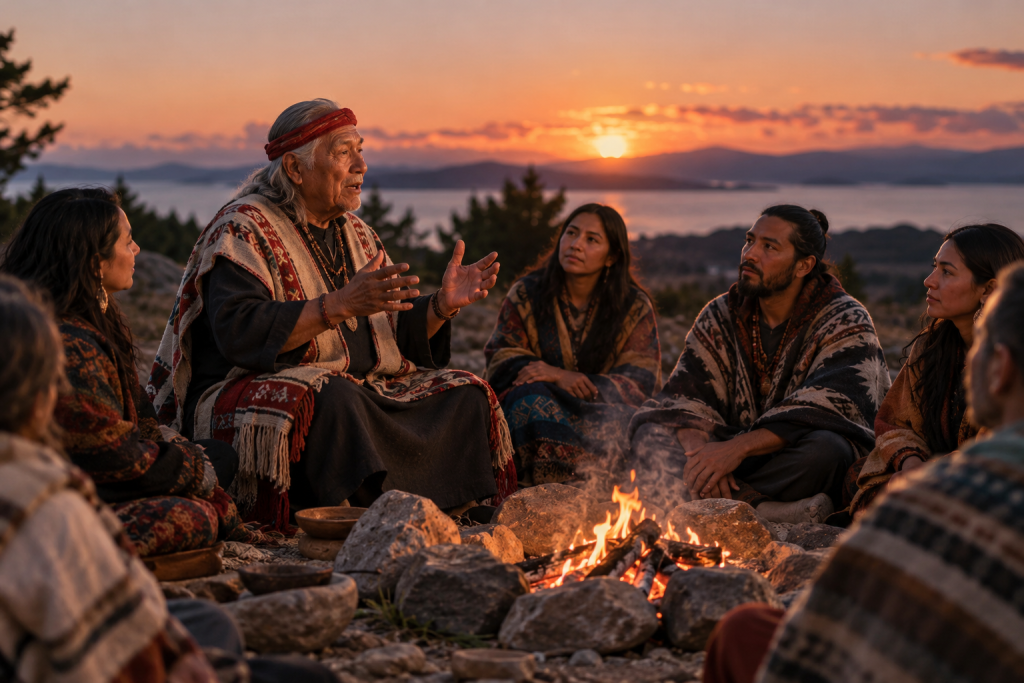
Poetry has an important place in many Tuareg communities. Oral traditions preserve history, personal expression, social knowledge, and reflections on life.
Poetic forms can address themes such as relationships, landscapes, identity, memory, and human experiences. Oral performance allows traditions to remain active rather than becoming only historical records.
The Role of Storytelling
Storytelling and oral expression have helped transmit cultural knowledge across generations. Elders, poets, musicians, and community members contribute to preserving language and collective memory.
These traditions demonstrate that cultural heritage exists through people who continue practicing and sharing it.
Tuareg Music and the Imzad Tradition
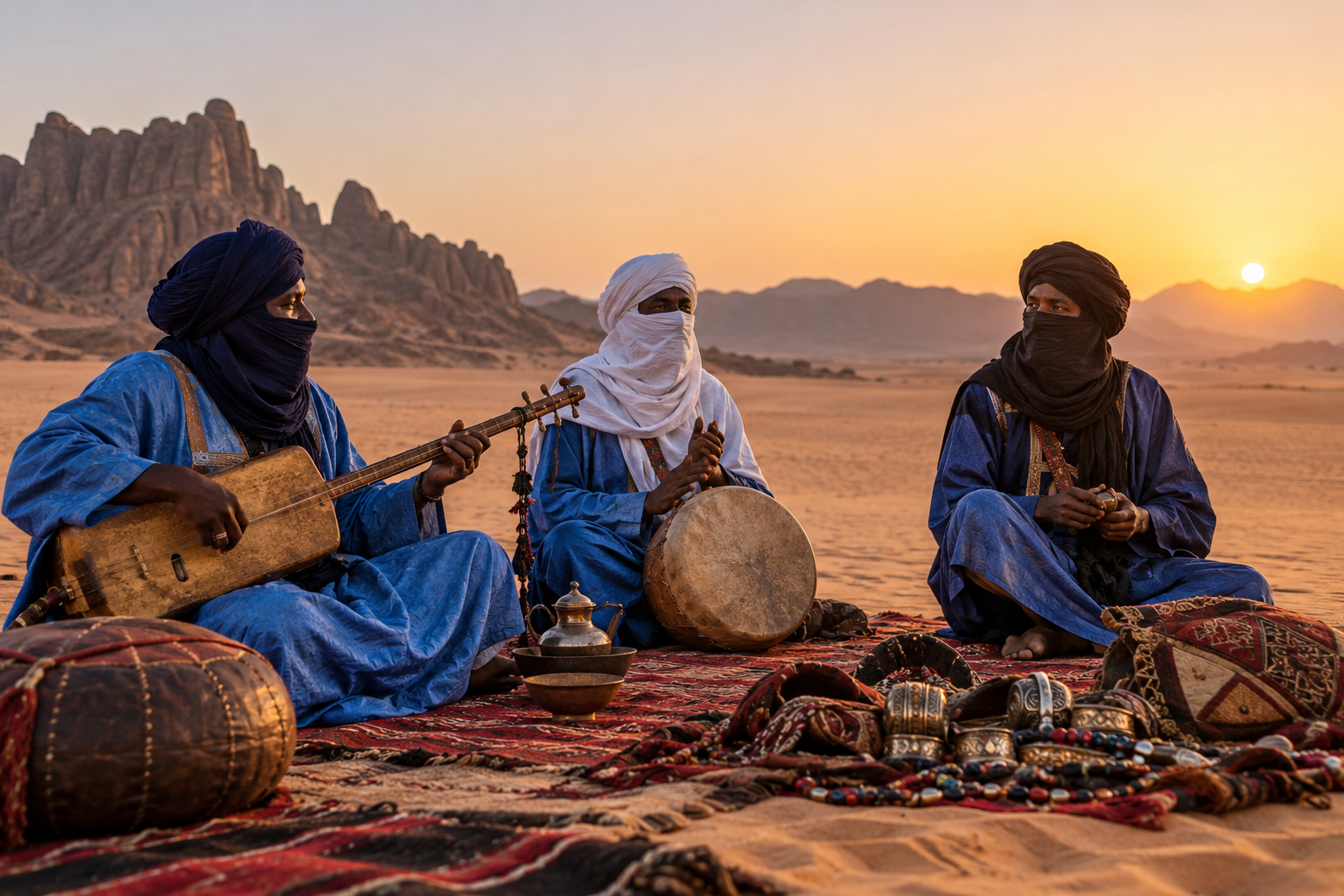
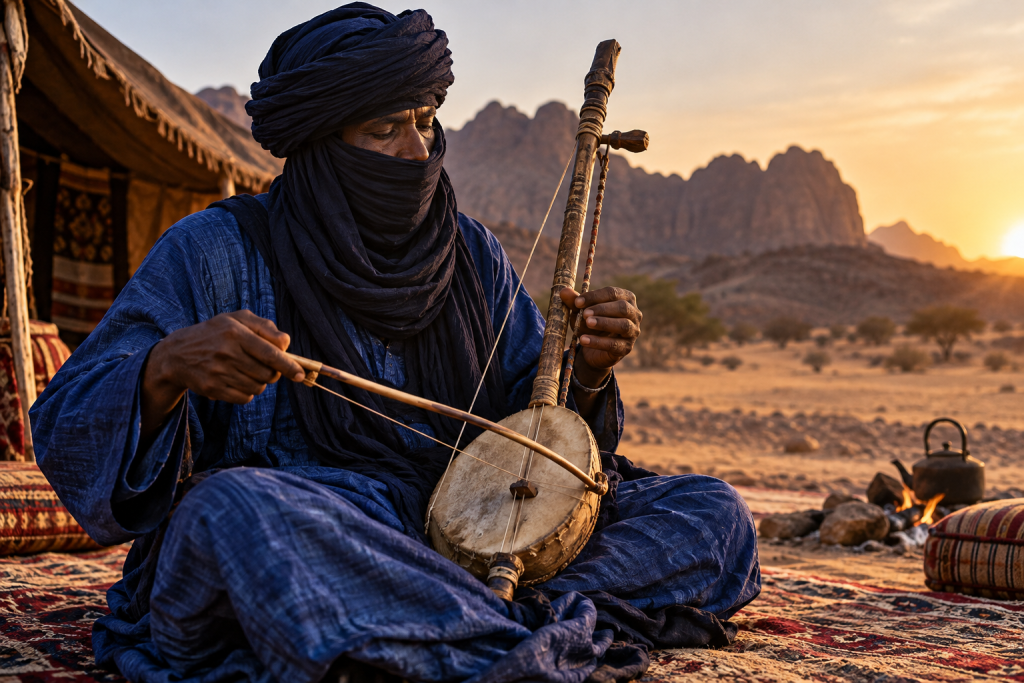
Music is a central element of Tuareg cultural expression. Among the most documented musical traditions is the imzad, a traditional one-string bowed instrument associated especially with Tuareg communities.
UNESCO has recognized the imzad tradition as intangible cultural heritage, highlighting the instrument, its music, and the knowledge connected with its practice.
Women and Musical Knowledge
Women have played important roles in preserving and transmitting knowledge connected with the imzad. In documented traditions, women musicians have contributed to teaching performance practices and maintaining musical heritage.
The role of women in imzad traditions demonstrates that music is not only entertainment but also a way of preserving social memory and cultural identity.
Beyond the Image of the “Blue People”
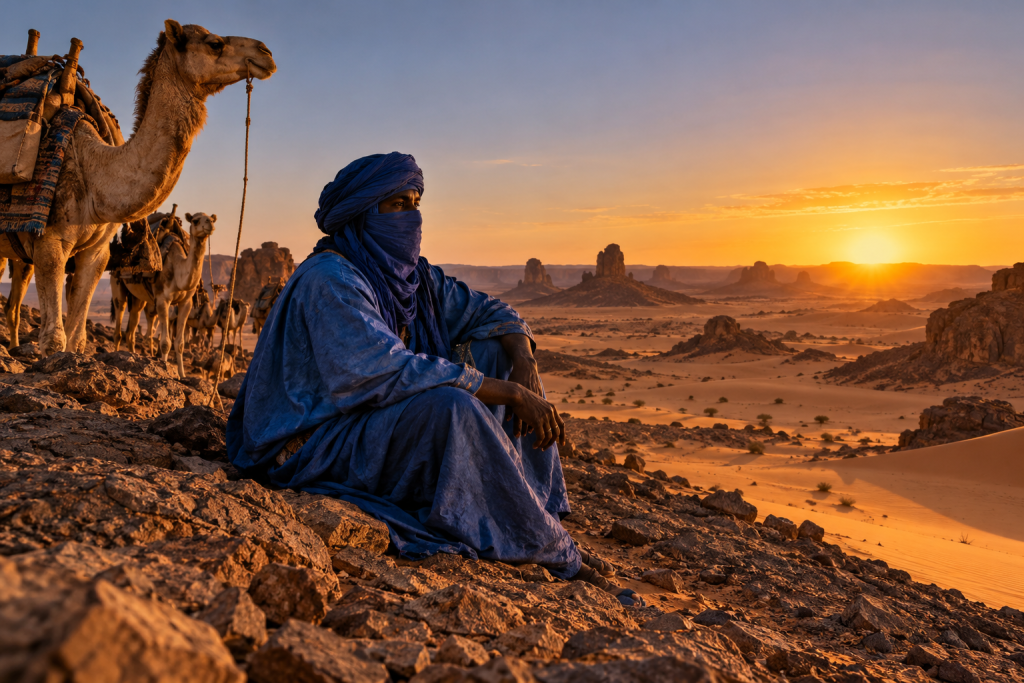
Tuareg communities are sometimes represented through the popular expression “blue people,” referring to indigo-dyed clothing associated with some Tuareg traditions.
However, this image represents only one aspect of a much broader culture. Tuareg identities include languages, family structures, artistic traditions, modern professions, and diverse experiences.
Reducing Tuareg culture to clothing or desert imagery overlooks the complexity of contemporary communities.
Tuareg Communities in Contemporary Life
Today, Tuareg people participate in many areas of social and economic life. Communities include musicians, artists, educators, researchers, entrepreneurs, craftspeople, and many other professionals.
Contemporary Tuareg artists often combine traditional influences with modern forms of expression, including new musical styles, visual arts, and cultural projects.
Regional Diversity Across Tuareg Communities
- Niger: communities with strong traditions of language, music, and craftsmanship.
- Mali: home to important Tuareg cultural centers and artistic traditions.
- Algeria and Libya: regions where Tuareg communities maintain linguistic and cultural connections.
- Burkina Faso: part of the broader Sahelian area where Tuareg communities live.
How to Appreciate Tuareg Heritage Respectfully
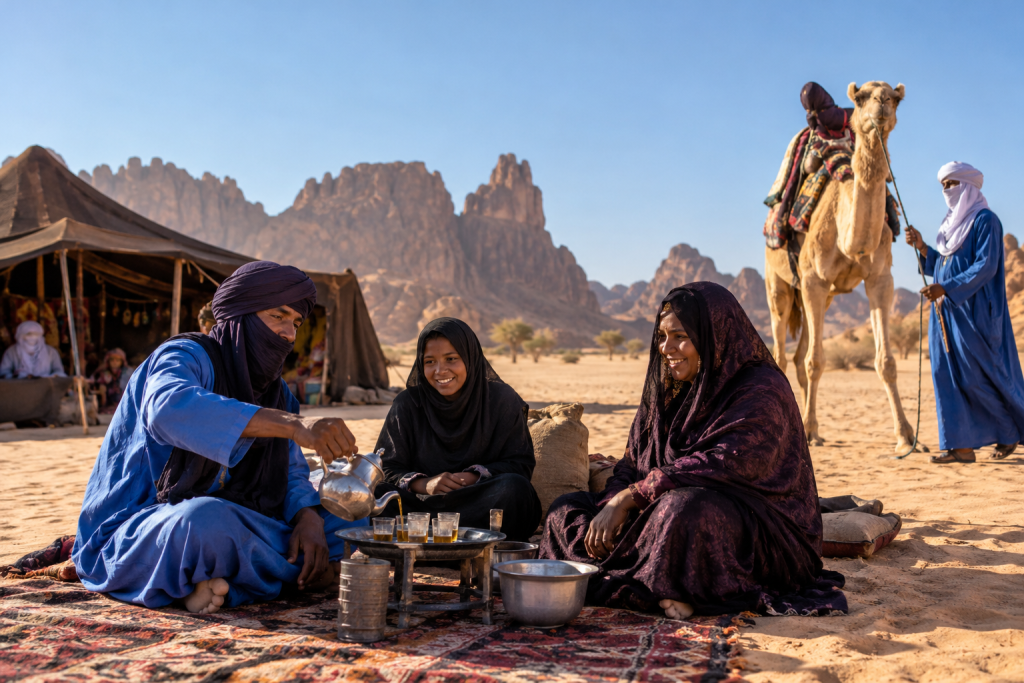
Learning about Tuareg culture requires attention to diversity and historical context. A respectful approach recognizes both shared Amazigh connections and distinct Tuareg identities.
- Learn from community voices and documented research.
- Understand regional differences.
- Appreciate crafts as cultural practices, not only decorations.
- Avoid stereotypes based on desert imagery alone.
The Living Heritage of Tuareg Culture
Tuareg culture continues to evolve through language, art, music, poetry, and craftsmanship. Its traditions demonstrate how heritage can remain meaningful while adapting to changing circumstances.
Social Organization and Community Knowledge
Tuareg societies have developed social structures shaped by history, environment, and relationships between families and communities. These structures have influenced systems of knowledge transmission, craftsmanship, and cultural responsibilities.
Traditional knowledge is often shared through family relationships and community participation. Skills related to language, music, poetry, and craft production are learned through practice rather than only through formal instruction.
Craftsmanship as a Living Practice
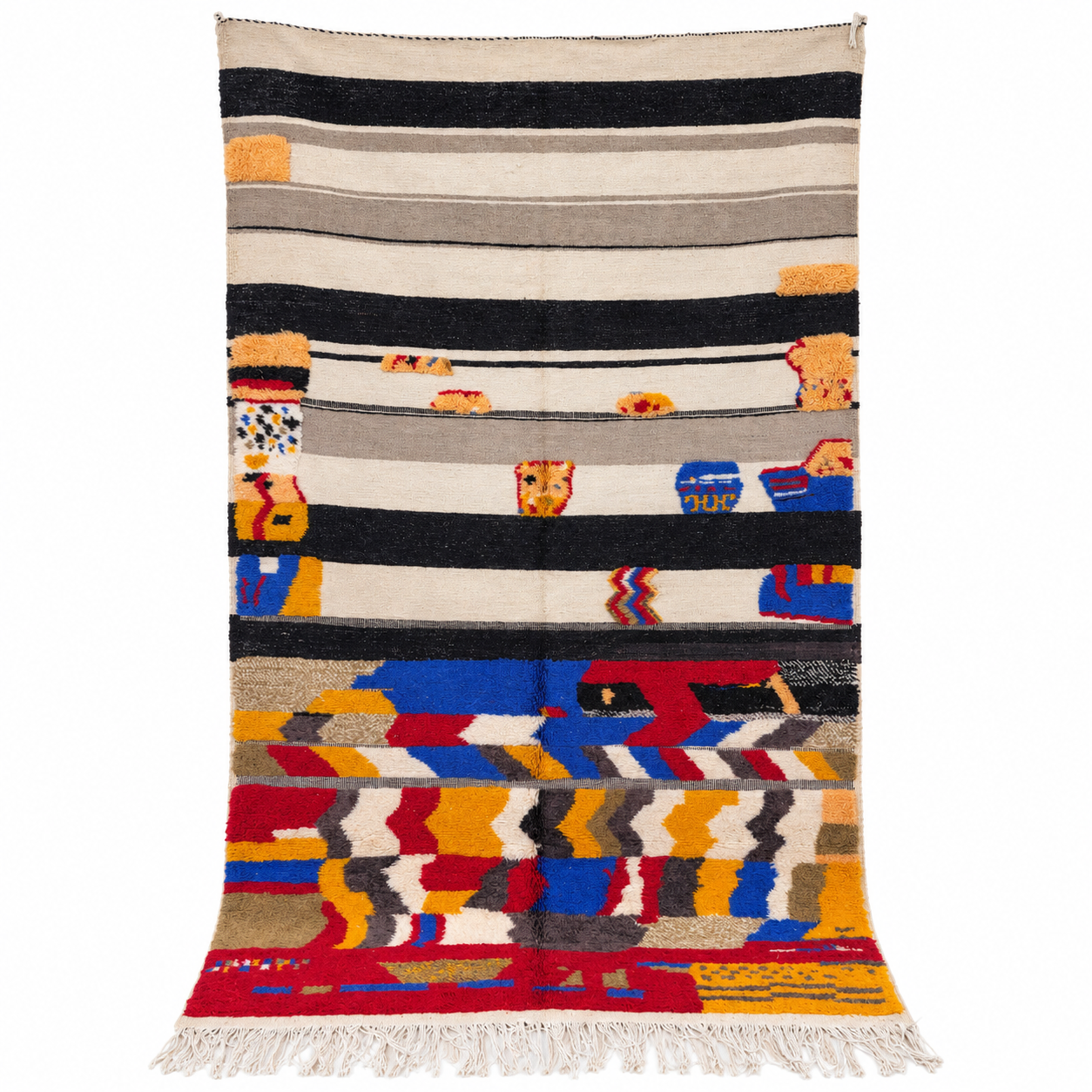
Tuareg crafts are not simply historical objects preserved in museums. Many artisans continue producing jewelry, leatherwork, textiles, and other handmade objects today.
Contemporary makers may preserve traditional techniques while also responding to modern audiences and markets. This demonstrates that heritage can continue developing while maintaining connections with earlier generations.
Tuareg Clothing and Cultural Expression
Clothing is an important part of Tuareg cultural expression, but it should be understood within broader social and regional contexts. Garments, fabrics, and styles can reflect practical needs, personal identity, and local traditions.
Indigo-dyed textiles are among the most internationally recognized elements associated with Tuareg appearance. However, clothing traditions vary between communities, and not every Tuareg person wears traditional garments in everyday life.
- Practical function: clothing can provide protection in desert and semi-desert environments.
- Cultural expression: garments can communicate identity and belonging.
- Regional variation: styles differ according to location and community.
The Relationship Between Landscape and Culture
The Sahara and Sahel environments have influenced many aspects of Tuareg life, including mobility, trade, artistic expression, and social relationships.
However, the relationship between Tuareg communities and the desert is not only a story of adaptation to geography. It is also a story of knowledge, creativity, and changing experiences in modern societies.
Trade, Movement, and Cultural Exchange
Historical connections across Saharan regions contributed to exchanges of goods, ideas, languages, and artistic influences. These interactions helped shape the diversity found within Tuareg traditions.
Studying these connections helps explain why Tuareg culture includes both distinctive local characteristics and relationships with wider North African and Sahelian histories.
Preserving Tuareg Heritage in the Modern Era
Preserving cultural heritage involves more than protecting objects. It includes supporting languages, encouraging artistic expression, and ensuring that communities remain active participants in representing their own traditions.
Digital platforms, cultural organizations, educational projects, and contemporary artists have created new ways to share Tuareg knowledge with wider audiences.
- Language projects support the continuation of oral and written traditions.
- Musical performances introduce traditional sounds to new listeners.
- Artisans continue adapting craft practices for contemporary contexts.
- Researchers and communities document cultural knowledge.
Exploring Tuareg Culture Through Community Perspectives
The most accurate understanding of Tuareg culture comes from recognizing the voices and experiences of Tuareg people themselves. Academic research, museum collections, and cultural documentation provide useful information, but living communities remain central to interpreting their own heritage.
Approaching Tuareg traditions with curiosity and respect allows their complexity to remain visible. Language, jewelry, poetry, and music are not isolated elements; they are connected parts of a living cultural world.
Conclusion: A Culture of Language, Art, and Memory
Tuareg heritage reflects a complex relationship between people, landscapes, and cultural expression. Through languages, jewelry, poetry, and music, Tuareg communities continue preserving and transforming their traditions for future generations.
 No products in the cart.
Comments (15)