
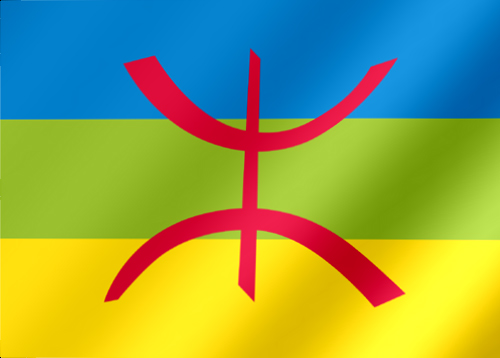
The Amazigh people are one of the foundational communities of North Africa, with a cultural heritage shaped by thousands of years of history, adaptation, and exchange. In Morocco, Amazigh identity remains visible through language, architecture, crafts, music, cuisine, and traditions that continue to influence the country’s cultural landscape.
Who Are the Amazigh People of Morocco?
The Amazigh, also known as Imazighen in plural, are Indigenous communities of North Africa. In Morocco, Amazigh populations live across regions such as the Rif Mountains, Middle Atlas, High Atlas, Anti-Atlas, and Souss areas.
Amazigh identity is diverse rather than uniform. Different communities have developed their own languages, artistic styles, social customs, and relationships with their environments. Groups such as the Rifains, Chleuh, and Central Atlas Amazigh share broad cultural connections while maintaining regional traditions.
Ancient Roots and Historical Influence

The history of Amazigh communities is closely connected to the wider history of the Maghreb. Ancient sources describe North African populations that interacted with Egyptian, Phoenician, Roman, Byzantine, Arab, and European civilizations.
Throughout history, Amazigh communities experienced periods of independence, cultural exchange, and political influence. Several Amazigh dynasties, including the Almoravids and Almohads, established powerful states that shaped Morocco and parts of the Iberian Peninsula.
The survival of Amazigh traditions through many historical changes demonstrates the strength of cultural transmission through families, communities, and oral traditions.
Tamazight Language and Tifinagh Script

Language is one of the most important elements of Amazigh heritage. Tamazight refers to related Amazigh languages spoken in different regions of Morocco and North Africa.
Morocco has several major Amazigh language varieties, including Tarifit in the north, Central Atlas Tamazight in the Middle Atlas, and Tashelhit in southern Morocco. These languages have preserved stories, poetry, knowledge, and community memory across generations.
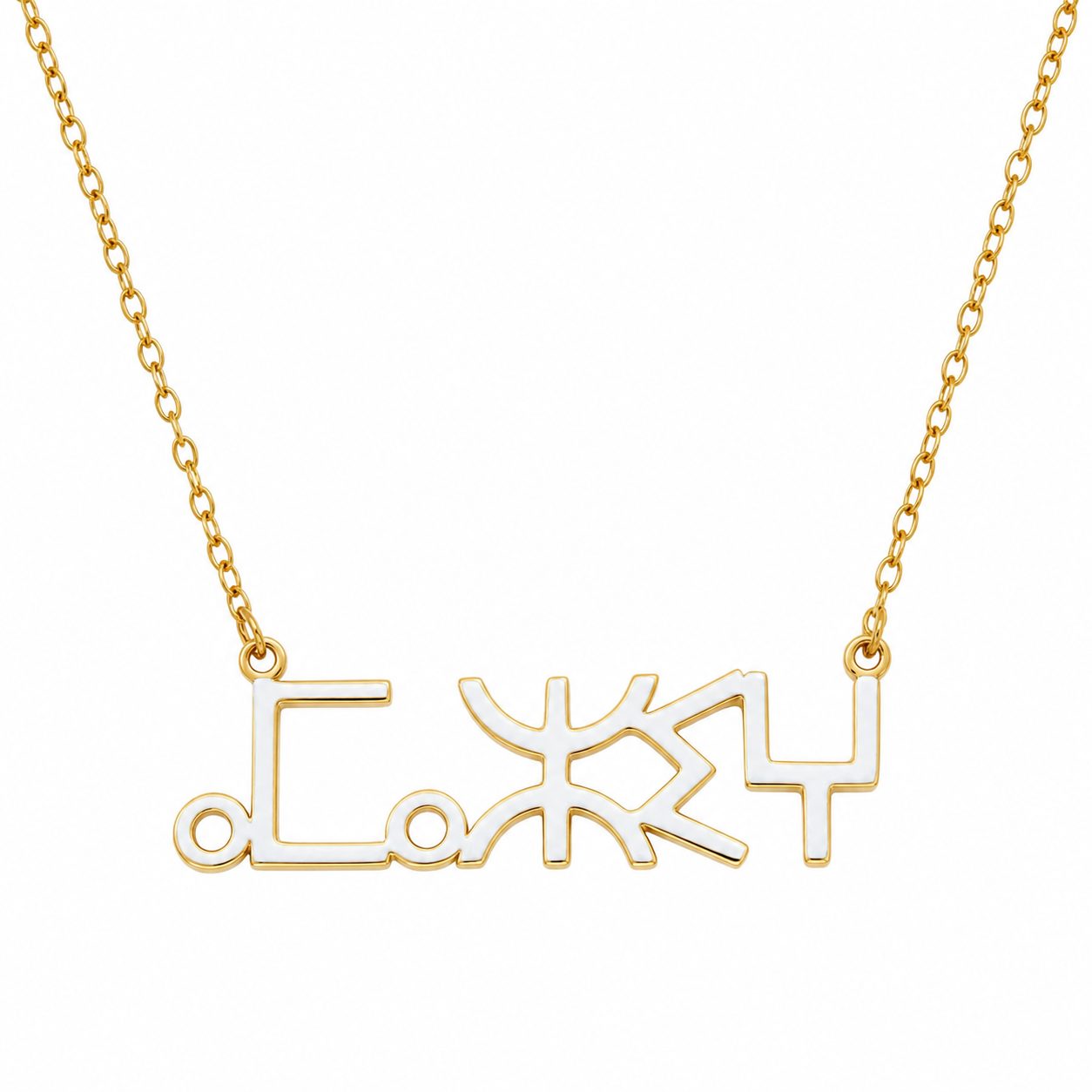
The Tifinagh writing system is an important symbol of Amazigh identity. Modern use of Tifinagh supports cultural education and the visibility of Amazigh language in public spaces.
Morocco recognized Amazigh as an official language in 2011, strengthening its place within national institutions and cultural life.
Amazigh Villages, Crafts, and Artistic Traditions

Amazigh villages reflect a close relationship between people and landscape. Traditional homes built from local materials, agricultural terraces, and mountain settlements demonstrate adaptation to different environments.
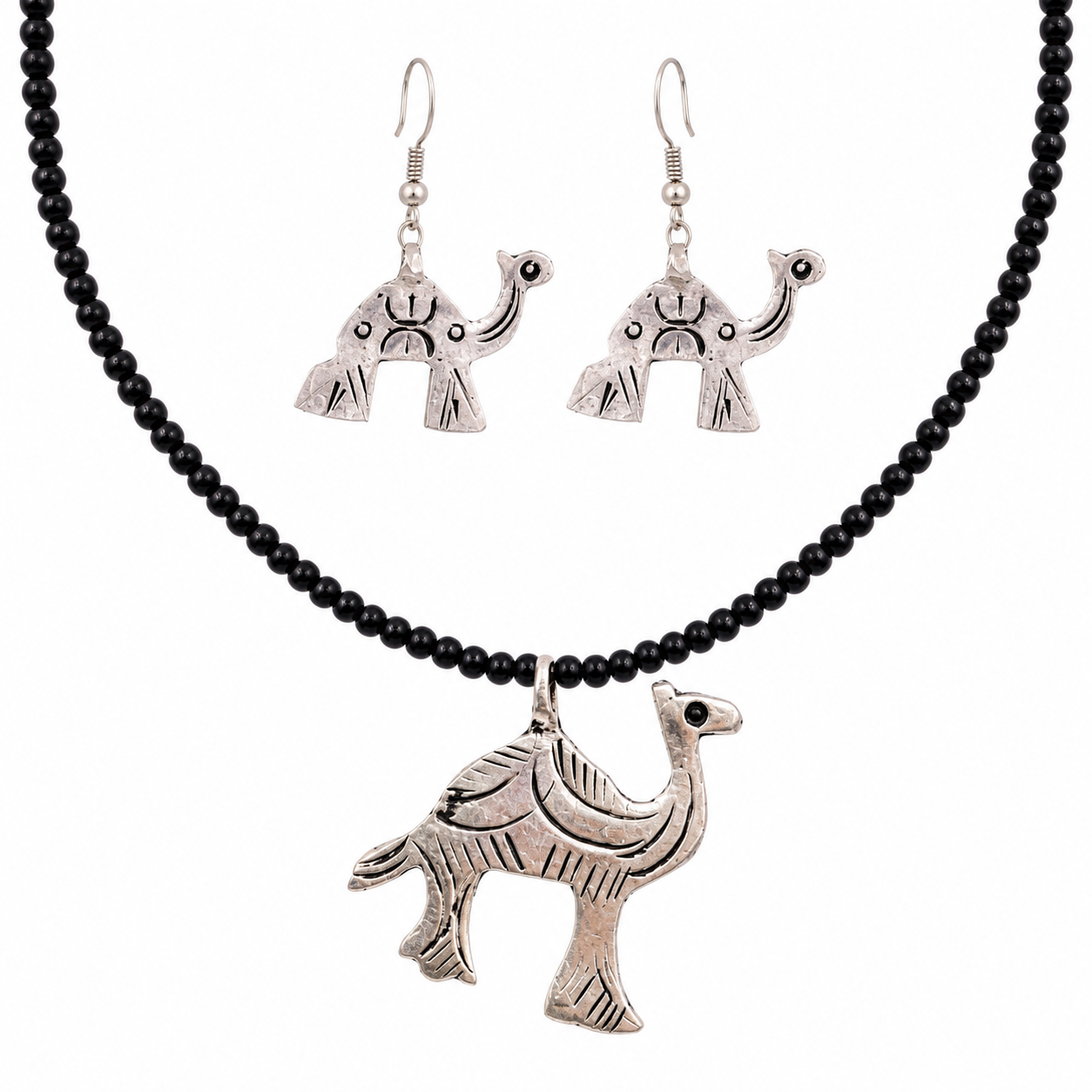
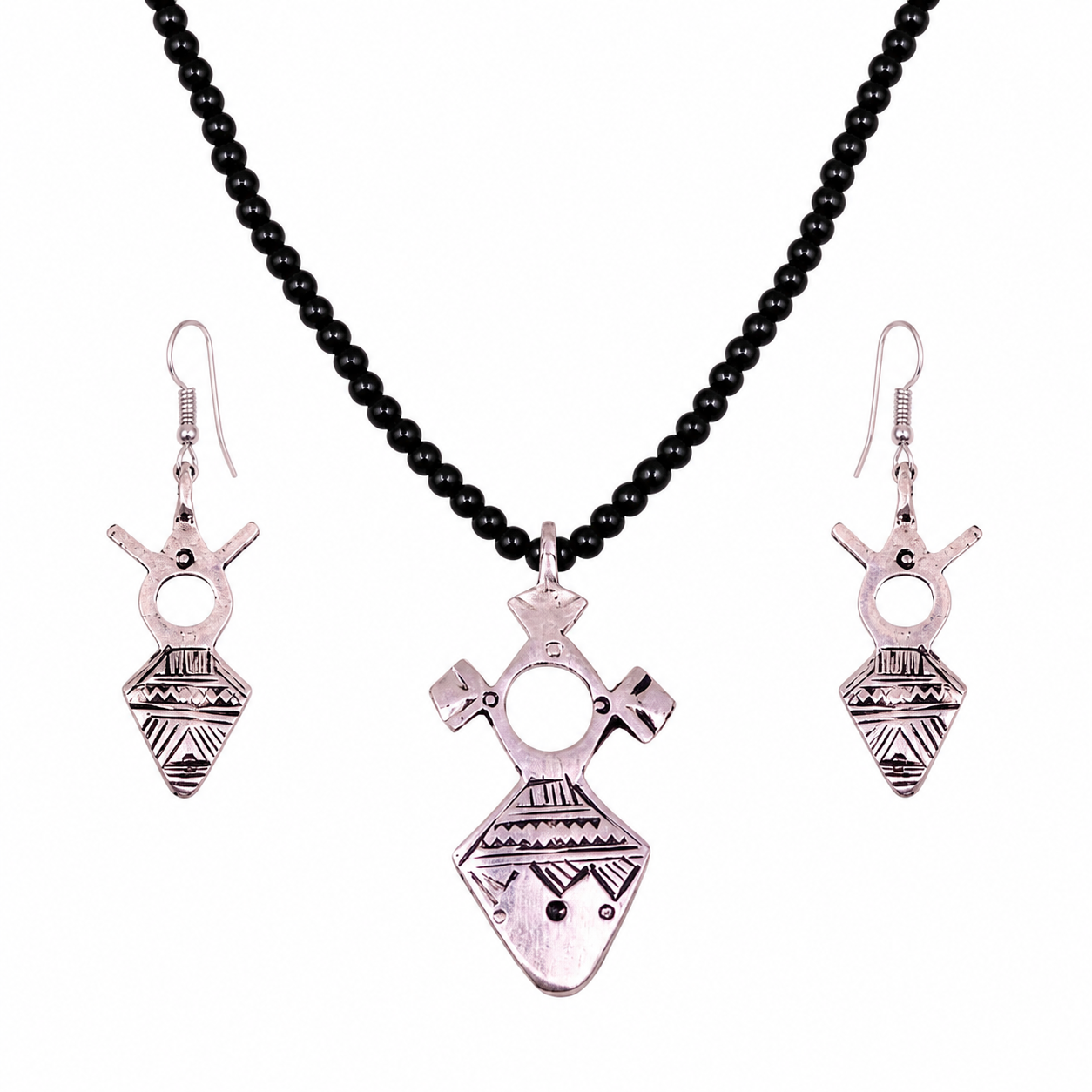
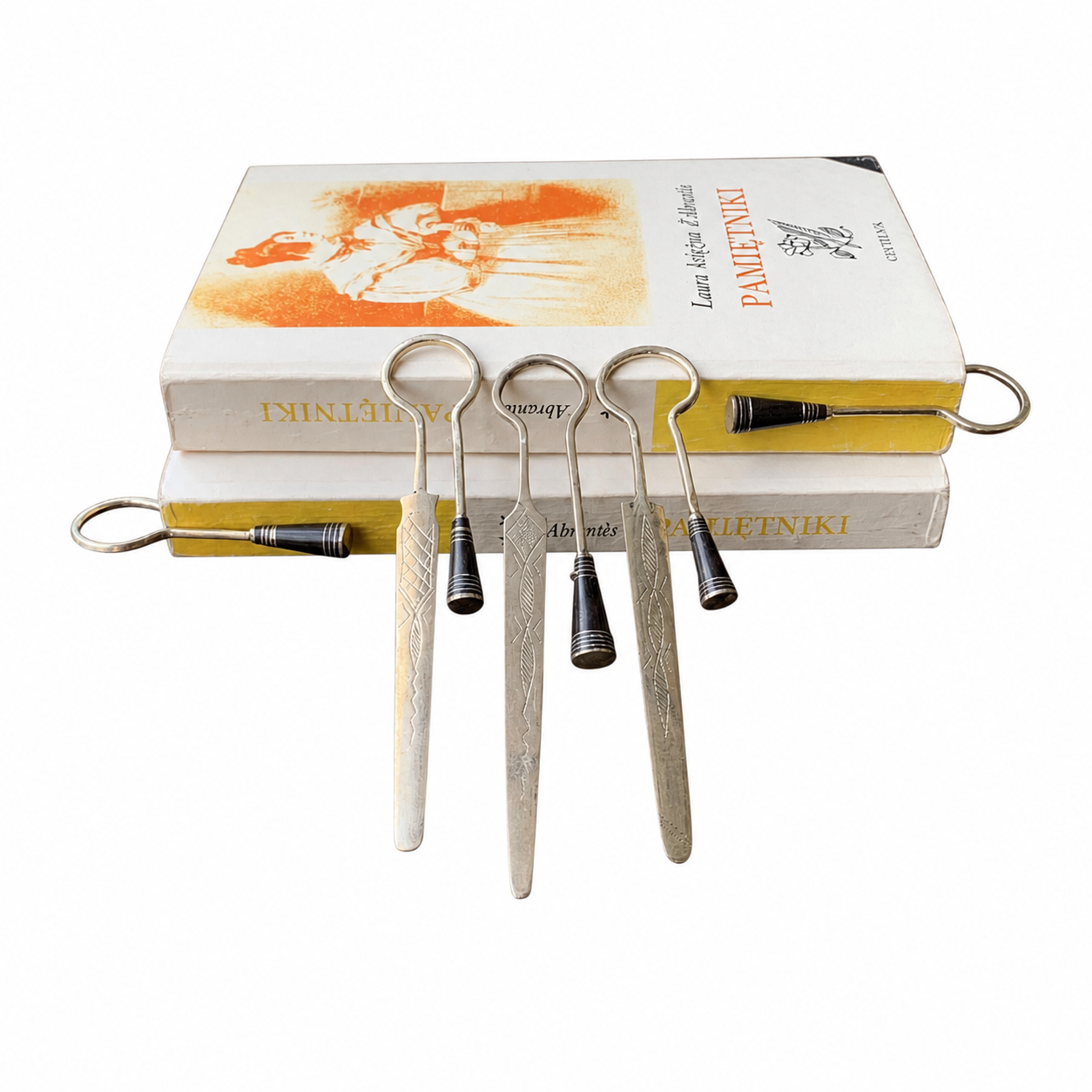
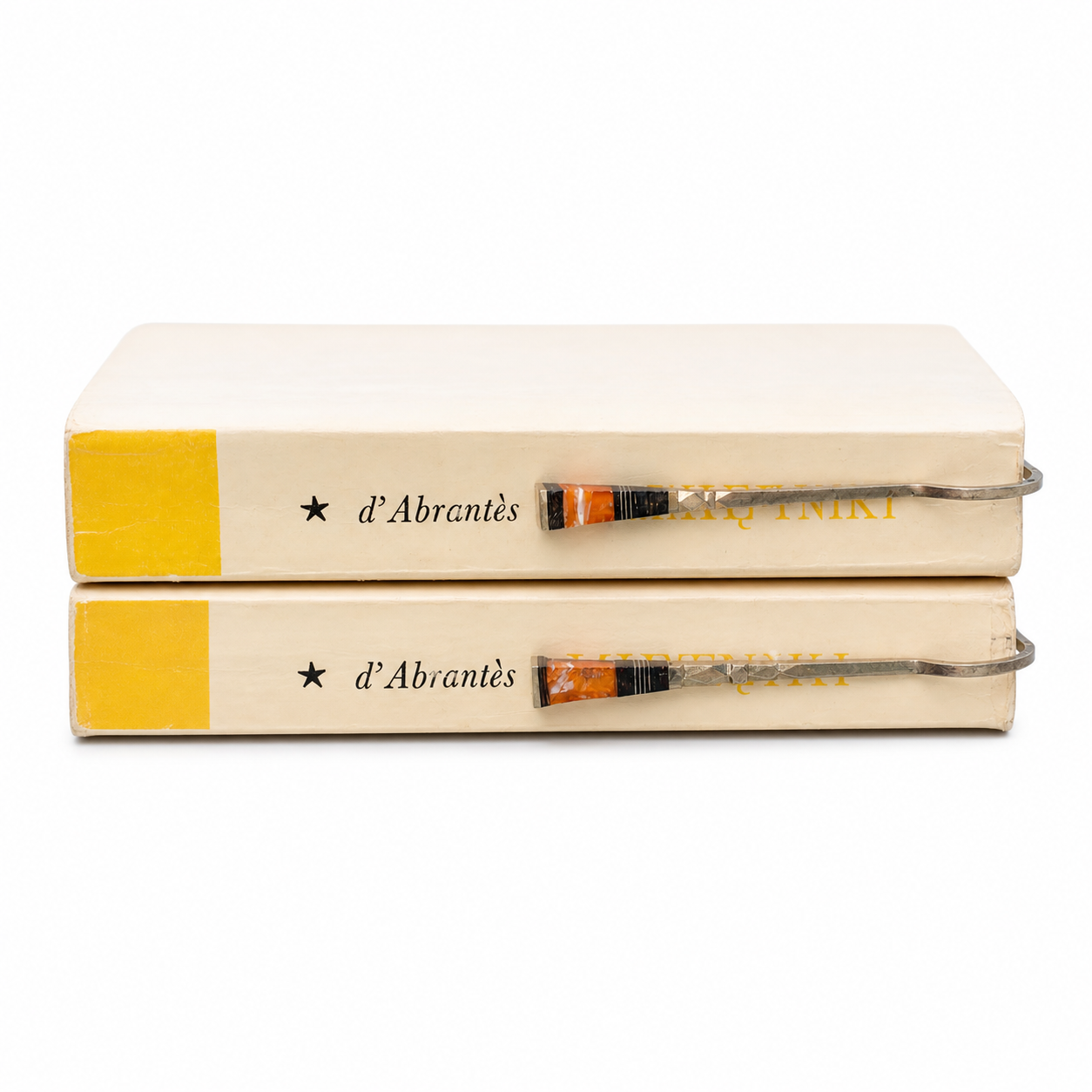
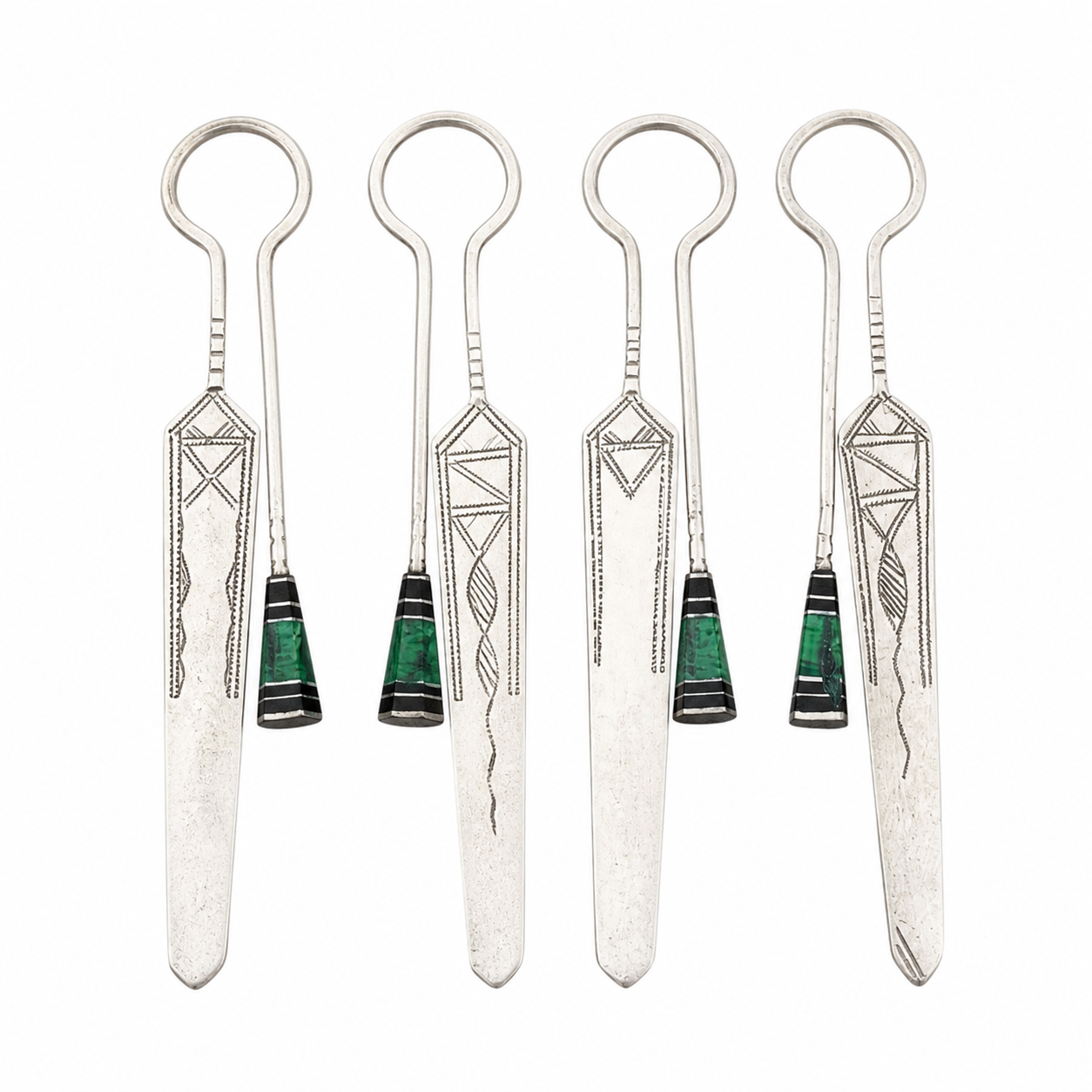
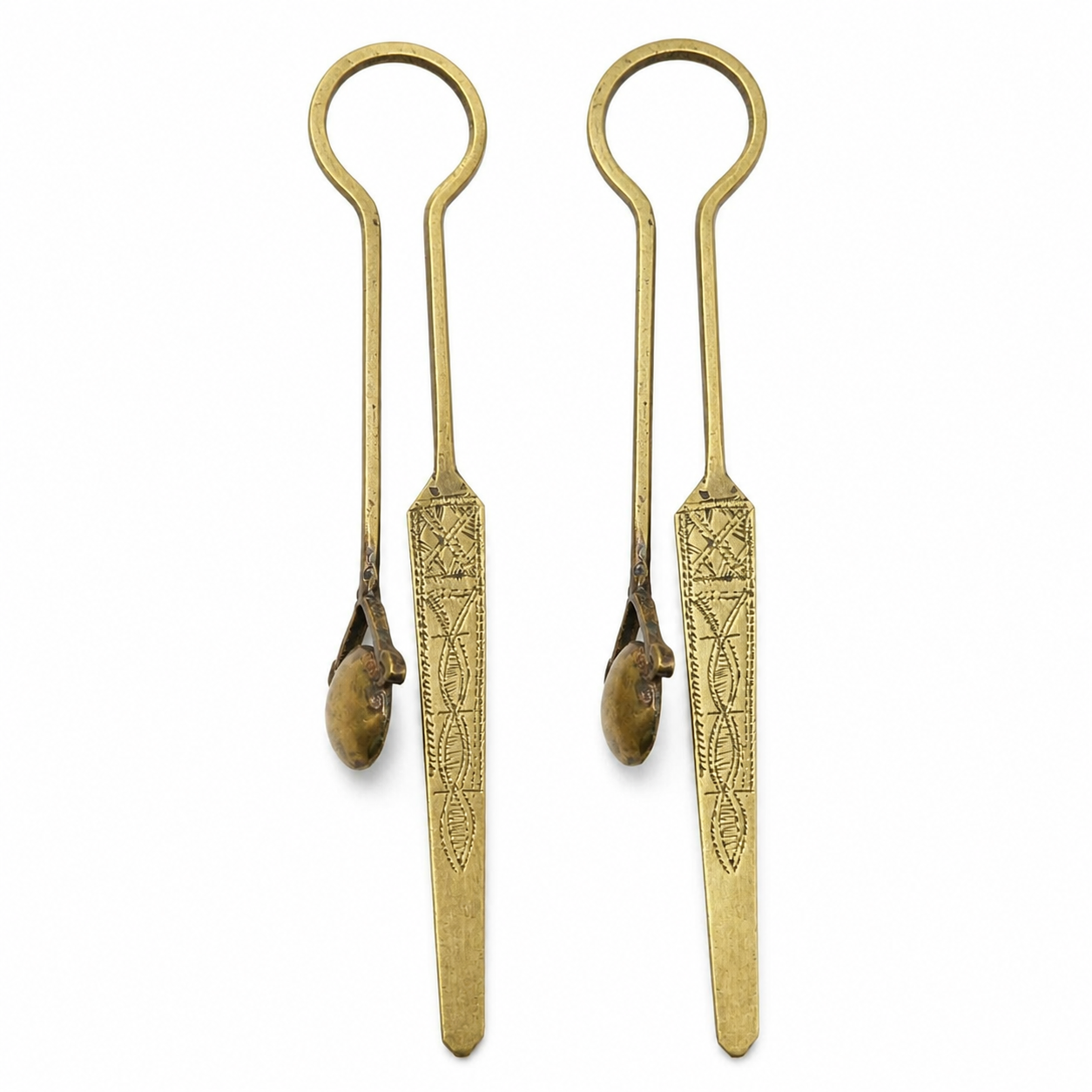
Amazigh craftsmanship includes carpets, pottery, textiles, woodwork, and silver jewelry. These objects often combine practical functions with artistic designs connected to local identity and symbolism.
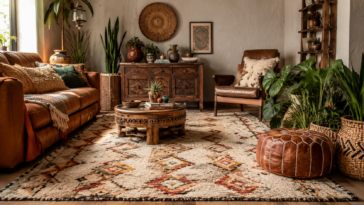
Handwoven carpets are among the best-known expressions of Amazigh creativity. Patterns and colors vary between regions, with designs influenced by family traditions and community history.
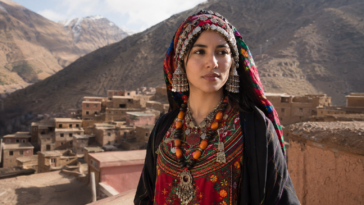
Traditional silver jewelry, including fibula brooches, necklaces, and bracelets, has long been associated with identity, ceremonies, and artistic heritage.
Amazigh Food and Social Traditions

Amazigh cuisine reflects Morocco’s geography and agricultural traditions. Foods are often based on locally available ingredients such as grains, vegetables, olive oil, herbs, and seasonal products.
Couscous remains an important dish connected with family gatherings and social occasions. Preparation and sharing of food represent hospitality and community relationships.
Tea rituals, celebrations, music, and seasonal events continue to provide opportunities for preserving social connections and passing traditions between generations.
Amazigh Heritage in Modern Morocco
Today, Amazigh culture continues to evolve through education, art, literature, media, and cultural organizations. Younger generations often combine traditional heritage with contemporary forms of expression.
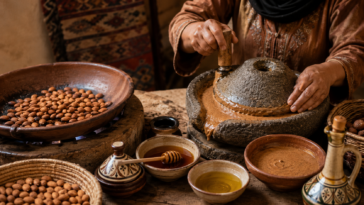
Amazigh women continue to play important roles in cultural preservation through weaving, food traditions, language transmission, and artistic production. Cooperative projects, including traditional craft and argan-related initiatives, have also created new opportunities for communities.
Why Amazigh Culture Matters
Amazigh heritage represents an essential part of Morocco’s historical diversity. Its languages, crafts, knowledge systems, and traditions contribute to a deeper understanding of North African civilization.
Preserving Amazigh culture does not mean keeping it unchanged. Like all living cultures, it continues to develop while maintaining connections with ancestral knowledge and identity.
The Role of the Land in Amazigh Identity
The relationship between Amazigh communities and the land is one of the strongest elements of their cultural identity. Mountains, valleys, forests, and agricultural areas are not only places of residence but also spaces connected with memory, traditions, and community history.
Many Amazigh societies developed knowledge systems adapted to challenging environments. Farmers learned to manage limited water resources, cultivate mountain terraces, and use local plants for food, medicine, and everyday needs. These practices reflect generations of observation and adaptation to Morocco’s diverse landscapes.
The Atlas Mountains, in particular, remain closely associated with Amazigh heritage. Villages built along mountain slopes show how communities created sustainable ways of living while maintaining strong social connections. Seasonal agricultural activities, livestock management, and cooperation between families have historically been important parts of rural life.
Traditional Architecture and Community Spaces
Amazigh architecture reflects both environmental adaptation and social organization. Traditional houses and fortified villages were often constructed using materials available in the surrounding area, including earth, stone, and wood.
Structures such as ksars and collective granaries demonstrate how communities protected resources and worked together. Their designs often responded to climate conditions, providing protection from heat in summer and cold temperatures in winter.
Although many people today live in modern homes and cities, traditional architecture remains an important symbol of Amazigh creativity and connection to place.
Amazigh Music, Festivals, and Oral Expression
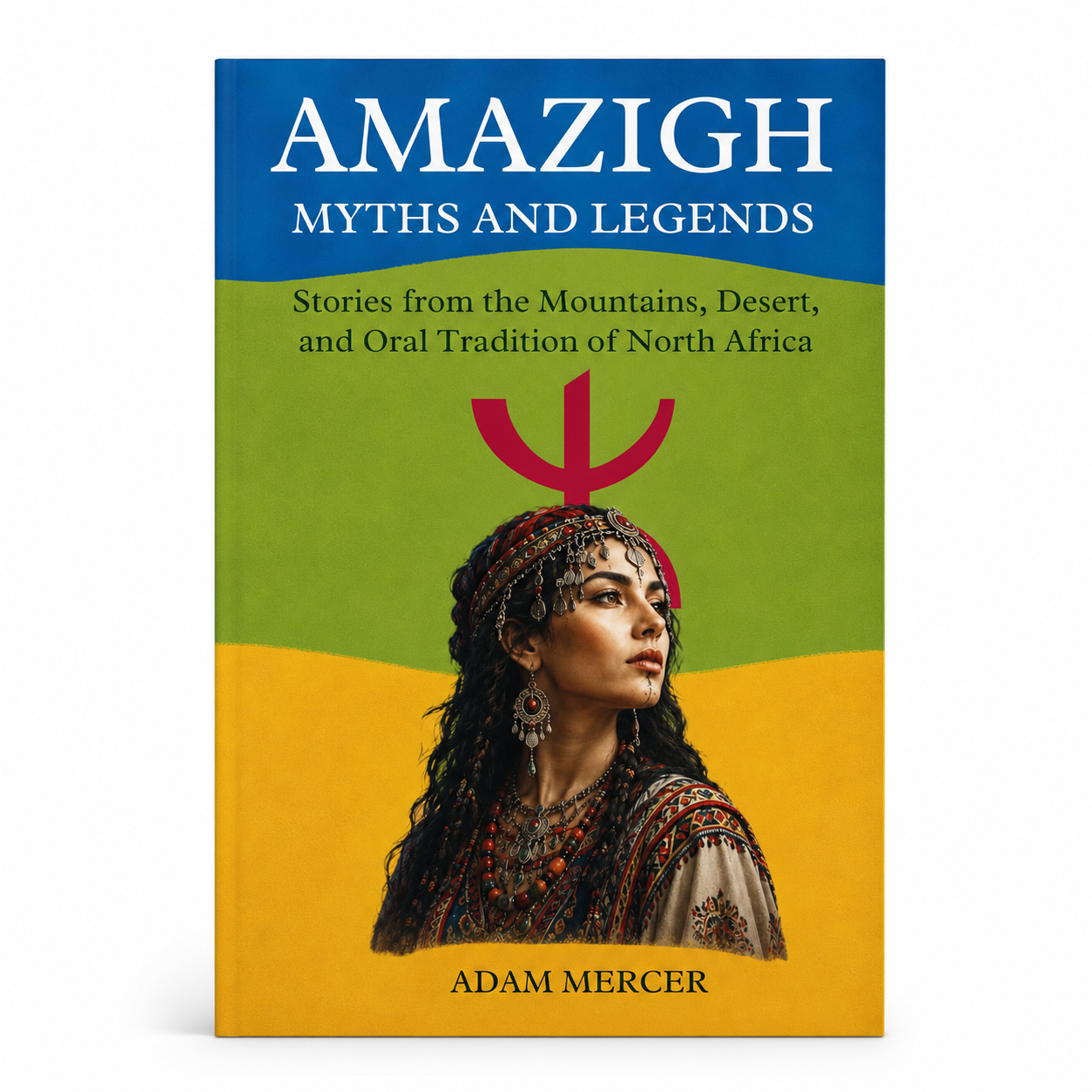
Music is a central part of Amazigh cultural expression. Songs, poetry, and performances have historically carried stories about love, daily life, social values, history, and relationships with the natural world.
Different regions of Morocco have developed their own musical traditions. Instruments such as drums, the ribab, and the loutar are associated with various Amazigh styles and continue to be used during celebrations and cultural events.
Festivals and communal gatherings provide important opportunities for preserving these artistic traditions. Events connected with music, dance, agriculture, and seasonal celebrations allow younger generations to learn cultural practices while adapting them to modern contexts.
Oral Heritage and Knowledge Transmission
Before widespread written education, oral transmission was one of the main ways Amazigh communities preserved knowledge. Elders played an important role in sharing stories, moral lessons, poetry, and historical memories with younger generations.
This oral tradition remains valuable today because it reflects local experiences and regional diversity. Storytelling, songs, and proverbs continue to provide insight into Amazigh values and ways of understanding society.
Amazigh Contributions to Moroccan Identity
Amazigh heritage is not separate from Moroccan identity but is one of its major foundations. Morocco’s culture has developed through centuries of interaction between Amazigh, Arab, African, Mediterranean, and other influences.
Amazigh contributions can be seen in many areas of Moroccan life, including language, place names, agricultural knowledge, architecture, music, and artistic traditions. These influences have helped shape the country’s cultural richness and diversity.
The growing recognition of Amazigh heritage has encouraged greater interest in preserving historical knowledge while ensuring that cultural traditions remain accessible to future generations.
Challenges and Future Preservation
Preserving Amazigh heritage involves balancing tradition with social and economic changes. Migration, urbanization, and changing lifestyles have transformed many communities, creating both challenges and new opportunities.
Language preservation remains an important area of cultural work. Education, publishing, media, and digital platforms provide new ways to support Tamazight and make Amazigh cultural resources available to wider audiences.
Craft traditions also continue to adapt. Many artisans combine traditional techniques with contemporary designs, allowing handmade products to reach new markets while maintaining connections to their origins.
A Living Heritage for Future Generations
Amazigh heritage in Morocco is not only a record of the past but also a living culture shaped by present-day communities. Young Amazigh creators, musicians, writers, and entrepreneurs continue to explore new ways of expressing their identity.
Through language, art, food, craftsmanship, and community values, Amazigh culture remains an active part of Morocco’s social fabric. Its continued preservation depends on recognizing both historical traditions and the creativity of new generations.
Conclusion
The Amazigh people of Morocco have maintained a remarkable cultural heritage through centuries of transformation. Their language, craftsmanship, traditions, and connection with the land remain important parts of Morocco’s identity.

 No products in the cart.
Comments (26)