
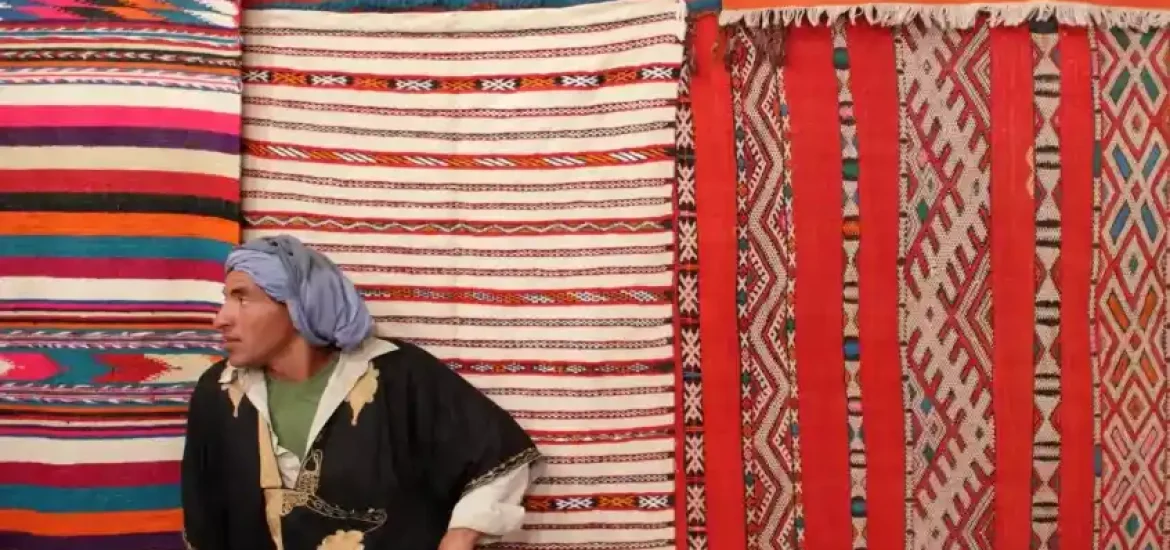
The Amazigh people are one of Morocco’s most important cultural communities, with traditions shaped by centuries of connection to the country’s mountains, valleys, deserts, and agricultural landscapes. Often known internationally as Berbers, many communities prefer the name Amazigh, reflecting their own cultural identity and heritage.
Who Are the Amazigh People of Morocco?
The Amazigh, or Imazighen in plural, are Indigenous North African communities whose presence in the Maghreb extends across thousands of years. In Morocco, Amazigh communities live in many regions, including the Rif Mountains, the Middle Atlas, the High Atlas, and the Souss area.
Amazigh identity is not based on one single lifestyle or tradition. Different communities have developed their own languages, clothing styles, celebrations, crafts, and social customs while sharing important cultural connections through history.
Many Amazigh communities have maintained strong relationships with their local environments. Mountain farming, pastoral traditions, craftsmanship, and oral knowledge have all contributed to the preservation of cultural practices across generations.
Tamazight Language and Cultural Identity
Language is one of the strongest elements of Amazigh identity. Tamazight refers to a group of related Amazigh languages spoken in different regions of North Africa. In Morocco, important varieties include Tarifit in the north, Central Atlas Tamazight in mountain regions, and Tashelhit in the south.
For many generations, Amazigh knowledge was preserved through oral traditions. Stories, poetry, songs, and teachings shared by elders helped transmit history, values, and community knowledge.
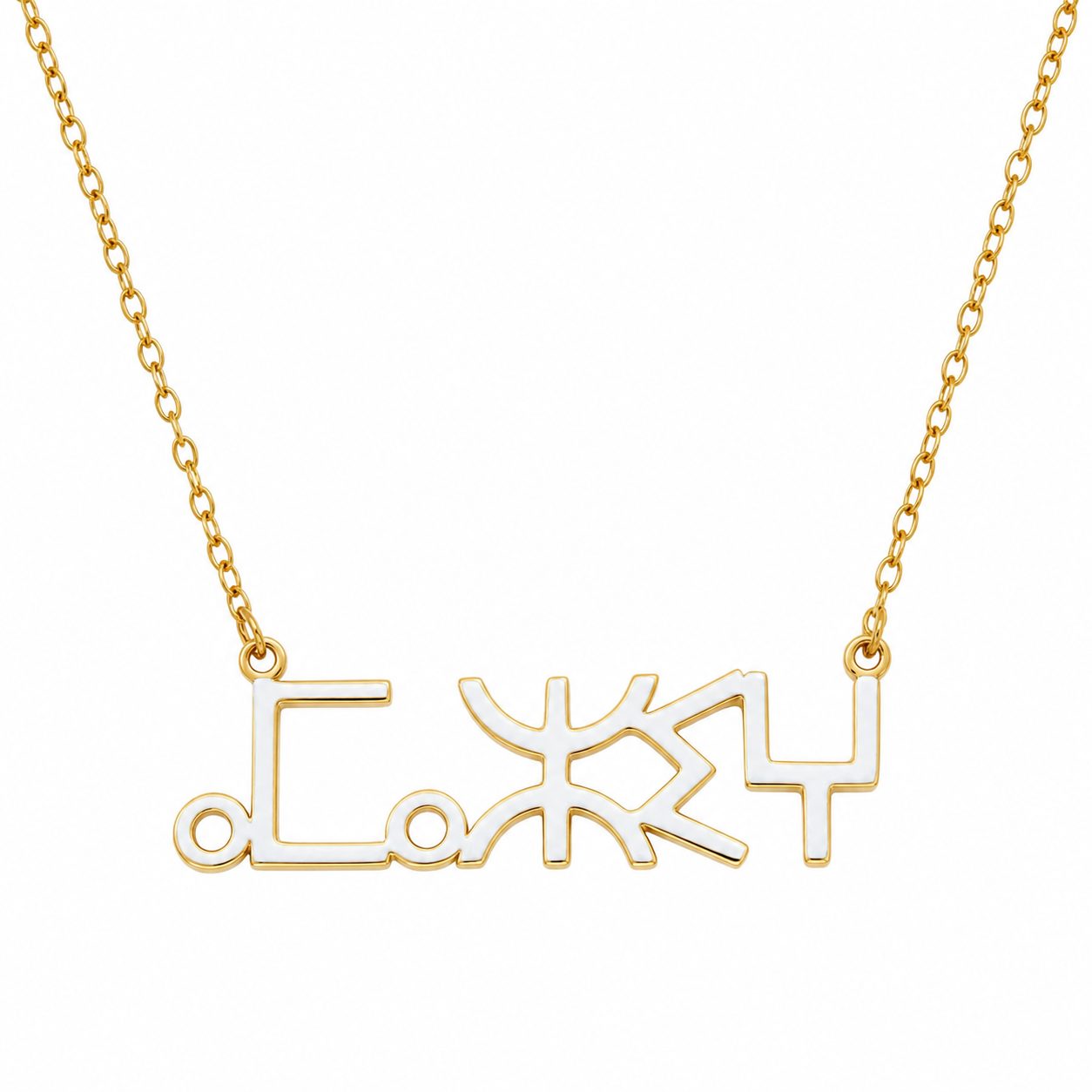
The Tifinagh script has become an important symbol of Amazigh heritage. This writing system is used today in cultural and educational contexts and represents efforts to preserve Amazigh linguistic traditions.
Morocco recognized Tamazight as an official language in 2011, creating a new framework for its presence in public life, education, and cultural institutions.
Amazigh Villages and Life in the Atlas Mountains
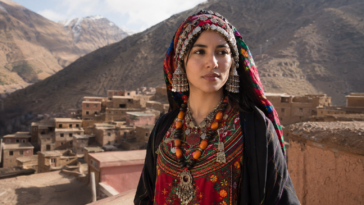
The Atlas Mountains are among the most recognizable regions associated with Amazigh communities in Morocco. Villages built from local materials, agricultural terraces, and traditional homes reflect generations of adaptation to mountain environments.
Historically, many Amazigh families combined farming and livestock activities with seasonal movement between different areas. Knowledge of weather patterns, water sources, plants, and agricultural cycles was essential for community survival.
Today, many mountain communities balance traditional ways of life with modern changes. Electricity, improved roads, education, and technology have transformed daily routines while cultural connections remain important.
Amazigh Arts, Carpets, and Jewelry
Amazigh artistic traditions are among Morocco’s most recognizable cultural expressions. Textiles, carpets, pottery, and jewelry often combine practical uses with artistic creativity and symbolic meaning.
Amazigh carpets are especially valued for their handmade production and distinctive regional styles. Patterns and colors vary between communities, with designs influenced by local traditions and artistic knowledge passed through generations.
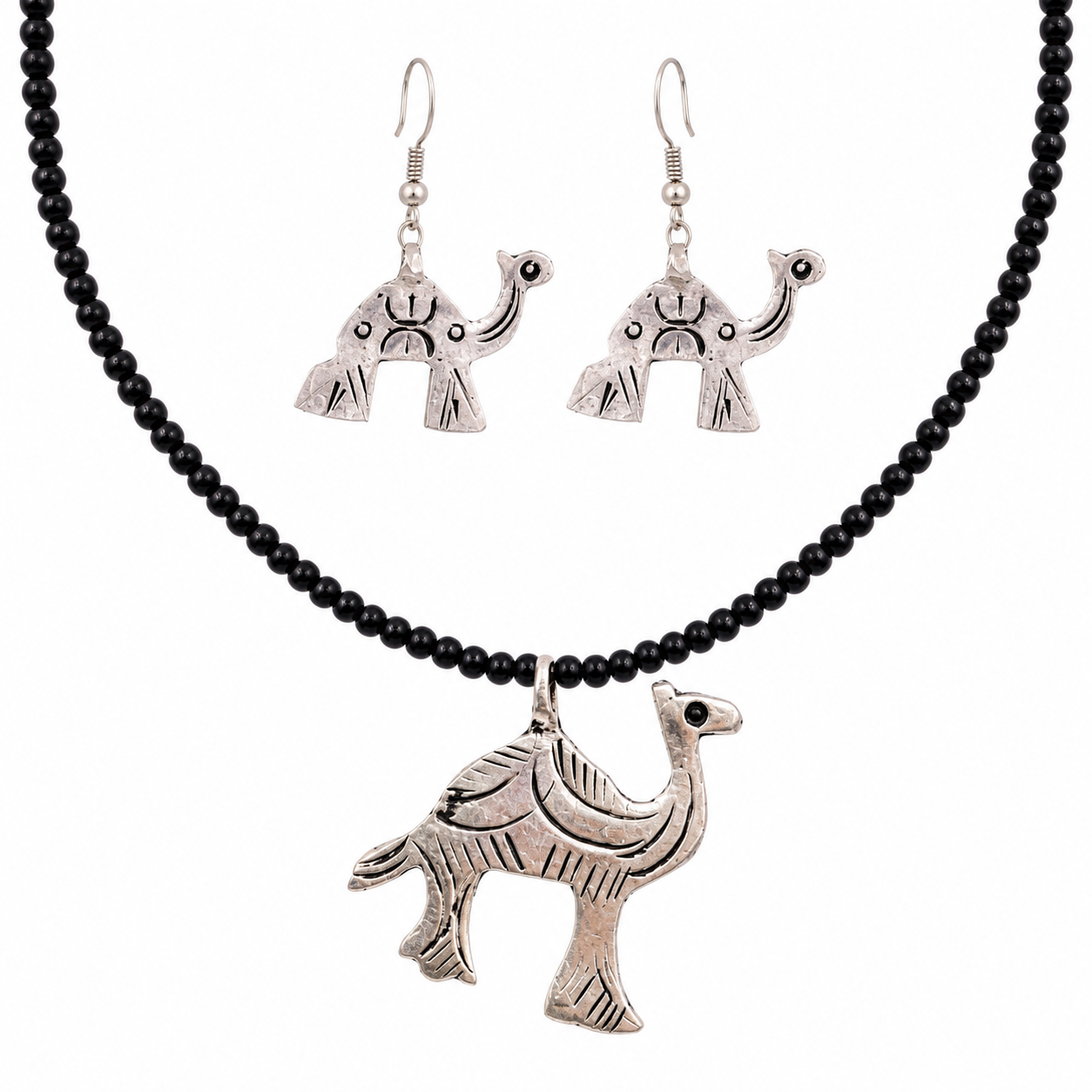
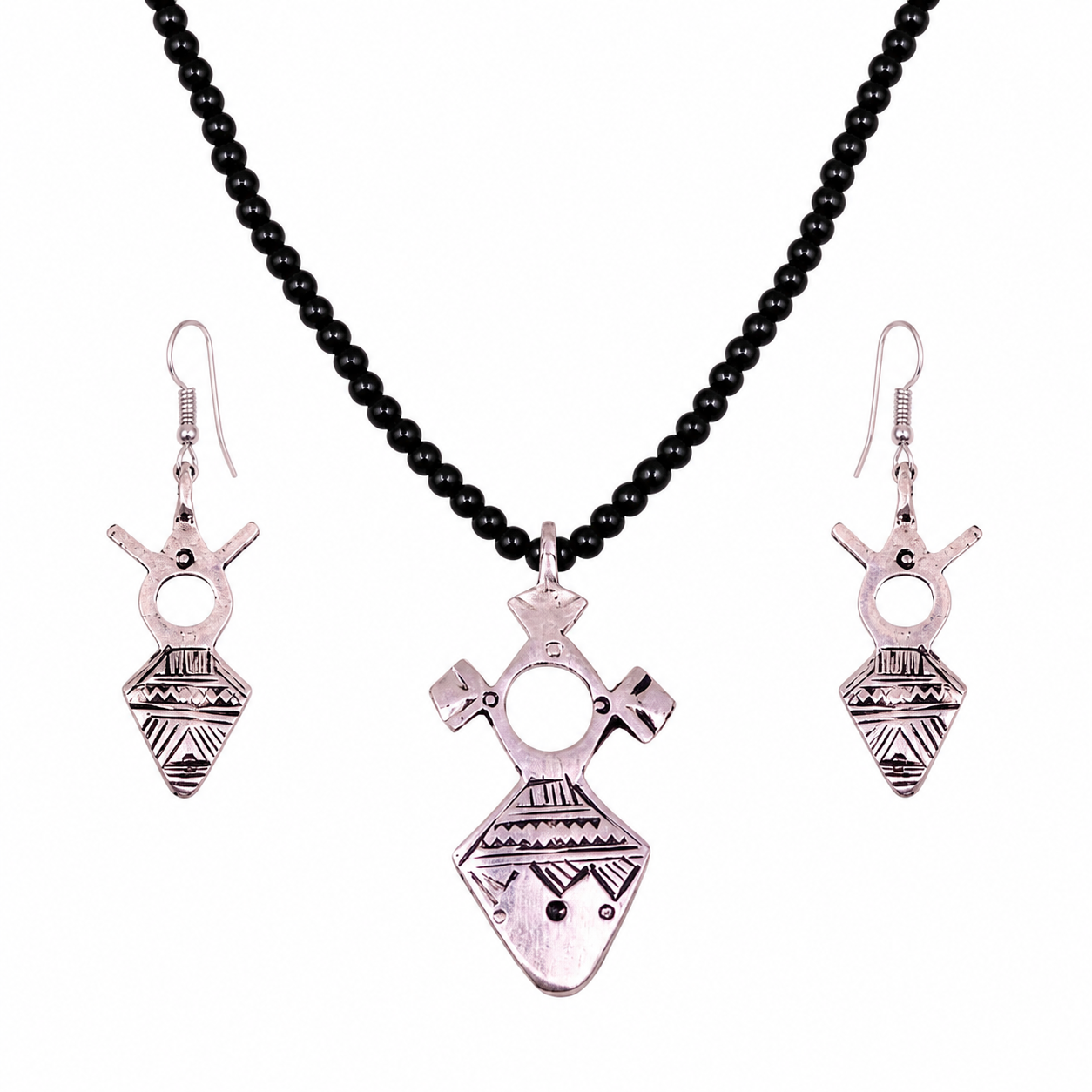
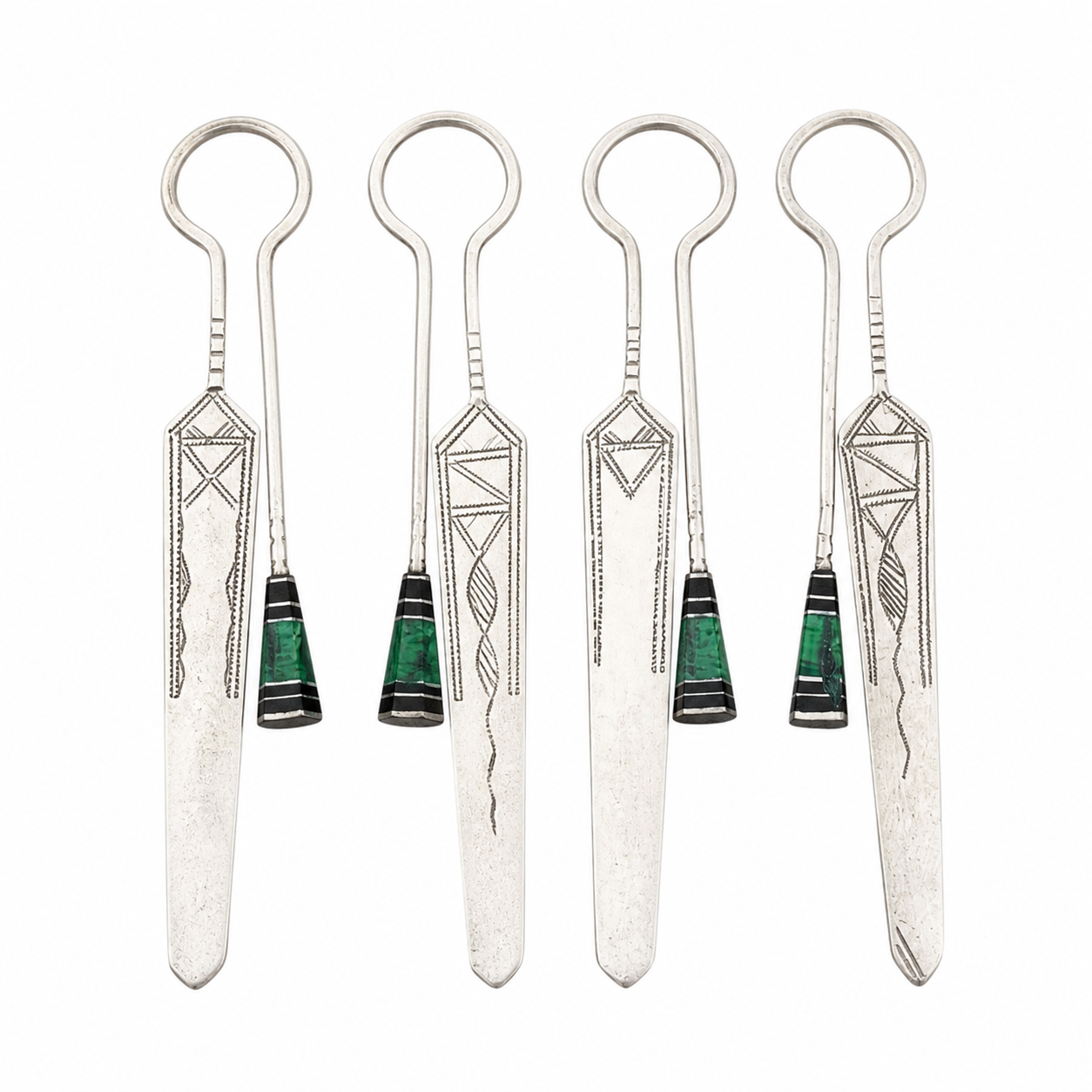
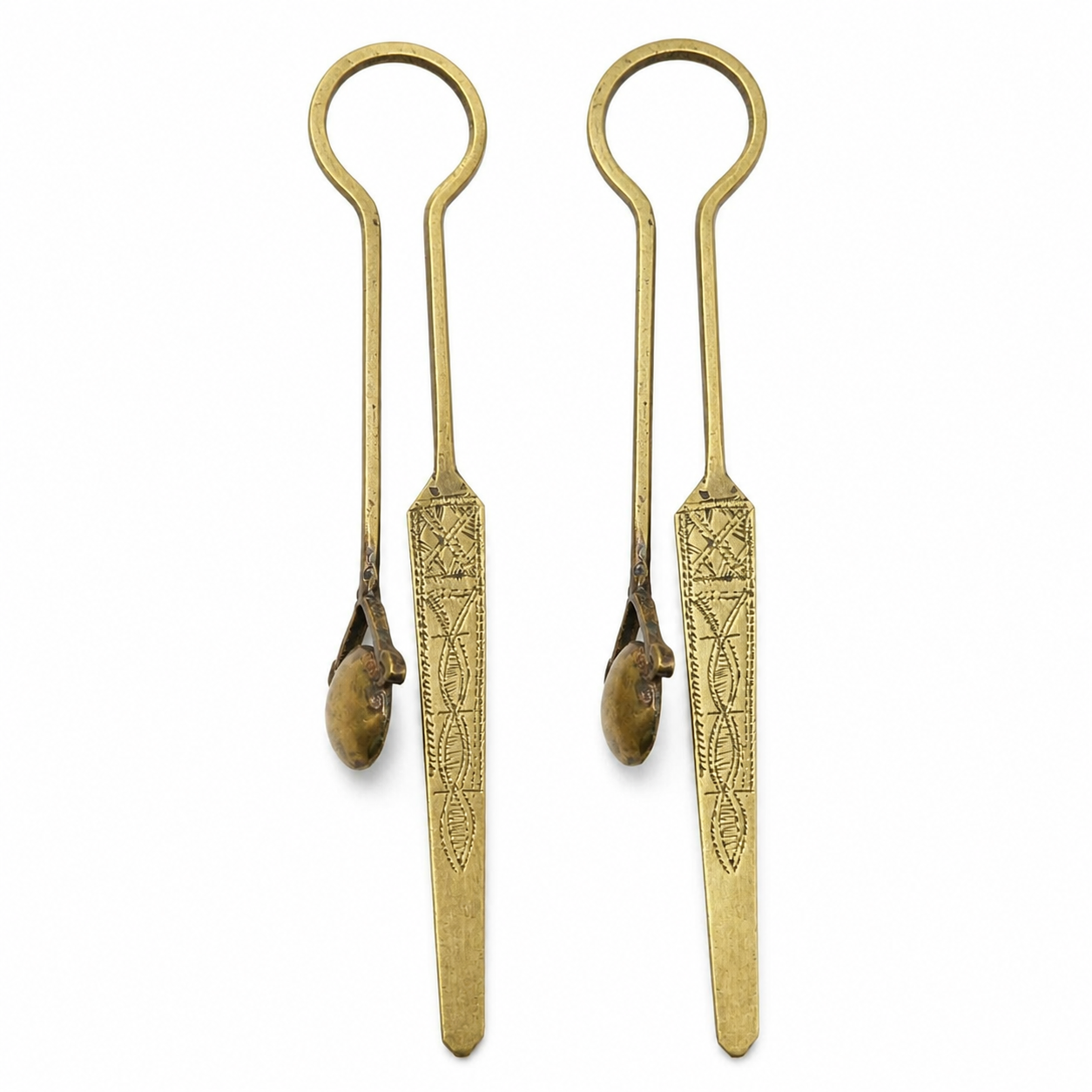
Jewelry is another important part of Amazigh culture. Traditional silver pieces, including necklaces, bracelets, and fibula brooches, have often been connected with personal identity, celebrations, and regional artistic styles.
Women have traditionally played a major role in many craft traditions, including weaving and textile production. These skills continue through artisans who adapt traditional methods for contemporary audiences.
Amazigh Food, Hospitality, and Daily Traditions
Amazigh cuisine reflects Morocco’s diverse landscapes and agricultural heritage. Traditional dishes often use locally available ingredients, including grains, vegetables, herbs, olive oil, and seasonal products.
Couscous is one of the most widely recognized dishes connected with Amazigh and Moroccan culinary traditions. Its preparation is often associated with family gatherings and shared meals.
Tagines, breads, preserved foods, and regional specialties demonstrate the relationship between food and environment. Recipes often reflect local farming practices and knowledge of available resources.
Hospitality is also an important social value in many Amazigh communities. Sharing tea, food, and conversation creates opportunities for strengthening relationships between families, neighbors, and visitors.
Amazigh Women and Cultural Preservation
Amazigh women have played important roles in preserving cultural knowledge. Through language, crafts, food preparation, and family traditions, many have contributed to maintaining connections between generations.
Women’s cooperatives in different regions of Morocco have also created opportunities for economic participation while supporting traditional skills. Argan oil cooperatives, particularly in southwestern Morocco, are one example of how traditional knowledge and modern organization can work together.
Craft production, agricultural knowledge, and household traditions continue to represent important areas where cultural knowledge is maintained.
Experiencing Amazigh Heritage in Modern Morocco
Visitors interested in Amazigh culture can explore many regions of Morocco where traditions remain part of everyday life. The Atlas Mountains, Rif region, and southern oases provide opportunities to discover landscapes connected to Amazigh history.
Cultural museums and heritage spaces in cities such as Marrakech also provide opportunities to learn about Amazigh crafts, clothing, and artistic traditions.
Modern Amazigh culture continues to evolve through music, literature, education, and contemporary art. Younger generations combine inherited traditions with new forms of expression, ensuring that Amazigh heritage remains active.
The Importance of Preserving Amazigh Heritage
Amazigh culture represents a significant part of Morocco’s historical and cultural diversity. Its languages, crafts, food traditions, and relationship with the land contribute to a deeper understanding of North African identity.
Preserving Amazigh heritage does not mean keeping traditions unchanged. Like all living cultures, Amazigh traditions continue to develop as communities respond to new social, economic, and environmental realities.
Regional Diversity Within Moroccan Amazigh Communities
Morocco’s Amazigh heritage is shaped by regional diversity, with each area developing its own cultural expressions and historical experiences. The Rif, Atlas Mountains, and Souss regions each have distinct traditions that reflect local environments and community histories.
In the Rif region, Amazigh communities have maintained strong linguistic and cultural traditions connected to northern Morocco’s Mediterranean landscape. In the High Atlas and Middle Atlas, mountain geography influenced agricultural methods, architecture, and seasonal practices. In the Souss and Anti-Atlas regions, communities developed traditions connected to farming, trade routes, and the argan tree ecosystem.
This diversity shows that Amazigh culture is not a single uniform tradition but a collection of related cultures connected by shared historical roots, languages, and values.
Traditional Music and Celebrations
Music has always been an important way for Amazigh communities to express history, emotions, and collective identity. Traditional songs often accompany celebrations, seasonal events, weddings, and community gatherings.
Different regions have developed their own musical styles, instruments, and performance traditions. Group dances and songs can bring communities together while transmitting stories and cultural knowledge between generations.
Modern Amazigh musicians continue to combine traditional sounds with contemporary influences, helping introduce Amazigh artistic expressions to new audiences while maintaining connections with older traditions.
Amazigh Architecture and Connection to Place
Traditional Amazigh architecture reflects adaptation to local climates and available materials. In mountain areas, homes were often built using stone, earth, and other local resources that provided protection from changing temperatures.
Villages were designed around practical needs, including agriculture, family life, and community cooperation. Collective spaces allowed neighbors and extended families to maintain strong social relationships.
Although modern construction has changed many rural areas, traditional architectural styles remain an important symbol of Amazigh identity and continue to influence contemporary design.
Preserving Amazigh Knowledge for Future Generations
The preservation of Amazigh heritage depends on education, cultural activities, and the continued use of traditional knowledge in daily life. Schools, cultural associations, artists, and families all contribute to keeping language and customs active.
Ways Amazigh Heritage Continues Today
- Teaching Tamazight language and cultural history to younger generations.
- Supporting artisans who continue traditional crafts such as weaving and jewelry making.
- Recording oral traditions, songs, and historical knowledge.
- Celebrating cultural events that bring communities together.
Amazigh heritage remains a living culture because communities continue to adapt traditions to modern circumstances. The combination of historical knowledge and contemporary creativity allows Amazigh identity to remain meaningful in Morocco today.
Conclusion
The Amazigh people of Morocco have maintained a rich cultural heritage through language, craftsmanship, community values, and deep connections with their landscapes. Their traditions remain an essential part of Morocco’s identity and continue to inspire new generations.

 No products in the cart.
Comments (13)