

The Amazigh fibula is one of the most recognizable forms of traditional Berber jewelry in North Africa. At first glance, it appears to be a simple clasp used to hold clothing together, but its role extends far beyond function. For generations, this object has carried stories of identity, craftsmanship, family heritage, and social belonging.
The Fibula: From Practical Tool to Cultural Symbol
The primary purpose of the fibula was practical: it fastened garments and helped secure traditional clothing. Before modern fasteners existed, pins and clasps were essential parts of everyday dress. In Amazigh communities, this useful object gradually became transformed into an artistic and symbolic jewel.
Different regions developed their own forms and names for the fibula. In Morocco, it is often known as tiseghnest or tazerzit, while related terms appear in other Amazigh-speaking areas. These names reflect the connection between the object and the action of attaching or holding fabric.
The history of the fibula is not limited to the Amazigh world. Similar clothing clasps existed in many ancient societies, including Mediterranean and European cultures. What makes the Amazigh fibula distinctive is the combination of practical use, artistic craftsmanship, and social meaning.
How Amazigh Women Used the Fibula

Traditional Amazigh clothing often required strong and elegant methods of fastening. Fibulae could be placed at the shoulders to hold large pieces of fabric, worn on the chest as decorative elements, or used with head coverings.
The placement and design of a fibula depended on local clothing traditions. Some were small and functional, while others were large statement pieces designed to complement ceremonial clothing.
The jewel became part of a complete appearance that included textiles, hairstyles, necklaces, bracelets, and other ornaments. Together, these elements created a visual expression of regional identity.
Regional Names and Designs Across Morocco

The diversity of Amazigh communities is reflected in the variety of fibula designs found across Morocco. Mountain regions, oasis communities, and southern groups each developed distinctive styles influenced by local traditions.
Common shapes include circles, triangles, crescents, and diamond forms. Although these designs may appear similar, their meanings and uses can vary depending on the community, period, and individual context.
Rather than representing one universal symbolic language, Amazigh jewelry should be understood as a living tradition where designs gain meaning through the people who create and wear them.
Silver, Coral, and the Art of Amazigh Silversmiths

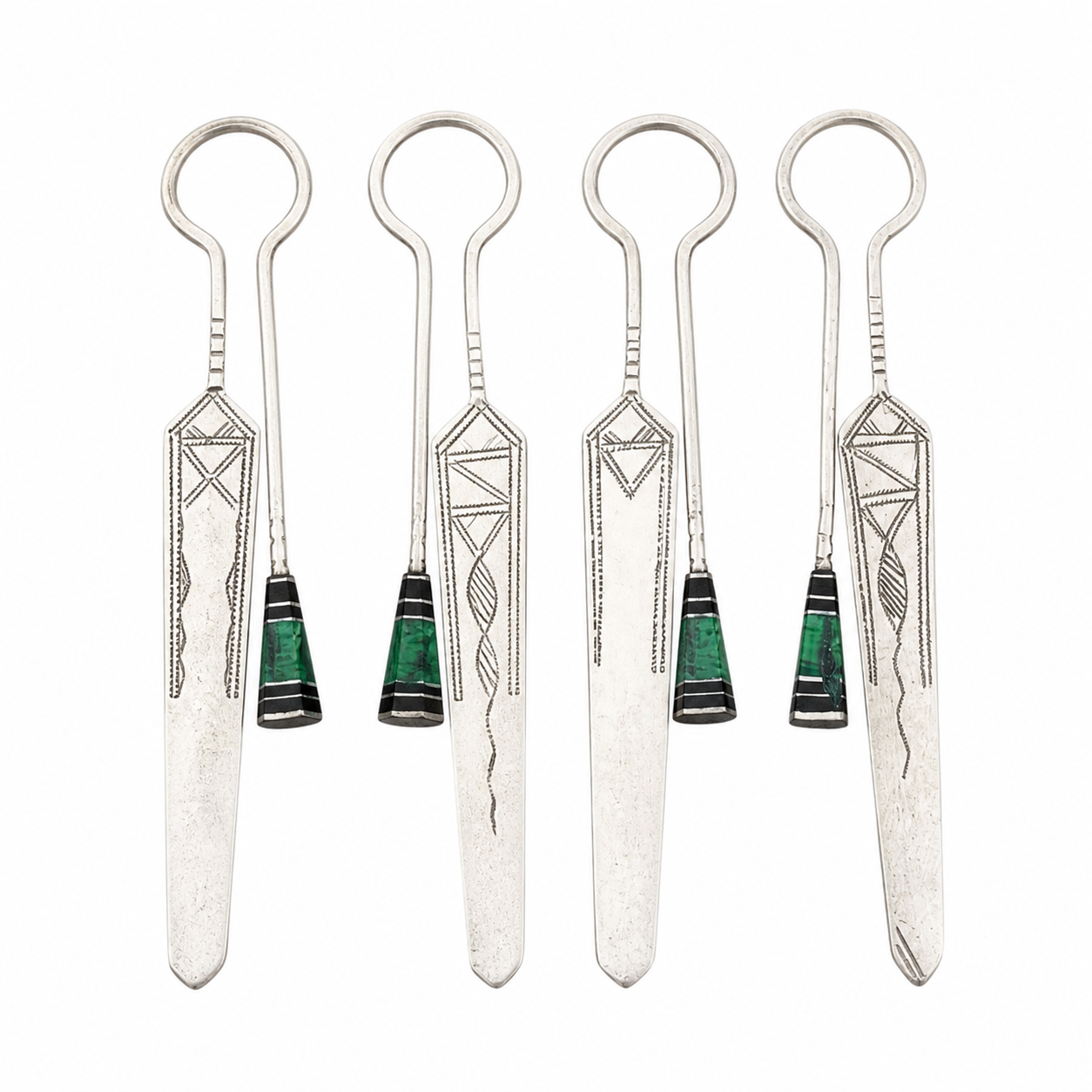
Silver is one of the most important materials associated with Amazigh jewelry. Skilled artisans used techniques such as casting, engraving, repoussé, and decorative metalwork to create detailed fibulae.
Silversmiths played an important role in traditional communities by producing objects needed for clothing, ceremonies, and family occasions. Their work required specialized knowledge passed between generations.
Some fibulae also include materials such as coral, stones, or colored elements. In various traditions, these materials were associated with beauty and protective qualities, although interpretations differed between regions.
The Fibula and the Meaning of Marriage

One of the most important social roles of the Amazigh fibula was its connection with marriage. In many communities, pairs of fibulae formed part of a bride’s dowry and represented family support, wealth, and heritage.
A wedding jewel was not only a valuable object but also a connection between generations. A woman wearing inherited jewelry could carry the memory of mothers, grandmothers, and previous members of her family.
The fibula therefore became a symbol of continuity. It represented not only the person wearing it but also the family and community connections surrounding her.
Jewelry, Identity, and Social Expression
Traditional Amazigh jewelry communicated information about the wearer’s background, region, and social position. The size, material, and style of an ornament could express different aspects of identity.
However, meanings were never identical everywhere. A design that carried importance in one community might have a different interpretation elsewhere. This diversity is part of what makes Amazigh jewelry a rich field of cultural study.
The fibula demonstrates how objects used in everyday life can become powerful carriers of memory and belonging.
The Protective and Symbolic Dimensions of the Fibula
Throughout history, jewelry has often been associated with ideas of protection, prosperity, and well-being. Some Amazigh communities connected certain materials or decorative elements with positive meanings.
Silver, coral, and geometric motifs could carry symbolic associations depending on local traditions. These interpretations should be understood within their cultural context rather than reduced to fixed meanings.
The importance of the fibula comes from the relationship between the object and the community that gives it meaning.
Preserving the Heritage of Amazigh Jewelry
Today, the Amazigh fibula continues to inspire artists, designers, collectors, and researchers. Its visual beauty has made it widely appreciated, but understanding its history is essential to respecting its cultural value.
Traditional craftsmanship depends on the transmission of skills between generations. Supporting artisans and learning about the origins of these objects helps protect the knowledge behind them.
The fibula is more than an accessory. It is a record of craftsmanship, social relationships, and cultural memory.
The Craftsmanship Behind Every Fibula
Creating an Amazigh fibula required more than shaping metal into a decorative form. Traditional artisans combined technical knowledge with artistic judgment, choosing proportions, textures, and details that matched local tastes and clothing styles.
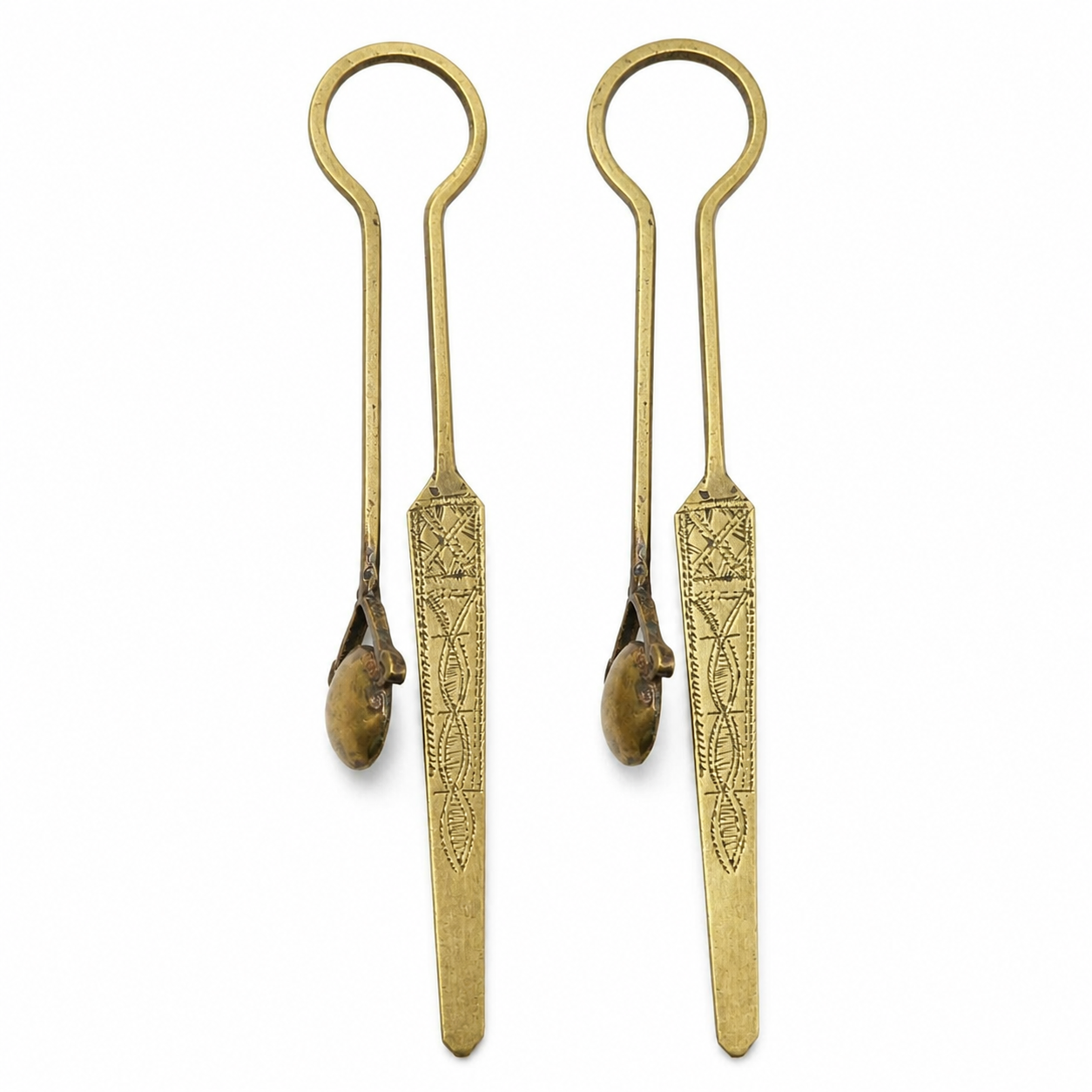
Silversmiths worked carefully with sheets and pieces of silver, transforming a durable material into objects that were both useful and visually impressive. Engraved patterns, raised surfaces, and attached elements gave each piece its own character.
The making of a fibula was therefore a dialogue between function and creativity. The final object needed to hold fabric securely while also representing the aesthetic values of the community where it was produced.
Fibula Styles and Regional Identity
One of the most fascinating aspects of Amazigh fibulae is the way regional differences appear through design. Communities separated by mountains, valleys, and deserts developed their own approaches to jewelry production.
Some fibulae emphasize geometric forms and strong outlines, while others feature more elaborate decoration and additional materials. These differences reflect local histories, artistic traditions, and relationships with trade networks.
For researchers and collectors, these variations provide valuable information about where an object may have originated and how communities expressed their identity through material culture.
The Relationship Between Jewelry and Memory
A traditional fibula often carries memories beyond its physical appearance. Because many pieces were inherited within families, they became connected with personal histories and important life events.
A jewel passed from one generation to another could represent continuity between women of the same family. It carried traces of previous owners and remained connected to celebrations, marriages, and moments of transition.
This emotional dimension explains why Amazigh jewelry cannot be understood only through its material value. Its importance comes from the relationships and memories attached to it.
The Fibula in Contemporary Amazigh Expression
Although traditional clothing practices have changed in many places, the fibula remains an influential symbol in modern Amazigh cultural expression. It appears in exhibitions, artistic creations, fashion designs, and cultural events.
Contemporary artists and craftspeople often reinterpret traditional forms while maintaining connections with older techniques and visual traditions. This allows the fibula to remain part of a living culture rather than only an object from the past.
The continued interest in the fibula demonstrates how heritage objects can adapt to new contexts while preserving their historical importance.
Understanding Authentic Amazigh Jewelry
The popularity of Amazigh jewelry has also created challenges. Decorative objects inspired by traditional designs are now produced in many places, sometimes separated from the cultural knowledge that originally gave them meaning.
Recognizing authentic craftsmanship involves appreciating the materials, techniques, and cultural background behind an object. Learning about regional traditions helps distinguish meaningful heritage pieces from simple decorative copies.
Respect for Amazigh jewelry begins with understanding that these objects are not only beautiful designs but also expressions of history, identity, and human creativity.
Conclusion
The Amazigh fibula represents the meeting point between function and symbolism. Created to fasten clothing, it became a jewel connected with identity, marriage, craftsmanship, and heritage. Across Morocco and North Africa, it continues to remind us that everyday objects can preserve the stories of the communities that created them.


 No products in the cart.
Comments (14)