
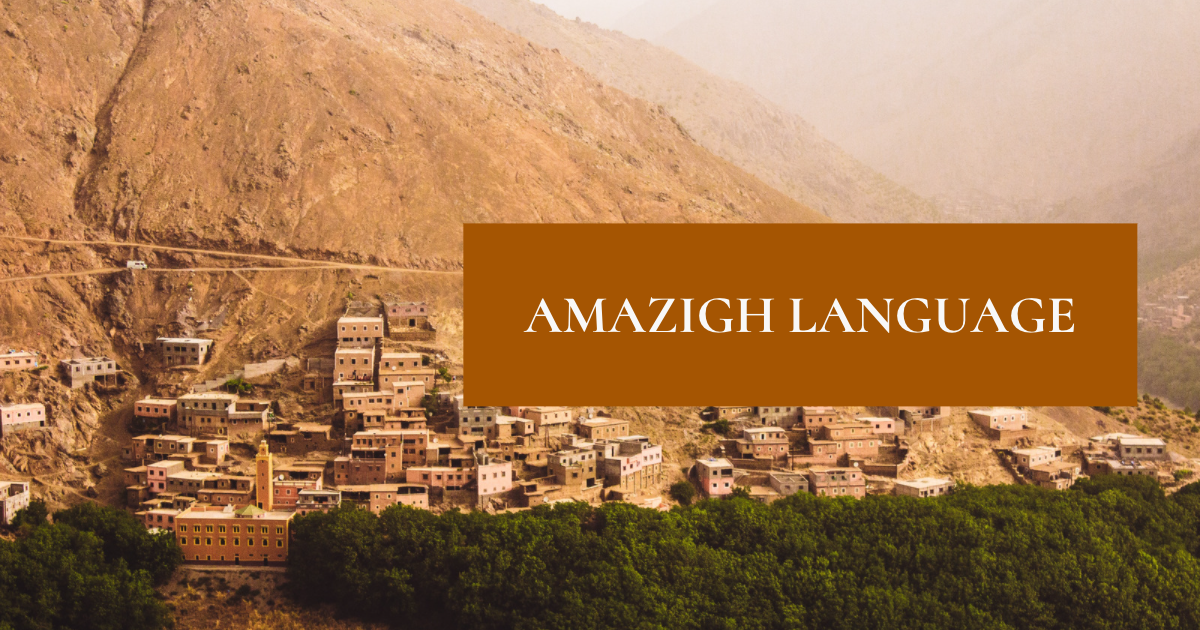
Tamazight is one of the most important expressions of Amazigh heritage in Morocco. More than a method of communication, it carries memories, traditions, oral literature, and connections between generations. Spoken across mountains, valleys, and rural communities, Amazigh languages represent a deep part of Morocco’s cultural diversity.
The Meaning of Tamazight and Amazigh Identity
The word Tamazight is used to describe the language and cultural identity associated with the Amazigh people of North Africa. The term Amazigh is preferred by many communities as a name for themselves, while the word Berber remains common in historical and international contexts.
Amazigh languages belong to the Afroasiatic language family and have existed in North Africa for thousands of years. They have been preserved mainly through oral transmission, with stories, poetry, songs, and traditional knowledge passed from one generation to another.
For many Amazigh communities, speaking Tamazight is closely connected with belonging. Language preserves local history and expresses relationships with landscapes, customs, and collective memory.
The Main Amazigh Language Varieties in Morocco

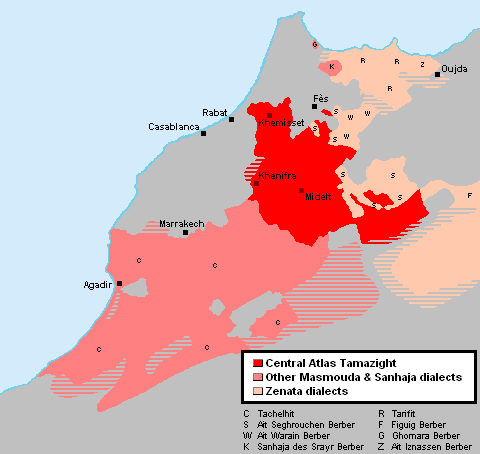
Morocco is home to several Amazigh language varieties. Although they share common origins and many similarities, each developed within different geographical and cultural environments.
Tachelhit
Tachelhit is spoken mainly in the Souss region, the High Atlas, and the Anti-Atlas. It has a rich oral tradition, especially in poetry and music, and has played an important role in preserving local stories and expressions.
Central Atlas Tamazight
Central Atlas Tamazight is spoken in parts of the Middle Atlas and surrounding areas. Communities using this variety have maintained strong traditions connected with pastoral life, agriculture, poetry, and seasonal celebrations.
Tarifit
Tarifit is spoken mainly in the Rif Mountains of northern Morocco. Like other Amazigh varieties, it contains regional vocabulary and expressions shaped by the history and environment of its speakers.
These varieties are not completely separate languages. They form part of a wider Amazigh linguistic continuum, with shared grammar and vocabulary alongside important regional differences.
Tifinagh: The Ancient Amazigh Writing System
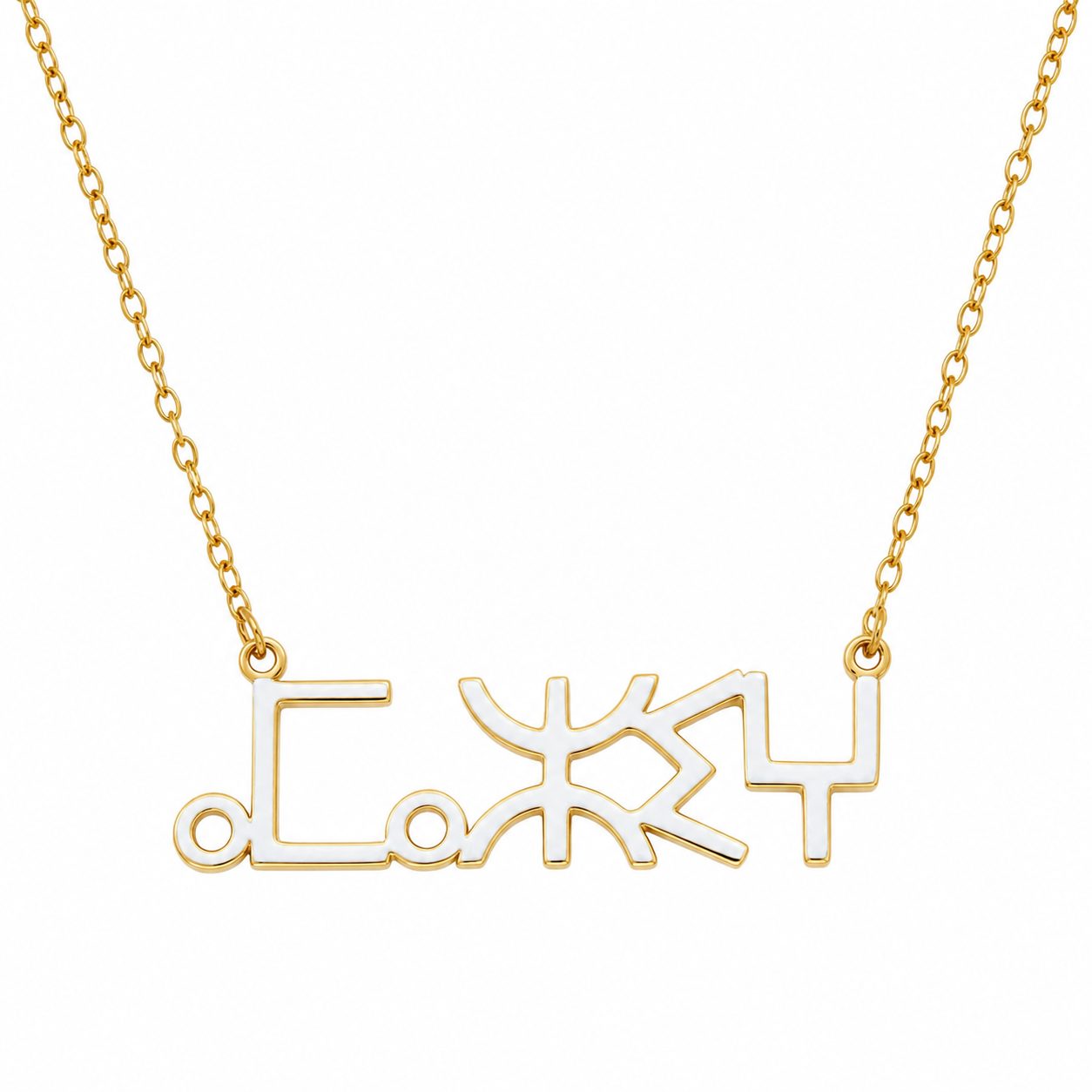
Tifinagh is the writing system associated with Amazigh languages and has become one of the strongest symbols of Amazigh cultural identity. Its geometric appearance connects modern writing with a long history of North African inscriptions.
The modern standardized form of Tifinagh is used for writing Tamazight in Morocco. It appears in educational materials, cultural projects, and public spaces, helping increase the visibility of Amazigh language and heritage.
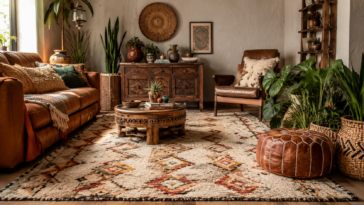
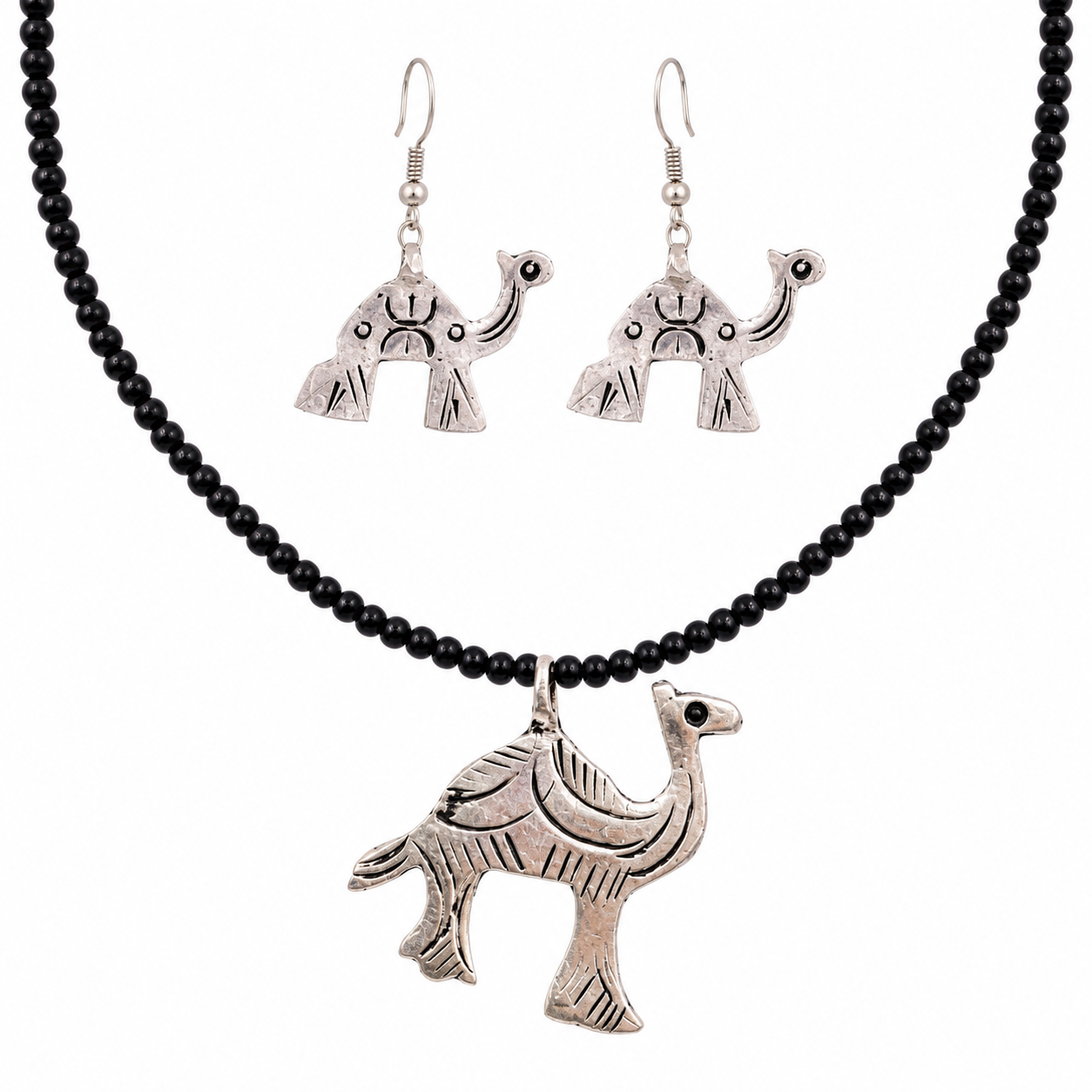
The shapes of Tifinagh letters are also recognizable in Amazigh artistic traditions. Similar geometric forms appear in some carpets, jewelry designs, and decorative arts, creating connections between language and visual culture.
From Oral Tradition to Official Recognition

For centuries, Amazigh languages were mainly transmitted through speech rather than formal institutions. Families and communities preserved vocabulary, stories, songs, and traditional knowledge through everyday communication.
The recognition of Amazigh as an official language in Morocco marked an important stage in the public presence of Tamazight. Efforts to develop education, media content, and written resources have supported its continued development.
Standardization has also created challenges because spoken varieties differ between regions. A written form designed to represent different communities must balance shared linguistic features with local diversity.
Tamazight and Amazigh Cultural Expression
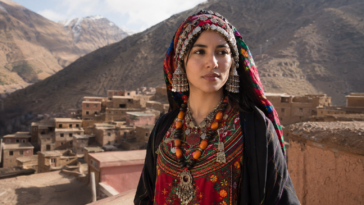
Language is deeply connected with other forms of Amazigh culture. Traditional songs, poetry, storytelling, and celebrations depend on language to transmit ideas and emotions.
Amazigh poetry has historically served as a way to discuss social issues, celebrate love, preserve history, and share wisdom. Musical traditions use language to maintain connections with ancestors and local identities.
Crafts and visual arts also interact with language. Names of patterns, symbols, and traditional objects often carry meanings that are best understood through Amazigh vocabulary and cultural knowledge.
The Role of Tamazight in Modern Morocco
Today, Tamazight continues to develop within contemporary Moroccan society. It appears in education, cultural activities, media, literature, and creative projects.
Young Amazigh speakers increasingly combine traditional language with modern communication tools, including digital platforms and social media. This allows the language to reach new audiences while adapting to changing forms of expression.
The future of Tamazight depends on continued transmission between generations. Families, schools, artists, and cultural organizations all contribute to keeping the language active and meaningful.
Why Preserving Amazigh Languages Matters
Languages contain more than words. They preserve ways of understanding the world, relationships with nature, historical memories, and unique cultural perspectives.
Protecting Amazigh languages does not mean rejecting other languages spoken in Morocco. Instead, it reflects the value of maintaining the country’s linguistic diversity and recognizing the contributions of different communities.
Tamazight remains a living language because people continue to speak it, teach it, create with it, and connect it with everyday life.
The Role of Oral Literature in Preserving Tamazight
Before widespread written use of Amazigh languages, oral literature served as a living archive for communities. Stories, poems, proverbs, and songs preserved knowledge about history, social values, relationships, and the natural environment.
Poetry has held a particularly important place in many Amazigh-speaking regions. Poets used language to comment on community life, celebrate important occasions, express emotions, and remember events that shaped local history.
Because oral traditions depend on performance, the meaning of Tamazight is not limited to vocabulary alone. Rhythm, pronunciation, storytelling style, and the relationship between speaker and audience are all part of the cultural experience.
Tamazight and the Geography of Morocco
The diversity of Amazigh languages reflects the diversity of Morocco’s landscapes. Mountains, valleys, forests, and desert regions influenced the development of local expressions and vocabulary.
Communities living in different environments developed words connected with their surroundings, including terms related to agriculture, livestock, weather, plants, and traditional practices. This connection between language and landscape provides valuable insight into how people interacted with their environment.
Language and Local Knowledge
Amazigh vocabulary contains generations of practical knowledge. Terms related to farming methods, seasonal changes, traditional architecture, and natural resources demonstrate how language can preserve environmental understanding.
When a language disappears, communities may lose not only words but also unique ways of describing and interpreting the world around them.
The Challenges of Language Preservation
Like many minority and Indigenous languages around the world, Amazigh languages have faced challenges related to education, public use, and changing social conditions.
For long periods, many Amazigh speakers transmitted their language mainly within families and communities, while official institutions often gave greater importance to other languages. This affected the visibility of Amazigh languages in written communication and public life.
Modern preservation efforts focus on documentation, education, publishing, and creating new spaces where Tamazight can be used naturally by younger generations.
Learning Tamazight as a Bridge Between Cultures
Studying Tamazight offers more than learning a communication system. It provides access to Amazigh literature, traditions, history, and everyday expressions that are closely connected with Moroccan cultural life.
For visitors and researchers, learning basic Amazigh words can also create stronger connections with local communities. Language often opens a path toward understanding customs, humor, and cultural perspectives that may not be visible through translation alone.
As interest in Amazigh culture grows internationally, Tamazight continues to serve as a bridge between Morocco’s heritage and global audiences.
The Future of Tamazight in the Digital Age
Digital technology has created new opportunities for Amazigh language development. Online resources, digital publications, educational platforms, and social media allow speakers to share content beyond traditional geographic boundaries.
Young creators use Tamazight in music, videos, literature, and online discussions, showing that the language can adapt to modern forms of communication while maintaining its historical foundations.
The continued growth of Tamazight depends on balancing preservation with innovation. A living language survives when it remains useful, creative, and connected to the daily experiences of its speakers.
Conclusion
Tamazight represents a remarkable linguistic heritage that connects Morocco’s past with its present. Through its dialects, Tifinagh writing system, oral traditions, and modern development, the Amazigh language continues to express identity, creativity, and cultural continuity.


 No products in the cart.
Comments (21)