


Morocco’s Amazigh heritage is deeply connected to the country’s mountains, valleys, oases, and desert landscapes. The Amazigh people, also known as Imazighen, have maintained rich cultural traditions through language, craftsmanship, music, agriculture, and community life across North Africa.
The Amazigh People and Their Cultural Identity
The Amazigh are among North Africa’s oldest cultural communities. In Morocco, Amazigh groups live across several regions, including the Rif Mountains, the Middle Atlas, the High Atlas, the Anti-Atlas, and southern oasis areas.
Amazigh identity is expressed through language, family traditions, artistic practices, and relationships with ancestral territories. Different communities have developed their own customs and dialects while sharing important cultural connections.
The name Amazigh is increasingly used by communities and institutions as a preferred expression of identity. The plural form Imazighen refers to the wider Amazigh peoples of North Africa.
Mountain Landscapes and Traditional Amazigh Life
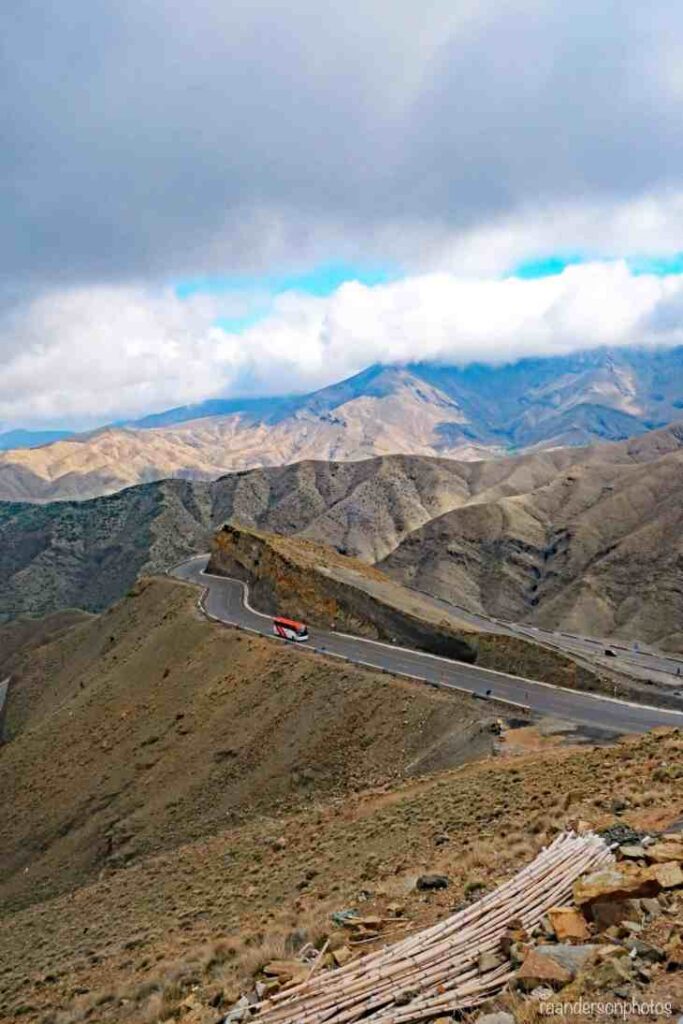
The Atlas Mountains have played a central role in the history of many Moroccan Amazigh communities. These regions require deep knowledge of agriculture, water management, seasonal changes, and adaptation to difficult environments.
Traditional villages often reflect local resources and climate conditions. Homes built from earth, stone, and other natural materials helped communities adapt to mountain temperatures while creating spaces suited for family life.
Many rural Amazigh communities historically combined farming, livestock raising, and craftsmanship. Although modern infrastructure and economic changes have transformed daily life, connections to the land remain important.
Ancient Routes, Oases, and Desert Connections
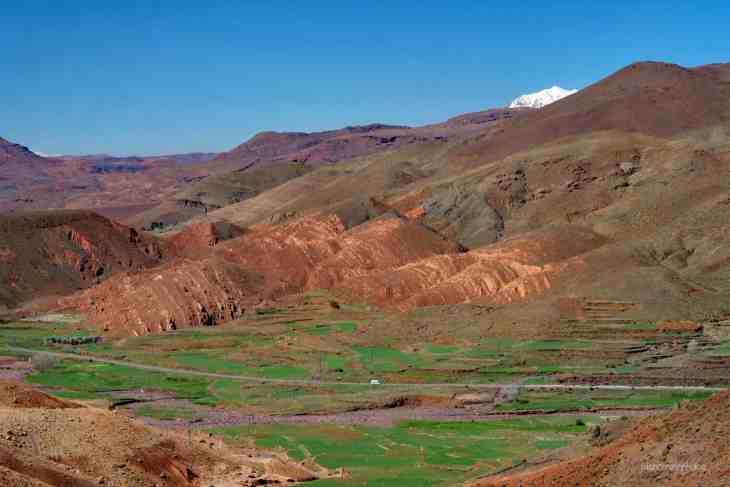
Southern Morocco’s valleys and oases have long connected different parts of North Africa. Amazigh communities played important roles in regional trade networks that linked Mediterranean areas with Saharan regions.
Oases provided essential resources in dry environments. Water systems, agriculture, and palm groves allowed communities to develop settlements in areas where survival depended on careful management of natural resources.
Places such as the Draa Valley, Tinghir area, and regions near the Sahara demonstrate how Amazigh communities adapted their lifestyles to diverse landscapes.
Amazigh Architecture and Traditional Villages
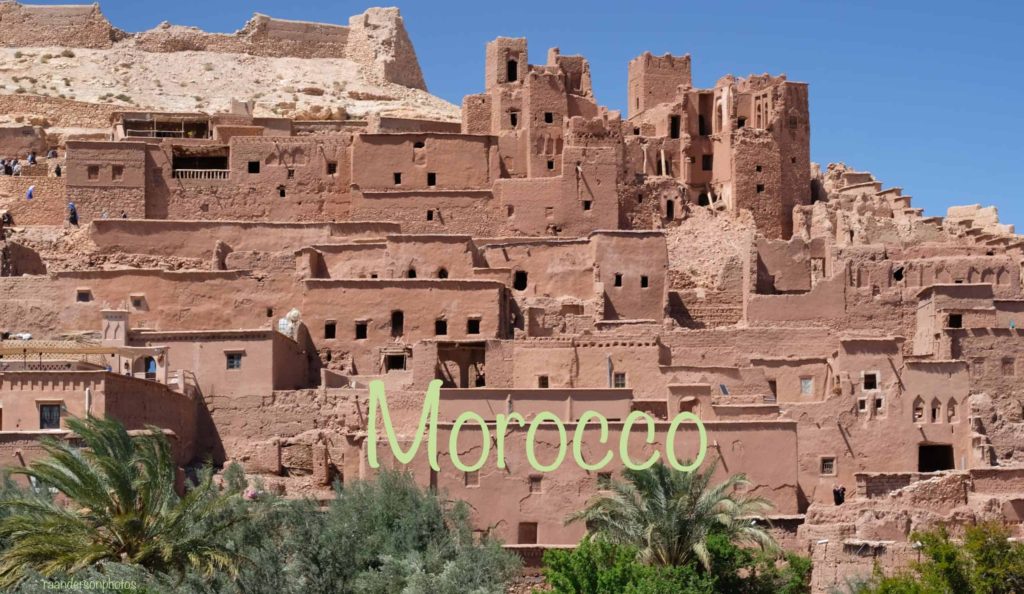
Amazigh architecture reflects both practical needs and artistic expression. Fortified villages, known in Amazigh as ighrem, and kasbah-style structures were designed for protection, storage, and community organization.
Buildings made from earth materials require regular maintenance because they are affected by rain, wind, and temperature changes. Their continued preservation provides insight into historical ways of living in Morocco.
Historic villages such as Aït Ben Haddou demonstrate the importance of earthen architecture in southern Morocco and show how traditional building techniques remain part of the country’s heritage.
Amazigh Language, Music, and Artistic Traditions
Language is one of the strongest elements of Amazigh cultural continuity. Tamazight includes several regional varieties spoken in Morocco, including Tarifit, Central Atlas Tamazight, and Tashelhit.
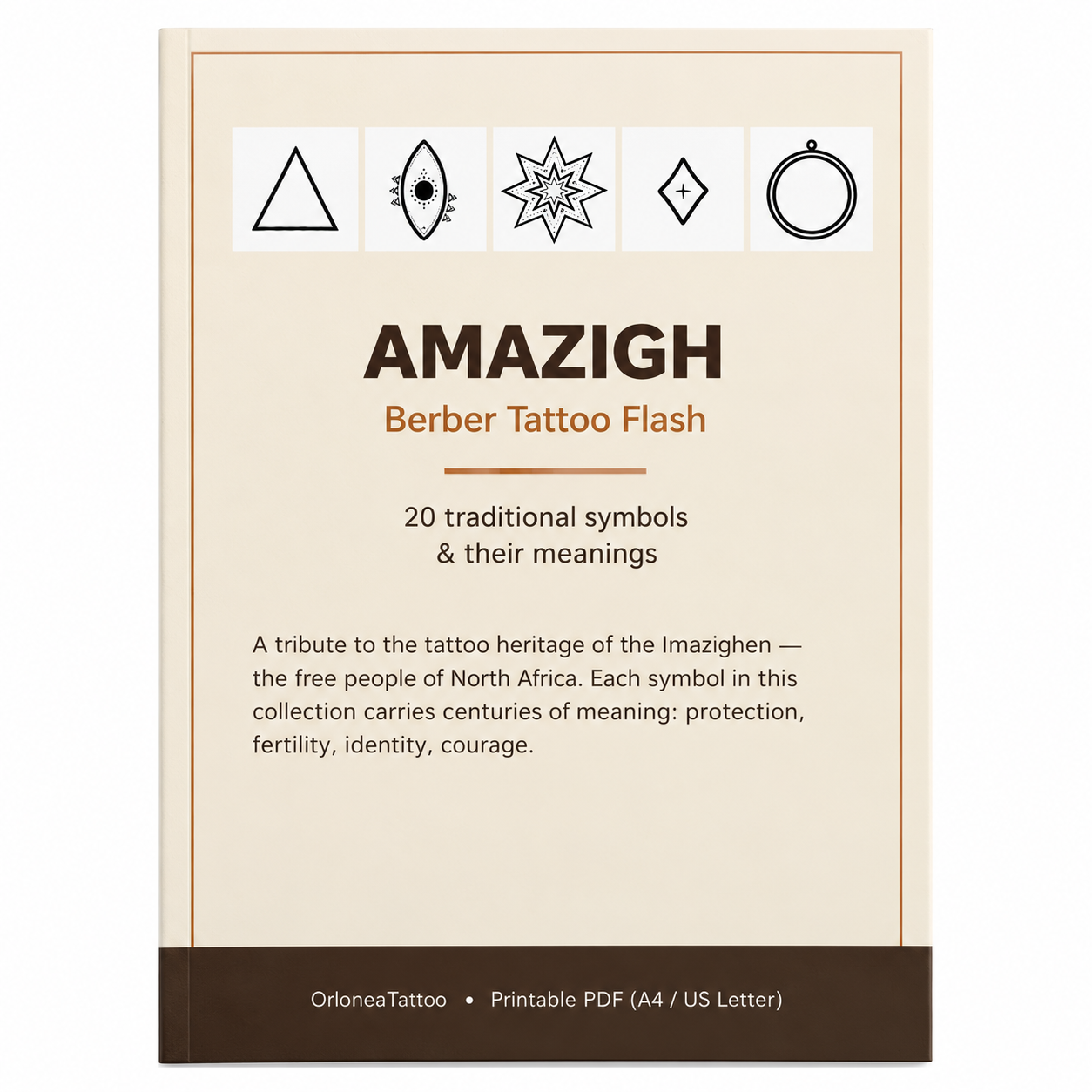
The Tifinagh writing system is an important symbol of Amazigh heritage. It represents historical connections to ancient writing traditions and is used today in cultural and educational contexts.
Music is another important form of cultural expression. Traditional instruments, songs, and performances preserve stories, celebrations, and community memories.
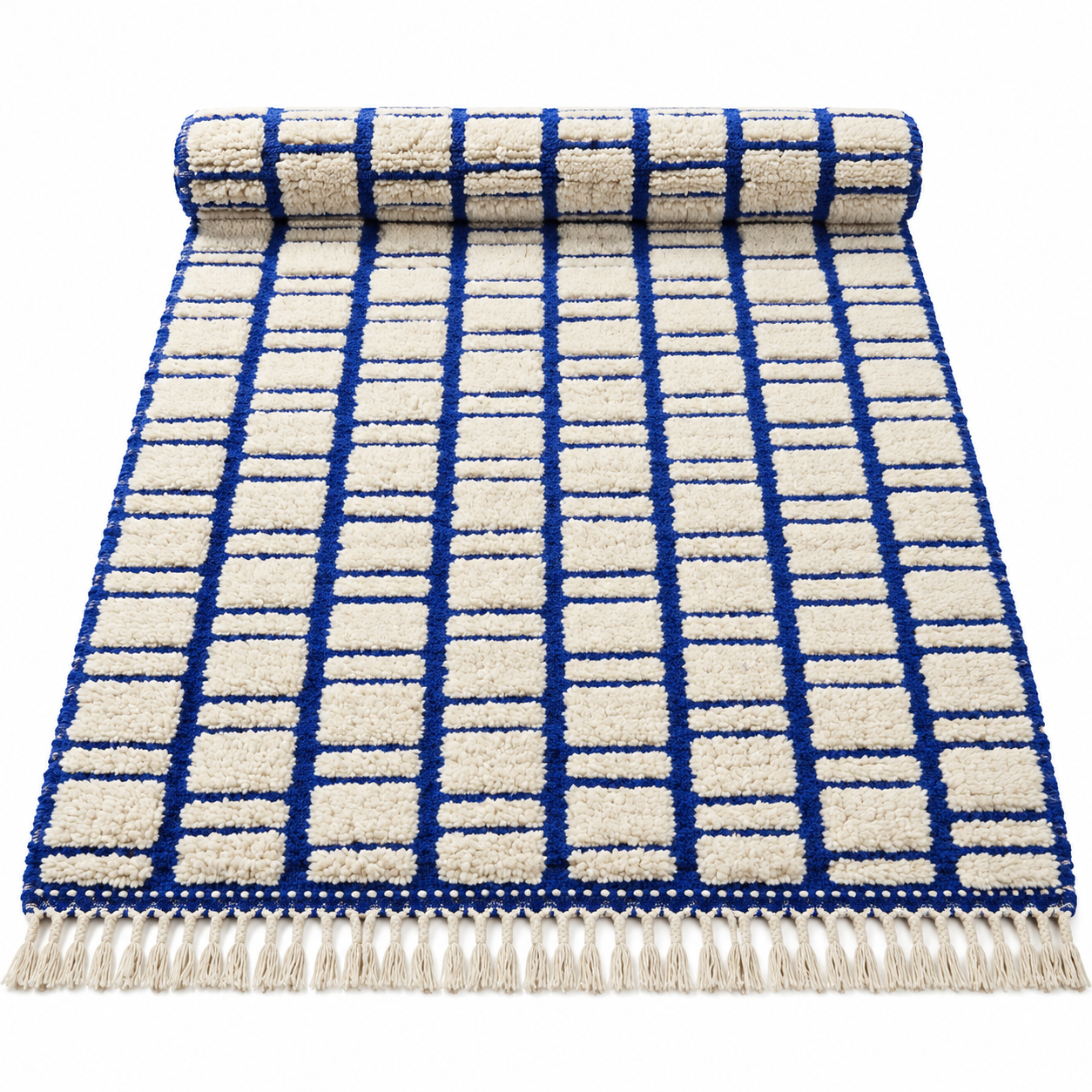
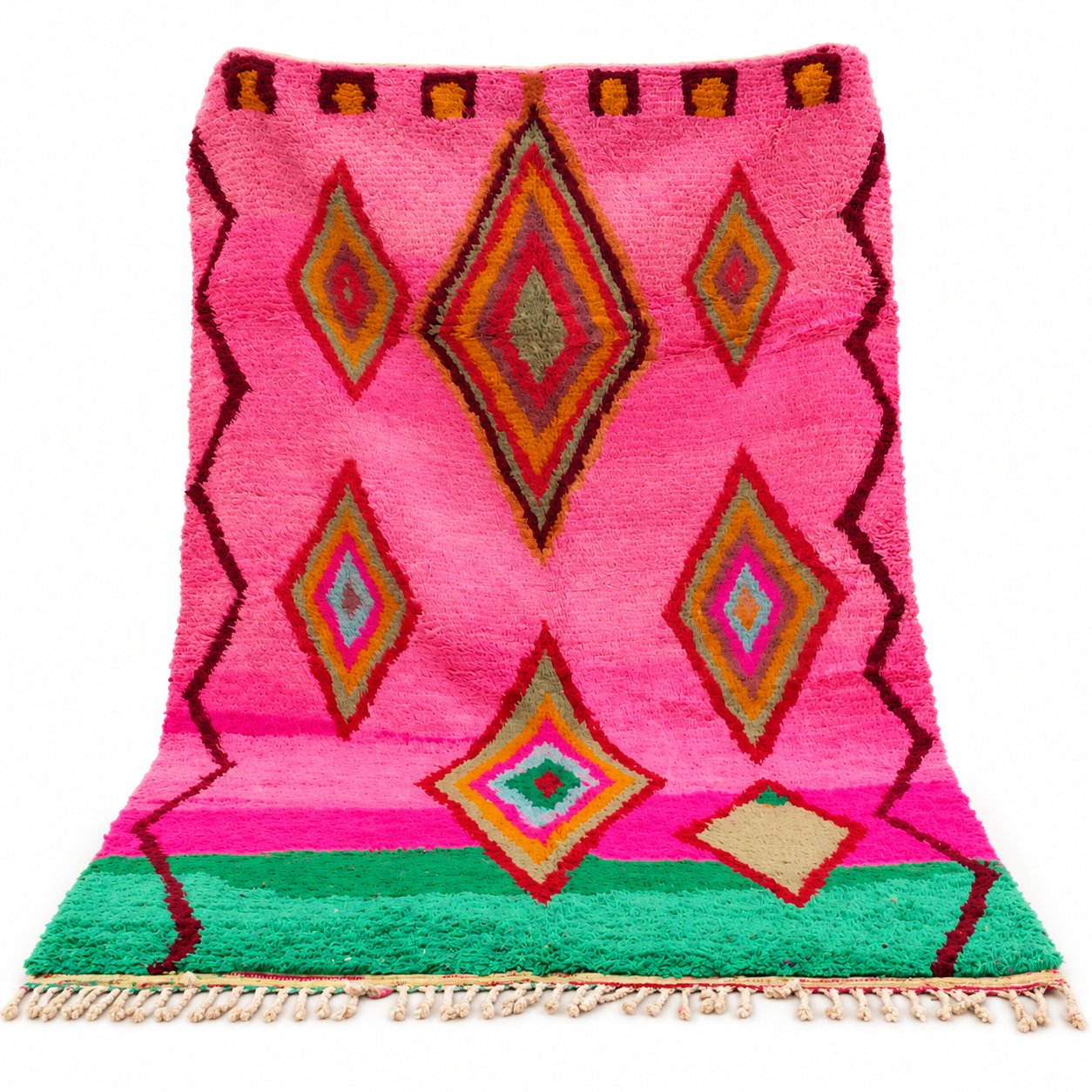
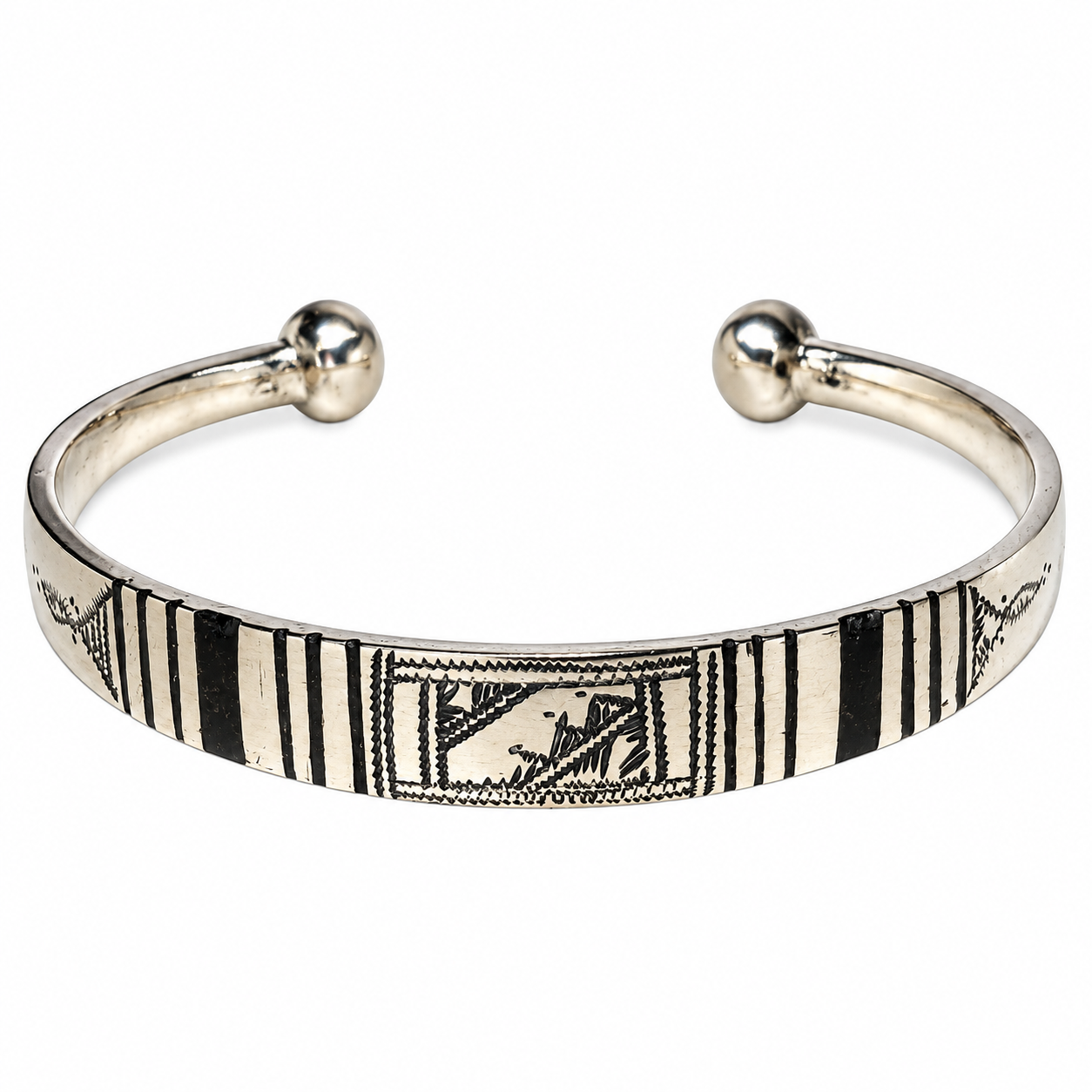
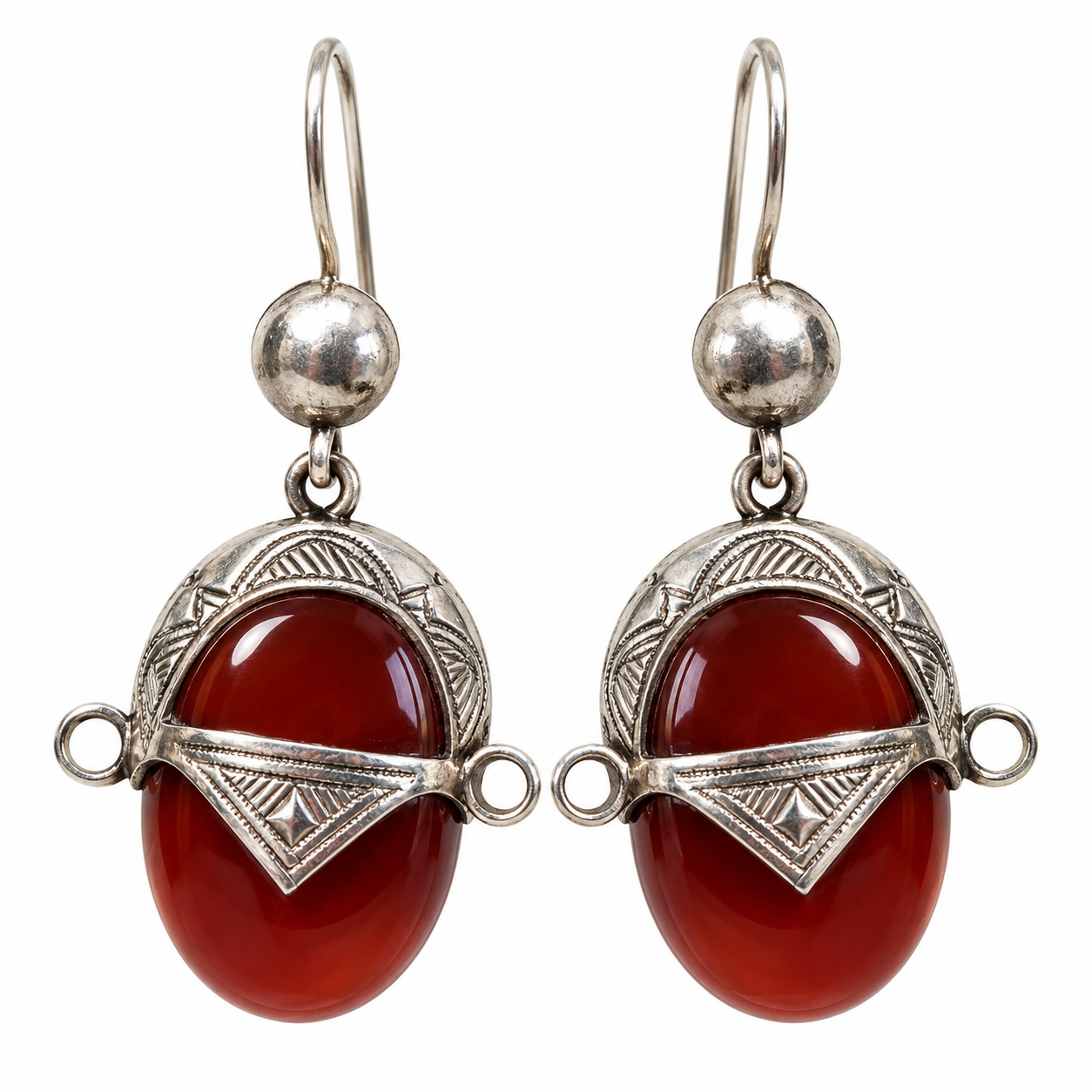
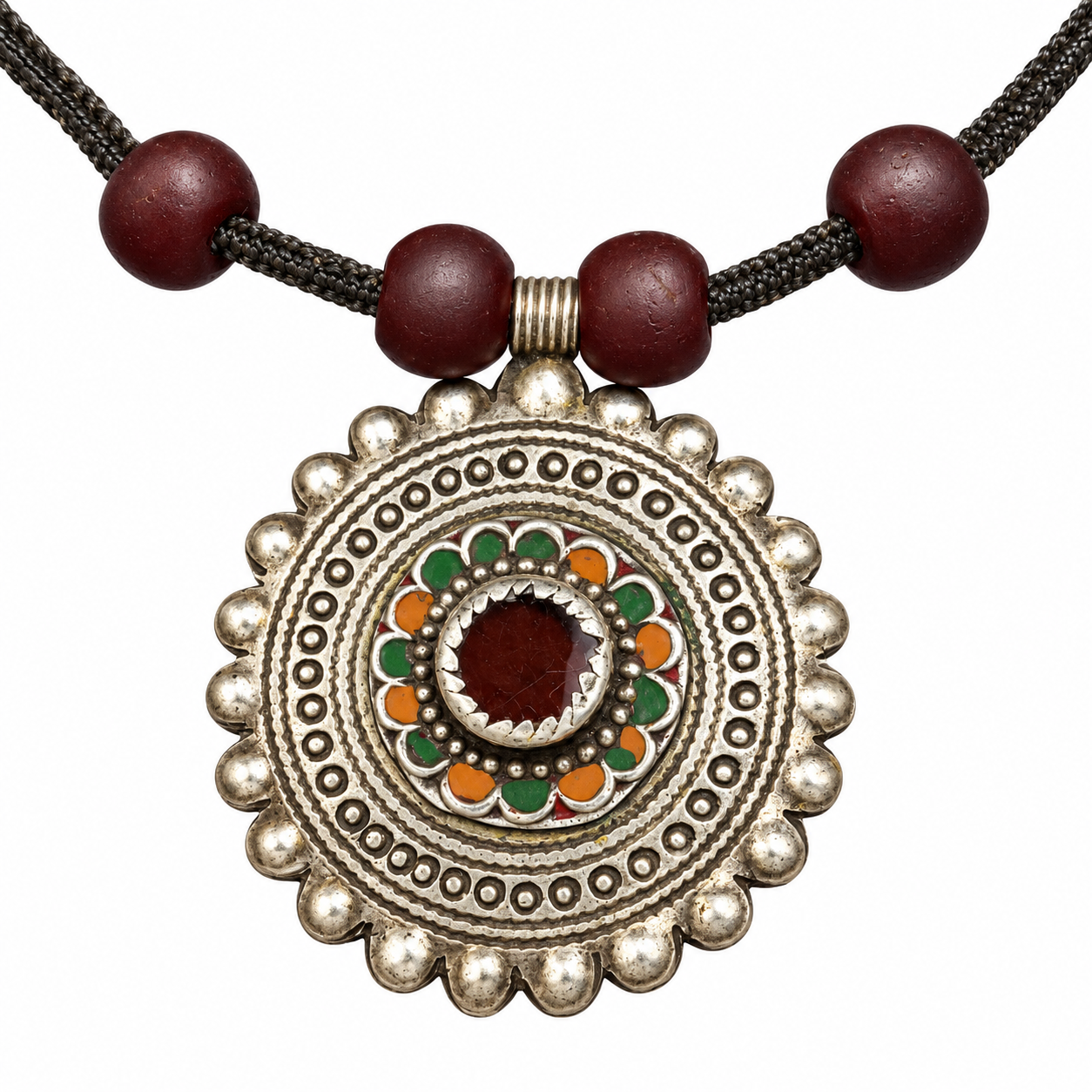
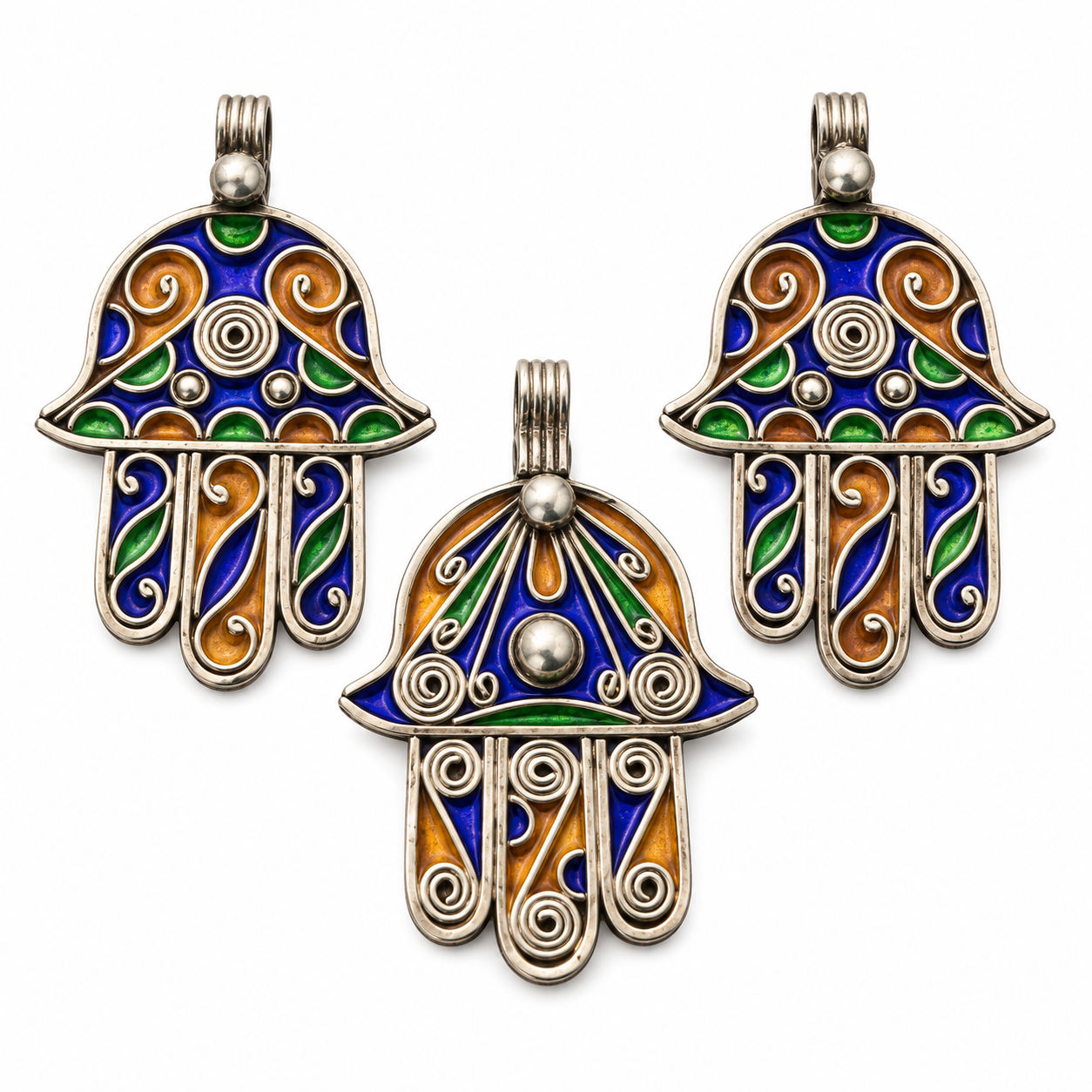
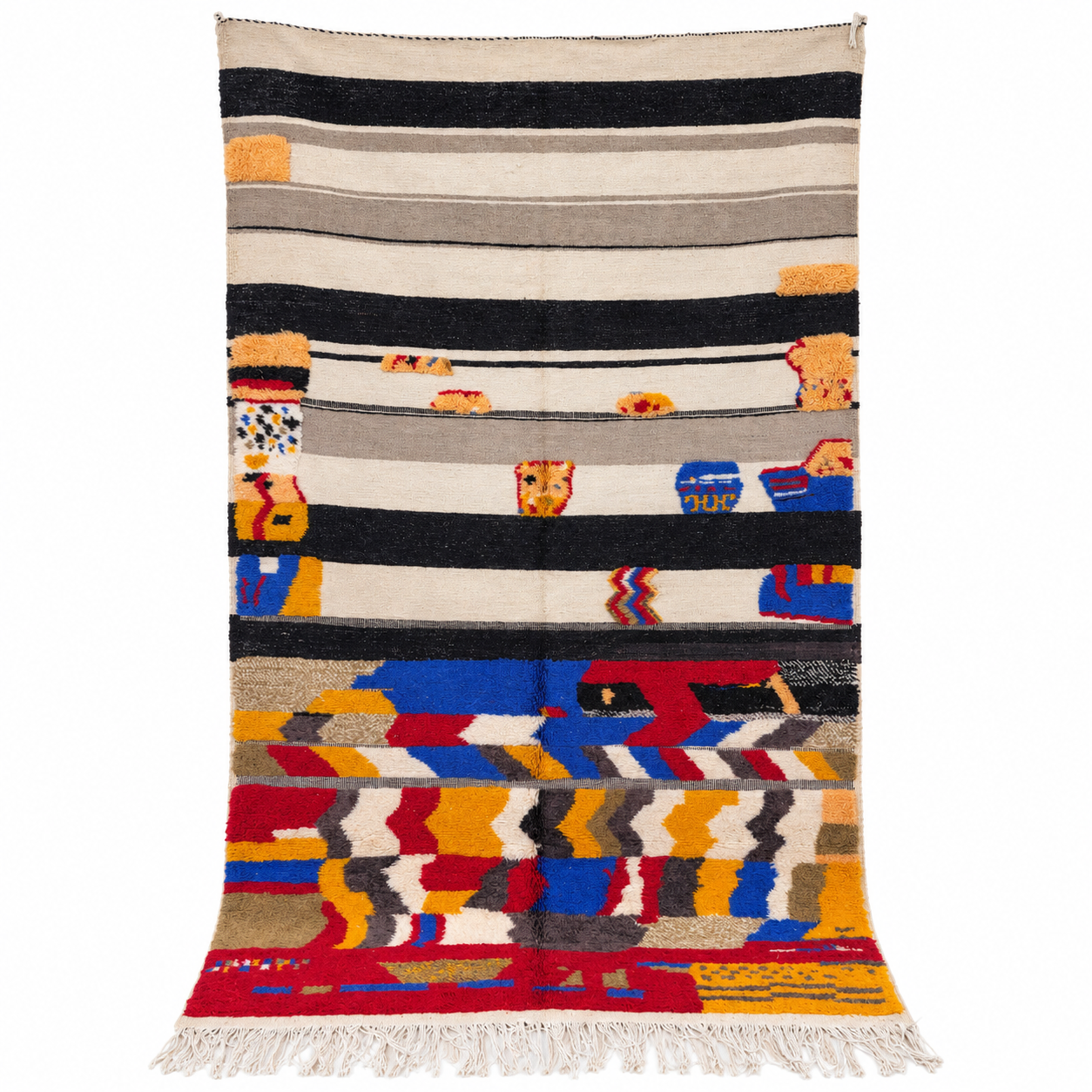
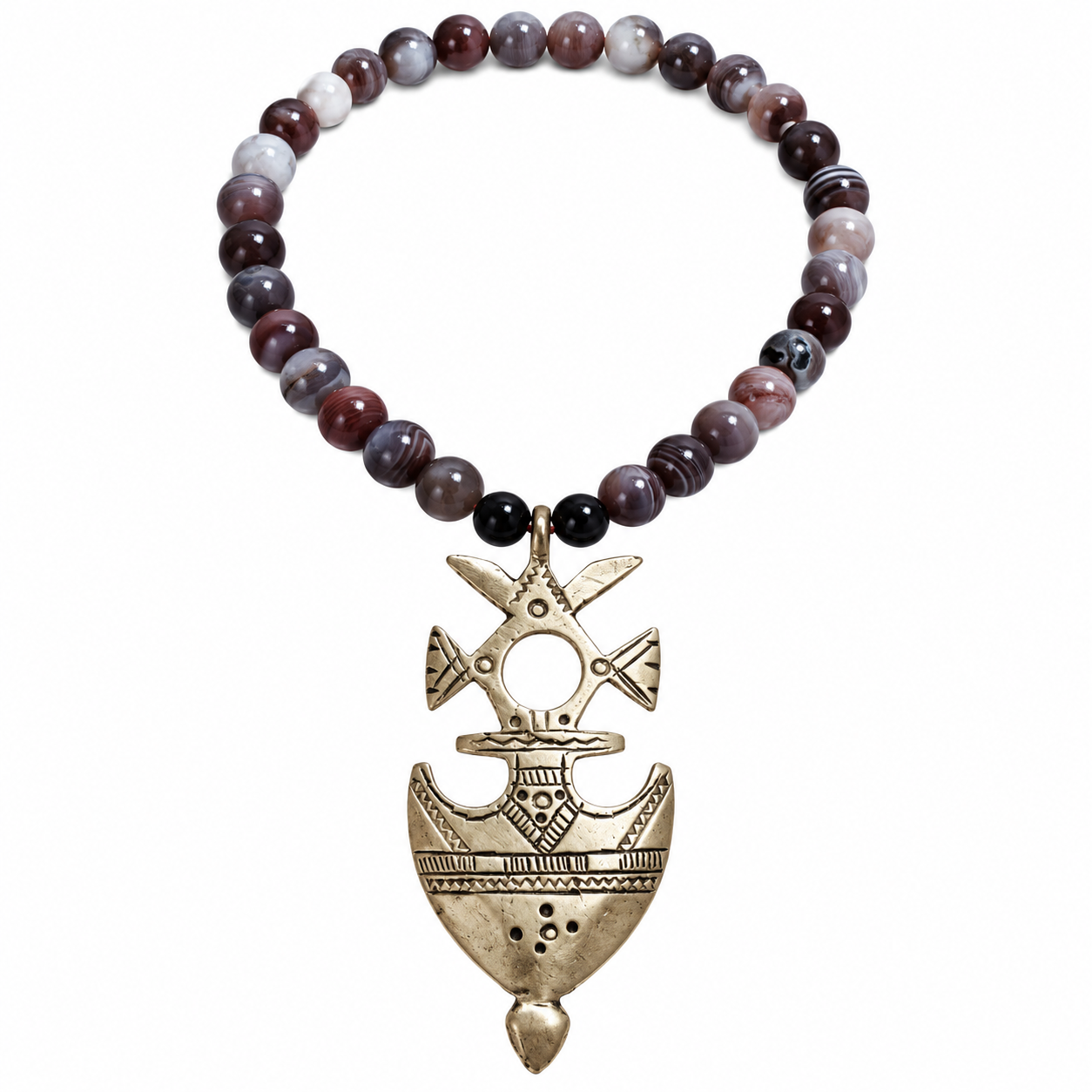
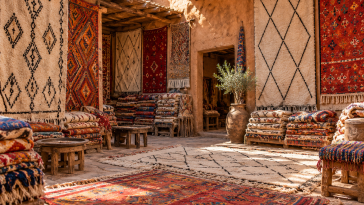
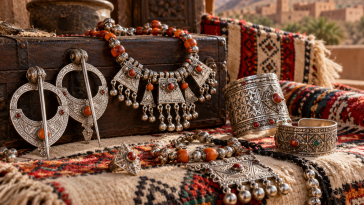
Amazigh crafts are also internationally recognized. Carpets, pottery, embroidery, and silver jewelry combine practical uses with artistic designs that often carry regional meanings.
Women’s Role in Preserving Amazigh Heritage
Amazigh women have historically played an important role in maintaining cultural knowledge. Through weaving, food preparation, language transmission, and family traditions, they have contributed to preserving heritage between generations.
Traditional textile production remains one of the most visible examples of this contribution. Handmade carpets and fabrics often reflect local artistic styles and techniques passed down through families.
Women’s cooperatives in Morocco have also helped connect traditional skills with modern economic opportunities, including projects related to crafts and agricultural products.
Experiencing Amazigh Heritage in Morocco
Visitors interested in Amazigh culture can explore mountain villages, local markets, museums, and rural landscapes throughout Morocco. Cultural experiences often include traditional food, crafts, music, and encounters with local communities.
Responsible cultural tourism can help support heritage preservation when it respects local communities and recognizes traditions as living practices rather than museum displays.
Amazigh Social Organization and Community Values
Community relationships have traditionally been a central part of Amazigh life. In many regions, cooperation between families and neighbors helped communities manage agriculture, seasonal work, celebrations, and important social events.
Traditional forms of collective assistance supported activities such as harvesting, building, and preparing for community gatherings. These practices reflected the importance of solidarity and shared responsibility within many Amazigh societies.
The Importance of Oral Knowledge
Before widespread modern education, oral transmission was one of the main ways Amazigh communities preserved knowledge. Elders played an important role in sharing stories, poetry, songs, historical memories, and practical information about the environment.
Oral traditions were not only forms of entertainment. They also carried moral lessons, community values, and knowledge about agriculture, seasons, and relationships between people and their surroundings.
Amazigh Celebrations, Clothing, and Identity
Traditional celebrations provide another important expression of Amazigh heritage. Weddings, seasonal festivals, and community gatherings often include music, dance, traditional clothing, and shared meals.
Clothing styles vary between regions and communities. The garments worn in the Rif Mountains, Atlas regions, and southern Morocco may differ in materials, colors, and decorative patterns, reflecting local histories and environments.
Traditional clothing and jewelry can communicate regional identity and social meanings. Silver ornaments, embroidered fabrics, and decorative elements are often connected to important occasions and family traditions.
Music as a Living Cultural Expression
Amazigh music continues to evolve while maintaining connections to older traditions. Different regions have developed their own musical styles, instruments, and performance practices.
Music is often connected to celebrations, storytelling, and collective experiences. Instruments such as drums and traditional string instruments accompany songs that preserve memories, emotions, and cultural themes.
The Role of Amazigh Heritage in Modern Morocco
Modern Morocco includes many different cultural influences, and Amazigh heritage forms an important part of this diversity. Recognition of Amazigh language and culture has encouraged greater visibility in education, media, and public institutions.
The development of Amazigh cultural organizations, artistic projects, and educational initiatives has created new ways for younger generations to engage with their heritage.
Contemporary Amazigh artists, musicians, writers, and designers often combine traditional elements with modern approaches. This allows cultural expressions to continue changing while maintaining connections to historical roots.
Traditional Knowledge and Environmental Adaptation
Amazigh communities have developed extensive knowledge of local environments. In mountain and desert regions, understanding water sources, plants, farming methods, and seasonal cycles was essential for daily life.
Traditional agricultural practices demonstrate how communities adapted to different landscapes. Terraced farming, irrigation methods, and crop choices were shaped by local conditions and available resources.
This environmental knowledge remains valuable today as communities and researchers continue exploring sustainable relationships between people and nature.
Preserving Amazigh Heritage for Future Generations
Preserving Amazigh heritage involves protecting both physical and intangible traditions. Historic buildings, crafts, languages, music, and oral knowledge all contribute to a broader understanding of Morocco’s cultural history.
Heritage preservation does not require traditions to remain unchanged. Living cultures naturally adapt as communities respond to economic, social, and technological developments.
Young Amazigh generations continue to participate in cultural preservation through education, creative projects, digital platforms, and renewed interest in traditional practices. These efforts help ensure that Amazigh heritage remains an active part of Morocco’s future.
Conclusion
Amazigh heritage represents a vital part of Morocco’s cultural identity. Through language, architecture, crafts, music, and relationships with the land, Amazigh communities continue to preserve and develop traditions that have shaped North Africa for centuries.
 No products in the cart.
Comments (6)