

Amazigh culture is one of the essential foundations of Morocco’s heritage, shaped by centuries of connection between communities, landscapes, and traditions. Often known internationally as Berber culture, Amazigh identity is expressed through language, art, architecture, agriculture, music, and social values that continue to evolve in modern Morocco.
Understanding the Amazigh Identity of Morocco
The Amazigh, or Imazighen in plural, are Indigenous North African communities with a long historical presence across Morocco and other parts of the Maghreb. The name Amazigh is widely preferred because it reflects the community’s own identity, while the term Berber remains common in international writing and travel discussions.
Amazigh communities are diverse, with different regional languages, customs, clothing styles, and artistic traditions. The Rif Mountains, Middle Atlas, High Atlas, Anti-Atlas, and southern oasis regions each developed distinctive expressions of Amazigh heritage.
Despite regional differences, many communities share important values including respect for family connections, cooperation, attachment to ancestral lands, and preservation of oral traditions.
The Three Major Amazigh Language Regions in Morocco
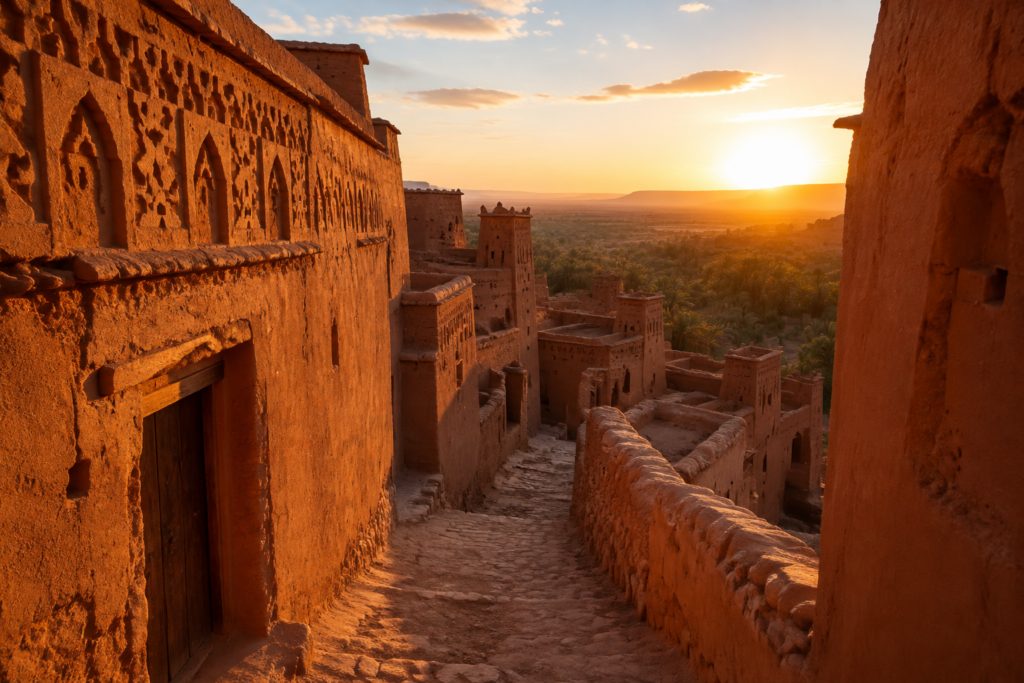
Language remains one of the strongest expressions of Amazigh identity. Tamazight refers to a family of related Amazigh languages spoken in different parts of Morocco.
In northern Morocco, many communities speak Tarifit, associated with the Rif Mountains. Central Atlas Tamazight is spoken in parts of the Middle Atlas and surrounding mountain areas, while Tashelhit is widely used in the Souss Valley, western High Atlas, Anti-Atlas, and southern regions.
The Tifinagh writing system has become a visible symbol of Amazigh heritage. Today, modern Tifinagh appears in educational materials, cultural contexts, and official signage, representing a connection between ancient writing traditions and contemporary identity.
Amazigh Communities and Mountain Life
For many Amazigh communities, geography has played a major role in shaping daily life. Mountain environments require careful management of agriculture, water, and natural resources.
Traditional villages often reflect adaptation to their surroundings. Homes built from earth, stone, and wood provide protection from changing temperatures, while village layouts encourage cooperation between families and neighbors.
Agriculture remains an important part of rural life. Terraced fields, irrigation channels, and seasonal farming practices demonstrate generations of knowledge about living in challenging environments.
Amazigh Hospitality and Social Values
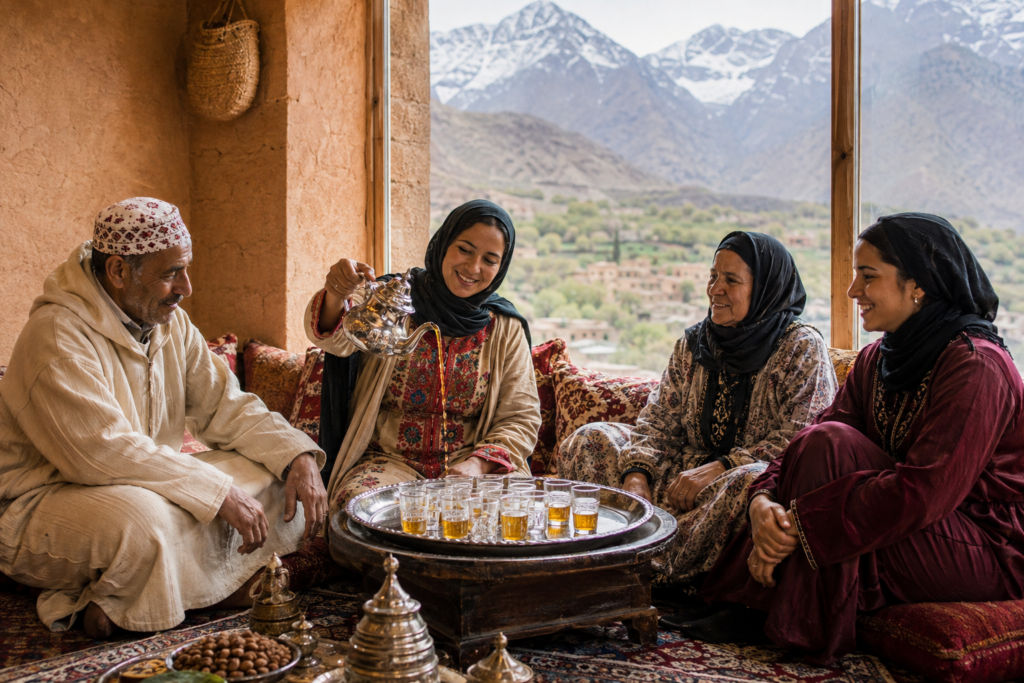
Hospitality is a central value in many Amazigh communities. Welcoming guests, sharing meals, and serving mint tea are important expressions of generosity and respect.
Visitors invited into an Amazigh home may experience traditions based around family interaction and communal meals. Food is often shared, conversations continue around tea, and guests are treated with consideration.
Respectful visitors can strengthen cultural exchanges by learning basic greetings, showing interest in local traditions, and understanding that communities are living societies rather than cultural displays.
Traditional Arts: Carpets, Jewelry, and Craftsmanship
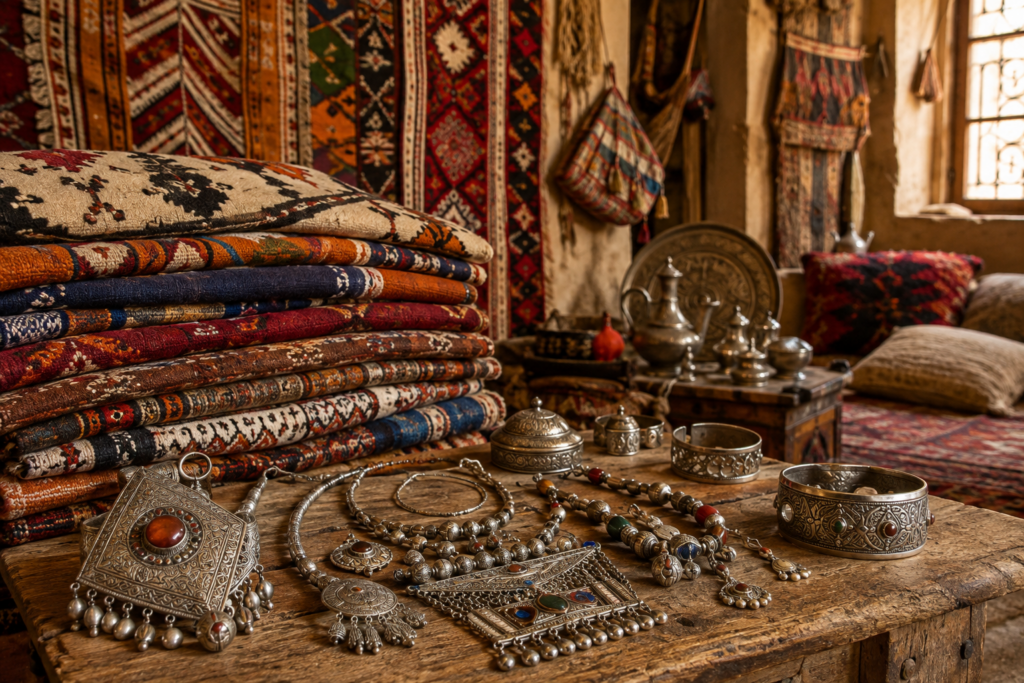
Amazigh crafts represent some of Morocco’s most recognized artistic traditions. Handmade objects often combine practical uses with symbolic designs connected to regional identity.
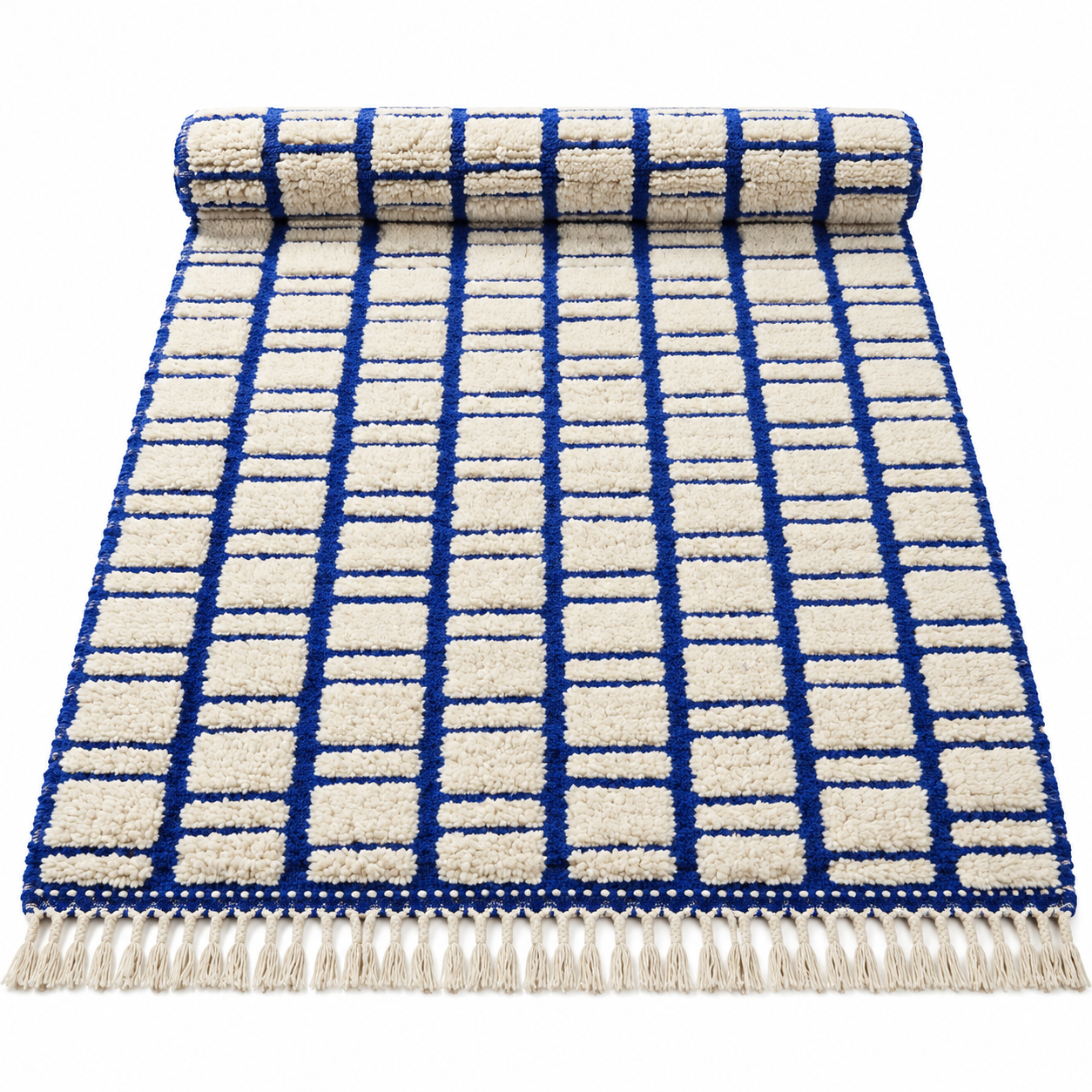
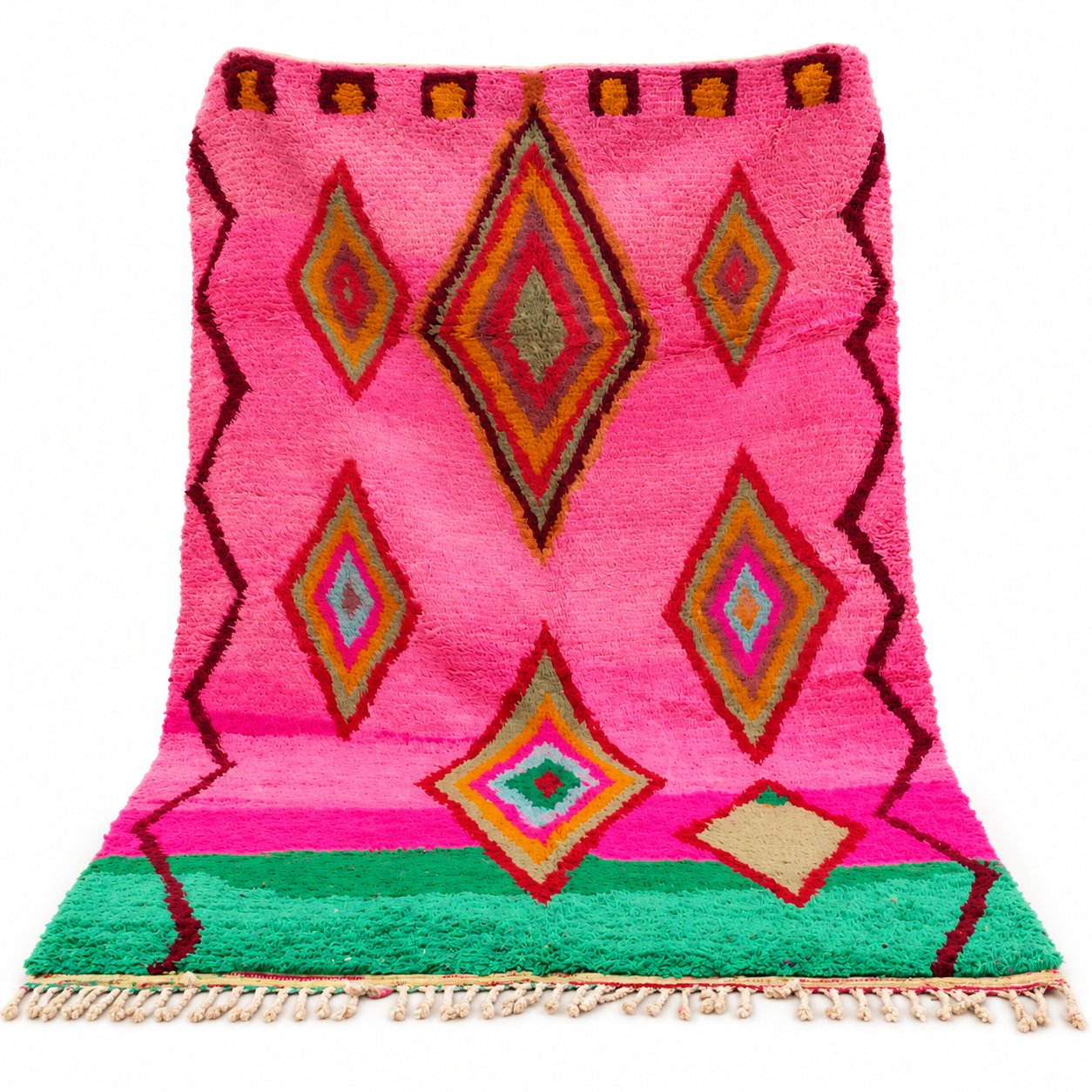
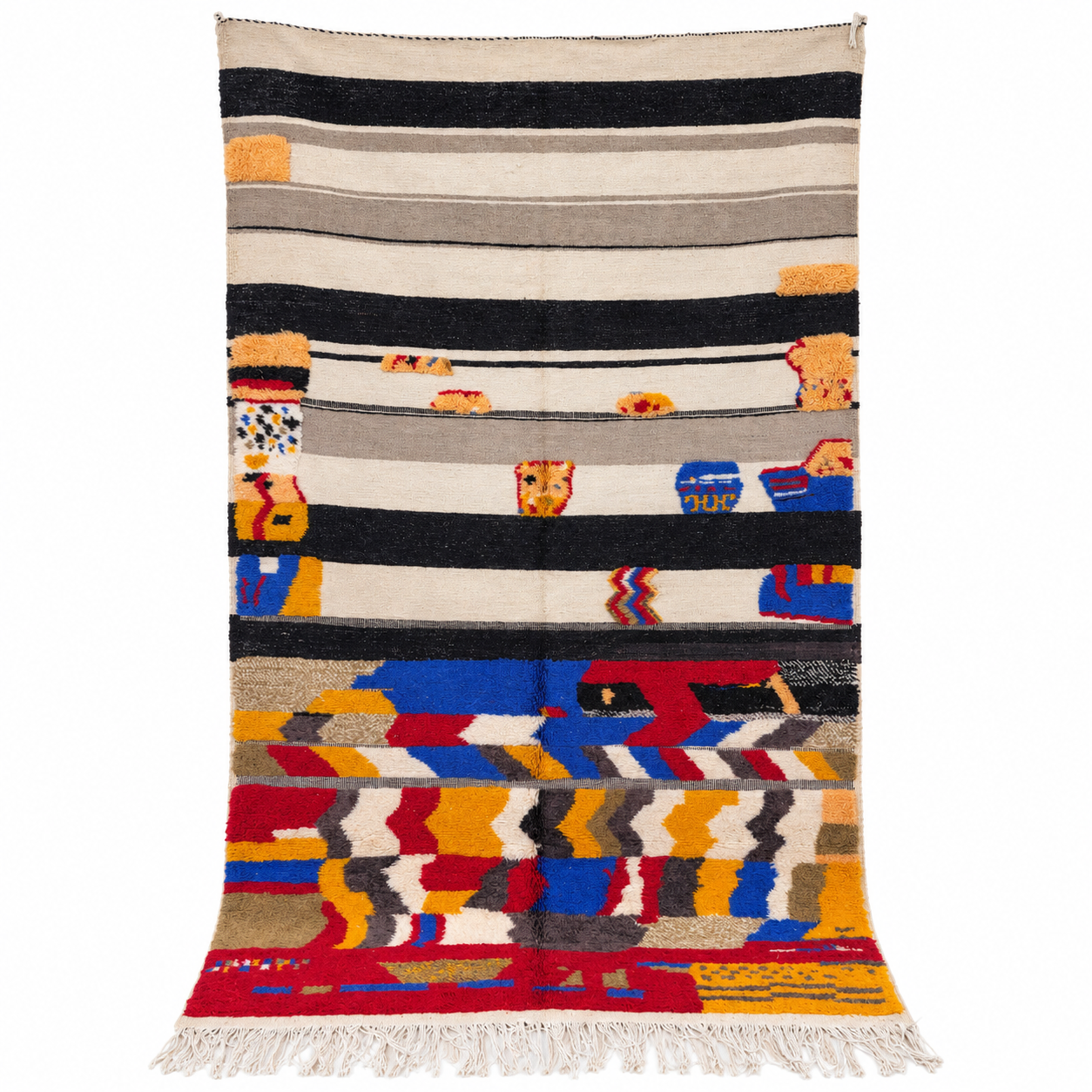
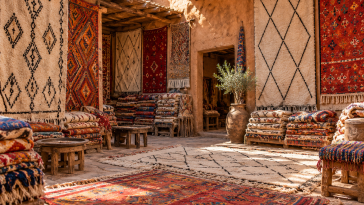
Carpet weaving is especially important. Many Amazigh carpets are created by women using techniques passed between generations. Patterns, colors, and materials vary between regions, reflecting different artistic histories.
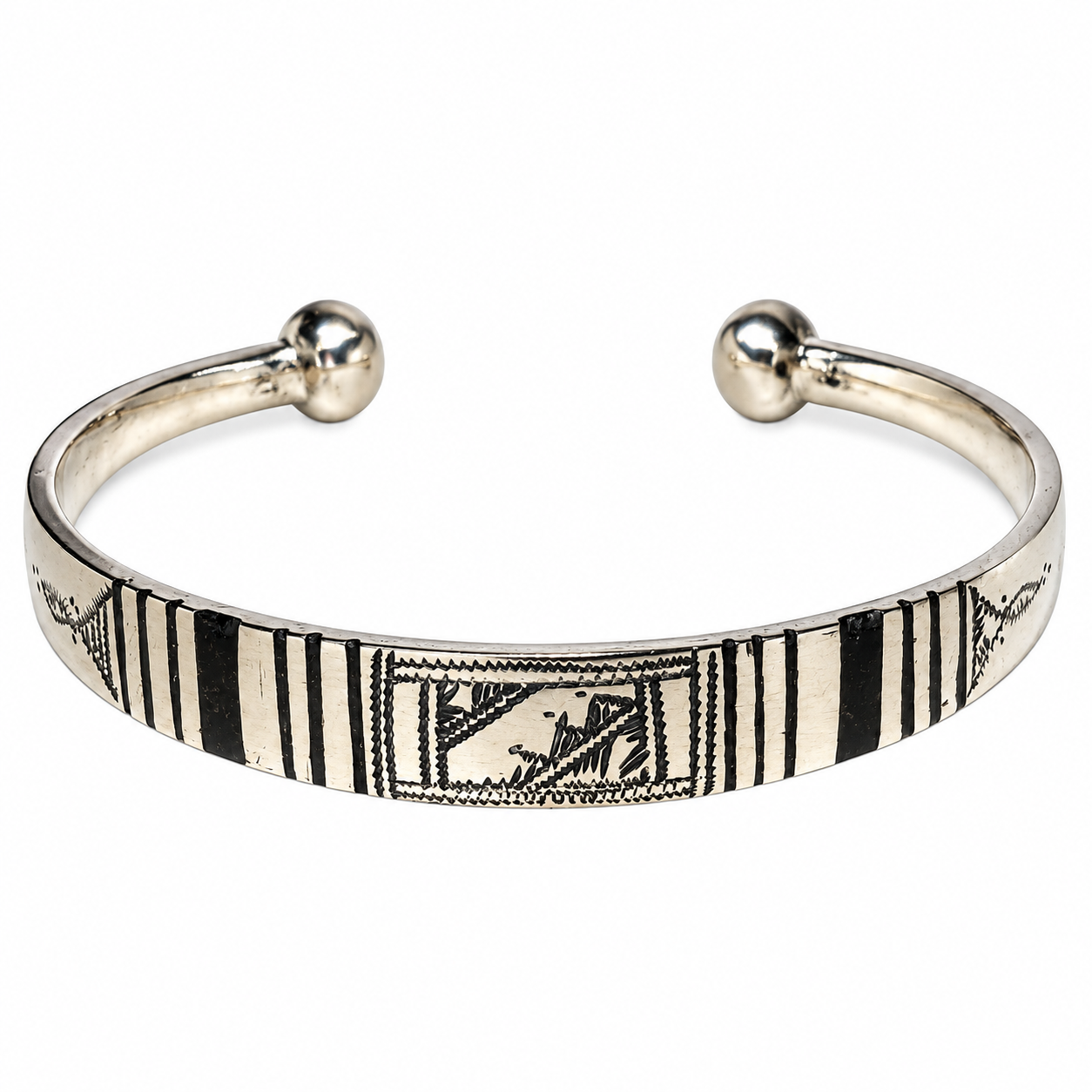
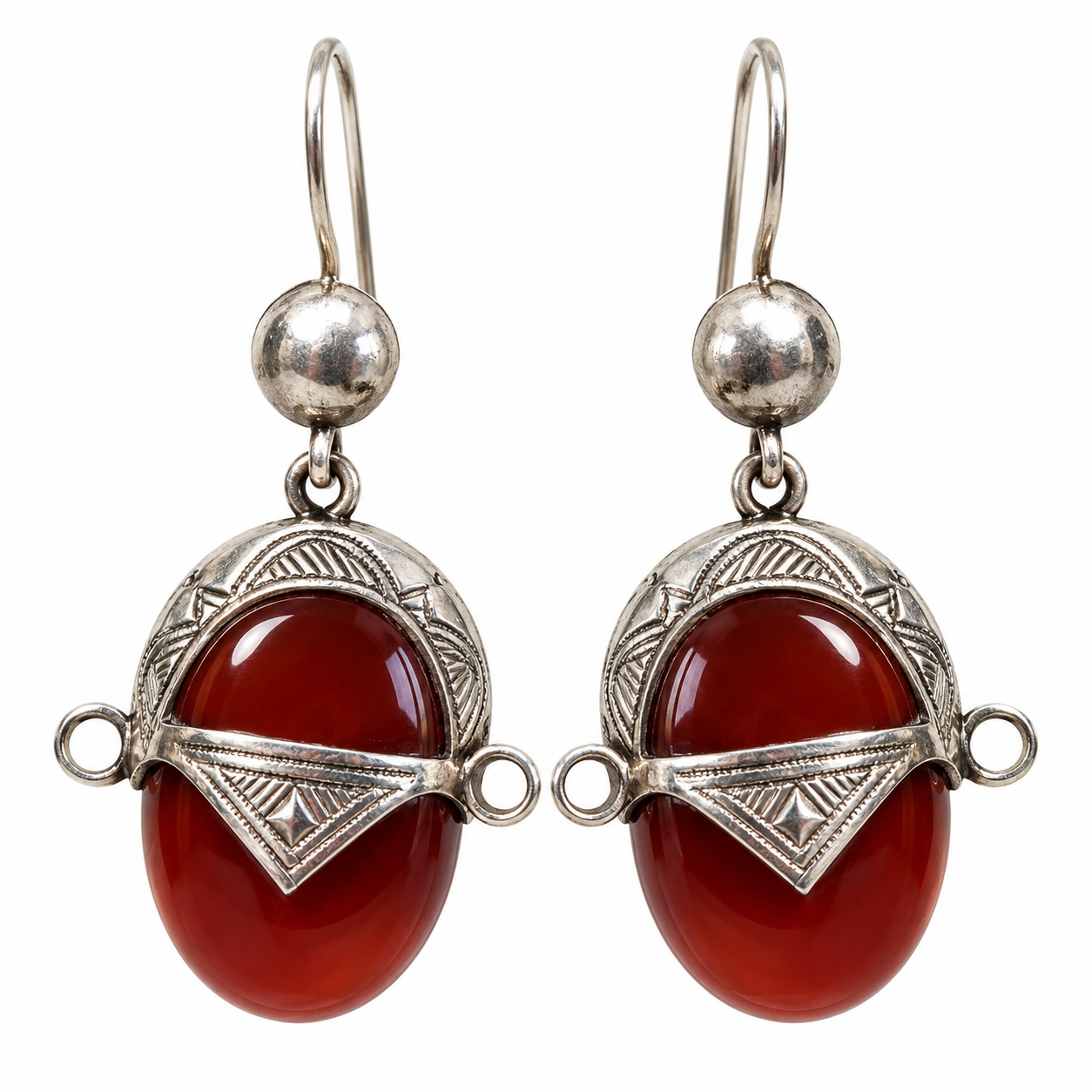
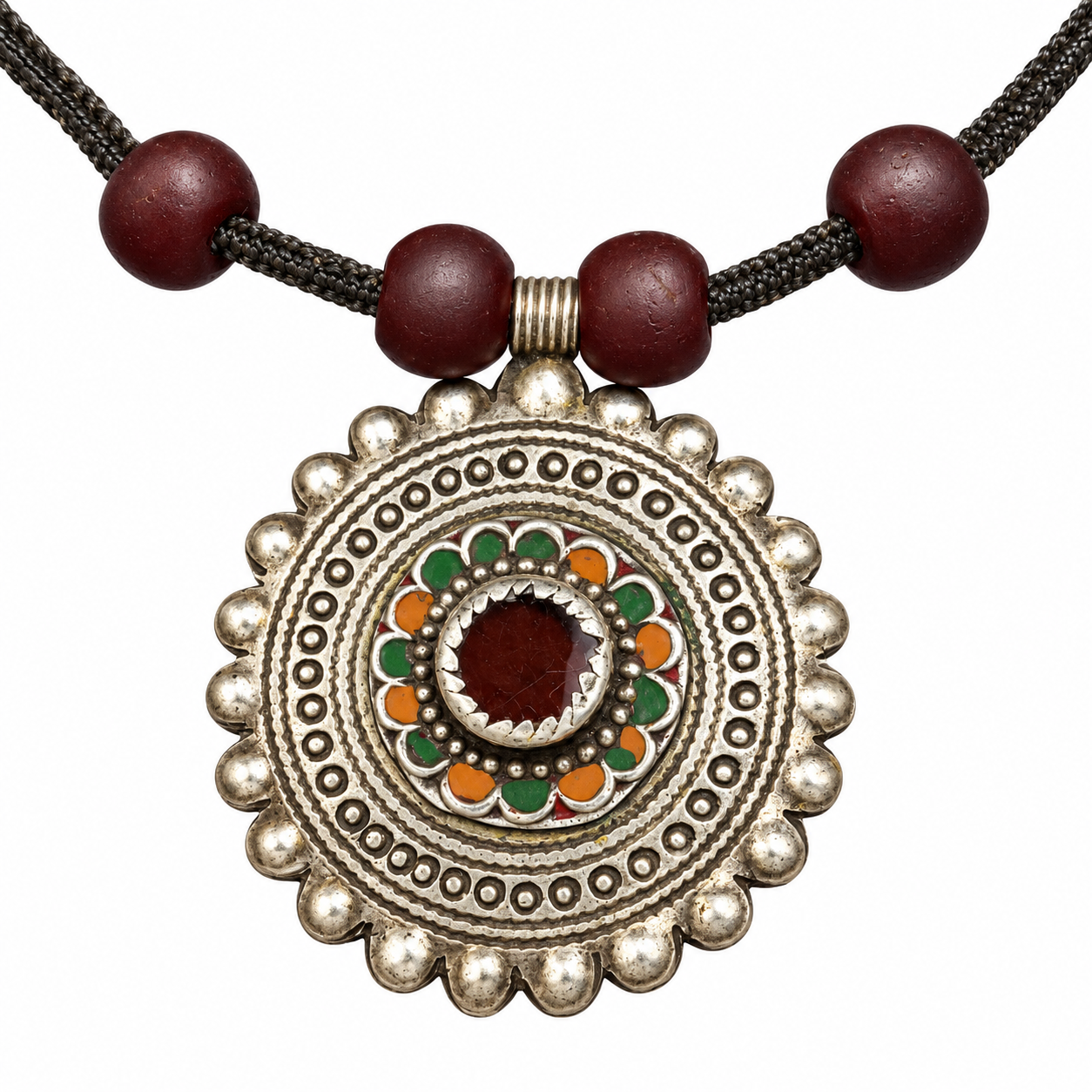
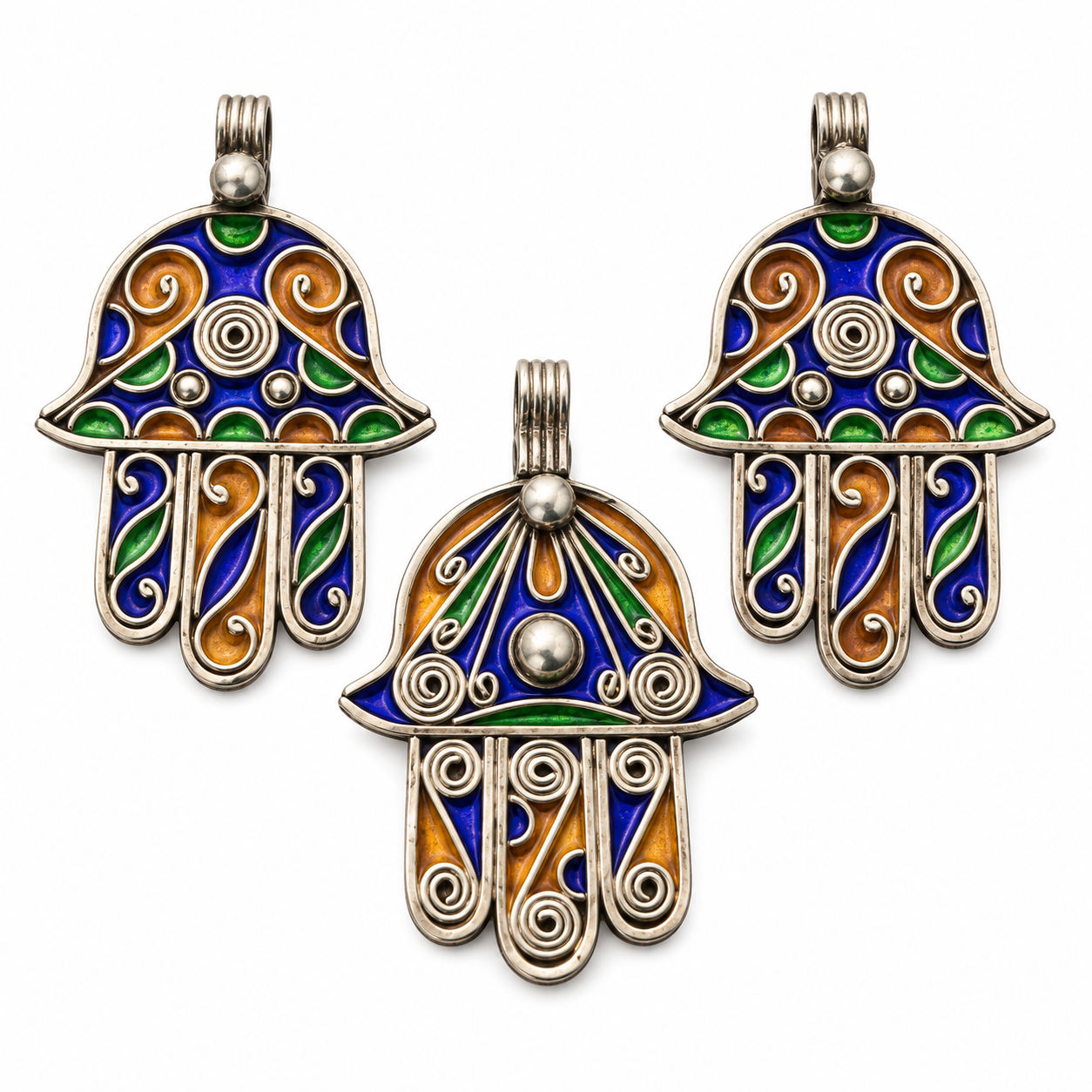
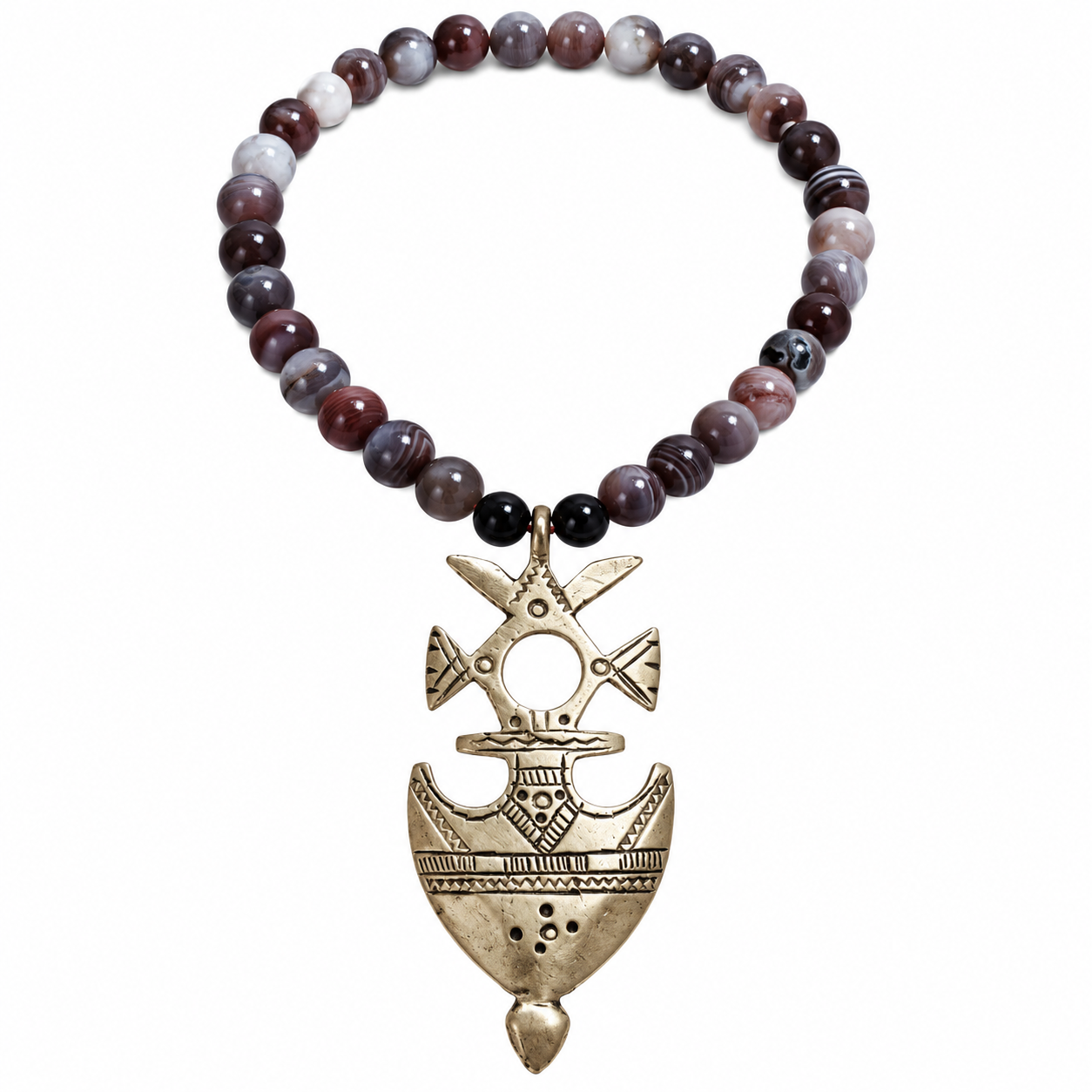
Silver jewelry is another important craft tradition. Fibula brooches, necklaces, bracelets, and other ornaments have long been associated with celebrations, personal identity, and regional styles.
Other crafts include pottery, embroidery, leatherwork, and wood carving. These skills continue to support artisans while preserving cultural knowledge.
Music, Festivals, and Collective Memory
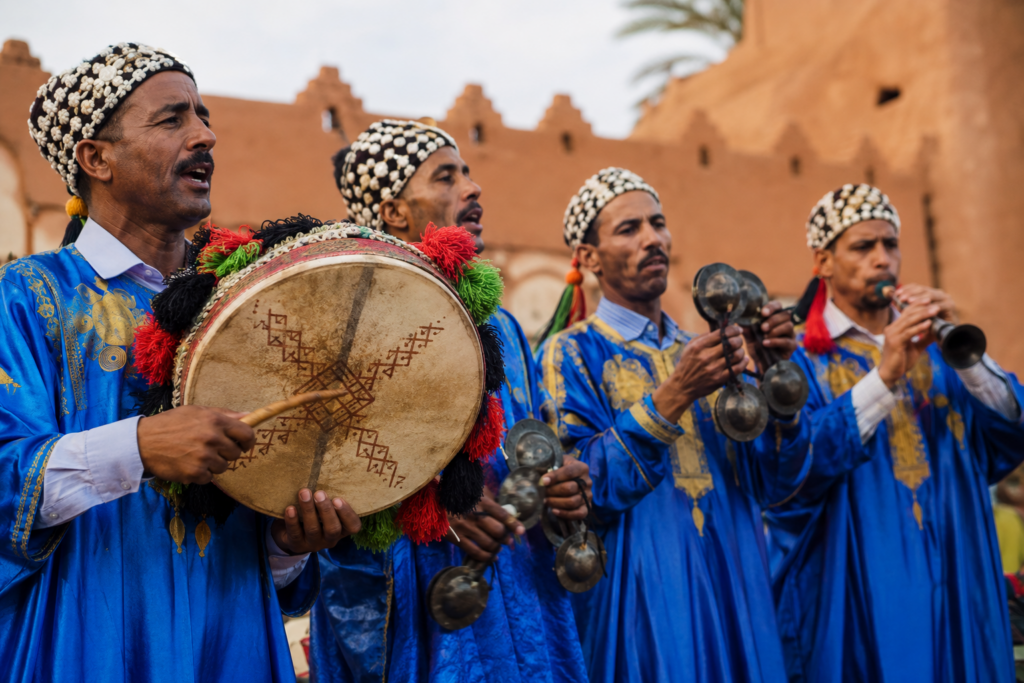
Amazigh music plays an important role in celebrations, storytelling, and community gatherings. Songs often preserve memories, emotions, and connections between generations.
Traditional performances such as Ahidous and Ahwash combine singing, poetry, rhythmic movement, and percussion. These gatherings are not only entertainment but also ways of strengthening community bonds.
Festivals connected with cultural identity and seasonal traditions provide opportunities for communities to celebrate heritage through music, food, and social gatherings.
Amazigh Food and Everyday Traditions
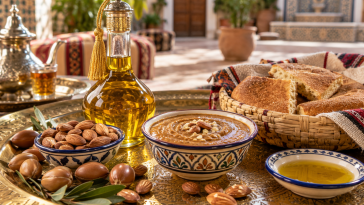
Food traditions are closely connected with local environments. Mountain and rural communities have historically relied on grains, vegetables, olives, dairy products, herbs, and seasonal ingredients.
Couscous and tagine are among Morocco’s best-known dishes, but their preparation reflects regional variations and family traditions. Meals often represent hospitality, cooperation, and connection between generations.
Sharing bread, tea, and food with guests remains an important expression of welcome in many Amazigh households.
Respectful Ways to Experience Amazigh Heritage
Travelers interested in Amazigh culture can explore mountain villages, local markets, museums, artisan workshops, and rural communities throughout Morocco.
- Ask permission before photographing people.
- Support local artisans and community businesses.
- Learn simple Tamazight greetings when visiting Amazigh regions.
- Respect local customs, religious spaces, and community traditions.
The most meaningful cultural experiences come from understanding Amazigh heritage as a living tradition that continues to adapt alongside modern life.
A Living Heritage in Modern Morocco
Amazigh culture continues to develop through education, technology, art, and new forms of expression. Younger generations preserve traditions while also creating new connections between heritage and contemporary life.
The continued visibility of Amazigh languages, crafts, music, and festivals demonstrates the importance of cultural diversity within Morocco.
The Role of Women in Preserving Amazigh Heritage
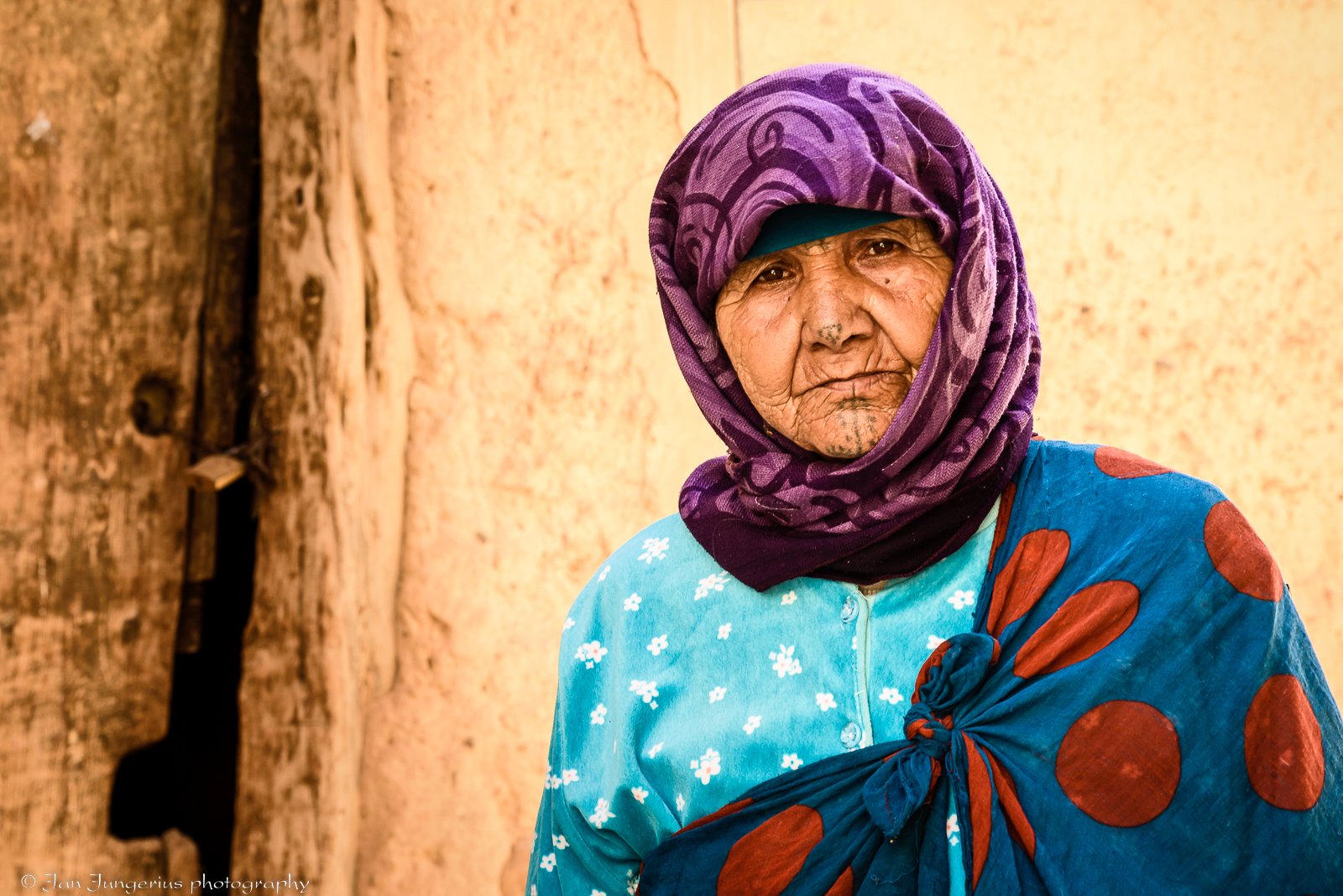
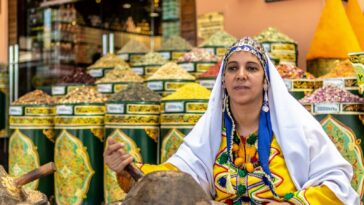
Women have played a central role in maintaining and transmitting many Amazigh traditions. Within families and communities, knowledge about weaving, food preparation, clothing, and oral storytelling has often been passed from mothers and grandmothers to younger generations.
Amazigh textile traditions are one of the clearest examples of this cultural contribution. Women artisans create carpets, blankets, and clothing using techniques that reflect regional identities. The process involves knowledge of wool preparation, natural materials, patterns, and traditional methods developed over many generations.
Beyond crafts, women contribute to preserving language and family histories through everyday conversations, songs, and stories shared within the household. These practices help maintain cultural continuity even as lifestyles change.
Amazigh Architecture and the Relationship With Nature
Traditional Building Techniques
Amazigh architecture demonstrates a deep understanding of local climates and available resources. In mountain and desert regions, communities traditionally used materials found nearby, including earth, stone, palm wood, and other natural elements.
Buildings such as kasbahs, ksour, and village homes were designed to respond to environmental conditions. Thick earthen walls helped regulate indoor temperatures, while compact village designs provided protection and encouraged cooperation between residents.
Water and Community Organization
Water management has always been essential in many Amazigh regions. Traditional irrigation systems allowed communities to share limited water resources between homes, gardens, and agricultural fields.
These systems required collective responsibility. Decisions about water distribution often depended on cooperation between families and community members, showing how environmental challenges shaped social organization.
Amazigh Symbols and Visual Language
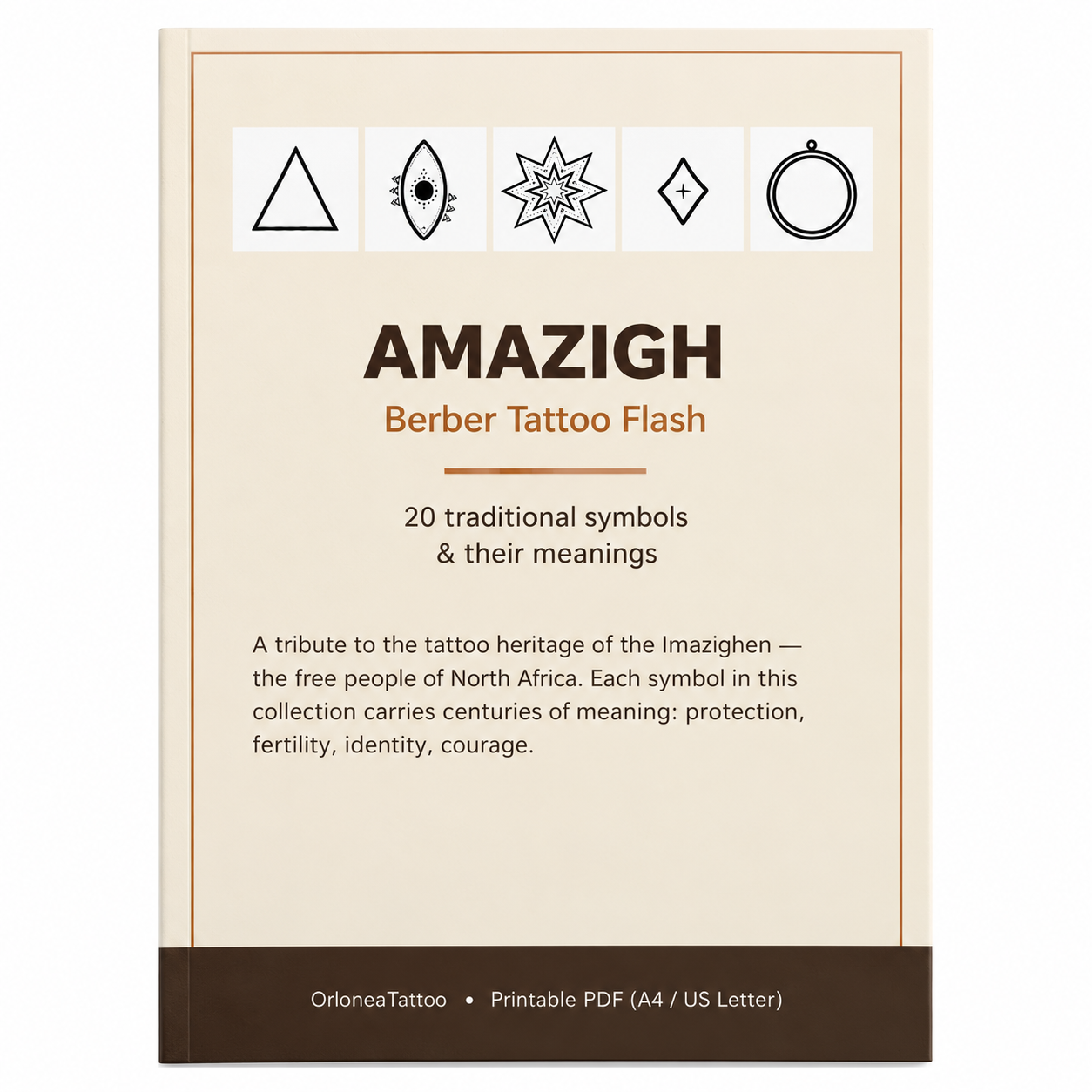
Amazigh artistic expression often includes symbols and patterns that carry cultural meanings. Geometric forms appearing in carpets, jewelry, tattoos, and decorative objects may represent ideas connected with protection, nature, identity, or family traditions.
The meaning of symbols can vary between regions and communities. Rather than having one universal interpretation, Amazigh visual culture reflects the diversity of local histories and artistic practices.
Today, many Amazigh symbols continue to appear in contemporary design, fashion, and cultural projects, connecting traditional creativity with modern forms of expression.
Amazigh Heritage Beyond Rural Communities
Although Amazigh traditions are strongly associated with mountains, villages, and rural landscapes, Amazigh identity is also present in Morocco’s cities. Many urban families maintain connections with their ancestral regions through language, food, celebrations, and family customs.
Modern Amazigh artists, writers, musicians, and researchers continue to explore heritage in new ways. Their work demonstrates that cultural identity is not frozen in the past but constantly develops through new generations.
The relationship between tradition and modern life is one of the most important aspects of contemporary Amazigh culture. Ancient practices continue to inspire new artistic movements, educational initiatives, and cultural conversations.
Learning From Amazigh Traditions
Amazigh heritage offers valuable lessons about adaptation, community cooperation, and respect for natural environments. Mountain agriculture, traditional architecture, and handmade crafts demonstrate approaches developed through long experience with local conditions.
For visitors and researchers, discovering Amazigh culture means looking beyond famous monuments and recognizing the everyday practices that keep heritage alive. The language spoken at home, the preparation of a family meal, the making of a carpet, or the sharing of tea all represent important parts of a living cultural landscape.
Conclusion
Amazigh culture in Morocco represents a rich heritage shaped by history, landscape, creativity, and community values. Through language, hospitality, craftsmanship, architecture, and artistic traditions, Amazigh communities continue to contribute to the cultural identity of Morocco.
 No products in the cart.
Comments (16)