




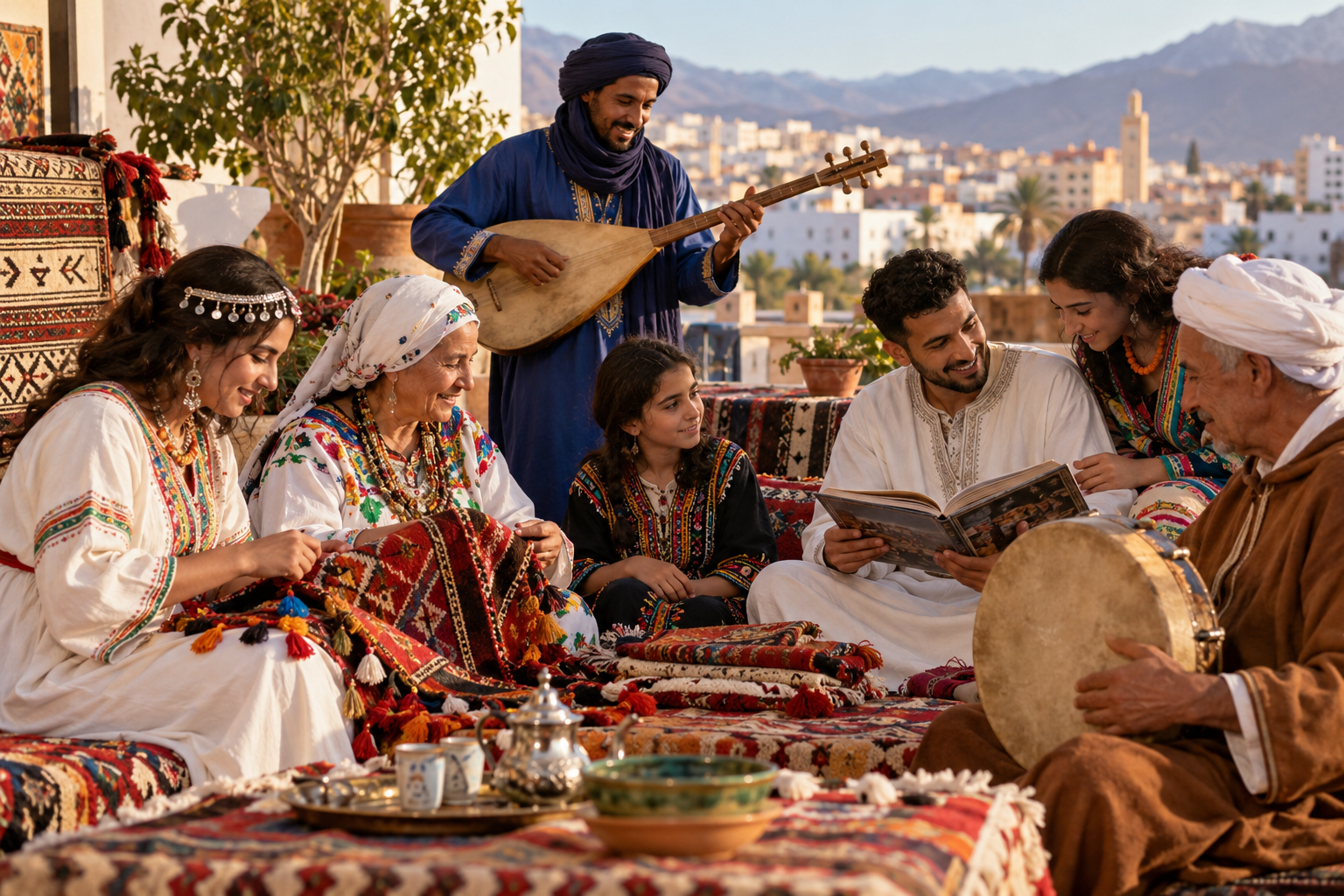
Amazigh communities worldwide continue to maintain and reshape cultural identity through language, music, family connections, celebrations, and creative expression. The Amazigh diaspora includes people who have moved from North Africa and the Sahara to Europe, North America, and other regions, while maintaining relationships with languages, traditions, and cultural memories.
Understanding the Amazigh Diaspora
The term Amazigh diaspora refers to communities living outside their ancestral regions while maintaining different forms of connection with Amazigh heritage. These communities are diverse and cannot be described through one single experience.
Migration histories vary between individuals and families. Some communities developed through labor migration, education, family reunification, or other movements. Experiences can differ depending on country, generation, language background, and personal identity.
The diaspora should also be distinguished from longstanding Amazigh populations in North Africa and the Sahara. Amazigh identity exists both within historic homelands and among communities abroad.
Language as a Link Between Generations
Language is one of the most important ways many Amazigh families maintain cultural connections. Amazigh languages belong to the wider Amazigh language family and include different regional varieties.
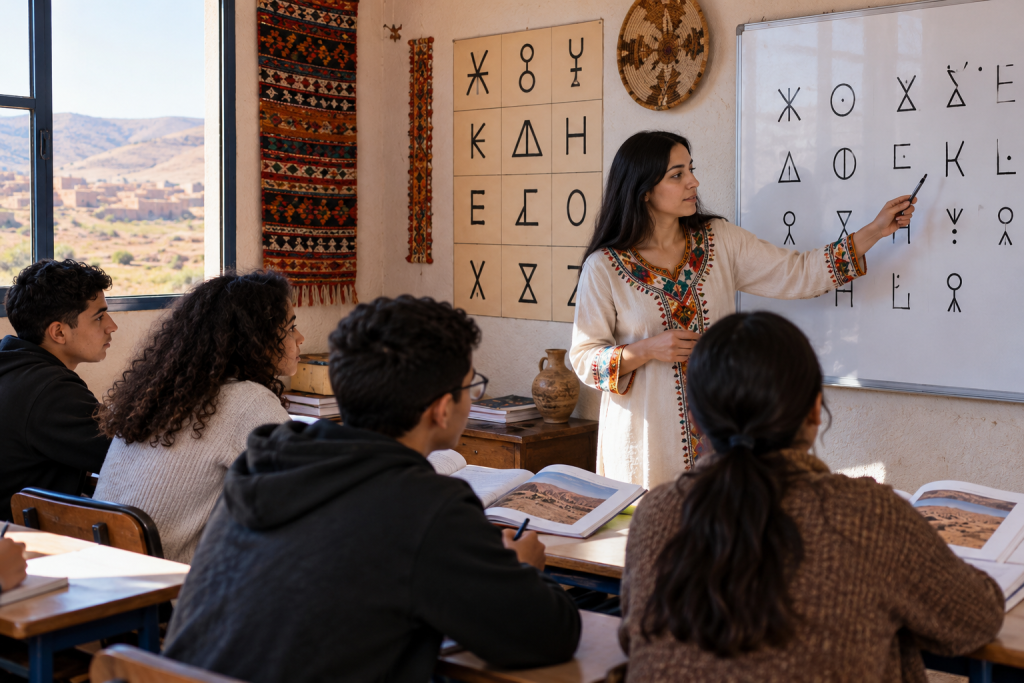
For diaspora families, language transmission can involve challenges. Children growing up abroad may use multiple languages at home, school, and in wider society. Some families actively teach Amazigh languages through conversation, classes, cultural associations, and community activities.
Intergenerational Language Learning
Passing a language between generations is not only about vocabulary. It can include stories, songs, family memories, traditional expressions, and connections with places of origin.
- Family learning: relatives may share language through daily communication.
- Community classes: organizations may provide opportunities for structured learning.
- Digital resources: online materials can support learners across borders.
Language experiences differ widely. Some people grow up speaking Amazigh at home, while others reconnect with the language later in life.
Music and Cultural Expression Abroad
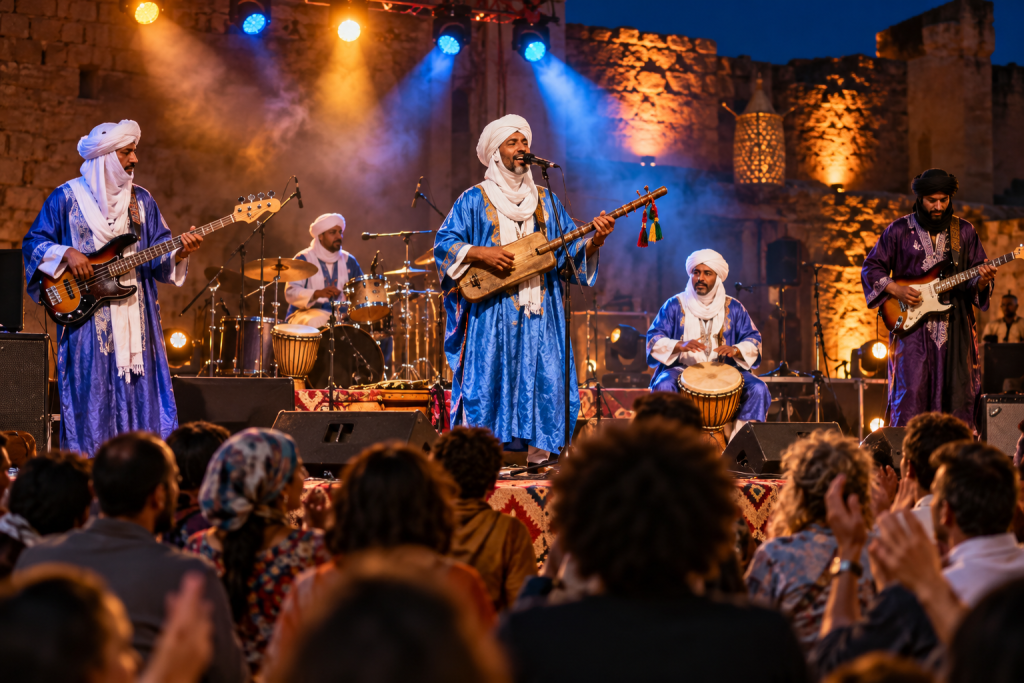
Music has become one of the most visible forms of Amazigh cultural expression in diaspora communities. Artists often combine traditional influences with contemporary styles, creating connections between heritage and modern audiences.
Amazigh music abroad may appear at cultural festivals, community events, concerts, and online platforms. These spaces allow musicians to share regional traditions while reaching listeners from different backgrounds.
Maintaining Heritage Through Performance
Music can preserve language, poetry, historical memories, and regional identities. Songs may reflect personal experiences, migration, cultural pride, and relationships between communities.
Contemporary artists also demonstrate that heritage is not fixed. Cultural traditions continue developing as new generations create their own forms of expression.
Yennayer and Community Celebrations
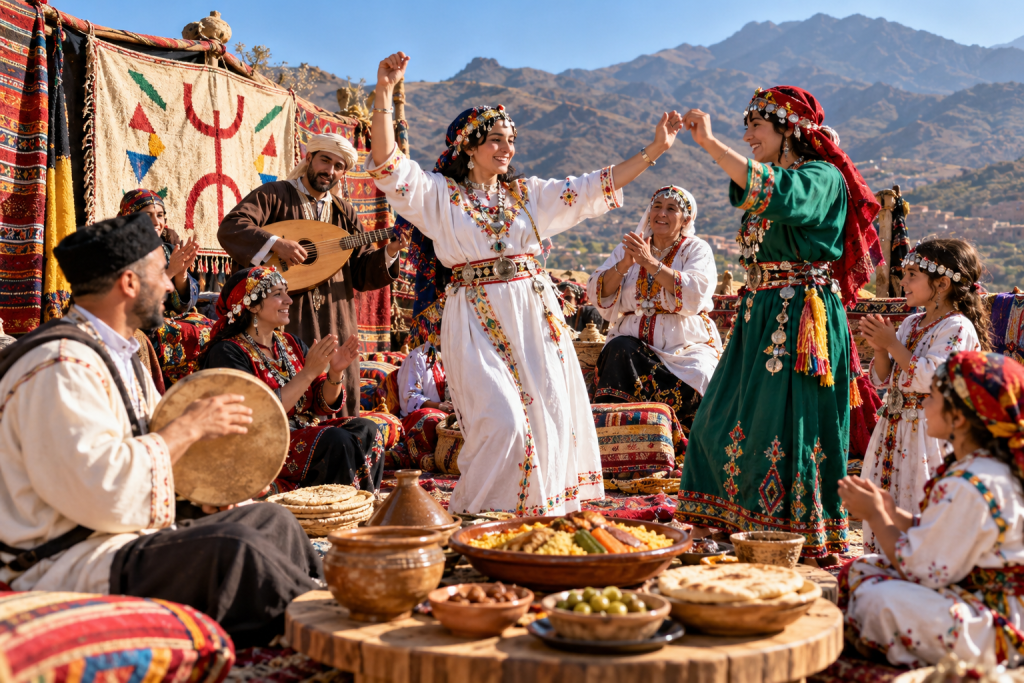
Celebrations such as Yennayer, the Amazigh New Year, have become important occasions for many Amazigh communities around the world. Events may include music, food, lectures, cultural presentations, and gatherings.
Celebration practices vary between regions and families. A diaspora event may combine traditions from different Amazigh communities while also reflecting the local environment where it takes place.
Amazigh Organizations and Cultural Networks
Cultural organizations play an important role in supporting Amazigh identity outside North Africa. They may organize language courses, conferences, artistic events, exhibitions, and educational programs.
| Area | Examples of Activities | Purpose |
|---|---|---|
| Language | Classes, workshops, educational materials | Support language learning and transmission. |
| Arts | Music events, exhibitions, cultural performances | Share creative traditions. |
| Community | Festivals and gatherings | Create connections between generations. |
Amazigh Identity in Europe
Europe is home to many Amazigh communities, particularly connected with migration from North African countries. Communities in different European countries have developed cultural associations and events that reflect local circumstances.
European-born generations may experience Amazigh identity in different ways. Some maintain strong family connections with heritage languages and traditions, while others explore identity through culture, history, music, or personal research.
Amazigh Communities in North America
Amazigh communities in North America have also created cultural networks through associations, educational activities, and artistic projects.
These communities often combine heritage preservation with participation in broader multicultural societies. Identity can include connections to Amazigh heritage alongside other languages, cultures, and experiences.
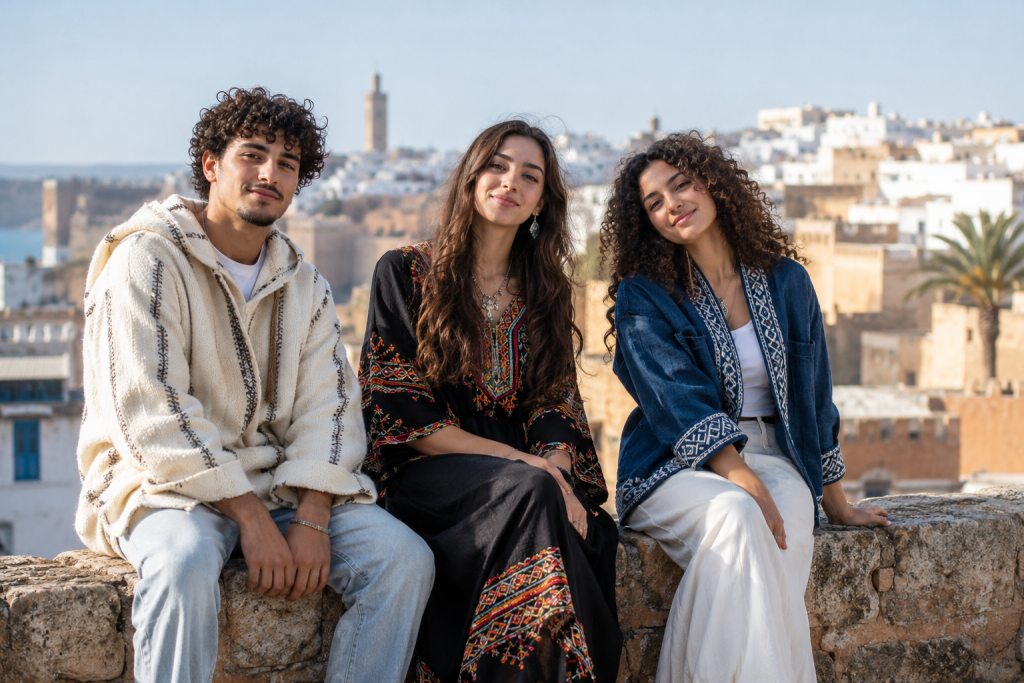
Mixed Identities and Modern Amazigh Experiences
Many people with Amazigh heritage have identities shaped by multiple influences. Being part of the diaspora can involve connections to family origins, current countries of residence, languages, and personal experiences.
There is no single way to express Amazigh identity. Some people participate through language, others through music, food, celebrations, academic work, fashion, or community activities.
- Identity can change across generations.
- Heritage can be expressed in different forms.
- Personal experiences should not be generalized to all Amazigh people.
Practical Resources for Exploring Amazigh Heritage
People interested in Amazigh culture can explore learning opportunities through cultural associations, language programs, museums, academic resources, and community events.
- Look for local Amazigh cultural organizations.
- Explore educational resources about Amazigh languages.
- Attend cultural events to learn from community members.
- Study regional histories rather than generalizing all traditions.
Digital Spaces and the Future of Amazigh Culture
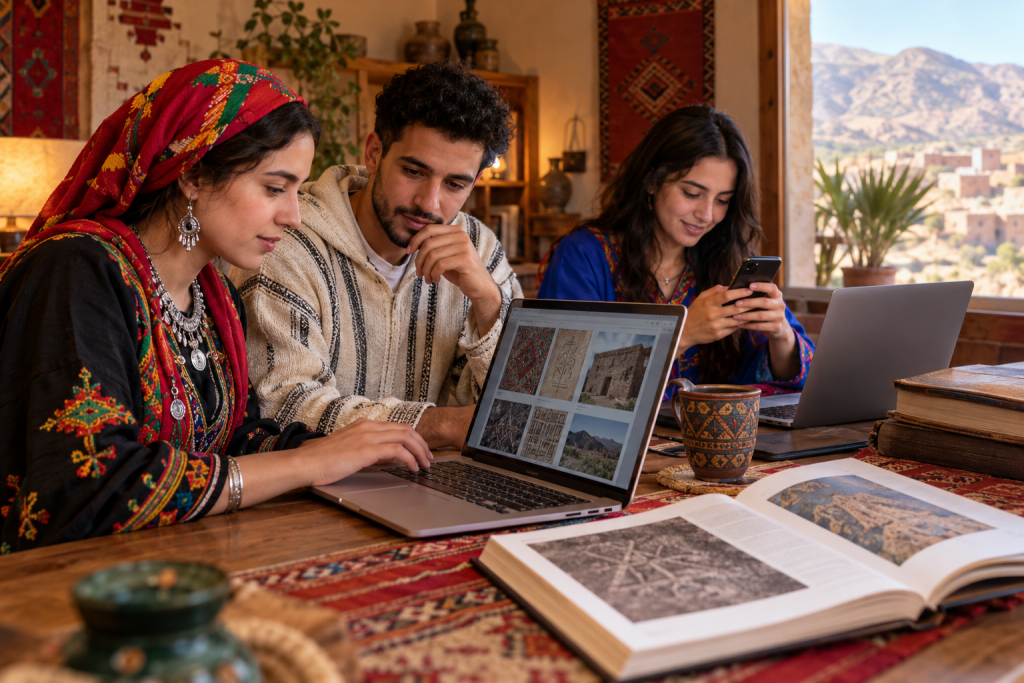
Digital platforms have created new opportunities for Amazigh communities to connect across borders. Social media, online courses, and digital archives allow people to share language resources, music, history, and cultural knowledge.
These tools do not replace community relationships, but they provide additional ways for younger generations to engage with heritage.
The Living Identity of Amazigh Communities Worldwide
Amazigh identity continues to evolve through migration, communication, creativity, and cultural exchange. Communities abroad preserve important connections while also creating new expressions of heritage.
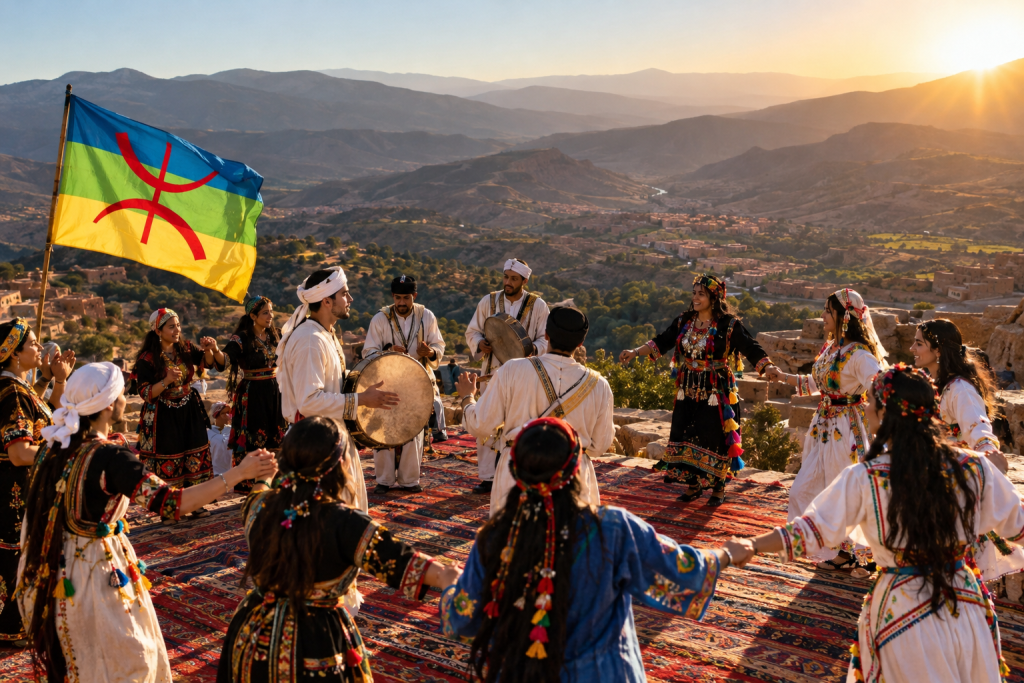
Family Networks and Cultural Memory Across Borders
Family relationships often play an important role in maintaining Amazigh connections across countries. For many diaspora families, memories of places of origin are shared through conversations, visits, food traditions, music, and stories from older generations.
These family networks can create bridges between people living abroad and relatives in North Africa and the Sahara. However, every family has its own experience of migration, cultural transmission, and identity formation.
The Role of Elders and Community Knowledge
Elders frequently contribute to preserving cultural knowledge by sharing languages, oral traditions, personal histories, and regional customs. Their experiences can provide younger generations with connections to family backgrounds and community histories.
At the same time, younger generations are not only receivers of tradition. They actively reinterpret heritage through education, technology, creative work, and new forms of cultural participation.
Education and the Preservation of Amazigh Heritage
Educational initiatives are important tools for strengthening knowledge of Amazigh history and languages in diaspora settings. These efforts may take place through community associations, cultural centers, universities, and online learning platforms.
Learning about Amazigh heritage often involves more than studying a language. It can include understanding regional histories, literature, music, crafts, and social traditions.
- Language education: supports communication between generations.
- Cultural programs: introduce traditions through workshops and events.
- Academic research: documents histories and artistic expressions.
Food, Crafts, and Everyday Connections
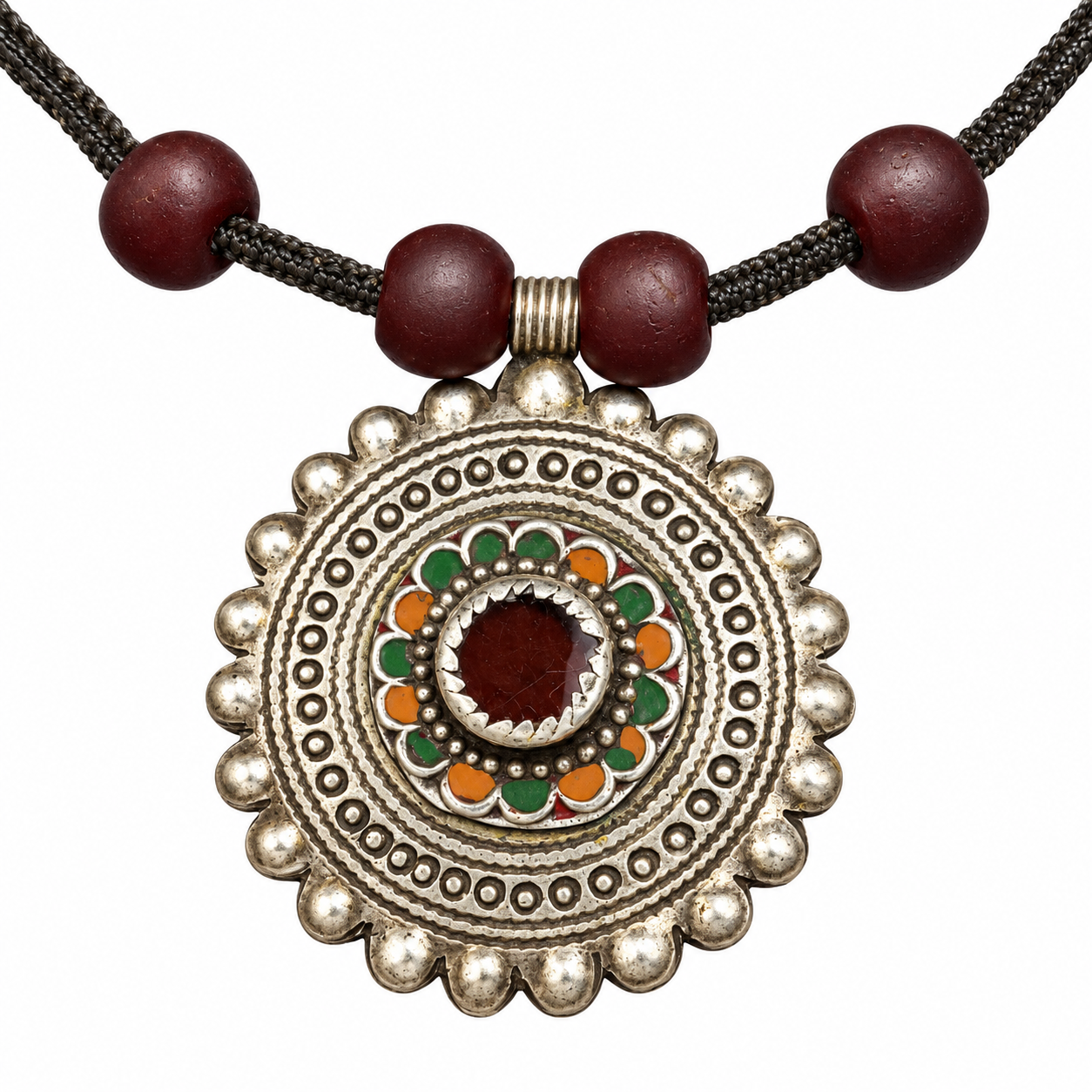
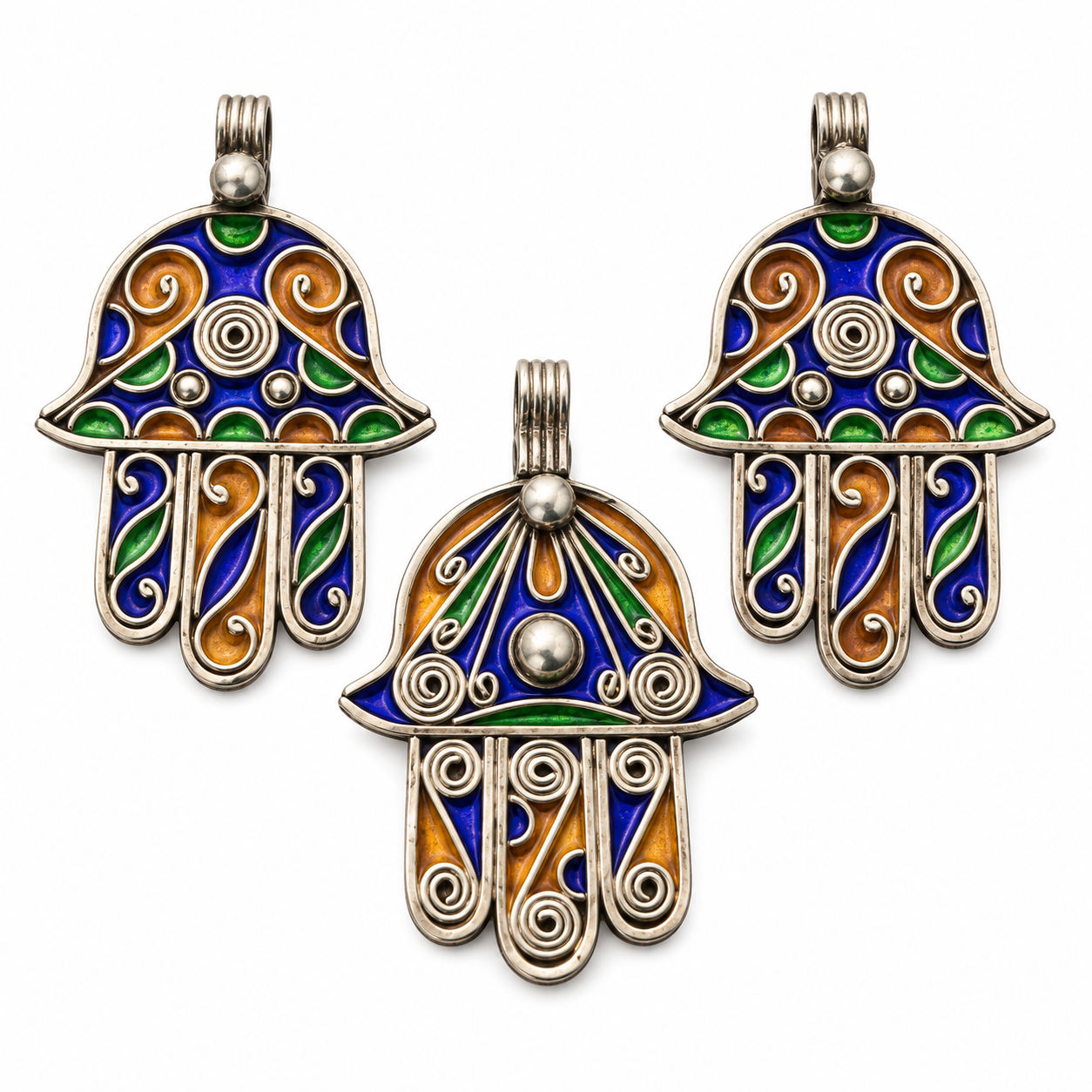
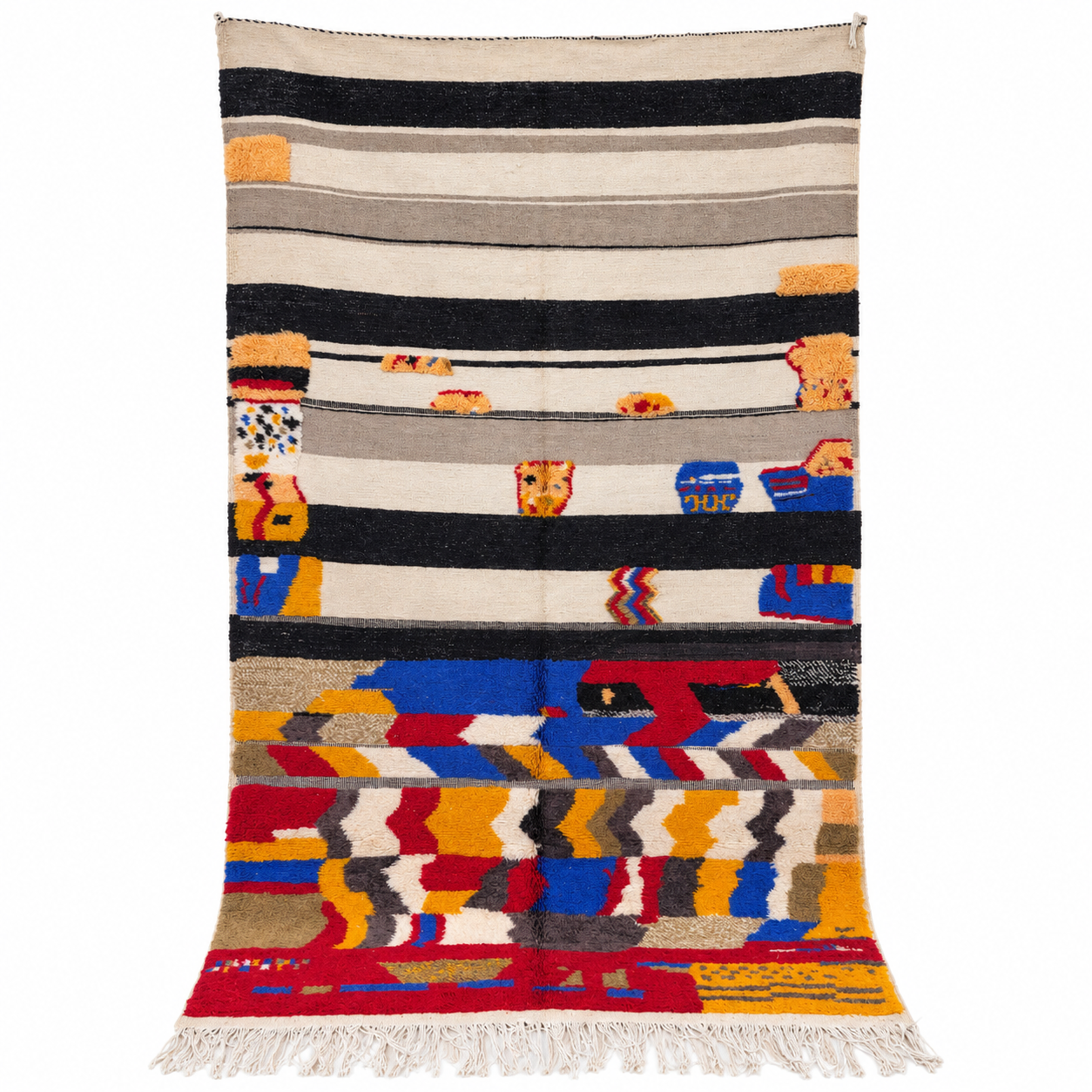
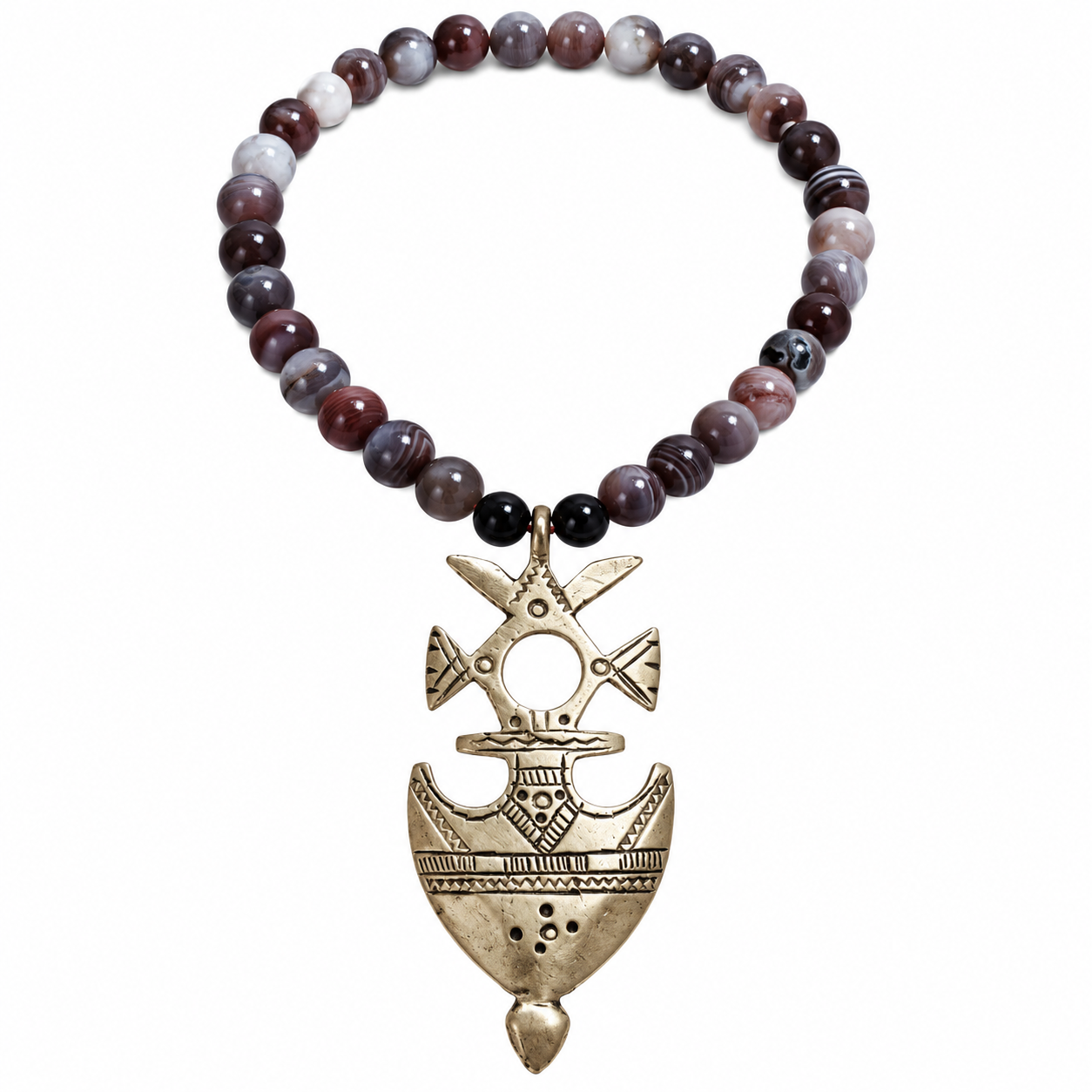
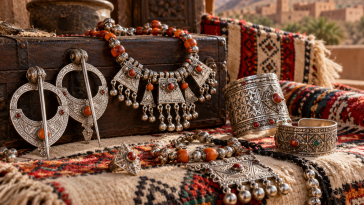
Food and crafts are additional ways diaspora communities maintain relationships with Amazigh heritage. Traditional dishes, textile practices, jewelry, and decorative arts can create connections between everyday life and cultural memory.
These practices may also change outside their original environments. Ingredients, materials, and methods can adapt to new locations while still preserving important cultural references.
Heritage as a Living Practice
Cultural traditions are not preserved only by repeating the past exactly. They continue through adaptation, creativity, and participation. A younger person learning a family recipe, creating modern artwork inspired by traditional patterns, or organizing a cultural event is also contributing to heritage.
Challenges and Opportunities for Future Generations
Amazigh communities abroad may face challenges related to language loss, limited access to cultural resources, and differences between generations. These challenges are common among many diaspora communities around the world.
At the same time, new opportunities have emerged through digital communication, international networks, and increased interest in Indigenous and minority cultural histories.
- Online communities allow people to share educational materials.
- Digital archives help preserve songs, texts, and historical resources.
- Cultural events create spaces for meeting and learning.
Respectful Approaches to Learning About Amazigh Communities Worldwide
Understanding Amazigh communities worldwide requires avoiding simple assumptions. Diaspora experiences differ depending on country, generation, language ability, family history, and personal choices.
A respectful approach recognizes diversity within Amazigh communities while appreciating shared connections through language, history, and cultural expression.
- Learn about specific regional traditions rather than treating Amazigh culture as one single style.
- Listen to voices from different generations and communities.
- Recognize both historical roots and contemporary experiences.
- Support cultural projects that provide accurate information and community involvement.
The Next Generations of Amazigh Identity
The future of Amazigh identity around the world will continue to be shaped by both continuity and change. Young Amazigh people may connect with heritage through different paths, including language learning, music, research, digital media, fashion, food, and community activities.
Rather than existing only as a memory of the past, Amazigh culture continues as a living identity shaped by people across continents. The diaspora demonstrates how traditions can travel, adapt, and remain meaningful in new environments.
Conclusion: Heritage Beyond Borders
The Amazigh diaspora demonstrates how culture can continue across geographical boundaries. Through language, music, celebrations, and community connections, Amazigh people around the world continue preserving and transforming their heritage.
 No products in the cart.
Comments (21)