

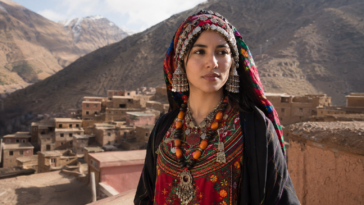
Amazigh culture is one of the deepest foundations of Morocco’s identity, shaped by thousands of years of history across mountains, valleys, oases, and desert regions. Known internationally as Berber culture, many communities today prefer the name Amazigh, reflecting their own identity and heritage. Their traditions remain visible through language, architecture, music, craftsmanship, food, and strong connections with the land.
Who Are the Amazigh People of Morocco?
The Amazigh, or Imazighen in plural, are Indigenous North African communities with a long historical presence across Morocco and the wider Maghreb. Their cultural influence can be found from the Rif Mountains in the north to the Atlas ranges and southern oasis regions.
Amazigh identity is diverse rather than uniform. Different communities have developed their own languages, clothing styles, artistic traditions, and social customs while sharing common historical connections.
The term Amazigh is increasingly used in Morocco and internationally because it represents the community’s own name. The older term Berber remains widely recognized, especially in travel and academic contexts.
A Long History Across North Africa

Amazigh history extends back thousands of years, before many later civilizations arrived in North Africa. Throughout history, Amazigh communities interacted with Phoenician, Roman, Arab, and European influences while maintaining distinctive cultural traditions.
Several important North African dynasties had Amazigh origins. The Almoravids, who founded Marrakech in the 11th century, created a powerful state that connected parts of the Maghreb and Iberian Peninsula. Later, the Almohads emerged from the High Atlas and built another major empire across western North Africa and southern Europe.
These historical periods demonstrate that Amazigh communities were not only rural populations but also played major political, intellectual, and architectural roles in the history of the region.
Tamazight Language and Tifinagh Script

Language is one of the strongest elements of Amazigh cultural identity. Tamazight refers to a group of related Amazigh languages spoken in different parts of Morocco.
The main varieties in Morocco include Tarifit in the Rif region, Central Atlas Tamazight in mountain areas, and Tashelhit in the Souss region, western High Atlas, and southern areas.
Morocco recognized Tamazight as an official language in 2011, strengthening its role in education, public institutions, and cultural life.
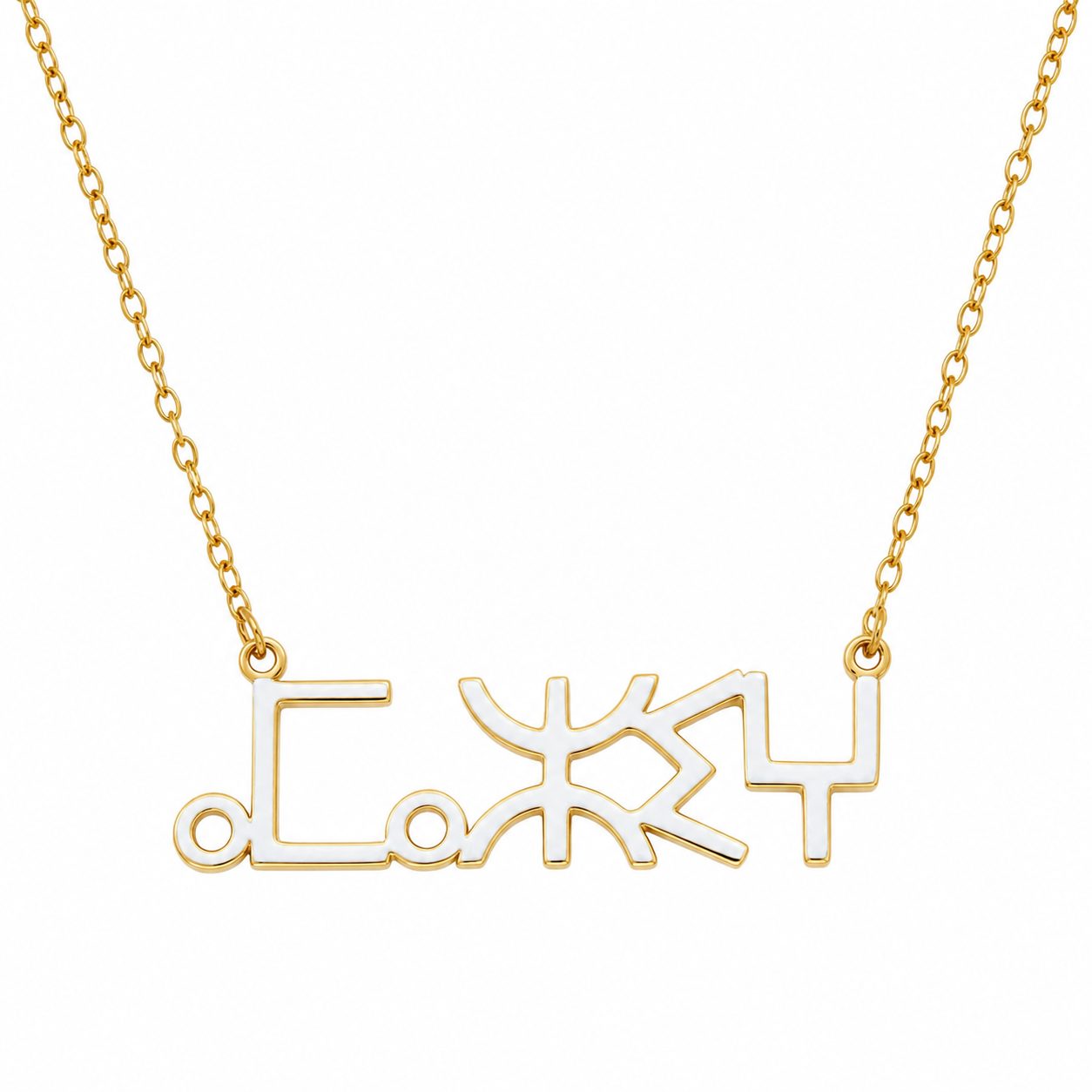
The Tifinagh script is another important symbol of Amazigh heritage. Modern Tifinagh is used in schools, official signs, and cultural contexts, connecting contemporary language preservation with ancient North African writing traditions.
Amazigh Crafts: Carpets, Jewelry, and Symbolic Art

Amazigh craftsmanship is among Morocco’s most recognized cultural expressions. Handmade objects often combine practical uses with artistic designs that communicate regional identity and inherited knowledge.
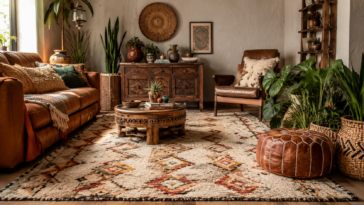
Amazigh carpets are especially famous for their geometric patterns and handmade production. Different regions have developed their own styles, including Middle Atlas wool rugs, colorful Atlas textiles, and decorative designs from southern communities.
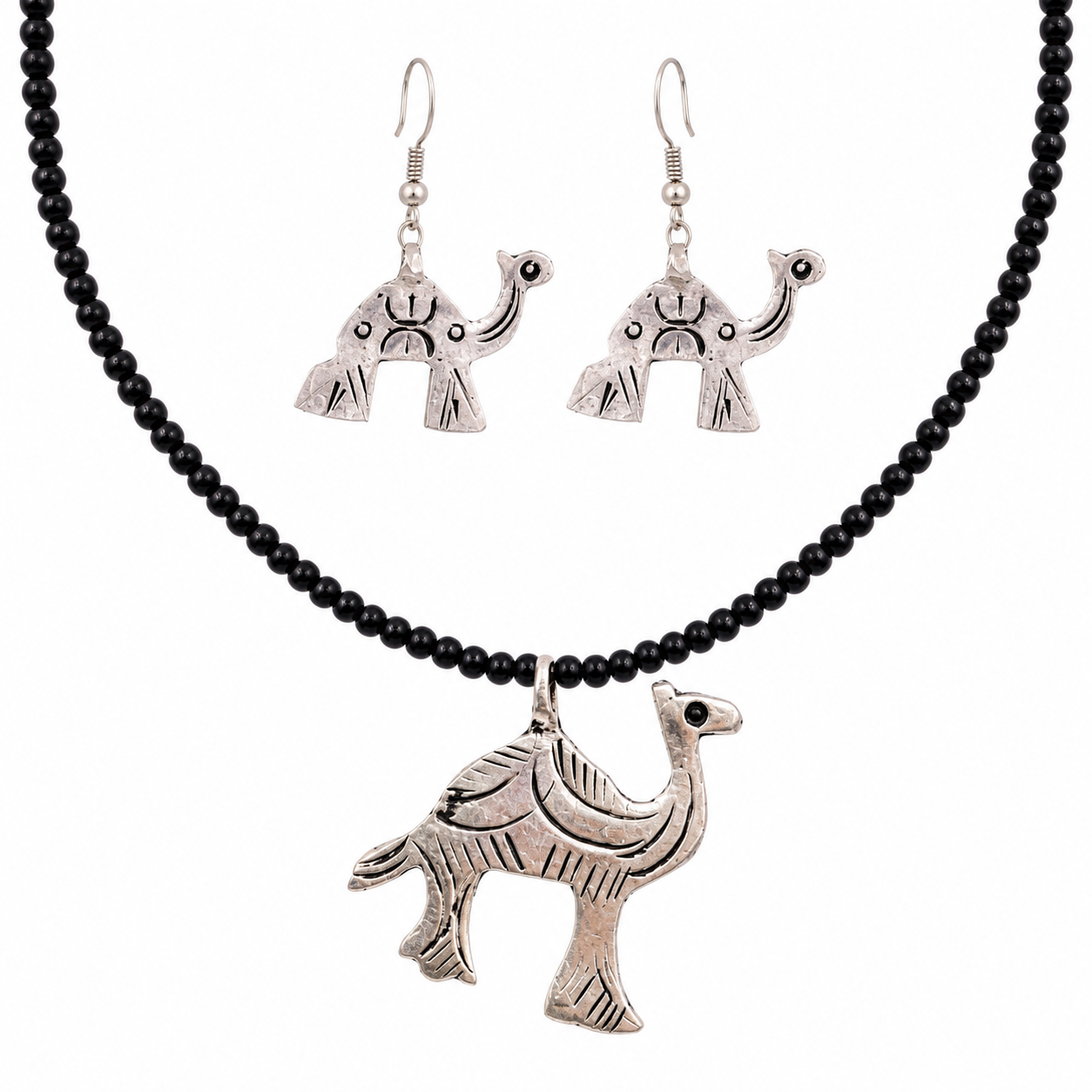
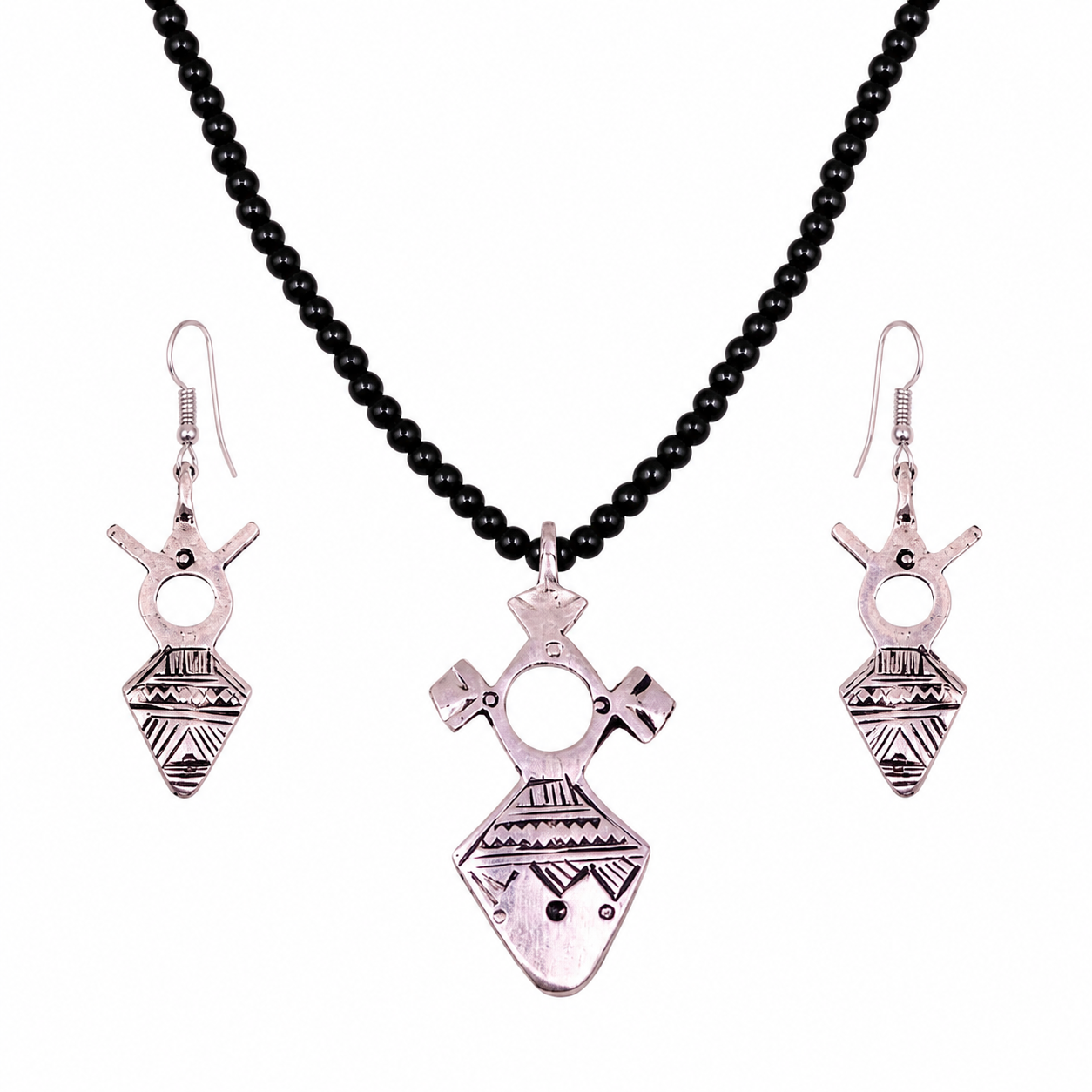
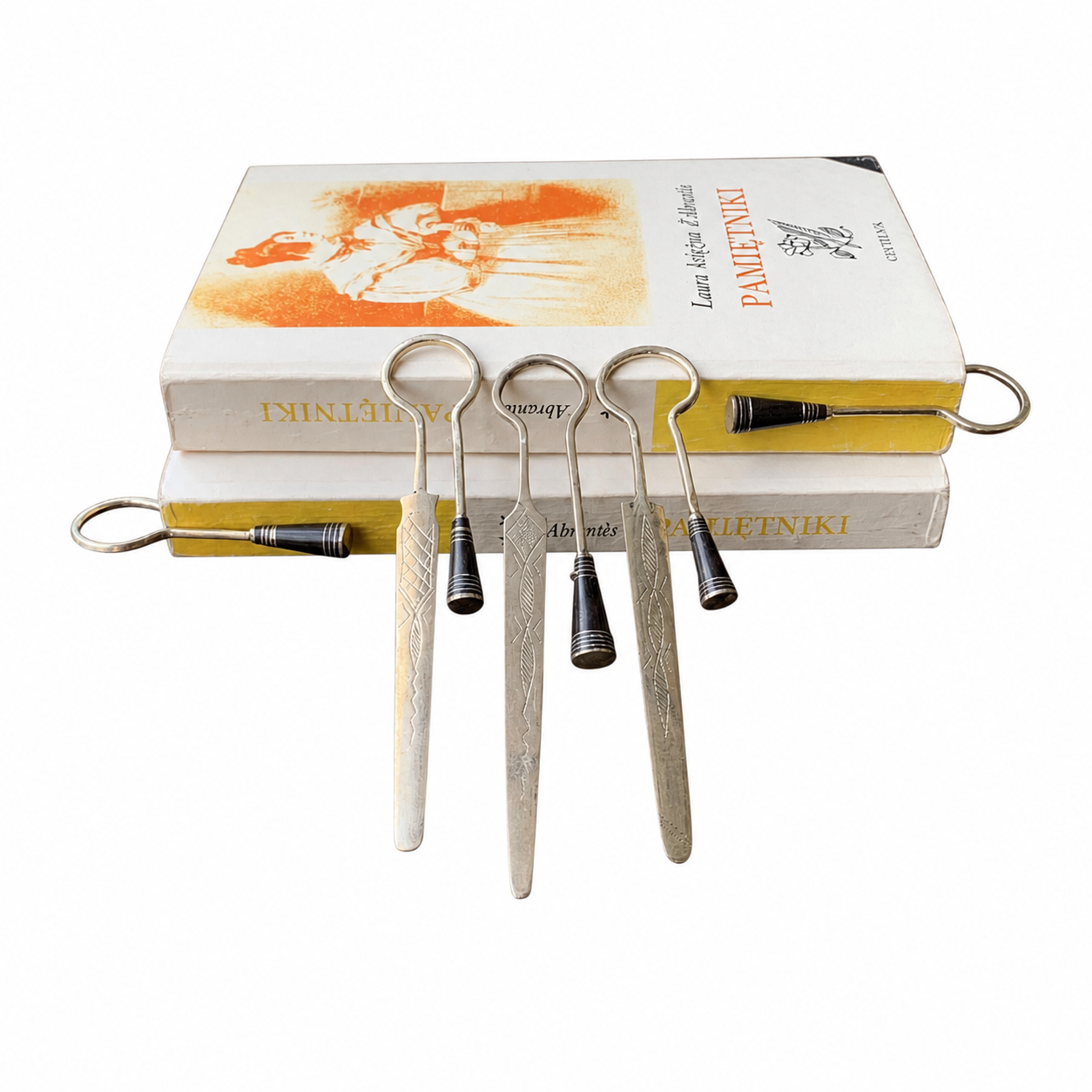
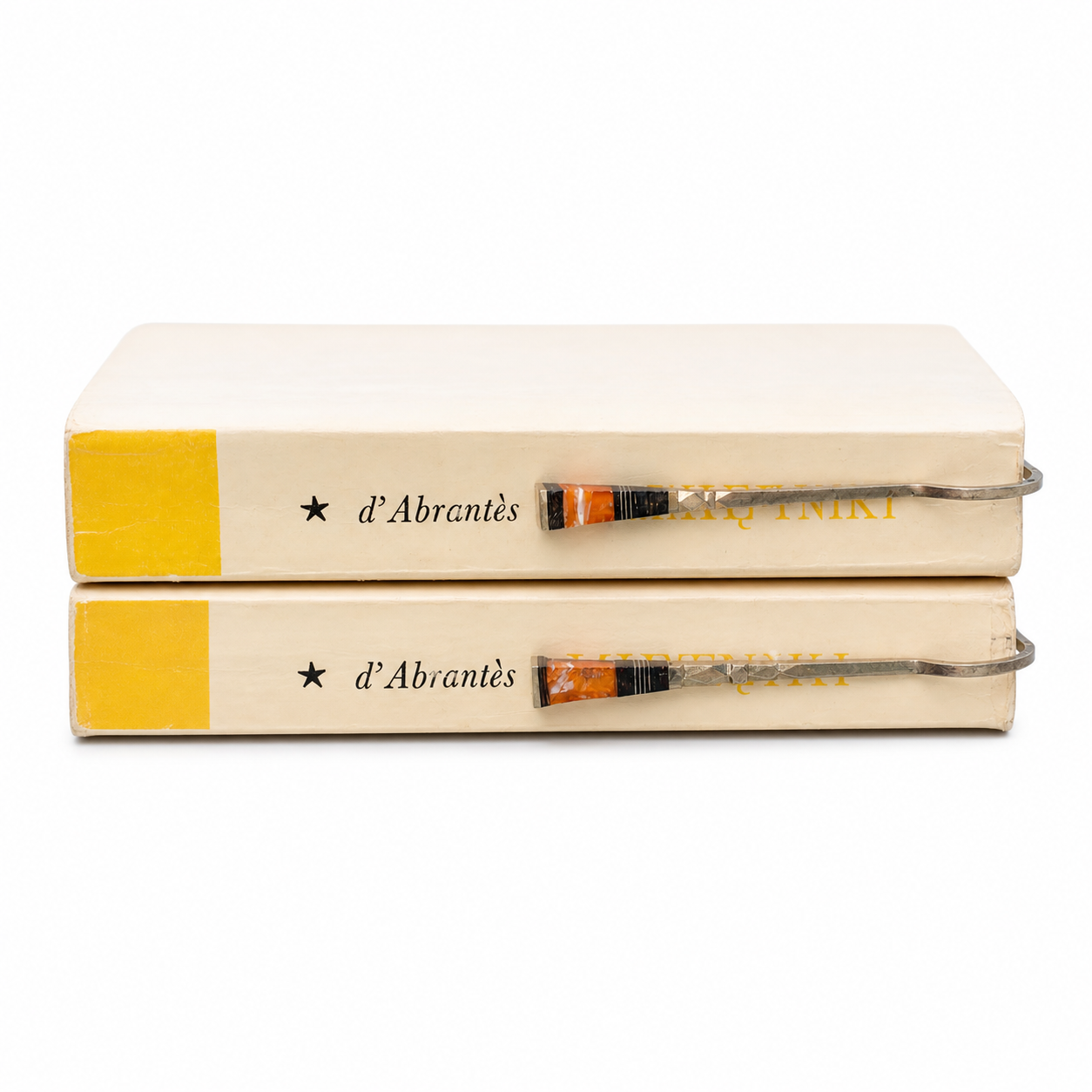
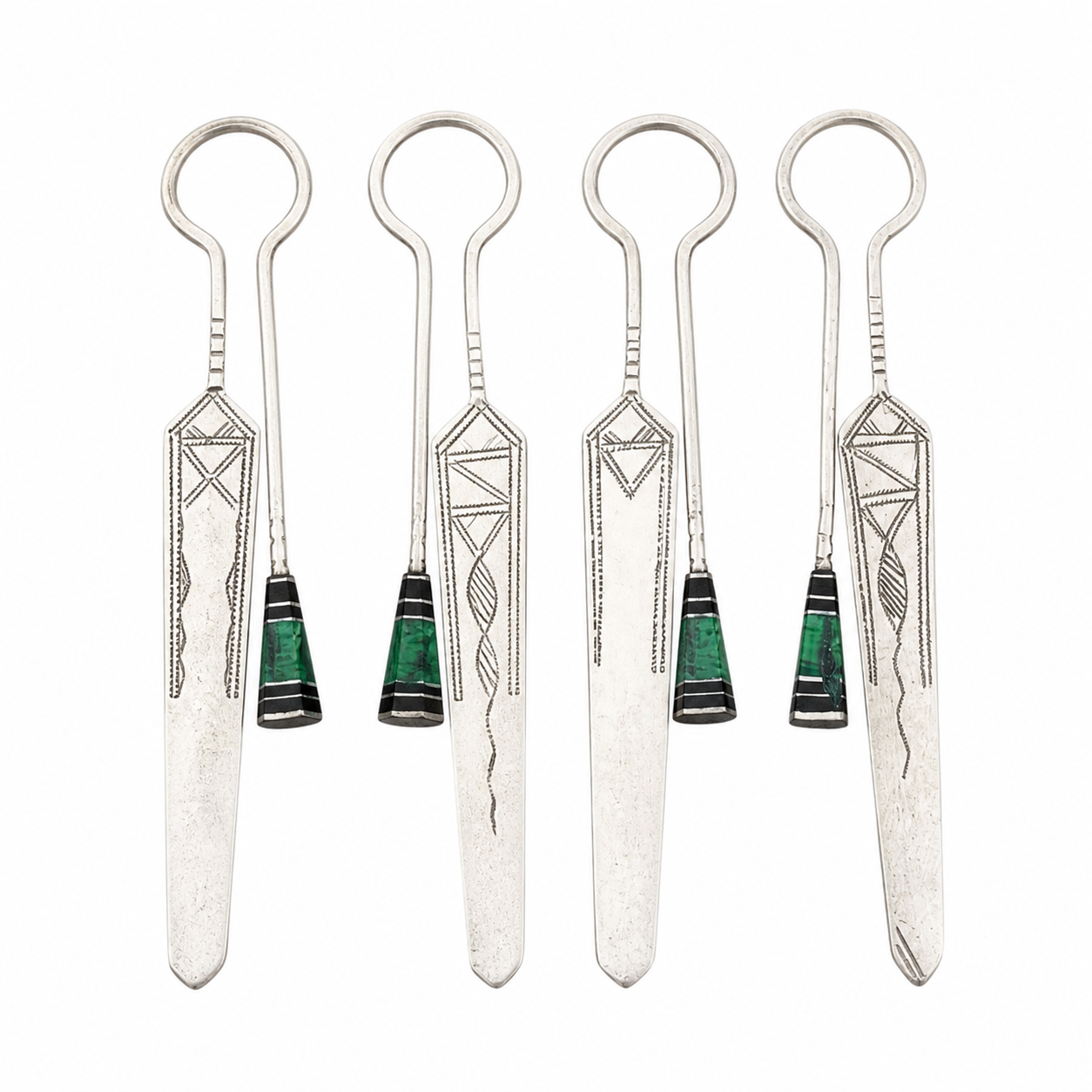
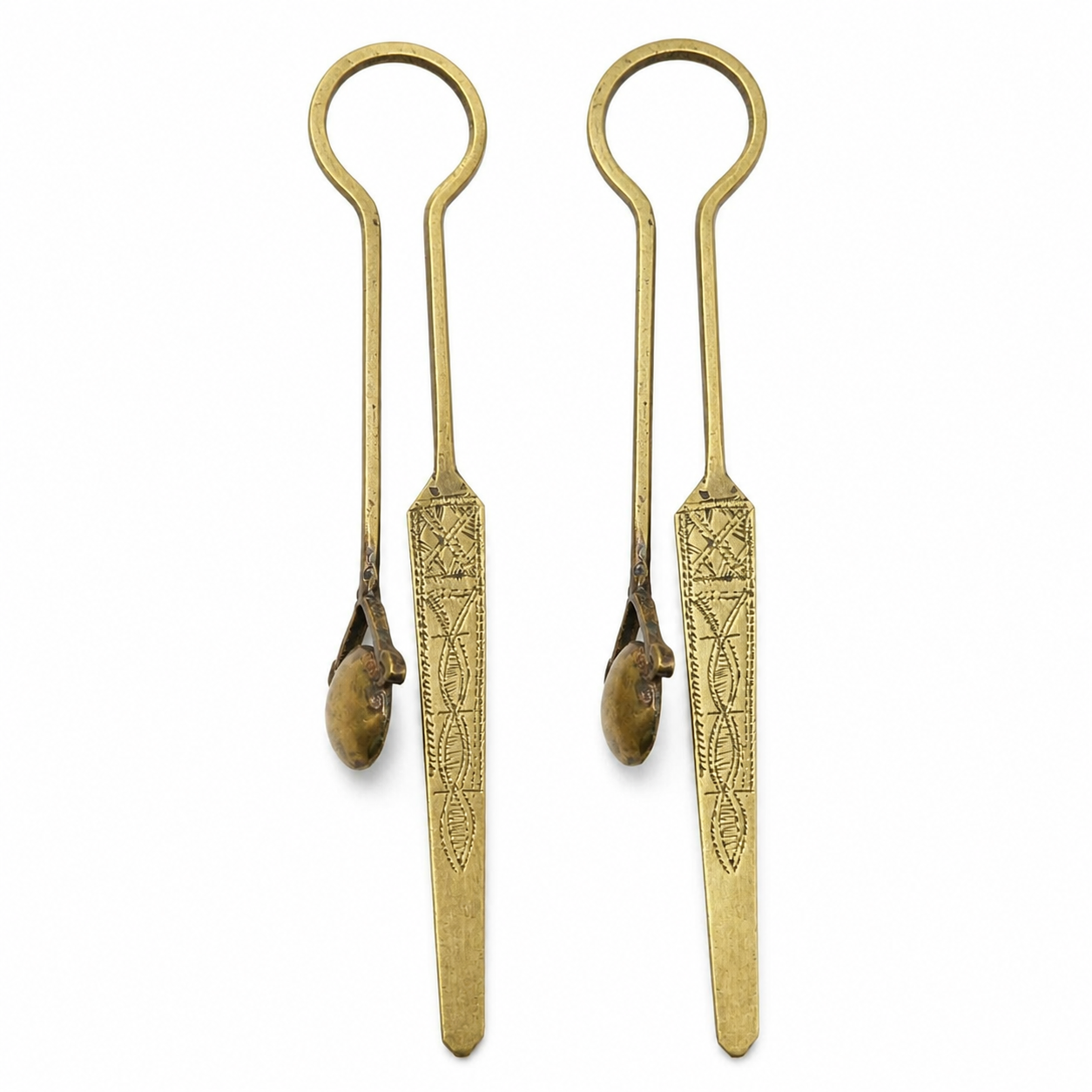
Silver jewelry is another important tradition. Traditional fibula brooches, necklaces, bracelets, and other pieces have often been connected with celebrations, identity, and regional artistic styles.
Other crafts include pottery, leatherwork, embroidery, and wood carving. These practices continue through artisans who preserve traditional skills while adapting them for modern markets.
Amazigh Architecture and Traditional Villages

Amazigh architecture reflects a close relationship between people and environment. In southern Morocco, fortified villages and ksour demonstrate traditional building methods based on local materials such as earth, stone, and wood.
Earthen architecture provides natural insulation against temperature changes and blends with surrounding landscapes. Structures such as Aït Ben Haddou show the artistic and practical knowledge behind these traditional techniques.
In mountain areas, villages are often built around community needs, with shared spaces, narrow paths, agricultural areas, and systems for managing water resources.
Music, Festivals, and Community Traditions
Music is a central part of Amazigh social life. Songs and performances preserve stories, celebrate important events, and strengthen connections between generations.
Ahidous and Ahwash are among the best-known Amazigh performance traditions. These group dances combine poetry, singing, movement, and percussion instruments, creating shared expressions of community identity.
Festivals such as Yennayer, the Amazigh New Year, provide opportunities for families and communities to celebrate heritage through food, music, and gatherings.
Amazigh Food and Hospitality
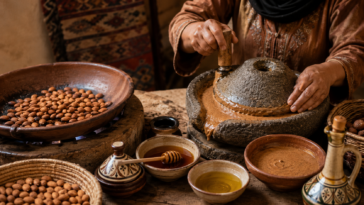
Food traditions reflect the relationship between Amazigh communities and their environments. Local ingredients such as grains, vegetables, olives, herbs, dairy products, and seasonal crops form the foundation of many traditional meals.
Couscous and tagine are among the most recognized dishes associated with Moroccan cuisine. Their preparation often represents more than cooking, becoming a way to bring families and guests together.
Hospitality is a highly valued tradition. Offering tea, sharing food, and welcoming visitors are important expressions of respect and friendship in many Amazigh communities.
Experiencing Amazigh Culture Responsibly
Travelers can discover Amazigh heritage through mountain villages, local markets, museums, artisan workshops, and rural stays. The High Atlas, Rif Mountains, Souss region, and southern oases each offer different cultural experiences.
Respectful travel means recognizing Amazigh communities as living societies rather than historical displays. Supporting local artisans, learning a few Tamazight words, asking before taking photographs, and respecting local customs help create meaningful cultural exchanges.
The Future of Amazigh Heritage
Amazigh culture continues to evolve alongside modern Morocco. Education, technology, migration, and new forms of artistic expression are changing how traditions are shared, but language, crafts, and community values remain important.
The preservation of Amazigh heritage depends on both protecting historical knowledge and allowing new generations to reinterpret their culture in contemporary ways.
Amazigh Social Organization and Community Values
Community cooperation has historically been an important feature of Amazigh life. In many rural areas, families and neighbors worked together during agricultural seasons, construction projects, and important social events. These collective practices helped communities manage difficult mountain and desert environments.
Traditional decision-making often involved respected elders and community figures who helped resolve disagreements and organize shared responsibilities. While modern institutions now play a larger role in daily life, the importance of cooperation and social bonds remains visible in many Amazigh communities.
The Importance of Oral Traditions and Storytelling
Before written records became widely available, oral traditions were one of the main ways Amazigh communities preserved knowledge. Stories, poems, songs, and proverbs carried lessons about history, morality, relationships, and the natural world.
Poetry has a particularly important place in Amazigh culture. Poets and singers have traditionally used artistic expression to comment on social life, celebrate events, and preserve memories of important people and places.
Today, oral traditions continue alongside books, digital media, and modern artistic forms. Many young Amazigh creators combine traditional themes with contemporary music, literature, and visual arts.
Regional Diversity Within Amazigh Morocco
The Rif Mountains
The Rif region in northern Morocco is home to Amazigh communities with their own language variety, Tarifit. The mountainous landscape has influenced local agriculture, architecture, and social traditions.
Villages in the Rif reflect adaptation to a greener mountain environment, where farming, olive cultivation, and local crafts have traditionally played important roles.
The Atlas and Southern Regions
The Middle Atlas, High Atlas, and southern oasis areas represent some of the most recognizable Amazigh landscapes. Communities in these regions have developed traditions connected with mountain farming, pastoral activities, and desert environments.
This regional diversity shows that Amazigh culture is not a single tradition but a collection of connected communities with different histories and expressions.
Amazigh Heritage in Contemporary Morocco
Modern Amazigh identity continues to develop through education, cultural institutions, media, and artistic movements. Language programs, cultural events, and creative projects have increased awareness of Amazigh history and traditions.
Contemporary Amazigh artists, musicians, writers, and designers often draw inspiration from traditional symbols, languages, and artistic techniques while creating new forms of expression.
The continued presence of Amazigh culture demonstrates that heritage is not only about preserving the past. It is also about allowing communities to participate fully in shaping their future while maintaining connections with their origins.
Conclusion
Amazigh culture represents an essential part of Morocco’s identity. Through history, language, architecture, crafts, music, and hospitality, Amazigh communities continue to preserve a heritage that has shaped North Africa for centuries.

 No products in the cart.
Comments (8)