

Amazigh hospitality is one of the most memorable expressions of Moroccan cultural heritage. Across the Atlas Mountains, visits to Amazigh villages reveal traditions built around generosity, shared meals, storytelling, and respect for guests. Beyond the beauty of mountain landscapes, visitors discover a way of life where food, music, and community connections remain central.
The Meaning of Hospitality in Amazigh Communities
Hospitality has long been an important value among Amazigh communities of Morocco. In mountain villages, welcoming guests is not only a social habit but also a reflection of family values and community relationships.
Traditional homes are often designed around shared spaces where relatives and visitors can gather. Guests may be welcomed into a carpeted room or courtyard area, where conversation, tea, and meals create opportunities for connection.
The importance placed on welcoming others comes from generations of rural life, where cooperation between families was essential. In remote areas, neighbors often depended on each other for agricultural work, celebrations, and support during difficult periods.
Markets as the Heart of Mountain Life

Weekly markets play an important role in many Amazigh regions. They are places where farmers, craftspeople, and merchants meet to exchange products and maintain social connections.
Markets such as those found near the High Atlas bring together people from surrounding villages. Farmers may sell vegetables, livestock, grains, and other local products, while traders offer clothing, household goods, and everyday necessities.
These markets are more than commercial spaces. They provide opportunities for people from different villages to meet, exchange news, and strengthen relationships across mountain communities.
Traditional Amazigh Meals and the Art of Sharing

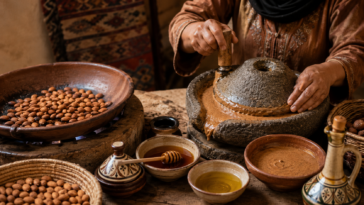
Food is one of the strongest expressions of Amazigh hospitality. Meals are usually prepared with local ingredients and reflect the environment where communities live.
Tea as a Symbol of Welcome
Moroccan tea plays an important role in welcoming guests. Preparing and serving tea is a social ritual that creates a moment of relaxation and conversation. The careful preparation and presentation show respect for visitors.
Tajine and Local Ingredients
Tajine is among the dishes commonly associated with Moroccan home cooking. In mountain villages, it is often prepared slowly with vegetables, meat, herbs, and spices according to family recipes and available ingredients.
Traditional meals are often shared from a common dish, with bread used to gather portions of food. This style of eating emphasizes togetherness and participation rather than individual servings.
Village Homes and Mountain Lifestyles

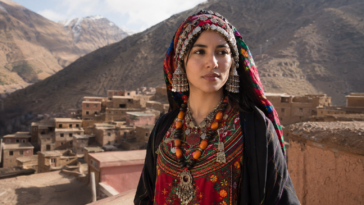
Amazigh villages reflect adaptation to challenging landscapes. Homes built from local materials such as earth and stone provide protection from changing mountain temperatures while using resources available nearby.
Daily life in these communities has traditionally involved agriculture, livestock care, and household responsibilities. Women have played important roles in preparing food, managing domestic activities, producing crafts, and supporting family life.
Many rural families maintain strong connections with the surrounding land. Farming areas, water sources, and grazing spaces influence the rhythm of everyday activities.
Music, Dance, and Collective Celebration

Music is an essential part of Amazigh cultural expression. Songs and dances preserve memories, celebrate important occasions, and bring communities together.
Traditional performances often include drums such as the bendir, collective singing, and rhythmic movement. Different regions have their own musical styles, reflecting local histories and languages.
Celebrations may involve groups gathering together in circles, creating a shared atmosphere where performers and audiences participate together. Music is not only entertainment but also a way of transmitting cultural knowledge.
The Role of Women in Amazigh Cultural Life
Women have traditionally been central to preserving many aspects of Amazigh heritage. Through cooking, weaving, storytelling, songs, and family traditions, they help transmit knowledge between generations.
Traditional crafts such as carpet weaving and textile production demonstrate creativity and technical skill. Designs often reflect local identity and artistic traditions connected with specific regions.
The preparation of meals and organization of household celebrations also represent important forms of cultural knowledge passed through families.
Amazigh Villages and Responsible Cultural Exchange
Visitors interested in Amazigh culture often seek experiences that allow them to understand local traditions respectfully. Meaningful cultural exchange depends on listening, learning, and recognizing communities as living societies rather than simply tourist attractions.
Village visits, traditional meals, and cultural encounters can provide insight into everyday life while supporting local families and craftspeople when organized responsibly.
The strength of Amazigh hospitality comes from genuine human connection. A shared meal, a conversation over tea, or music around a village gathering can reveal values that have shaped communities for generations.
Seasonal Rhythms and Community Cooperation
Amazigh village life has traditionally followed the rhythms of the seasons. Agricultural activities, livestock movements, and celebrations were closely connected with changes in weather and the availability of natural resources.
During periods of planting, harvesting, or preparing for winter, cooperation between families was especially important. Neighbors often worked together, sharing responsibilities and strengthening bonds that extended beyond individual households.
This culture of cooperation helps explain why hospitality is deeply connected with community life. Welcoming someone into the home is part of a wider tradition of mutual support and social responsibility.
Traditional Crafts and the Beauty of Everyday Objects
Carpets and Textile Knowledge
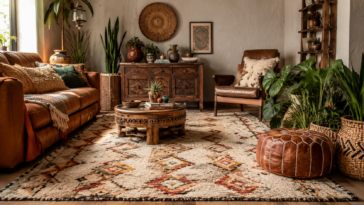
Amazigh homes often contain objects that reflect generations of artistic knowledge. Handwoven carpets, blankets, and textiles are not only practical items but also expressions of regional identity and creativity.
Women who create these pieces use techniques learned through family traditions. Patterns, colors, and weaving methods can vary between regions, reflecting the landscapes and histories of different Amazigh communities.
Wood, Clay, and Local Materials
Traditional crafts also include pottery, woodwork, and objects made from materials available in surrounding environments. These crafts demonstrate how communities developed practical solutions while creating objects with artistic value.
For visitors, these handmade items offer insight into daily life and the relationship between craftsmanship, nature, and cultural memory.
The Importance of Oral Traditions in Amazigh Life
Before written records became widespread, many aspects of Amazigh history and knowledge were preserved through oral traditions. Stories, poems, songs, and proverbs allowed communities to transmit lessons, memories, and values.
Elders often played an important role in maintaining this knowledge. Through conversations and gatherings, younger generations learned about family histories, local customs, and the meaning behind cultural practices.
Storytelling was not only a form of entertainment. It was also a way to preserve identity and maintain connections between past and present generations.
Mountain Landscapes and the Relationship with Nature
The Atlas Mountains have shaped many aspects of Amazigh culture. The environment influences architecture, food production, travel routes, and traditional occupations.
Mountain communities developed knowledge about managing limited resources, including water sources, agricultural land, and grazing areas. This relationship with nature remains visible in traditional farming methods and settlement patterns.
The landscape is therefore not simply a background to Amazigh life. It is an active part of cultural identity, influencing the way communities organize their homes, work, and celebrations.
Modern Life and Changing Traditions
Amazigh communities today are experiencing many social and economic changes. Education, migration, technology, and new forms of employment have transformed daily life in many villages.
However, cultural traditions continue to adapt rather than disappear. Families may combine modern lifestyles with traditional celebrations, foods, music, and artistic practices.
This ability to evolve is an important characteristic of living heritage. Culture remains meaningful when communities continue to use and reinterpret their traditions in contemporary life.
Sharing Amazigh Culture Beyond the Mountains
Interest in Amazigh heritage has grown among visitors, researchers, and cultural enthusiasts from around the world. Encounters with local communities provide opportunities to understand Morocco beyond famous cities and monuments.
Respectful cultural exchange focuses on genuine interaction rather than simply observing traditions. Learning about local customs, supporting artisans, and appreciating community knowledge helps create more meaningful connections.
Through food, music, architecture, and everyday hospitality, Amazigh communities continue to share a cultural heritage shaped by centuries of resilience and creativity.
Conclusion
Amazigh hospitality in Morocco reflects a deep connection between people, land, and tradition. Through markets, family meals, tea ceremonies, music, and community life, visitors discover a culture where generosity and belonging remain powerful parts of everyday experience.






 No products in the cart.
Comments (20)