
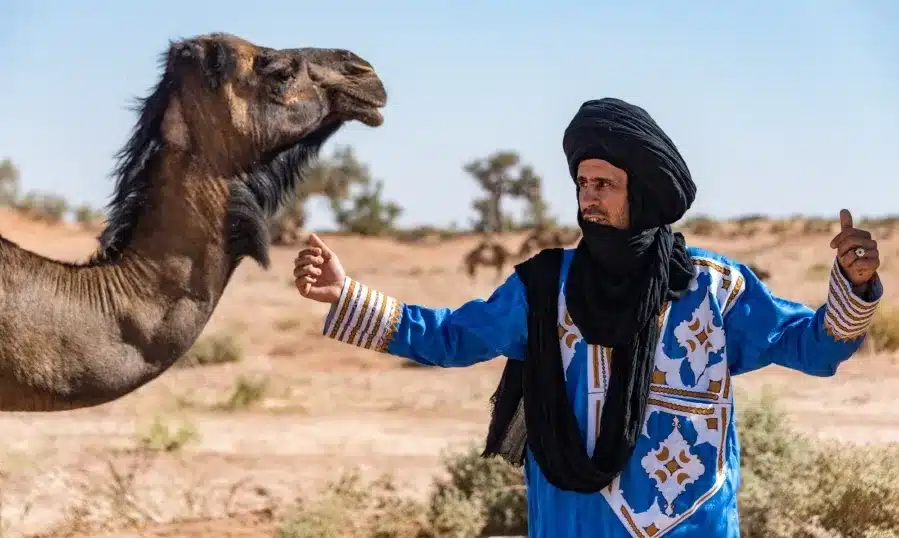
The Amazigh people are one of the oldest cultural communities of North Africa, with a deep historical presence in Morocco. Often known internationally as Berbers, Imazighen have shaped the country’s identity through language, architecture, agriculture, music, craftsmanship, and social traditions that continue to influence modern Moroccan life.
Who Are the Amazigh People of Morocco?
The Amazigh, or Imazighen in plural, are Indigenous North African communities with roots extending back thousands of years. The name Amazigh is widely preferred by many communities because it reflects their own identity, while the term Berber remains common in international discussions and historical writing.
Amazigh societies are not a single uniform group. Morocco contains several major Amazigh-speaking regions, each with distinctive languages, customs, artistic traditions, and historical experiences. Communities in the Rif Mountains, Middle Atlas, High Atlas, Anti-Atlas, Souss region, and desert areas all contribute to the diversity of Amazigh heritage.
Despite regional differences, many Amazigh communities share important values including attachment to ancestral lands, respect for family networks, oral traditions, hospitality, and preservation of cultural knowledge.
Ancient Roots and Historical Development
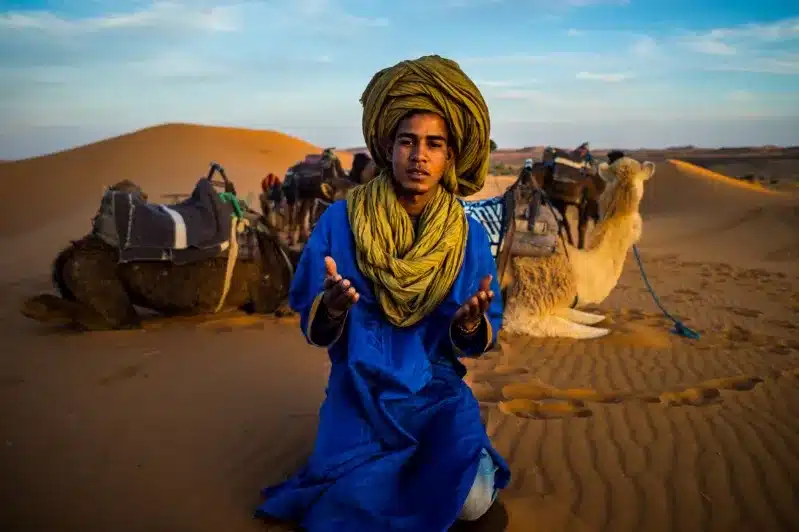
Amazigh history is closely connected with the wider history of North Africa. Ancient Amazigh communities interacted with civilizations including the Phoenicians, Carthaginians, Romans, and later Arab-Muslim societies.
During the expansion of Islam into North Africa, many Amazigh groups adopted Islam while maintaining aspects of their languages, social structures, and cultural practices. Over centuries, these influences combined to create the diverse cultural landscape visible in Morocco today.
Amazigh dynasties also played major roles in Moroccan and regional history. The Almoravid and Almohad movements, which established powerful states across North Africa and parts of the Iberian Peninsula, had Amazigh origins and left important architectural and political legacies.
Tamazight: The Language of Amazigh Identity
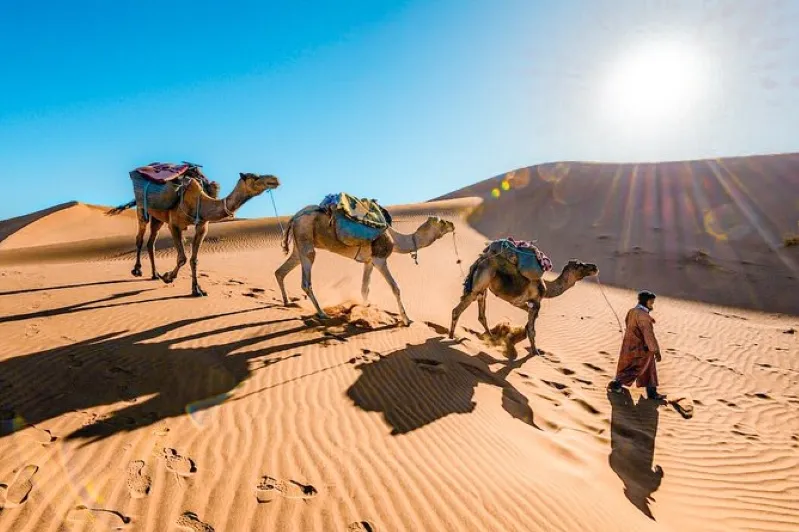
Language is one of the strongest expressions of Amazigh identity. Tamazight refers to a group of related Amazigh languages spoken in different regions of Morocco.
Three major Amazigh language varieties are commonly associated with Morocco:
- Tarifit: spoken mainly in the Rif region of northern Morocco.
- Central Atlas Tamazight: spoken in parts of the Middle Atlas and surrounding areas.
- Tachelhit: spoken in the Souss Valley, High Atlas, Anti-Atlas, and southern regions.
Amazigh languages have traditionally been transmitted through oral culture, including poetry, songs, stories, and community knowledge. The Tifinagh script, a writing system associated with Amazigh languages, has become an important symbol of cultural heritage and modern language recognition.
Amazigh Villages, Architecture, and Relationship with Nature

Amazigh architecture reflects adaptation to Morocco’s diverse landscapes. Mountain villages, oasis settlements, and desert communities developed building techniques suited to their environments.
Kasbahs and fortified villages built from earth, stone, and other local materials demonstrate practical knowledge combined with artistic design. These structures provided protection while creating spaces for family life, storage, and community activities.
The relationship between Amazigh communities and nature has always been important. Farming, water management, livestock, and seasonal cycles influenced settlement patterns and traditional lifestyles.
Music, Dance, and Oral Traditions
Music plays a central role in Amazigh cultural expression. Songs preserve memories, tell stories, celebrate important events, and connect generations.
Traditional performances such as Ahidous and Ahwash combine poetry, rhythm, singing, and collective movement. These gatherings are not only artistic events but also opportunities for communities to strengthen social connections.
Because much Amazigh history was preserved orally, poetry and music have served as important ways of transmitting knowledge, values, and collective memory.
Amazigh Food and Hospitality

Food traditions reveal the close relationship between Amazigh communities and their environments. Regional dishes developed according to available agricultural products, climate conditions, and local customs.
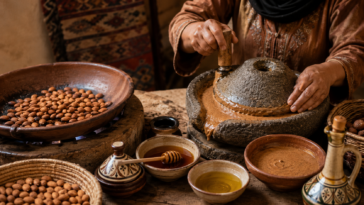
Couscous, tagine, breads, soups, and seasonal dishes form part of a wider culinary heritage. Ingredients such as grains, vegetables, olive oil, herbs, dates, and dairy products reflect the landscapes where communities developed their food practices.
Hospitality remains an important value in many Amazigh communities. Sharing tea, meals, and conversation with guests represents generosity and respect.
Amazigh Crafts: Carpets, Jewelry, and Artistic Heritage
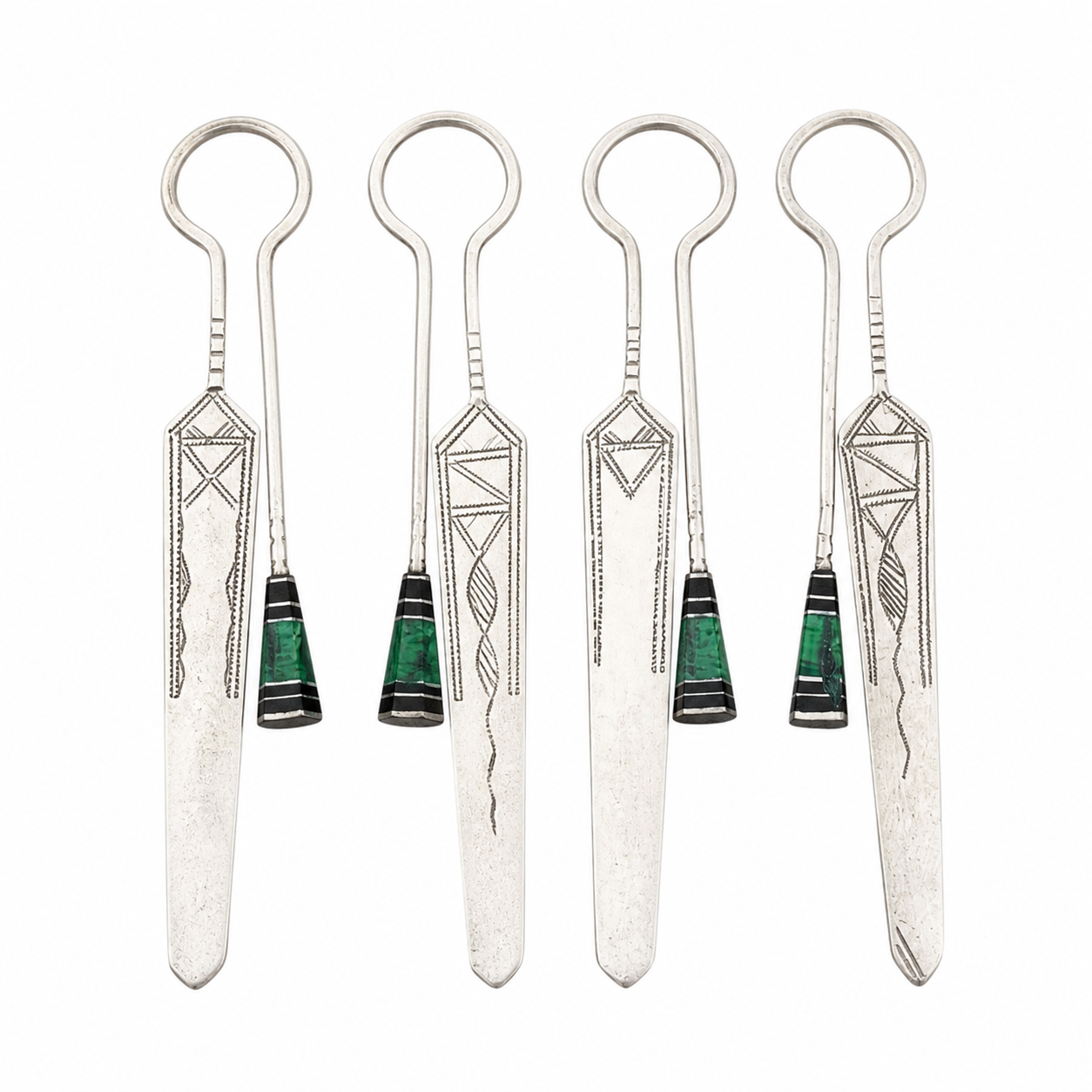
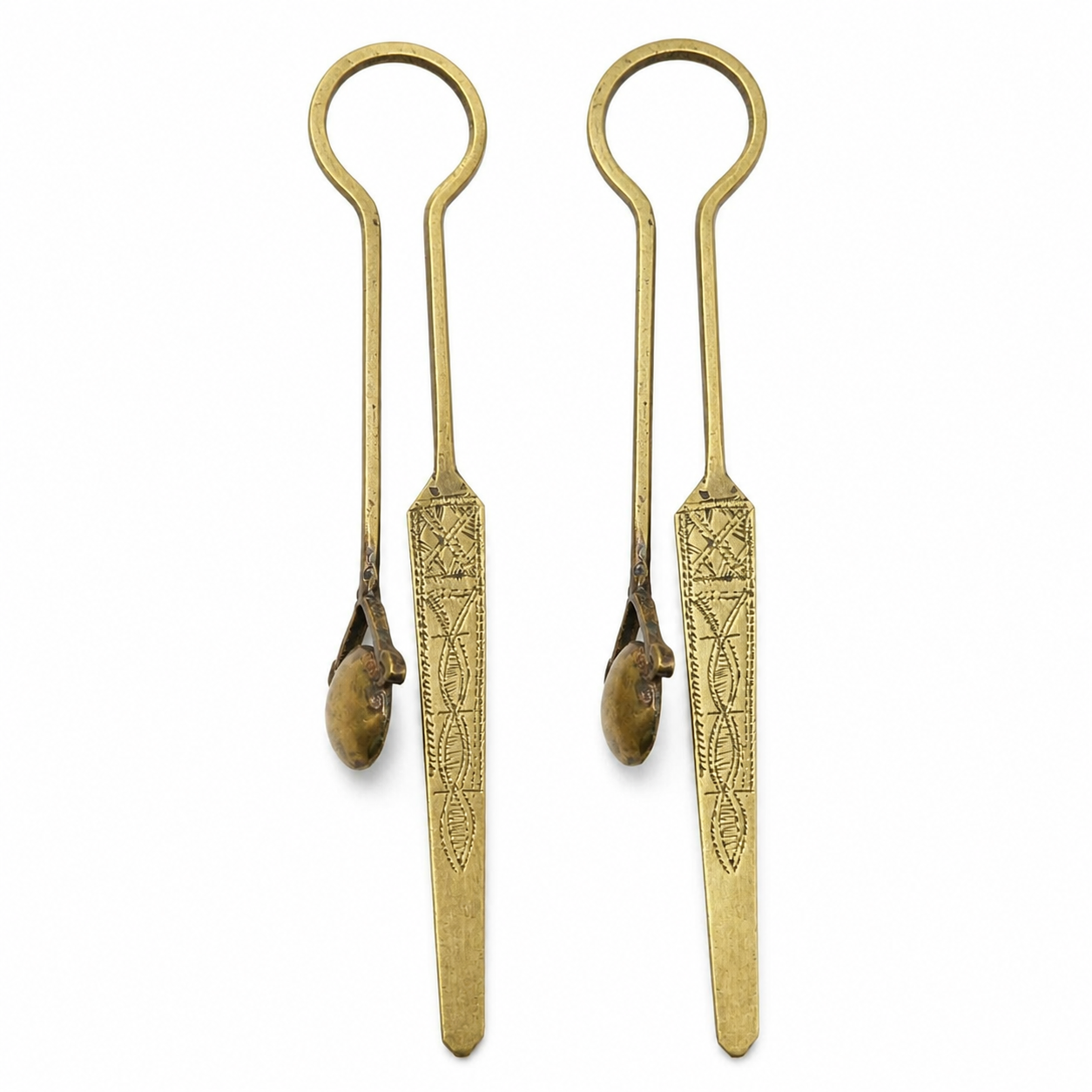
Amazigh craftsmanship is among Morocco’s most recognized cultural expressions. Handmade carpets, silver jewelry, pottery, embroidery, and woodwork preserve artistic techniques passed between generations.
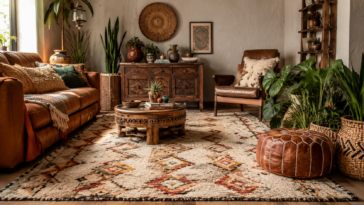
Carpet weaving is especially significant in many regions. Designs, colors, and patterns vary according to local traditions and often reflect the creativity of the women who create them.
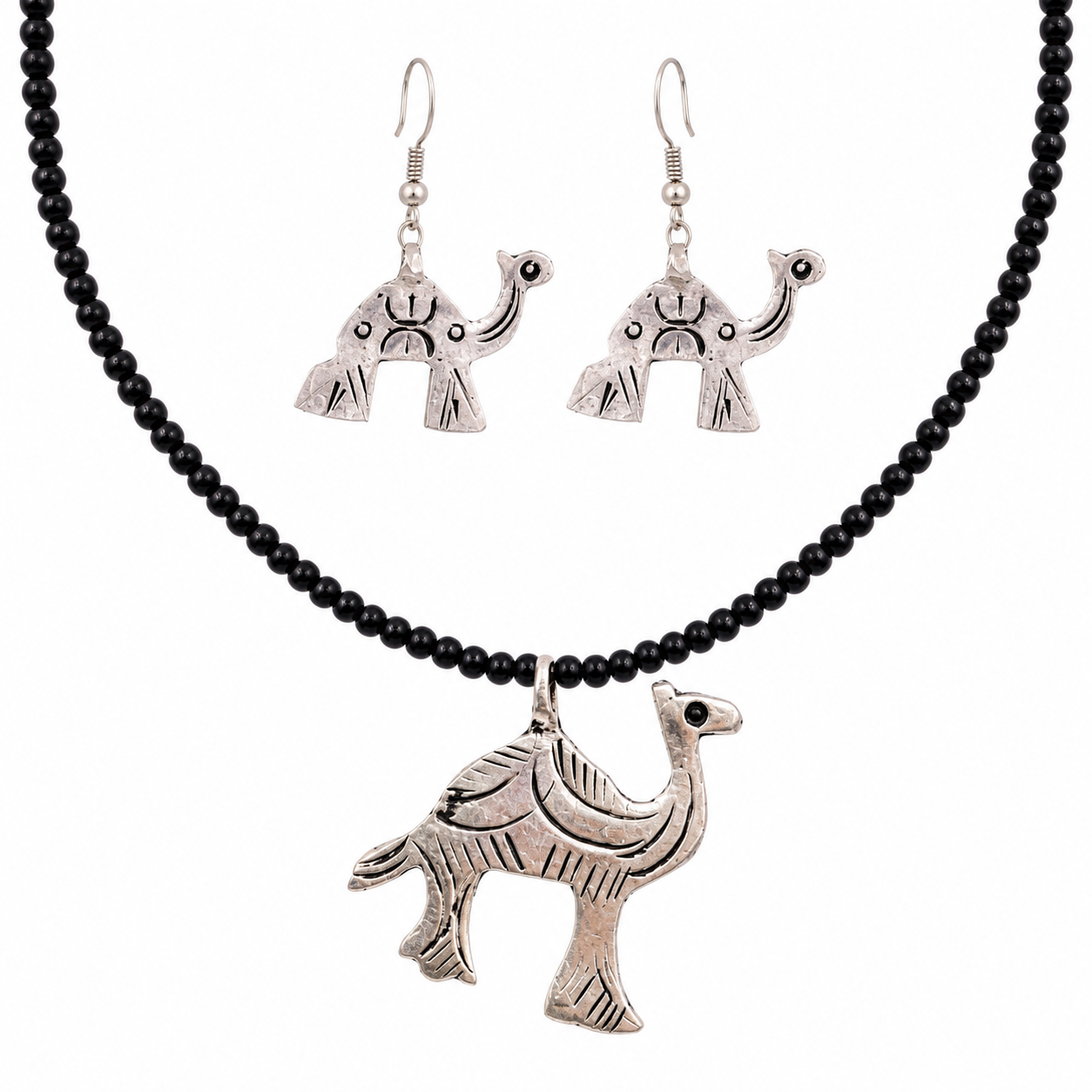
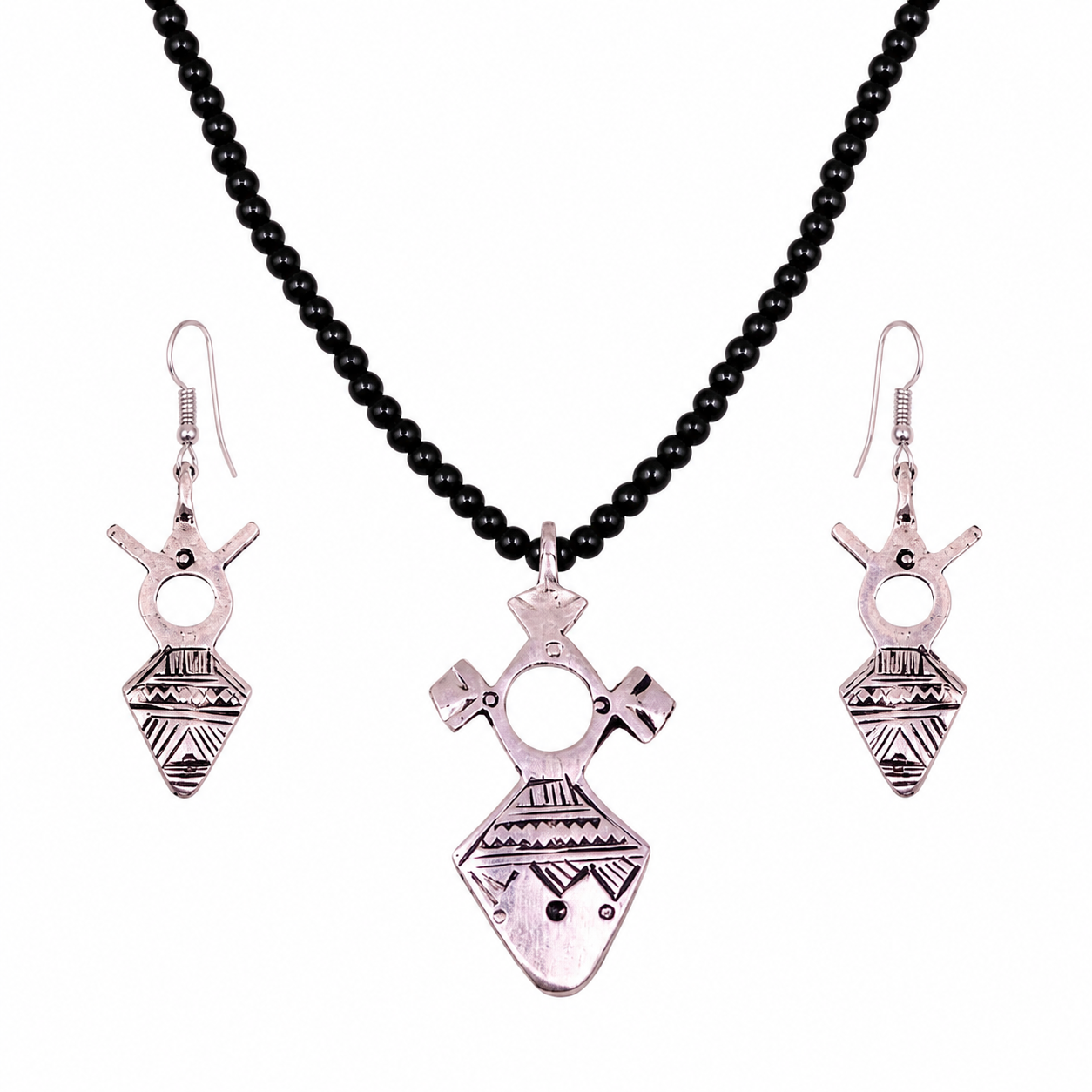
Jewelry, including fibulae, necklaces, and bracelets, has also played important social roles. These objects could express identity, family heritage, celebrations, and regional belonging.
The Amazigh Influence on Modern Morocco
Amazigh culture remains an important part of Morocco’s national identity. Contemporary Morocco includes Amazigh influences in language, arts, architecture, cuisine, and cultural events.
The recognition and preservation of Amazigh heritage have increased through education, cultural organizations, artistic projects, and greater visibility of Tamazight in public life.
Modern Amazigh identity combines respect for historical traditions with new forms of expression. Young generations continue to connect heritage with contemporary music, design, technology, and creative industries.
Preserving Amazigh Heritage for Future Generations
Cultural preservation depends on the continued transmission of knowledge. Languages, songs, crafts, recipes, and traditional skills survive because families and communities continue sharing them.
Protecting Amazigh heritage does not mean keeping culture unchanged. Traditions naturally evolve as communities respond to new circumstances while maintaining connections with their history.
The Amazigh experience demonstrates how a culture can remain dynamic while preserving strong links with ancestral memory.
Amazigh Social Organization and Community Values
Traditional Amazigh communities developed social systems based on cooperation, shared responsibilities, and strong connections between families. Villages often relied on collective decision-making and mutual support, especially in areas where agriculture and natural resources required cooperation.
Community gatherings were important spaces for discussing local matters, resolving disagreements, and organizing shared activities. These traditions helped maintain social balance and reinforced the idea that individual identity was closely connected to the wider community.
The Importance of Family and Generational Knowledge
Family networks have always played a central role in transmitting Amazigh culture. Elders preserved stories, agricultural knowledge, craft techniques, songs, and traditions that younger generations learned through daily life.
This transmission was not limited to formal teaching. Children absorbed cultural knowledge by participating in family activities, celebrations, seasonal work, and community events.
Amazigh Festivals and Seasonal Celebrations
Many Amazigh celebrations are connected with agricultural cycles, seasonal changes, and important moments in community life. These events combine food, music, storytelling, and symbolic practices.
Yennayer, the Amazigh New Year, is one of the best-known examples. Celebrated in January, it reflects themes of renewal, prosperity, and connection with the land. Traditional meals prepared for the occasion highlight the importance of agriculture and family gathering.
Other regional celebrations include marriage festivals, harvest-related events, and cultural gatherings where music and oral traditions continue to play an important role.
The Role of Women in Amazigh Heritage
Amazigh women have been essential guardians of cultural knowledge. Through weaving, cooking, storytelling, music, and traditional ceremonies, women have preserved many elements of community identity.
Textile production is a particularly important example. Handmade carpets and clothing often contain regional designs and techniques that reflect local history and artistic creativity.
Women have also contributed to the preservation of oral traditions by passing songs, stories, and family memories from one generation to the next.
Amazigh Symbols and Cultural Expression
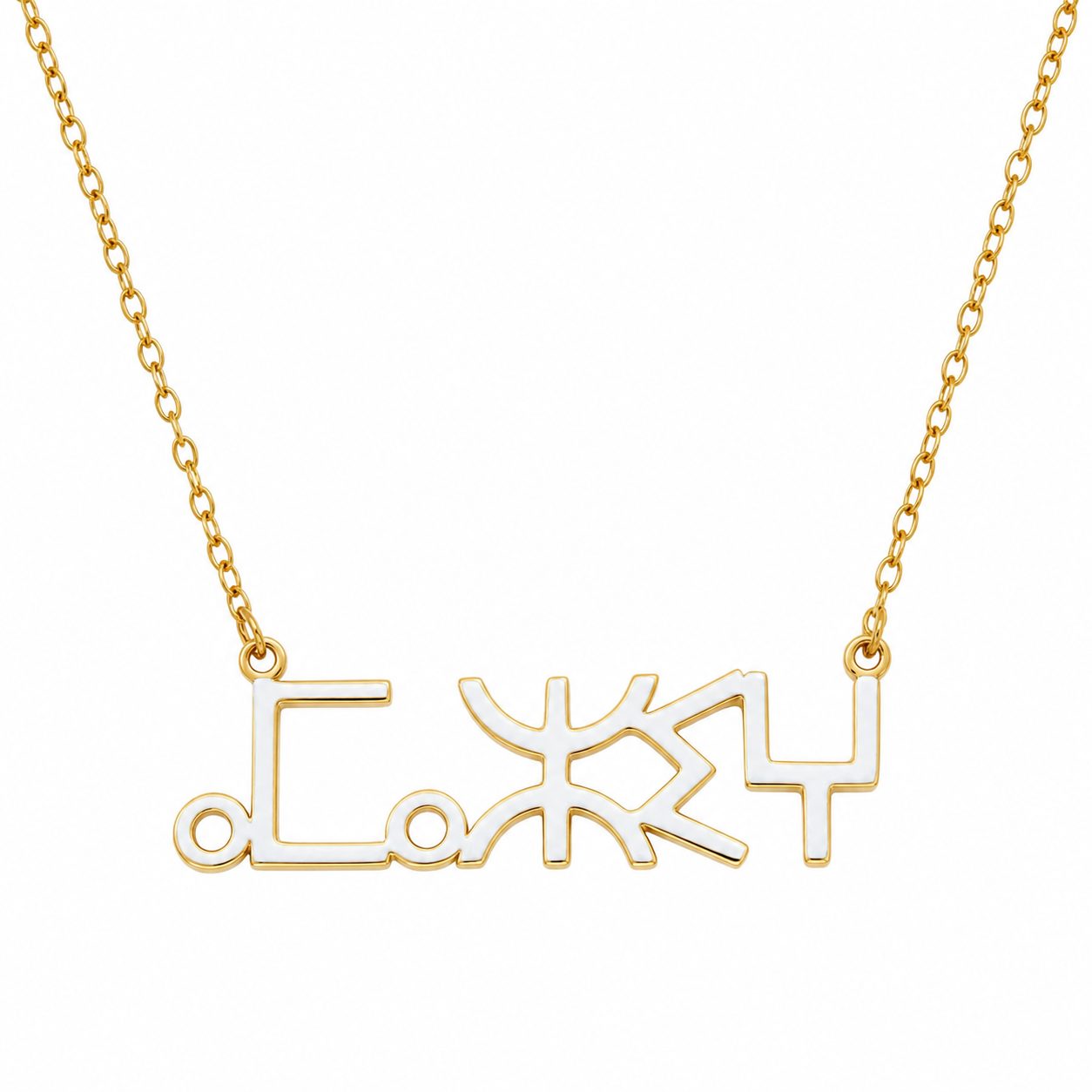
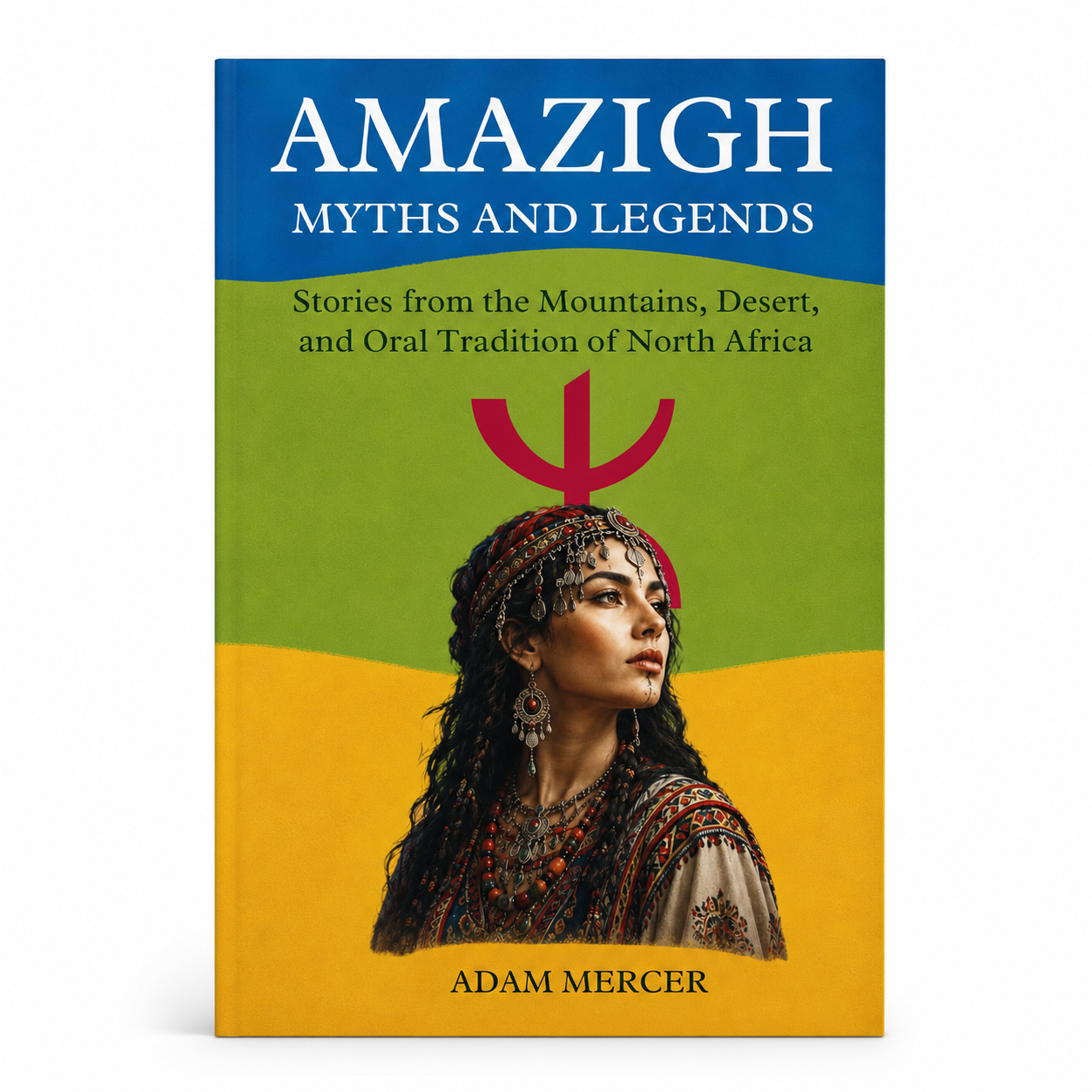
Symbols are an important part of Amazigh artistic expression. The ⵣ character from the Tifinagh alphabet, often associated with Amazigh identity, has become widely recognized as a modern cultural symbol.
Traditional designs found in carpets, jewelry, pottery, and architecture often use geometric forms. Their meanings can vary according to region and context, reflecting local histories rather than a single universal interpretation.
These artistic elements show how visual creativity has served as a way of preserving memory and expressing belonging.
Amazigh Culture in Contemporary Society
Today, Amazigh heritage continues to evolve alongside modern Moroccan society. Cultural associations, artists, researchers, and communities contribute to keeping traditions visible while adapting them to new forms of expression.
Amazigh music has expanded into contemporary styles, traditional crafts inspire modern designers, and Tamazight continues to gain greater presence in education and cultural life.
The strength of Amazigh culture lies in its ability to connect the past with the present. Heritage remains meaningful because it continues to be practiced, transformed, and shared by new generations.
Conclusion
The Amazigh people of Morocco represent a remarkable heritage shaped by thousands of years of history, creativity, and adaptation. Through their languages, traditions, crafts, architecture, and social values, Imazighen continue to make a lasting contribution to Morocco’s cultural identity.

 No products in the cart.
Comments (25)