

Taghonja is one of the most fascinating examples of Amazigh cultural heritage, revealing how communities developed symbolic traditions around one of life’s most precious resources: water. Across parts of North Africa, this rain ritual transformed a simple household object into a powerful symbol of hope, fertility, and renewal.
The Meaning of Taghonja in Amazigh Culture
In Amazigh traditions, Taghonja represents the bride of rain, a symbolic figure created during periods of drought when communities hoped for the return of rainfall. The ritual reflects a deep relationship between rural societies and the natural cycles that supported agriculture, animals, and daily life.
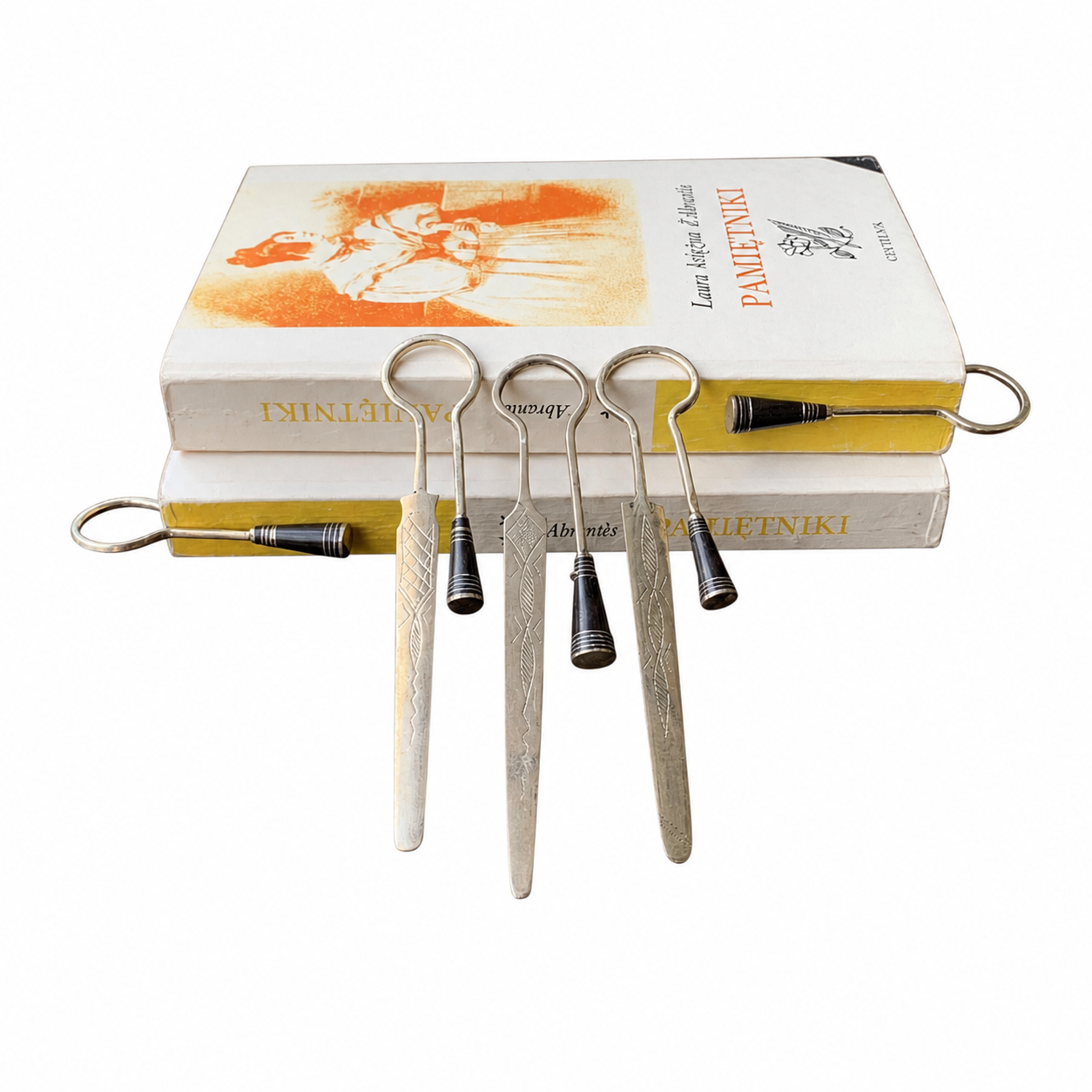
The name Taghonja comes from the Amazigh word associated with a ladle or spoon. This connection is meaningful because the object used in the ceremony was often a wooden ladle transformed into a decorated figure. The same object that served domestic life became a vessel of symbolic communication with the sky.
Rather than being a simple performance, the ritual brought together women, children, households, and the wider community in a collective expression of concern and hope.
Anzar and the Mythical Origins of Rain
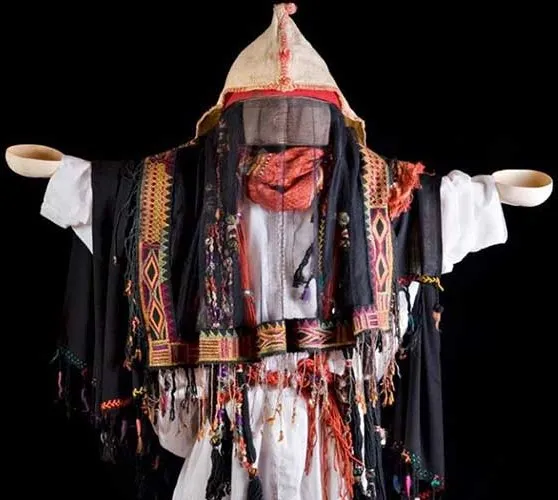
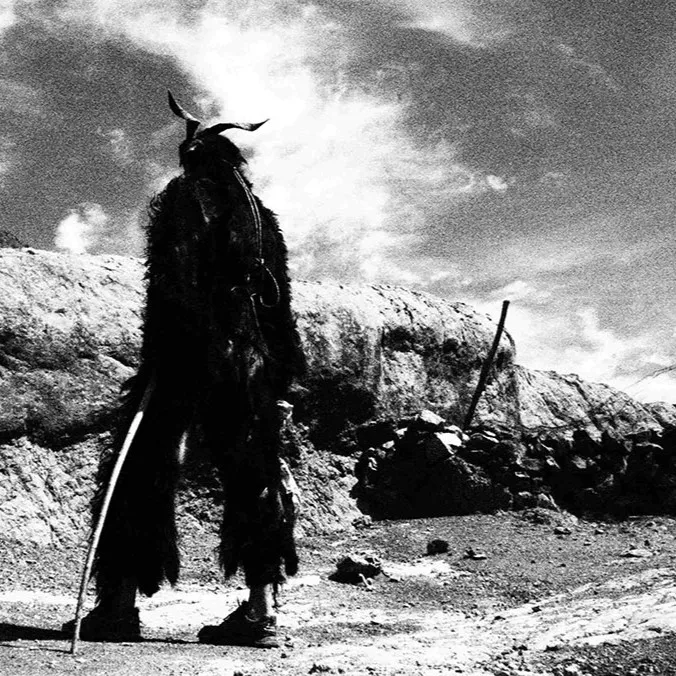
The Taghonja tradition is connected with the figure of Anzar, a powerful symbol associated with rain, water, and fertility in Amazigh mythology. Historical studies of Amazigh traditions describe Anzar as representing the life-giving force of rainfall and the renewal of nature.
Stories surrounding Anzar often describe a relationship between the sky and the earth through the image of marriage. The union between Anzar and the bride of rain expresses the idea that water brings life, growth, and prosperity.
Over time, many communities adapted older symbolic traditions within Islamic cultural contexts. The ritual continued with prayers and communal acts while gaining new meanings connected with faith and social solidarity.
Creating the Bride of Rain Figure
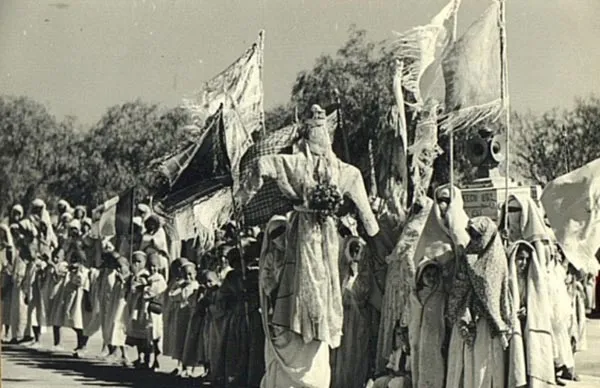
The preparation of Taghonja was an important part of the ceremony. Communities created the figure using simple materials, often combining a wooden ladle or similar object with fabric, decorations, and jewellery.
The transformation of an everyday object into a symbolic bride demonstrates the creativity of traditional rituals. Clothing, colours, and ornaments gave the figure the appearance of a wedding participant, connecting the ceremony with themes of union and fertility.
In some regions, other agricultural tools could also be used to represent the figure. These variations show that Taghonja was not a single fixed ceremony but a tradition adapted by different Amazigh communities.
The Rain Procession Through the Village

The central moment of the ritual was a procession through the village. Women and children carried the decorated figure while singing prayers and asking for the return of rain.
During the procession, households participated by pouring water over the participants and offering ingredients for a shared meal. These actions symbolically connected the community with the water they hoped to receive from the sky.
The gifts collected during the journey were transformed into communal food, reinforcing cooperation between families. The ritual therefore combined spiritual symbolism with social exchange.
Women, Children, and Community Participation
Women played a central role in many Taghonja ceremonies. Their involvement reflected their important place in preserving household traditions, songs, and knowledge passed between generations.
Children also participated actively, helping create a lively atmosphere around the procession. Their involvement ensured that cultural memories continued through direct experience rather than only through stories.
The participation of different generations shows that Taghonja was not only a request for rain but also a moment where community identity was strengthened.
Rain as a Symbol of Life and Renewal
For agricultural communities, rainfall represented far more than weather. It determined harvests, supported animals, filled water sources, and influenced the rhythm of village life.
Taghonja expresses this understanding by presenting rain as something that creates a relationship between humans and nature. The symbolic marriage between the bride and the rain reflects the desire for balance between the earth and the forces that sustain it.
Many traditional societies developed ceremonies connected with natural cycles because survival depended on understanding seasonal changes. Taghonja is an example of how cultural practices preserve environmental knowledge through symbols and stories.
Regional Variations of the Taghonja Tradition
The rain ritual was recorded in different Amazigh regions, including areas of Morocco, Algeria, and the wider Maghreb. While the basic idea remained similar, each community developed its own expressions, names, songs, and methods of preparing the figure.
- Different names: Some communities used names such as Tislit n waman, meaning the bride of water, or other local variations.
- Different materials: The figure could be made with different agricultural or household objects depending on local customs.
- Different endings: Some regions preserved the figure, while others included symbolic actions marking the end of the ceremony.
These variations demonstrate the richness of Amazigh heritage and the ability of traditions to change while preserving their central meanings.
The Legacy of Taghonja Today
Today, Taghonja remains an important example of Amazigh intangible heritage. Although many communities no longer practice the ritual in its traditional form, its symbolism continues through cultural research, artistic representations, and heritage discussions.
The tradition reminds us that cultural heritage is not limited to buildings or historical objects. Songs, stories, rituals, and relationships with nature are also valuable parts of human history.
Taghonja continues to represent a powerful idea: that communities have always searched for ways to express gratitude, hope, and respect toward the natural world that sustains them.
Taghonja and the Relationship Between Nature and Society
The importance of Taghonja can be better understood by looking at the close relationship between traditional Amazigh communities and their environments. In regions where farming depended heavily on seasonal rainfall, water was not only a natural resource but also a foundation of social stability.
Rivers, springs, wells, and irrigation systems shaped settlement patterns and agricultural practices. A successful rainy season could determine the availability of crops and pasture, making rain a subject of collective concern and celebration.
Through Taghonja, communities expressed this dependence in a symbolic language that connected human actions with the rhythms of the natural world.
The Role of Ritual in Preserving Collective Memory
Beyond a request for rain
Although Taghonja was associated with asking for rainfall, its importance extended beyond the immediate hope for water. Rituals also preserved stories, songs, social relationships, and shared values.
Each generation that participated in the ceremony inherited knowledge about community roles, traditional expressions, and the symbolic meaning of objects. In this way, the ritual functioned as a form of cultural education.
Symbols that connect generations
The transformation of a simple ladle into a bride figure demonstrates how ordinary objects can become carriers of memory. The meaning of the object came not from its material value but from the stories and emotions attached to it.
This symbolic approach is common in many traditional cultures, where everyday items become connected with important moments in community life.
Taghonja and Amazigh Concepts of Fertility
Fertility is one of the central themes associated with Taghonja. In agricultural societies, fertility included not only human life but also the growth of plants, the health of animals, and the renewal of landscapes.
The image of a bride was especially meaningful because marriage traditionally represented union, continuity, and the creation of new life. By presenting rain through this symbolic relationship, communities expressed their desire for harmony between the sky and the earth.
This connection between marriage symbolism and natural renewal appears in different forms throughout Amazigh traditions.
Studying Taghonja as Intangible Heritage
Historical descriptions of Taghonja provide valuable information about past customs, but interpreting old rituals requires attention to historical context. Traditions can change over time, and the meanings understood by communities may evolve across generations.
Researchers often study such ceremonies by examining songs, objects, language, and comparisons between different regions. These approaches help reveal the diversity of Amazigh cultural practices without assuming that every community followed the same version of the ritual.
Taghonja remains important because it offers insight into how communities created cultural responses to environmental challenges.
Why Water Remains Central in Amazigh Heritage
The symbolism of Taghonja continues to resonate because water remains deeply connected with life across Morocco’s landscapes. From mountain valleys to agricultural plains, access to water has shaped communities for centuries.
Amazigh heritage contains many examples of respect for natural resources, including traditional farming knowledge, irrigation practices, and seasonal celebrations. Taghonja is one expression of a broader cultural awareness of humanity’s dependence on the natural world.
By remembering traditions connected with water, communities preserve not only historical customs but also lessons about environmental responsibility.
Conclusion
Taghonja, the Amazigh bride of rain, reveals a cultural world where water, agriculture, community, and imagination were deeply connected. Through a symbolic figure carried through villages, generations expressed their hopes for renewal and prosperity. This ancient ritual remains a reminder of the importance of water and the enduring creativity of Amazigh traditions.


 No products in the cart.
Comments (6)